

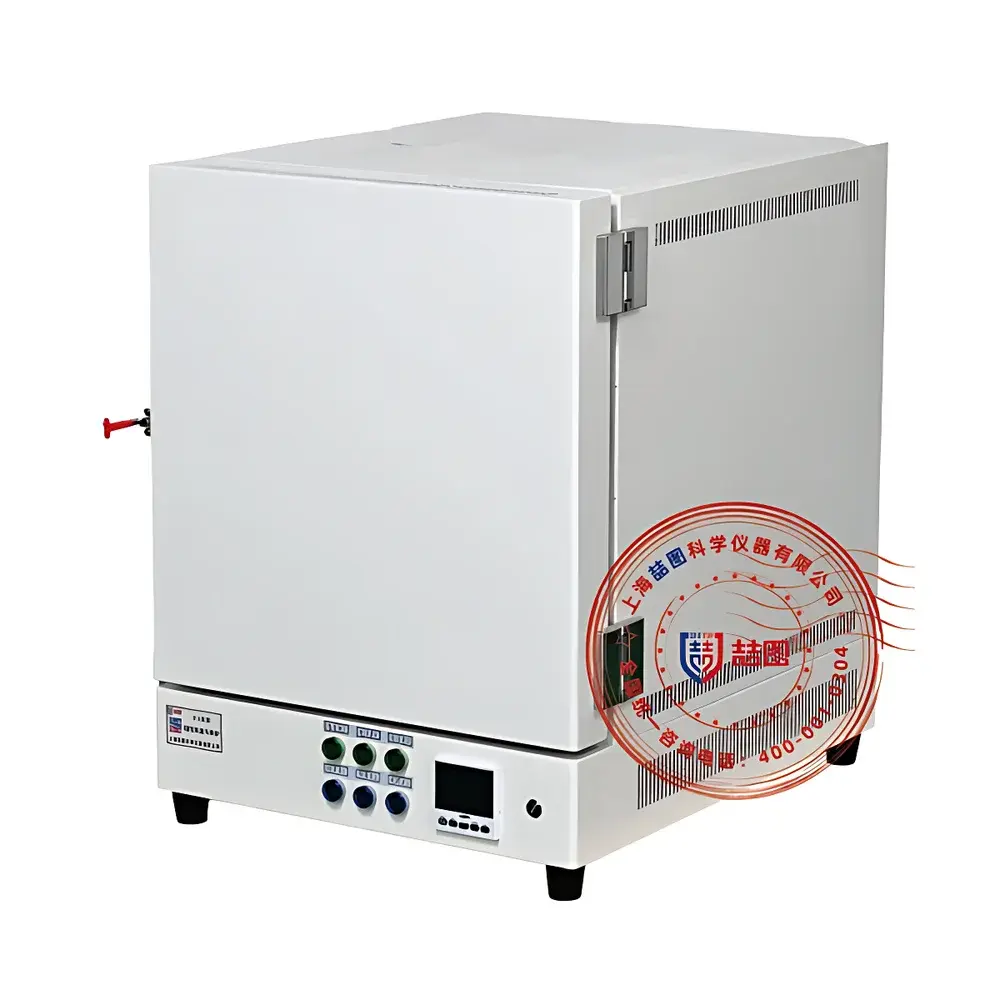
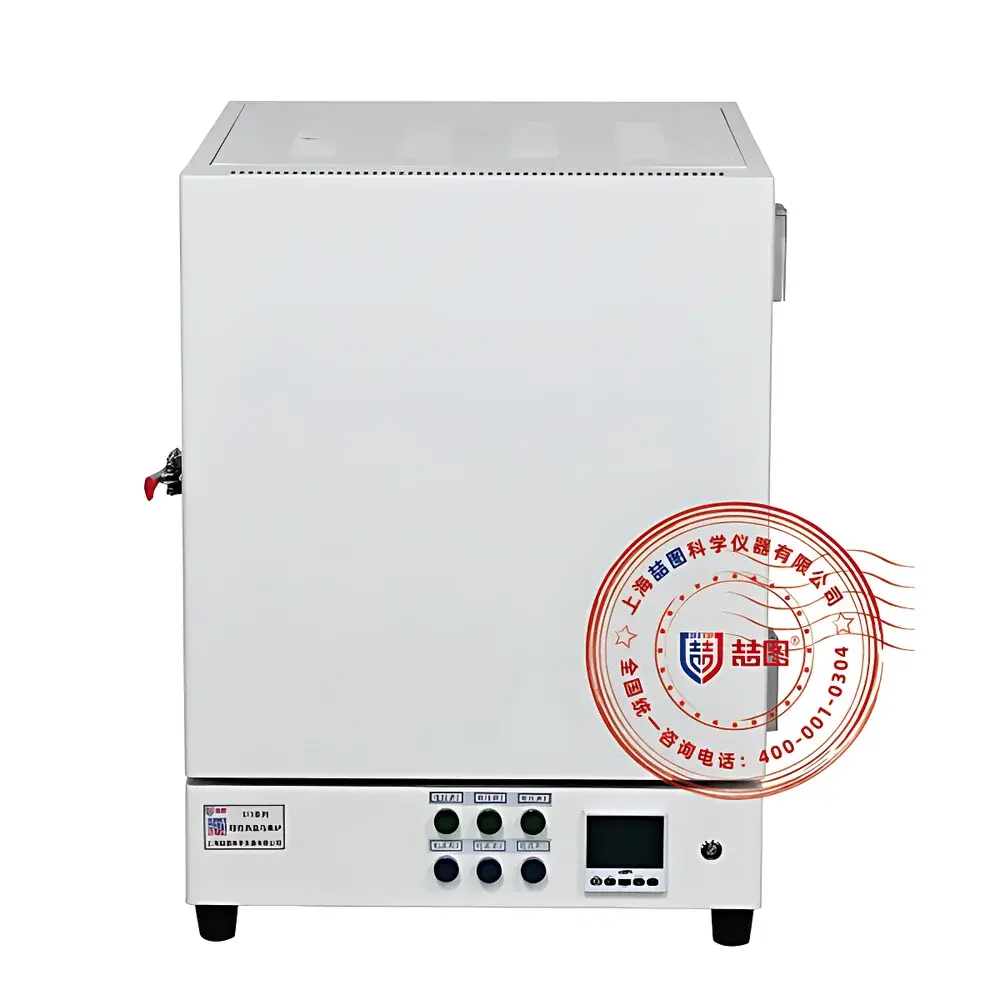
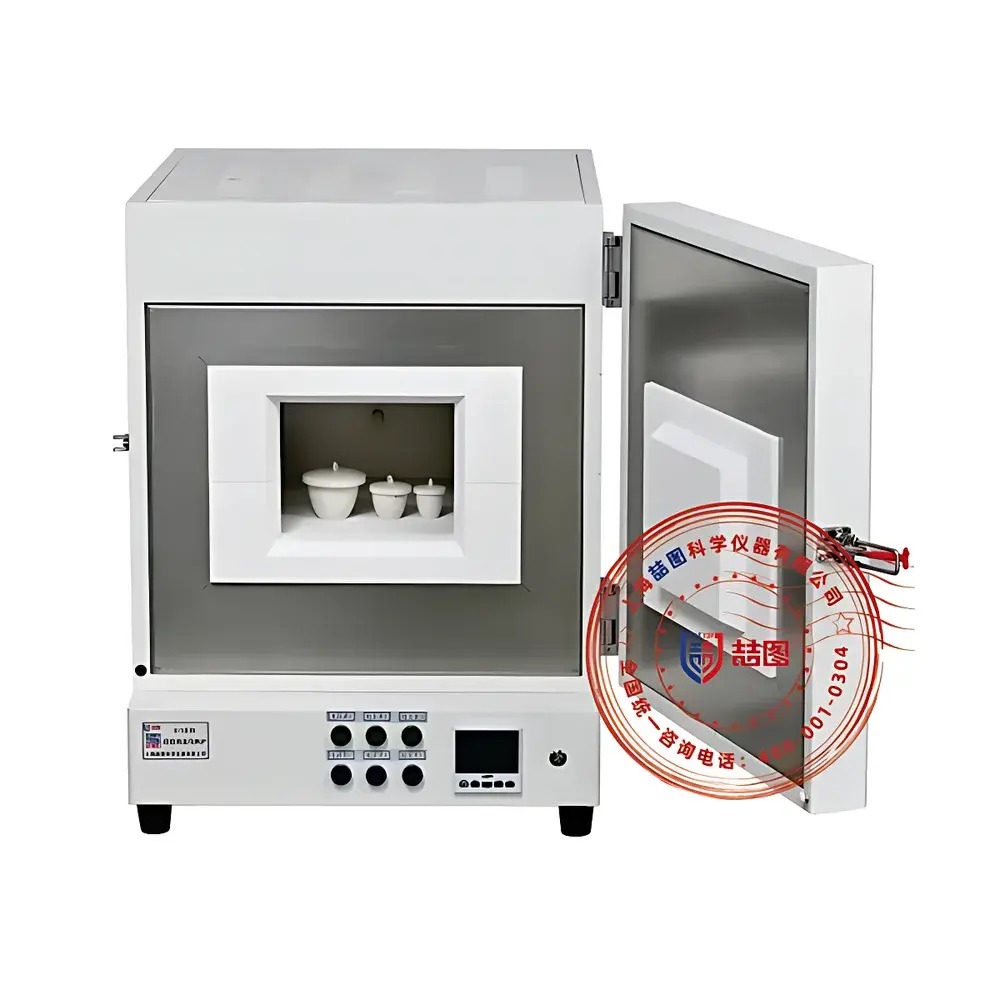
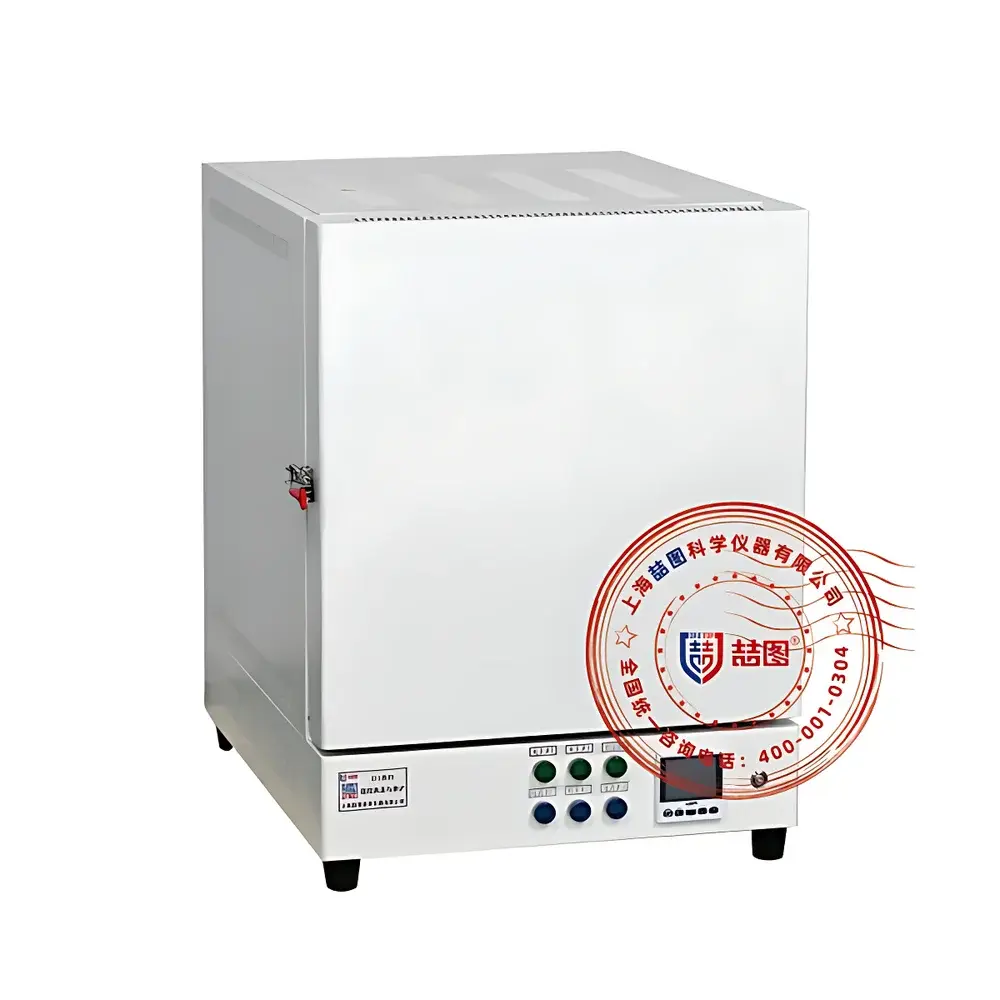
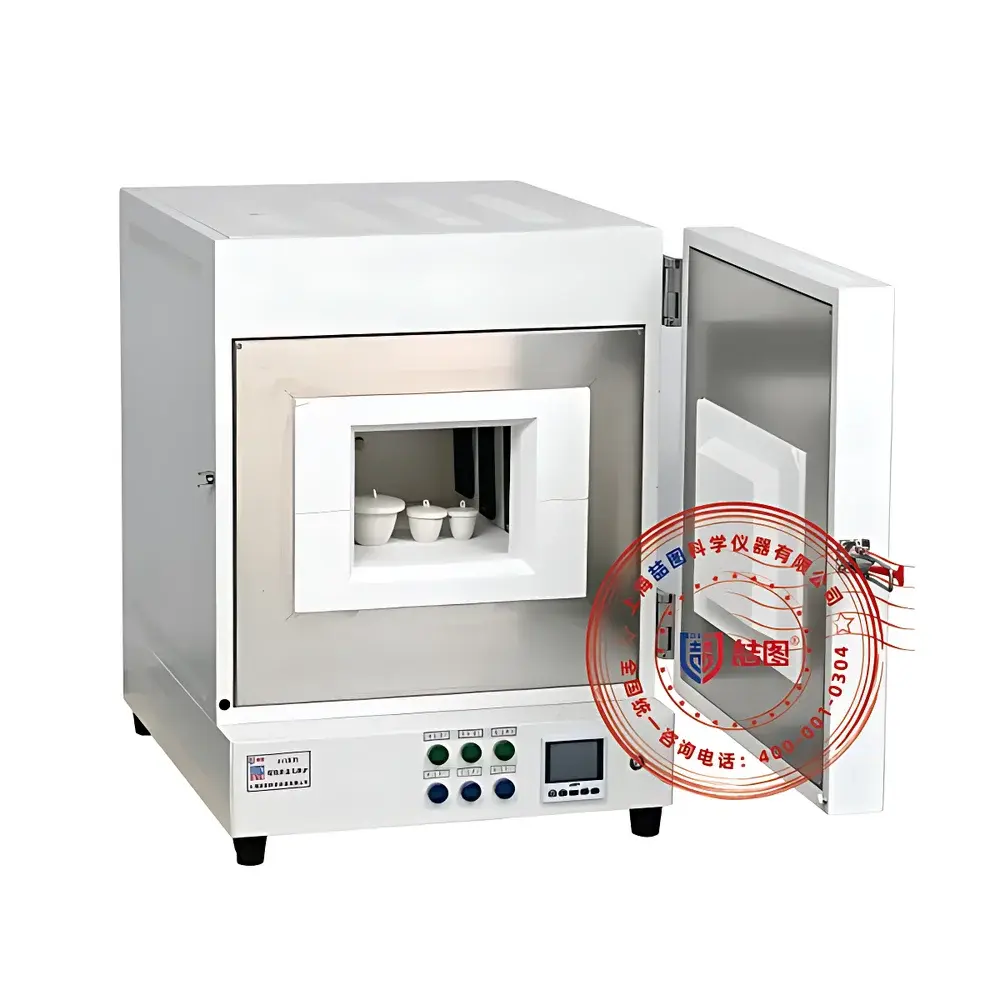
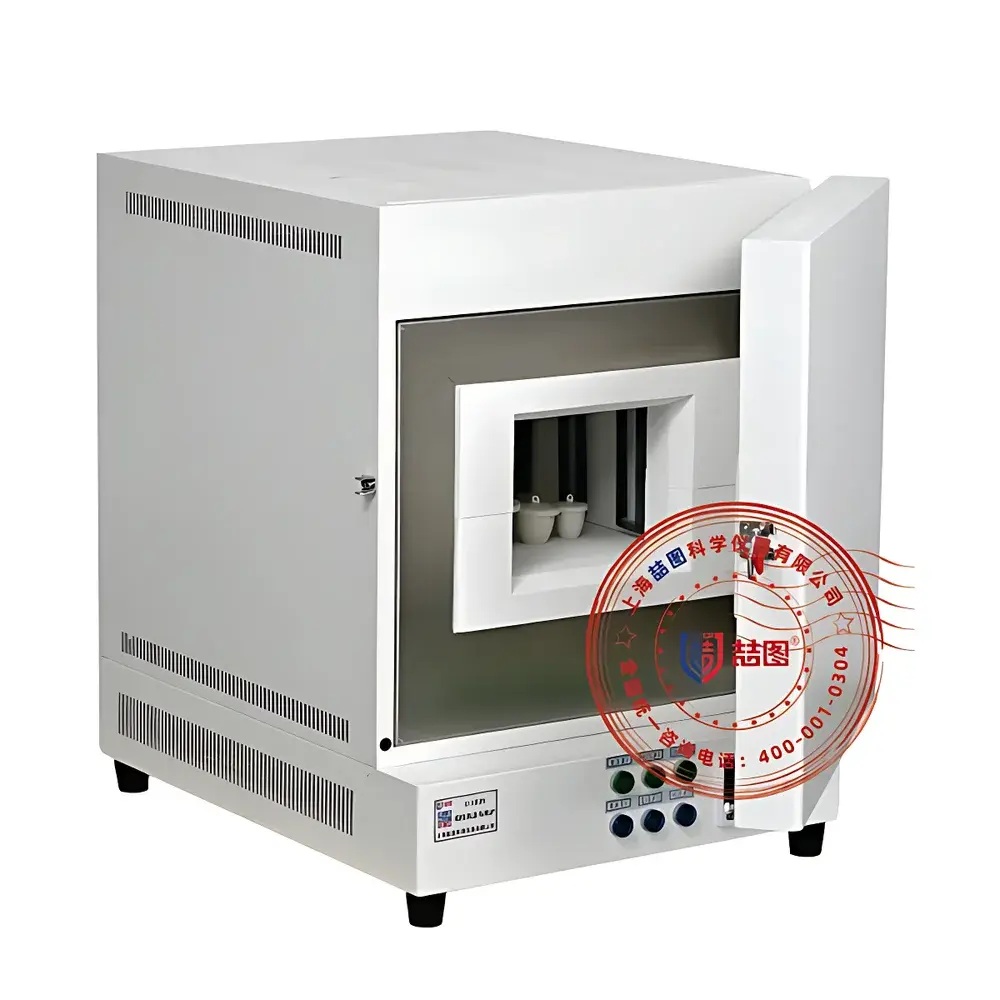
DRETOP S14-4P Programmable High-Temperature Muffle Furnace
| Brand | DRETOP |
|---|---|
| Origin | Shanghai, China |
| Manufacturer Type | Direct Manufacturer |
| Product Category | Domestic |
| Model | S14-4P |
| Instrument Type | Box-Type Muffle Furnace |
| Maximum Temperature | 1400 °C |
| Temperature Control Accuracy | ±1 °C |
| Rated Power | 5 kW |
| Time to Max Temperature | 60 min |
| Heating Element | Silicon Carbide Rods |
| Internal Chamber Dimensions | 150 × 250 × 100 mm |
| Control System | Programmable Digital Display Controller |
| Nominal Volume | 4 L |
Overview
The DRETOP S14-4P Programmable High-Temperature Muffle Furnace is a precision-engineered box-type thermal processing instrument designed for repeatable, traceable, and programmable heat treatment in research laboratories, quality control environments, and industrial R&D settings. Operating on the principle of resistive heating via silicon carbide (SiC) rod elements embedded in triple-wall ceramic fiber insulation, the furnace delivers uniform radiant heat distribution across its 4 L chamber. Its core architecture supports controlled thermal profiles—including ramp-hold-cool sequences—enabling applications such as ashing, calcination, sintering, heat treatment of small metallic or ceramic components, and standardized thermal analysis per ASTM E1131, ISO 1171, and USP . The furnace is engineered for stability under repeated thermal cycling, with structural integrity maintained during frequent door operation and sustained exposure to temperatures up to 1400 °C.
Key Features
- Triple-wall radiant heating configuration ensures exceptional temperature uniformity (±3 °C at 1400 °C across working zone), validated by internal thermocouple mapping per IEC 60068-3-5.
- Intelligent PID controller with auto-tuning capability and dual-stage deviation alarm (upper/lower limit + positive/negative error detection), achieving ±1 °C steady-state control accuracy.
- Integrated safety interlock system: door-open power cutoff with automatic recovery upon closure, eliminating manual reset requirements and minimizing operator exposure risk.
- Robust thermal insulation using vacuum-microporous ceramic fiber board (density: ~220 kg/m³), reducing surface temperature to <60 °C at ambient conditions and improving energy efficiency by ~25% versus conventional refractory brick designs.
- Front-access control panel with large-digit LED display, real-time voltage/current monitoring, and programmable timer (1–9999 min), supporting up to 30 segment heating programs.
- Phosphate conversion coating + high-temp epoxy powder coating on outer steel housing provides corrosion resistance and mechanical durability under continuous lab use.
Sample Compatibility & Compliance
The S14-4P accommodates standard crucibles (alumina, quartz, platinum, or silicon carbide), ceramic boats, and small metal specimens up to 150 mm × 250 mm × 100 mm in dimension. It complies with key regulatory frameworks for laboratory instrumentation: electrical safety per IEC 61010-1; electromagnetic compatibility per IEC 61326-1; and thermal performance alignment with ASTM C177 (steady-state heat flux measurement) and ISO/IEC 17025 clause 6.4.2 (equipment suitability verification). Optional inert gas inlet (N₂/Ar) enables controlled-atmosphere processing, supporting GLP-compliant ashing protocols per EPA Method 1631E and coal analysis per ASTM D3174/D3175.
Software & Data Management
While the base model employs a standalone programmable digital controller, optional RS485 Modbus RTU interface enables integration into centralized lab management systems (e.g., LabWare LIMS, Thermo Fisher SampleManager). The PV-II series upgrade includes a 7-inch color touchscreen with multi-level password protection (engineer/operator/user tiers), real-time temperature curve visualization, audit trail logging (per FDA 21 CFR Part 11 requirements), and USB data export (CSV format). All firmware updates are performed via secure local upload—no cloud dependency or remote access functionality is implemented, preserving data sovereignty.
Applications
- Residue determination and total ash quantification in pharmaceutical excipients (USP , Ph. Eur. 2.4.16).
- Proximate analysis of coal and biomass (moisture, volatile matter, fixed carbon, ash content) per ASTM D3172–D3176.
- Preparation of reference materials for XRF and ICP-OES analysis through controlled mineralization.
- Thermal gravimetric pre-conditioning of catalysts and battery electrode materials prior to BET surface area measurement.
- Heat treatment of dental alloys, metallurgical samples, and advanced ceramics requiring precise soak-hold cycles.
- Environmental sample digestion support for heavy metal extraction (EPA SW-846 Method 3050B).
FAQ
What is the maximum recommended continuous operating temperature?
The furnace is rated for continuous operation at 1400 °C. Prolonged use above 1350 °C may reduce SiC rod service life; typical element lifetime exceeds 1,200 h at 1300 °C with proper ventilation and thermal cycling discipline.
Does the unit support inert or reducing atmospheres?
Yes—optional stainless-steel gas inlet port (M10×1 thread) allows connection to regulated N₂, Ar, or forming gas lines. A dedicated exhaust chimney kit is recommended to maintain consistent internal pressure and prevent back-draft contamination.
How is temperature uniformity verified and documented?
Uniformity is confirmed during factory calibration using nine-point thermocouple mapping (ASTM E2203), with a certificate of conformance provided. Users may perform periodic verification using a calibrated portable thermocouple scanner per ISO/IEC 17025 section 6.4.3.
Can the controller store multiple thermal programs?
The standard P-series controller stores up to 5 user-defined programs. The PV-II touchscreen variant supports storage of ≥50 programs with timestamped execution logs and version-controlled parameter backups.
Is the furnace compatible with GLP/GMP documentation workflows?
When equipped with the PV-II controller and audit trail module, it meets ALCOA+ data integrity principles and supports electronic signature capture, change control logs, and 21 CFR Part 11–compliant record retention when integrated with validated LIMS platforms.



