

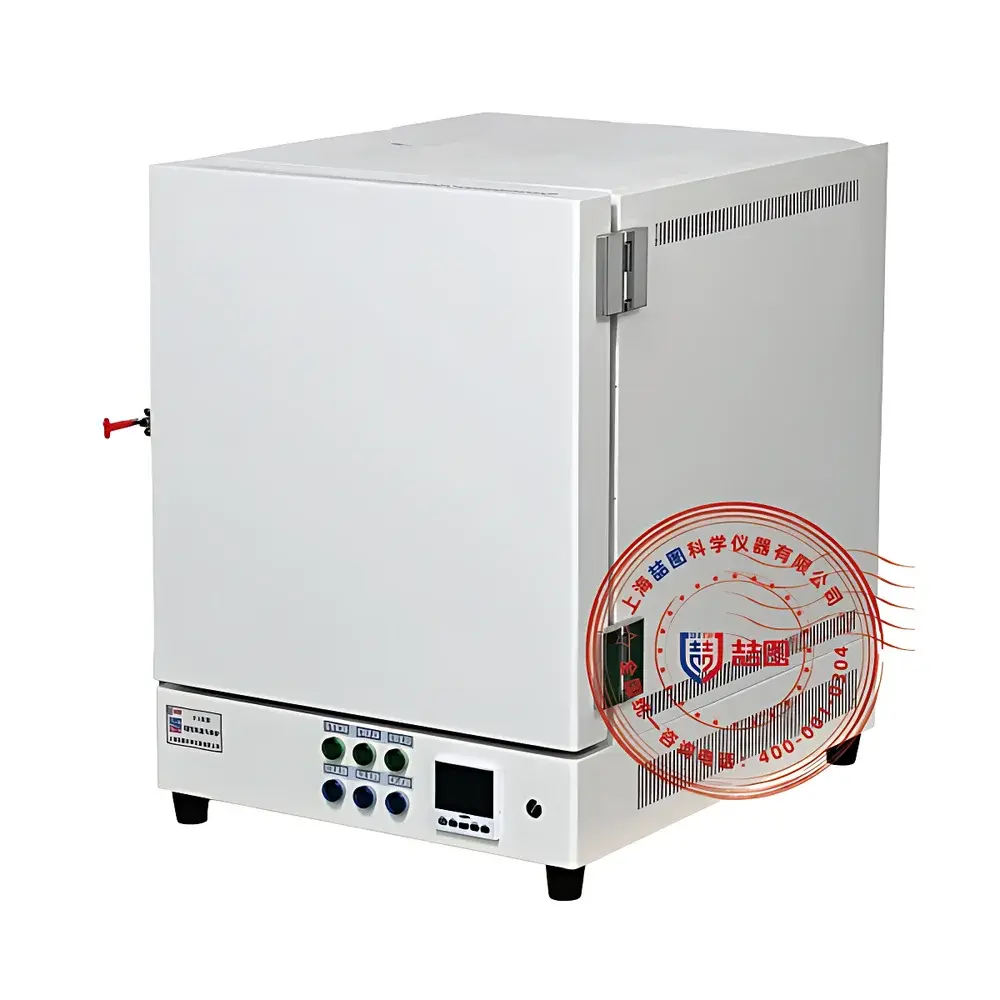
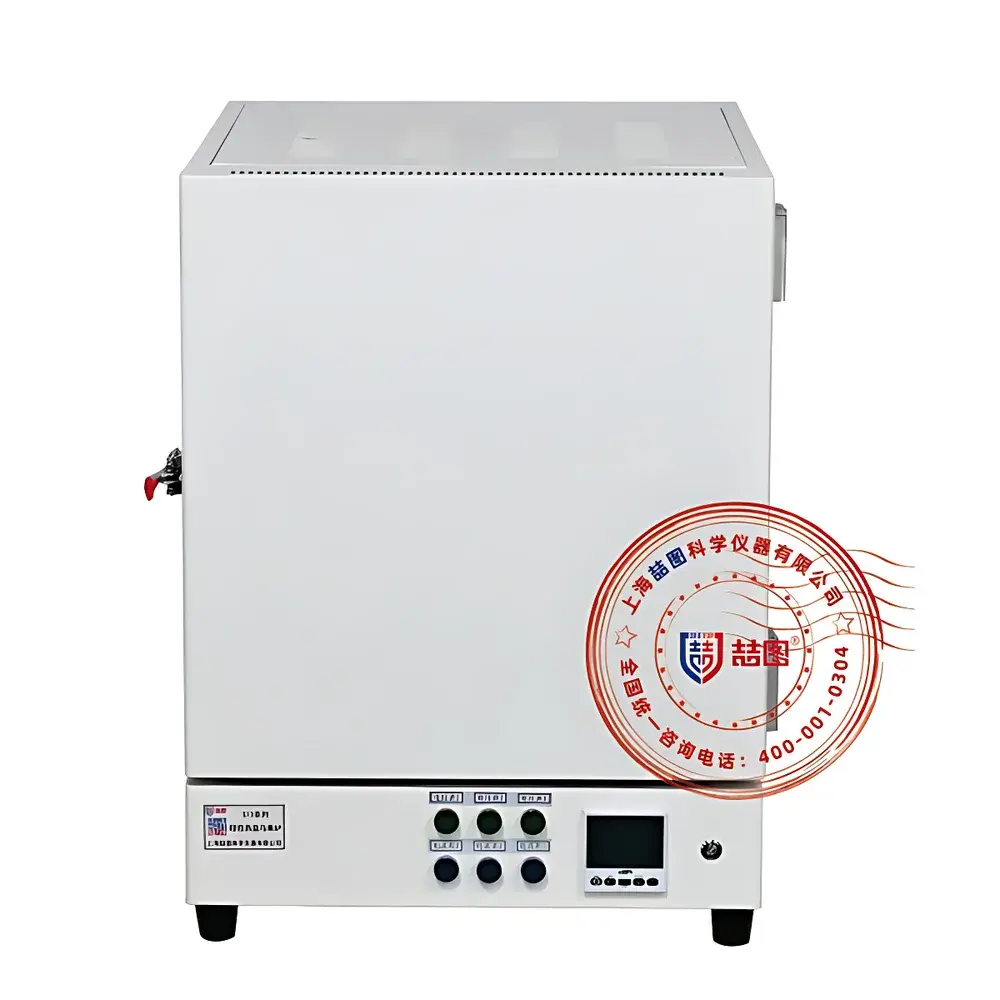
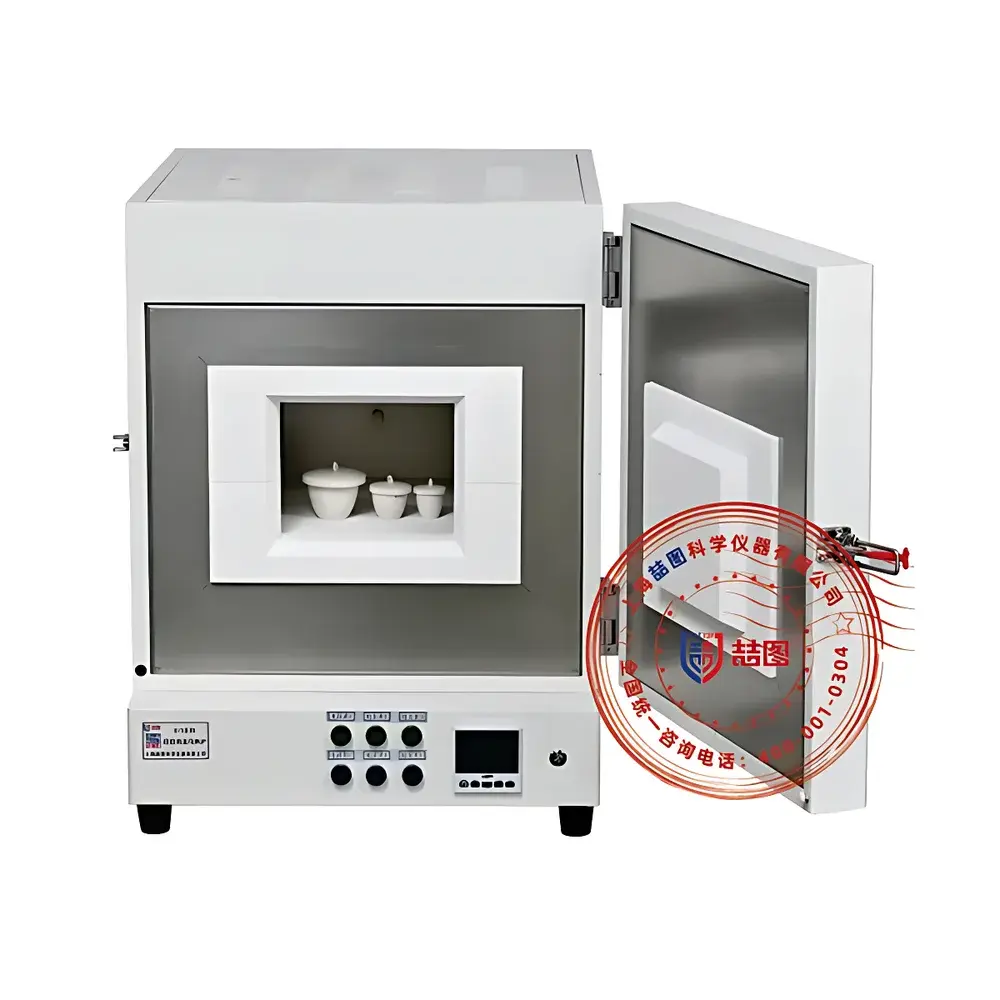
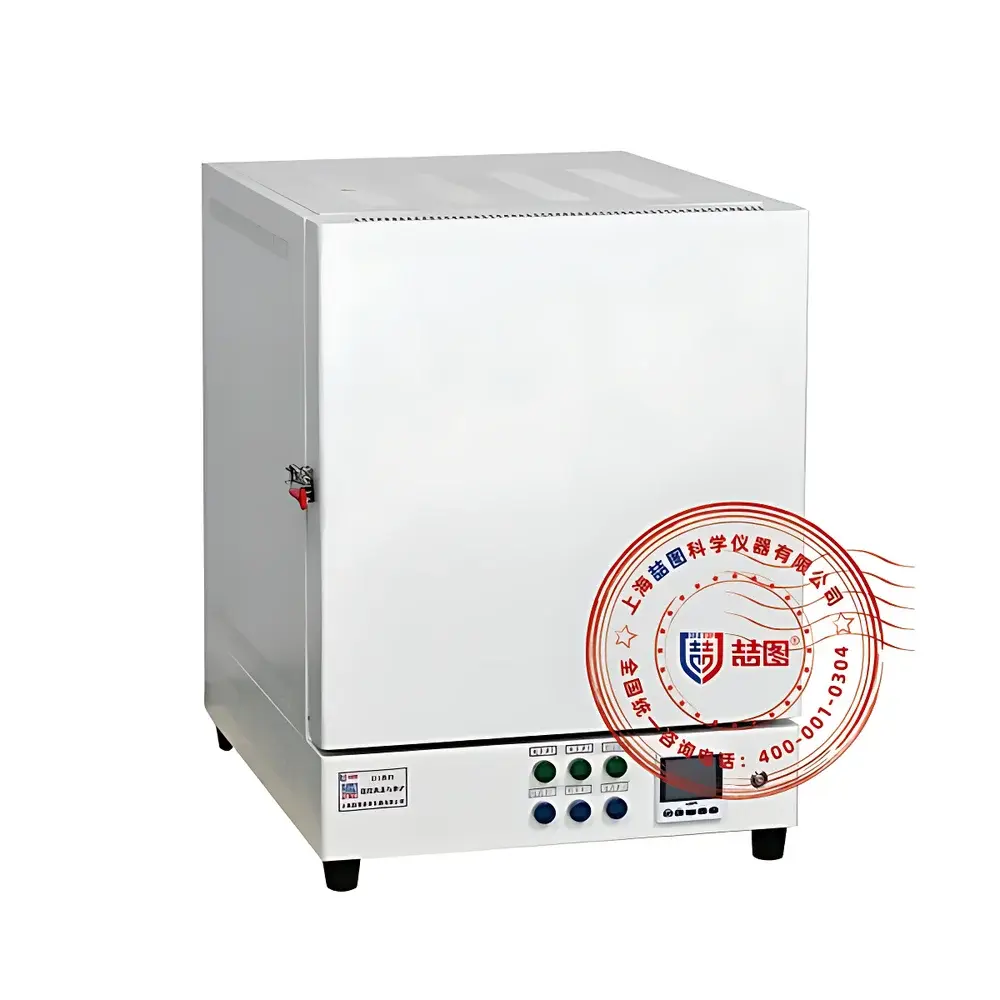
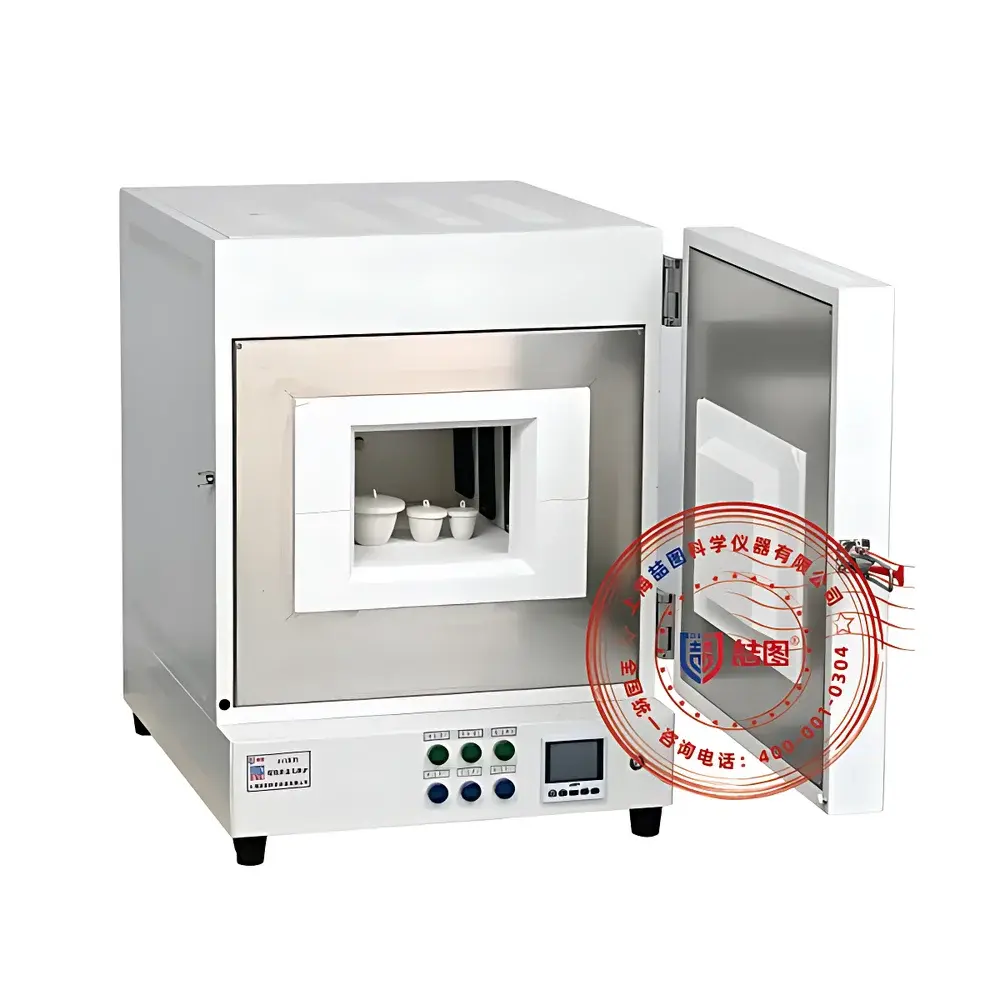
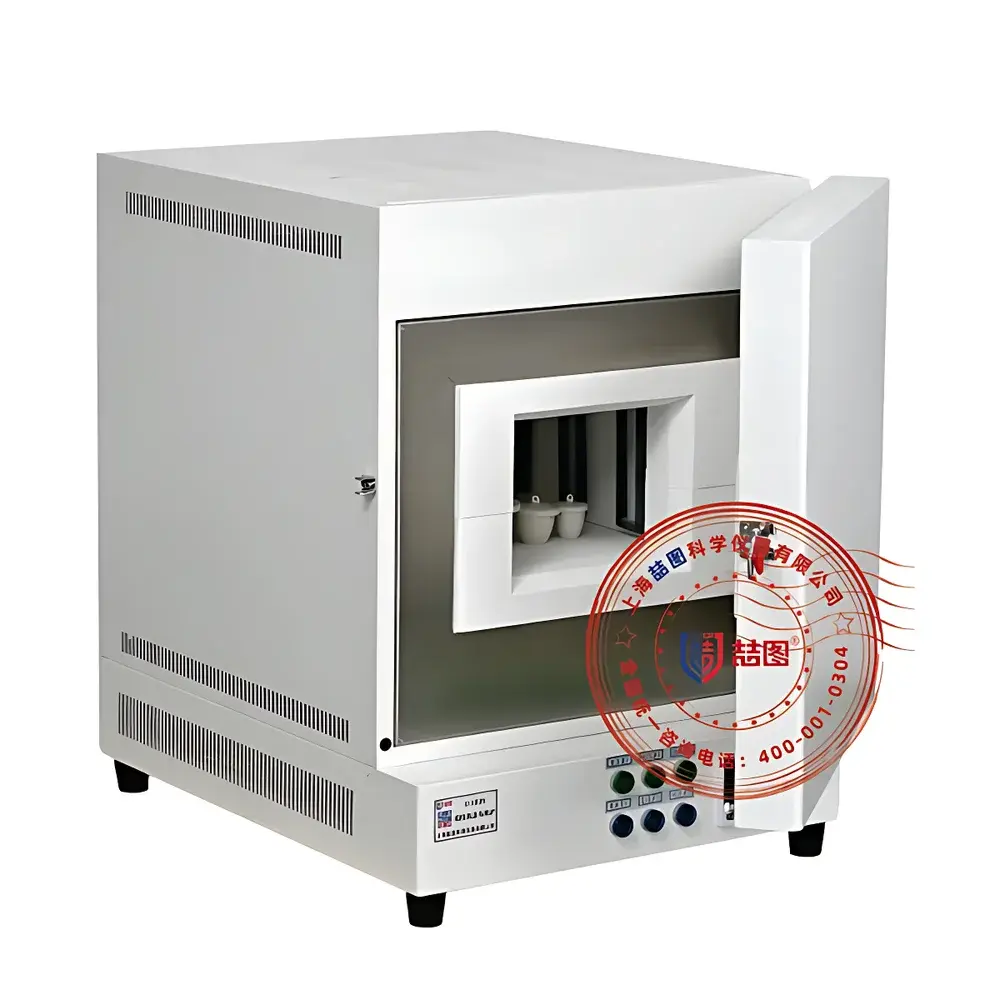
DRETOP S14-4PV Programmable High-Temperature Muffle Furnace
| Brand | DRETOP |
|---|---|
| Origin | Shanghai, China |
| Manufacturer Type | Direct Manufacturer |
| Product Category | Domestic |
| Model | S14-4PV |
| Instrument Type | Box-Type Muffle Furnace |
| Maximum Temperature | 1400 °C |
| Temperature Control Accuracy | ±1 °C |
| Rated Power | 5 kW |
| Heating Time to Max Temperature | 60 min |
| Heating Element | Silicon Carbide Rods |
| Internal Chamber Dimensions | 150 × 250 × 100 mm |
| Control System | Industrial-Grade Color Touchscreen Controller |
| Nominal Chamber Volume | 4 L |
Overview
The DRETOP S14-4PV Programmable High-Temperature Muffle Furnace is a precision-engineered box-type thermal processing instrument designed for repeatable, programmable heat treatment under controlled atmospheric conditions. It operates on the principle of resistive heating via silicon carbide (SiC) rod elements embedded in a triple-wall radiant configuration, enabling uniform thermal distribution across the chamber. The furnace achieves stable operation up to 1400 °C and is engineered for applications requiring strict thermal profiles—including ashing, calcination, sintering, annealing, and pre-treatment of analytical samples. Its architecture complies with fundamental thermal safety and metrological requirements for laboratory-grade thermal instrumentation, supporting traceable process execution in regulated environments.
Key Features
- Triple-wall radiant heating design ensures exceptional temperature uniformity (±3 °C at 1400 °C across the working zone), critical for reproducible material characterization and compositional analysis.
- Intelligent PID control with auto-tuning capability and dual-stage deviation alarm (upper/lower limit, positive/negative error), delivering ±1 °C steady-state accuracy over extended dwell periods.
- Integrated door interlock system: power cutoff upon door opening and automatic resumption after closure—enabling safe, interruption-free sample handling without manual reset.
- Vacuum-microporous ceramic fiber insulation reduces thermal mass and improves energy efficiency; combined with 2 cm stainless-steel inner flange sealing, it minimizes oxidation residue accumulation and simplifies post-run cleaning.
- Robust mechanical construction includes phosphate-treated steel housing with high-temp epoxy coating, reinforced ceramic fiber chamber assembly, and precision-machined refractory door gasketing to prevent thermal deformation after repeated cycling.
- Real-time environmental temperature compensation algorithm dynamically adjusts ramp initiation parameters, reducing time-to-target by up to 12% compared to fixed-offset controllers.
Sample Compatibility & Compliance
The S14-4PV accommodates standard crucibles (alumina, quartz, platinum, and graphite) and supports batch processing of solid samples ≤4 L volume. It is routinely deployed in ASTM E171 (standard practice for conditioning plastics), ISO 5660-1 (fire testing – heat release rate), USP (residue on ignition), and EPA Method 2540B (total solids and ash content). Its thermal stability and programmability meet GLP documentation requirements when paired with optional RS485/USB data logging and audit-trail-capable software (e.g., DRETOP LabControl Suite v3.2). All electrical components conform to IEC 61000-4 electromagnetic compatibility standards and UL 61010-1 safety certification criteria for laboratory equipment.
Software & Data Management
The embedded color touchscreen controller provides intuitive access to multi-step thermal programs (up to 30 segments), real-time curve visualization, and password-protected engineering-level parameter modification. Optional firmware upgrades enable CSV export via USB, Modbus RTU over RS485, and remote monitoring through Ethernet-enabled gateways. When integrated with DRETOP’s LabControl Suite, the furnace supports FDA 21 CFR Part 11–compliant electronic records—including user authentication, change history logs, and digital signature validation for SOP-driven workflows. Data integrity is preserved via non-volatile memory retention during power loss and timestamped event logging (door open/close, alarm triggers, setpoint changes).
Applications
- Coal and coke analysis: moisture, ash, volatile matter, fusibility, and elemental determination per ASTM D3172–D3176 and ISO 1171.
- Pharmaceutical QC: residue on ignition (USP ), loss on drying (USP ), and excipient thermal stability screening.
- Environmental testing: total suspended solids (TSS), total dissolved solids (TDS), and heavy metal recovery from digested sludge per EPA 3010A and 3050B.
- Materials science: sintering of ceramics and metal oxides, annealing of thin-film substrates, and thermal gravimetric pre-conditioning prior to SEM-EDS or XRD analysis.
- Geochemical and cement testing: LOI (loss on ignition) in clinker, limestone, and fly ash per ASTM C114 and EN 196-2.
FAQ
What is the maximum recommended continuous operating temperature?
The S14-4PV is rated for continuous operation at 1350 °C; 1400 °C is specified as the absolute upper limit for short-duration (≤30 min) thermal profiling.
Can inert gas purging be implemented?
Yes—optional inert gas inlet valve (N₂ or Ar) with integrated flow meter enables controlled atmosphere operation; compatible with standard 6 mm OD stainless-steel tubing.
Is the furnace suitable for GMP-regulated laboratories?
When configured with audit-trail-enabled software, calibrated thermocouples (Type S, NIST-traceable), and IQ/OQ documentation packages, it fulfills core GMP Annex 15 and EU GMP Chapter 4 requirements for thermal equipment qualification.
How is temperature uniformity verified and documented?
DRETOP provides a factory-generated temperature mapping report (per ASTM E2203) covering nine-point spatial validation at 800 °C, 1100 °C, and 1350 °C, included with each unit shipment.
What maintenance intervals are recommended for silicon carbide heating elements?
Under typical usage (≤8 h/day, ≤1350 °C), SiC rods maintain nominal resistance for ≥3000 h; visual inspection and resistance measurement every 500 h are advised to detect early-stage degradation.



