

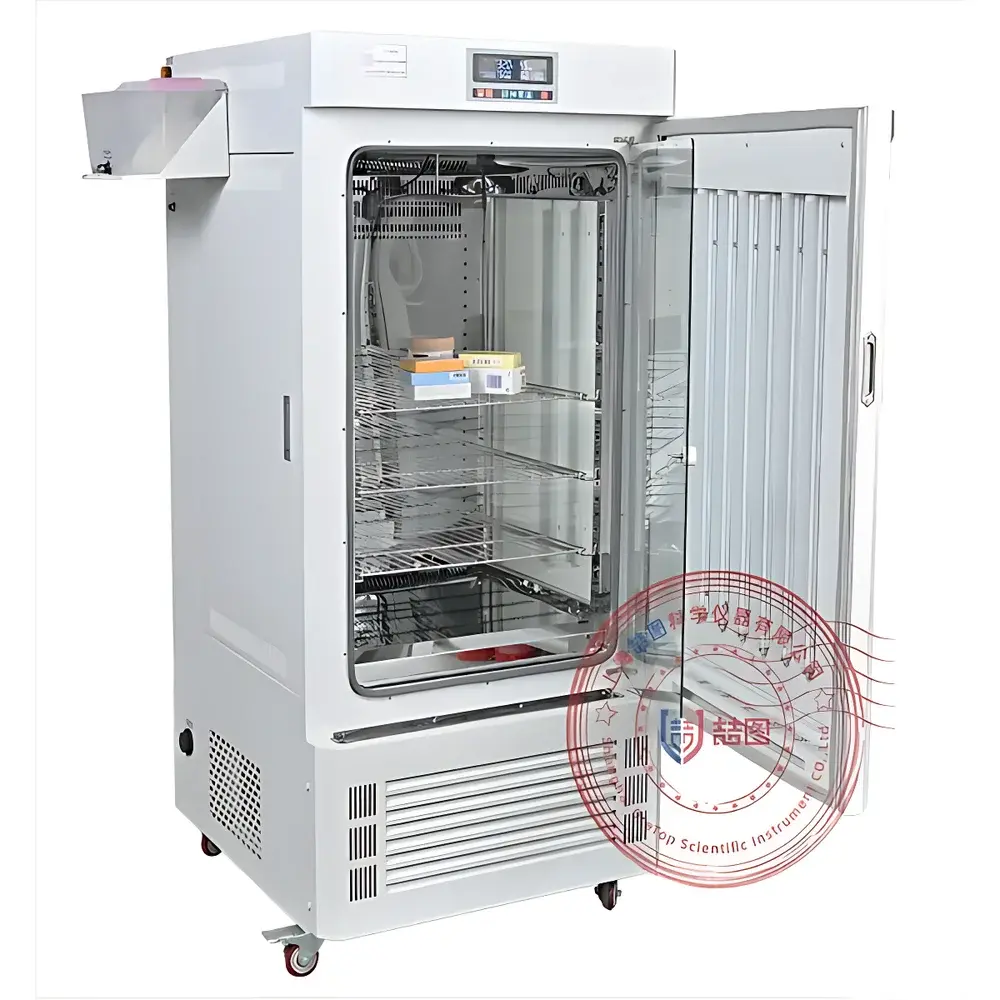
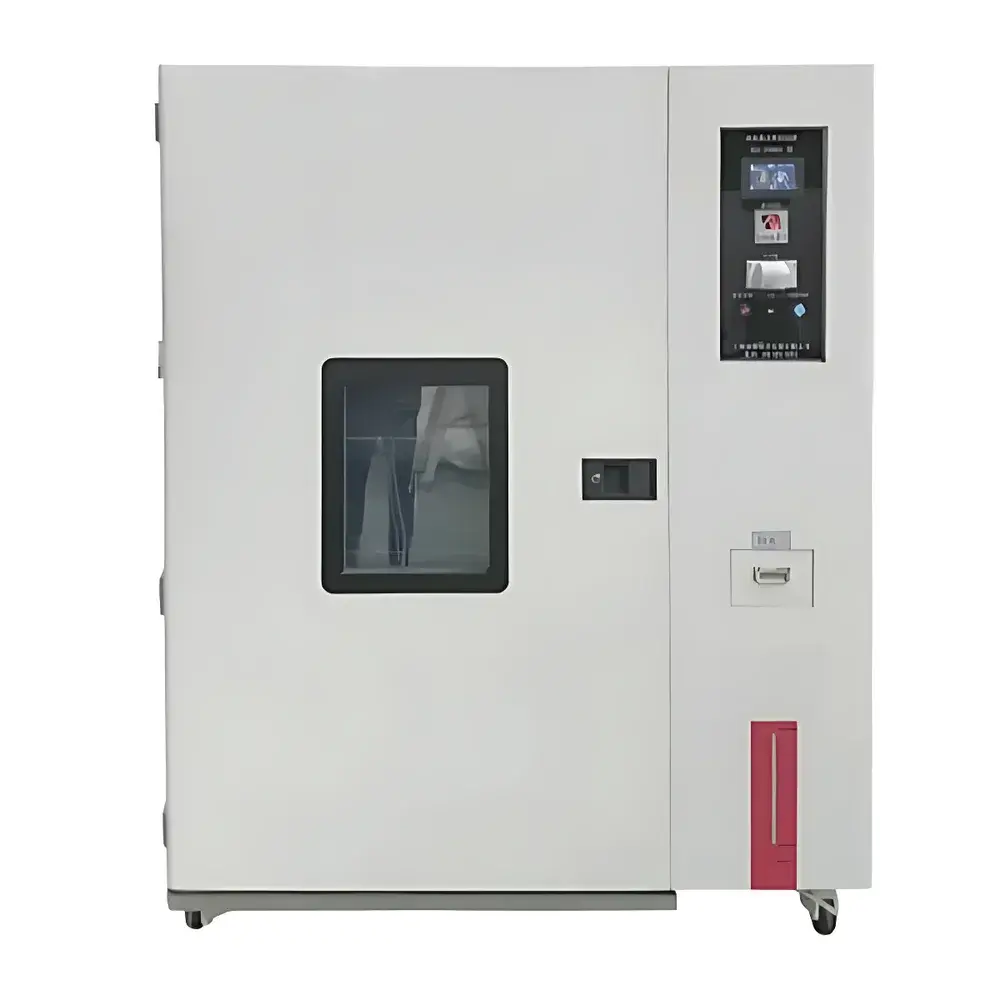
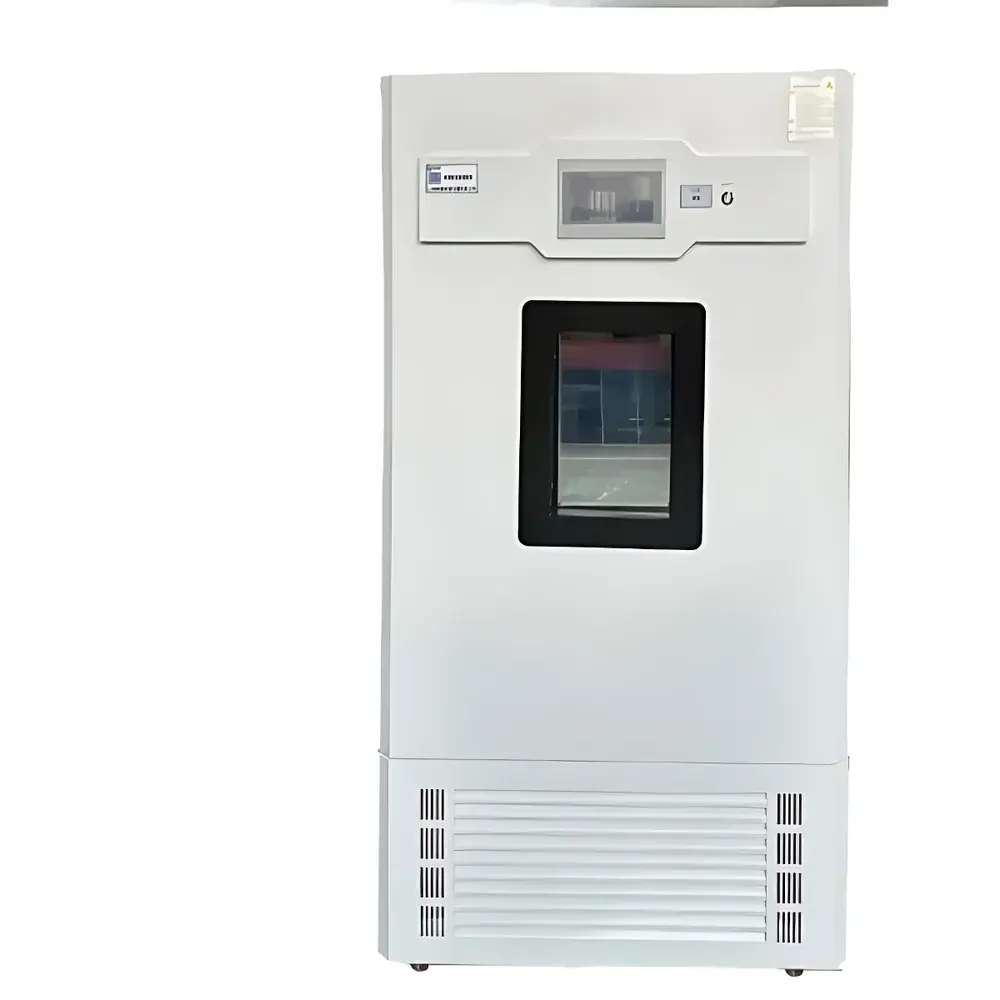
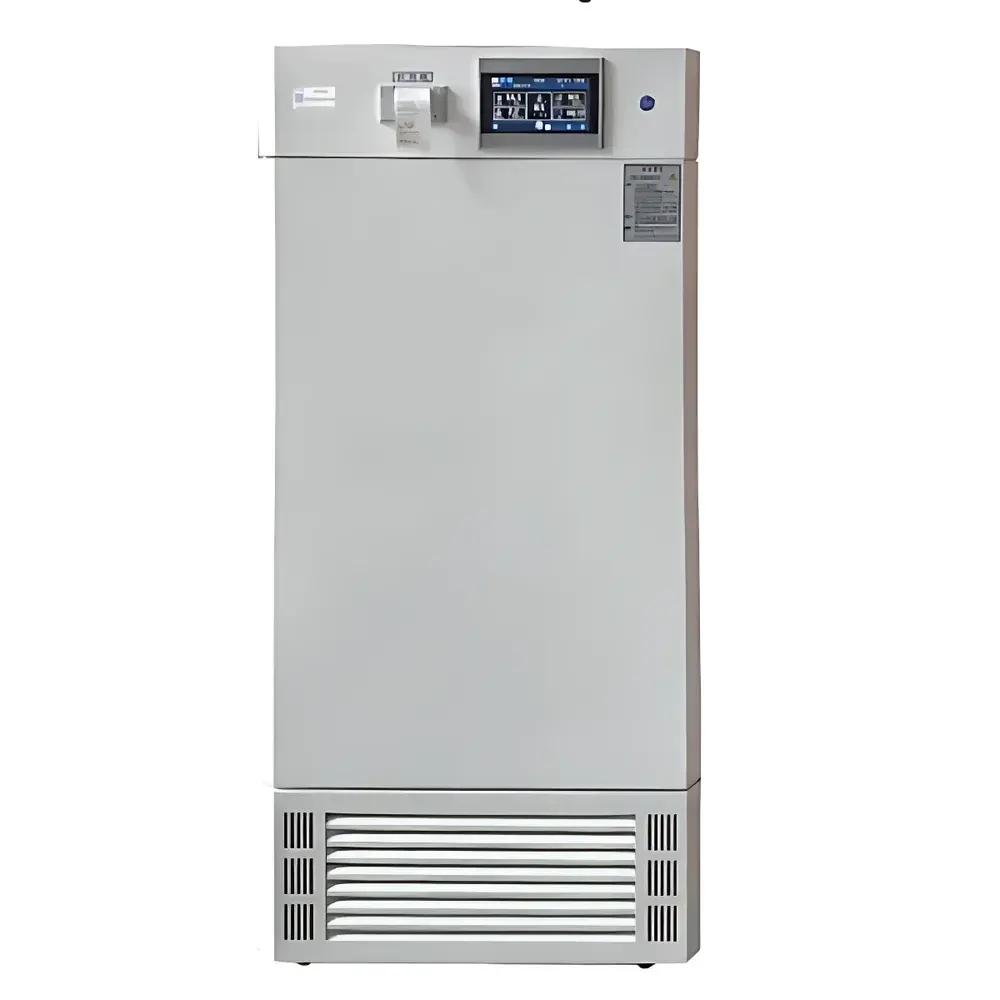
DRETOP STA-Tri-250S-II Comprehensive Drug Stability Testing Chamber
| Brand | DRETOP |
|---|---|
| Origin | Shanghai, China |
| Manufacturer Type | Direct Manufacturer |
| Country of Origin | China |
| Model | STA-Tri-250S-II |
| Price Range | USD 7,000 – 12,500 |
Overview
The DRETOP STA-Tri-250S-II Comprehensive Drug Stability Testing Chamber is an ICH-aligned environmental simulation system engineered for regulatory-compliant stability studies of pharmaceutical products and drug substances. It implements a tri-variable control architecture—precisely regulating temperature (0–65 °C), relative humidity (30–95 %RH, optionally extendable to 20–98 %RH), and photometric irradiance (0–25,000 lx)—in accordance with ICH Q1A(R2), Q5C, and Q5D guidelines. Designed for continuous operation over extended durations (e.g., 12-month long-term storage at 25 °C ± 2 °C / 60 %RH ± 5 %RH or 6-month accelerated testing at 40 °C ± 2 °C / 75 %RH ± 5 %RH), the chamber integrates dual-compressor refrigeration, independent PID-controlled humidification, and triple-spectrum LED illumination to replicate real-world climatic stressors. Its structural integrity, data traceability framework, and GMP-aligned operational logic make it suitable for GLP/GMP environments in pharmaceutical R&D, QC laboratories, and contract development and manufacturing organizations (CDMOs).
Key Features
- Dual-Compressor Redundancy System: Two hermetically sealed eco-friendly compressors operate in alternating mode with automatic load balancing—ensuring uninterrupted operation during compressor maintenance, eliminating single-point failure risk, and extending mean time between failures (MTBF) beyond 100,000 hours.
- Independent Humidity Control Architecture: Dedicated heating/humidifying module decoupled from thermal regulation minimizes cross-interference, improves energy efficiency by up to 22%, and maintains ±3–5 %RH deviation across full operating range.
- Triple-Spectrum Illumination System: Configurable LED array delivering UV (320–400 nm), visible (400–760 nm), and near-infrared (760–1000 nm) bands with digital irradiance adjustment (0–25,000 lx); supports ICH Q1B photo-stability protocols including “near-UV” and “cool white fluorescent” conditions.
- GMP-Ready Touch Interface: 7-inch color capacitive touchscreen with bilingual (English/Chinese) UI, three-tier user permission management (Operator/Administrator/Engineer), and built-in audit trail compliant with FDA 21 CFR Part 11 requirements.
- High-Fidelity Environmental Uniformity: Forced-air convection with centrifugal blower ensures ±1.5 °C temperature uniformity and ±3 %RH spatial consistency throughout the 250 L stainless-steel 304 chamber (W580 × D500 × H850 mm).
Sample Compatibility & Compliance
The STA-Tri-250S-II accommodates diverse sample formats—including vials, blister packs, ampoules, syringes, and primary packaging—via adjustable stainless-steel shelves (4 positions, max load 30 kg per shelf). Its IP54-rated door seal, silicone gasket, and rounded internal corners meet ISO 14644-1 Class 8 cleanroom compatibility criteria and support routine cleaning validation per EU Annex 1 and USP . All materials in contact with test samples comply with USP Class VI biocompatibility standards. The chamber is manufactured per GB/T 10586–2006 and validated against ICH Q5C thermal mapping protocols; optional CNAS-accredited calibration certificates cover temperature points (0 °C, 40 °C, 60 °C) and humidity points (15 °C/40 %RH, 20 °C/60 %RH) with accuracy of ±0.5 °C / ±2 %RH.
Software & Data Management
Embedded firmware supports up to 999 multi-segment programs (100 segments per program), each configurable with ramp/soak profiles, light intensity schedules, and humidity setpoint transitions. Real-time data logging captures timestamped temperature, humidity, irradiance, alarm events, and operator actions at user-defined intervals (1–600 seconds). Data export is supported via USB drive in CSV and Excel formats, preserving metadata (user ID, event type, parameter change history) required for ALCOA+ compliance. Optional RS485 Modbus RTU interface enables integration with LIMS, MES, or SCADA systems. The optional cloud-based remote monitoring platform provides encrypted web access, push notifications, and over-the-air firmware updates—fully compatible with TLS 1.2 and OAuth 2.0 authentication.
Applications
- ICH Q1A(R2)-compliant long-term, accelerated, and intermediate stability studies for APIs and finished dosage forms.
- Photo-stability testing per ICH Q1B under both “option 1” (near-UV + visible) and “option 2” (cool white fluorescent) conditions.
- Accelerated aging of polymer-based packaging materials and container-closure systems.
- Stability assessment of biologics, vaccines, and mRNA formulations under controlled humidity and thermal cycling.
- Environmental stress screening for formulation development and excipient compatibility evaluation.
FAQ
Does the STA-Tri-250S-II support 21 CFR Part 11 compliance?
Yes—the system includes electronic signature capability, role-based access control, immutable audit trails, and secure data export features fully aligned with FDA 21 CFR Part 11 requirements.
What is the maximum allowable ambient temperature for continuous operation?
The chamber is rated for ambient temperatures up to 32 °C at 60 %RH; performance specifications assume installation in climate-controlled laboratory spaces meeting ISO 14644-1 Class 8 or better.
Can the lighting spectrum be customized for specific photodegradation studies?
Yes—optional multi-spectral LED modules allow independent intensity control of UV, visible, and NIR bands, enabling simulation of solar spectral distribution or targeted wavelength exposure.
Is IQ/OQ/PQ documentation included with purchase?
A complete GMP 3Q Validation Kit (including IQ/OQ/PQ templates, test protocols, and execution checklists) is available as an optional accessory (code: GM) and supports seamless integration into client quality management systems.
How does the dual-compressor system handle condensate management?
The alternating operation cycle minimizes continuous condensation buildup; integrated auto-defrost logic prevents ice accumulation on evaporator coils while maintaining chamber setpoints within tolerance during defrost cycles.





