
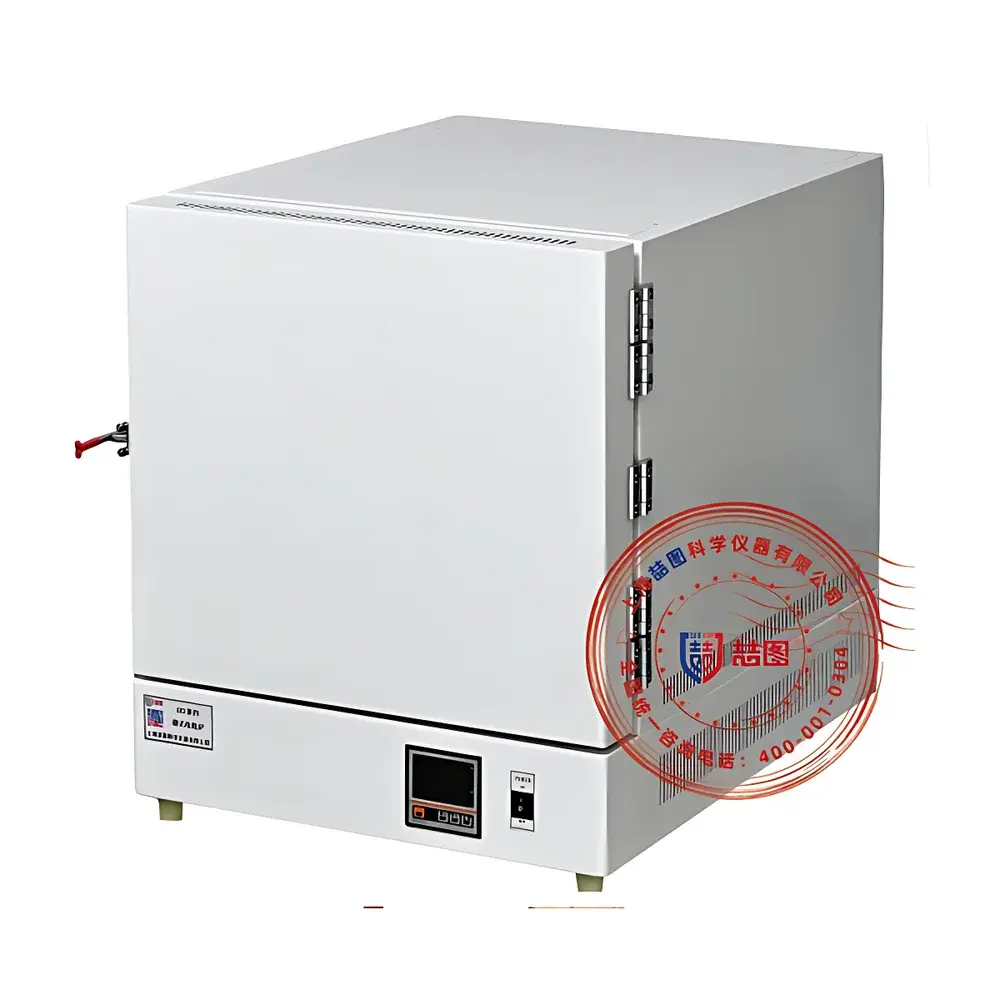
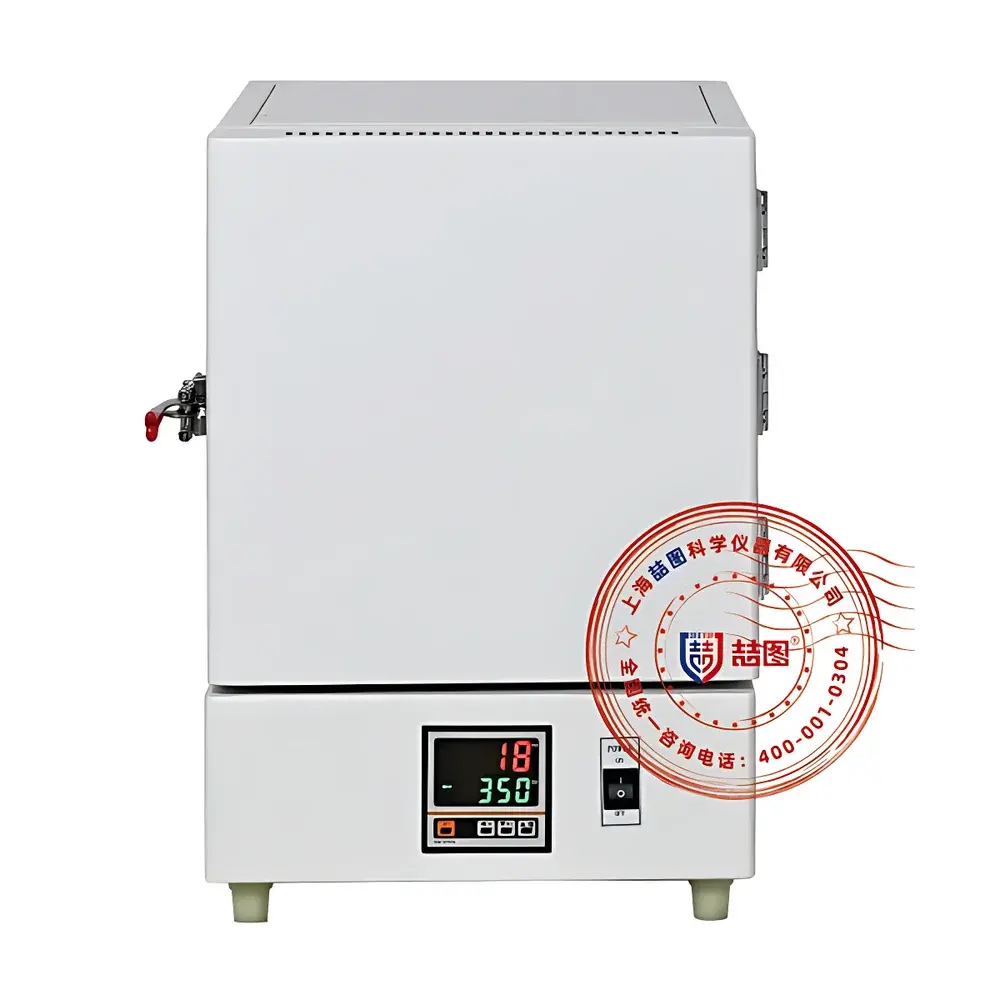
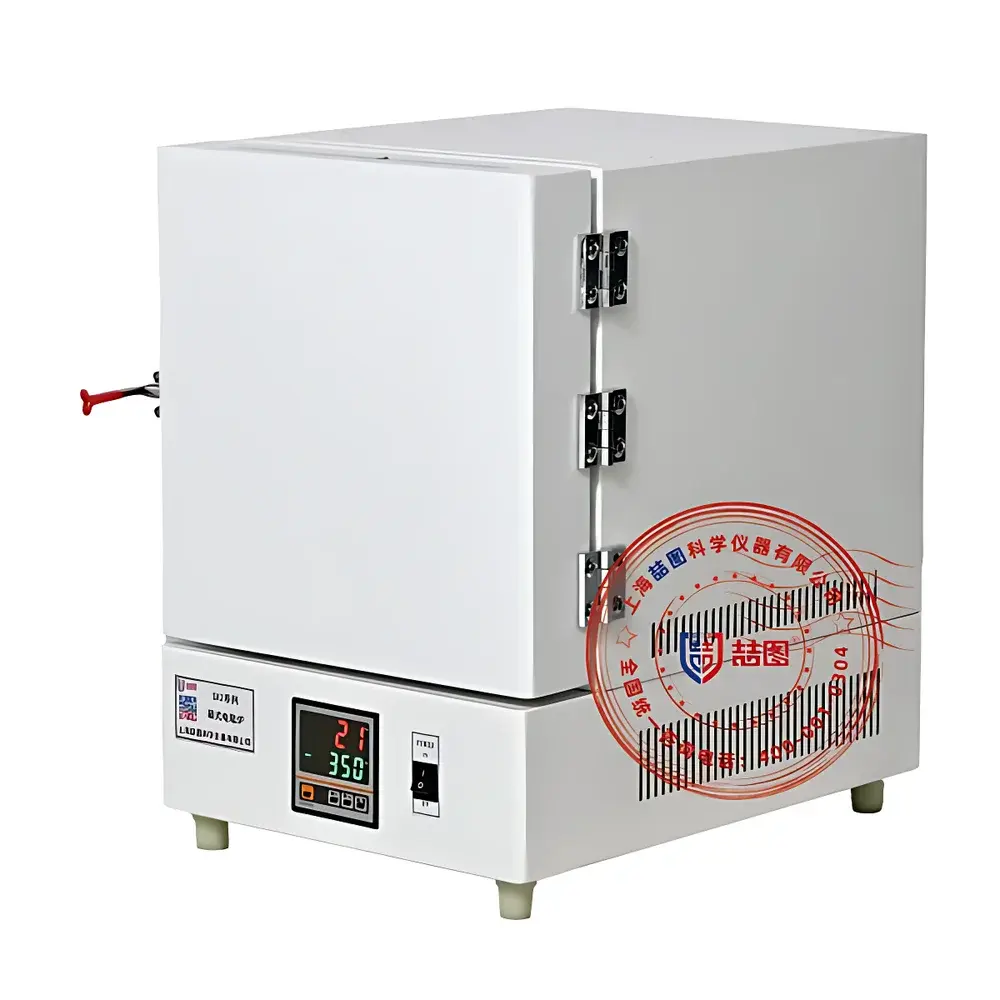
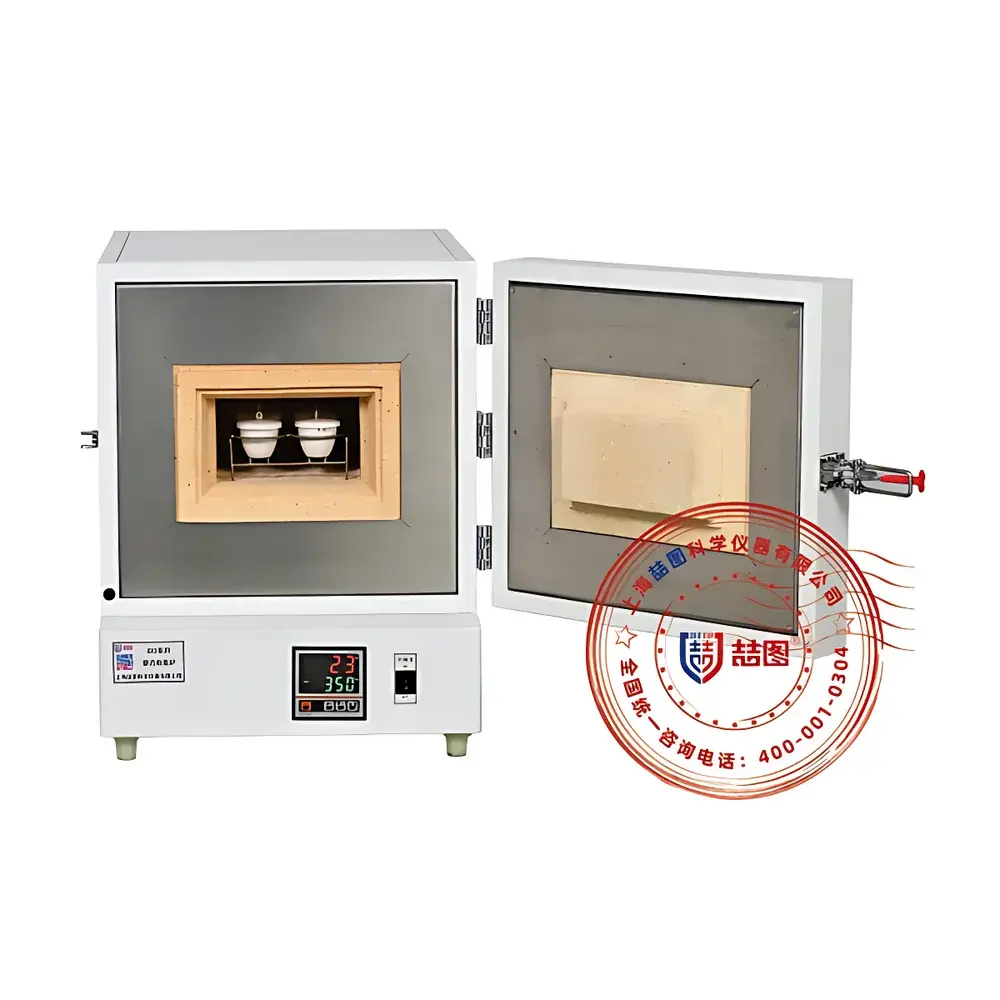
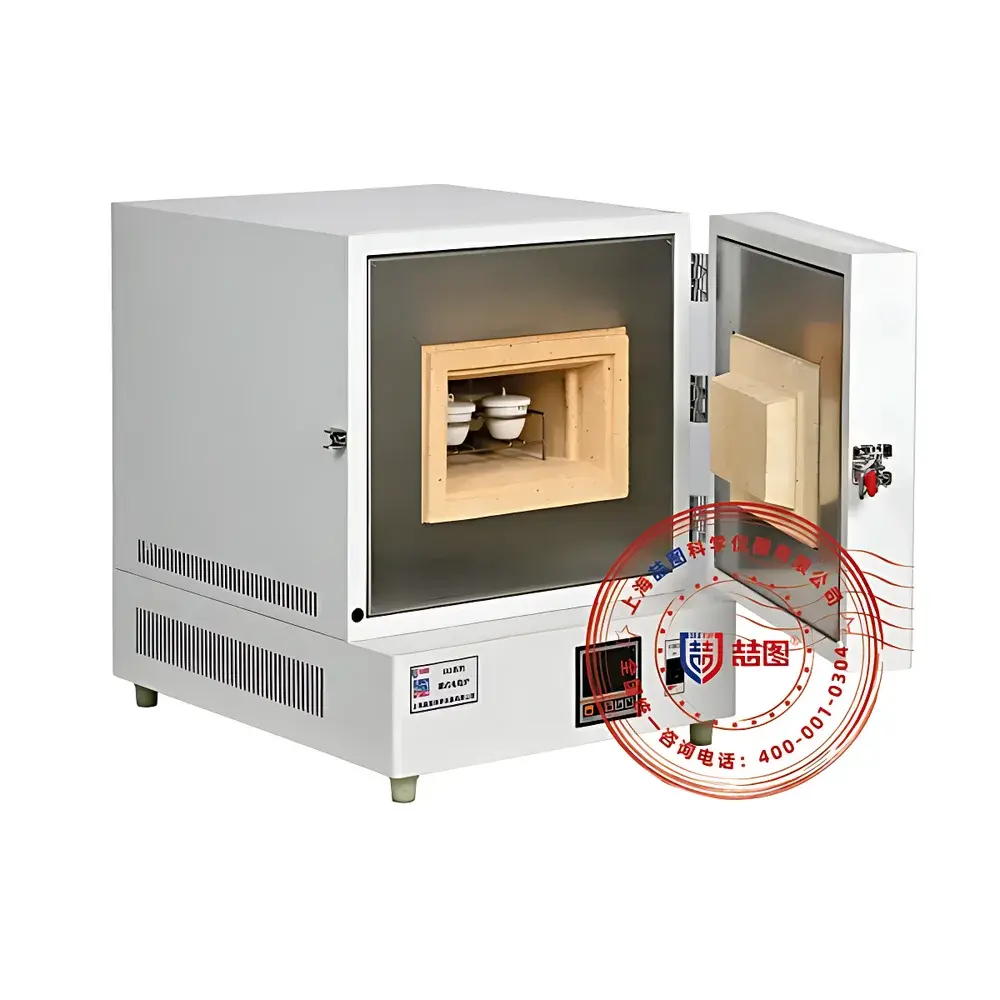
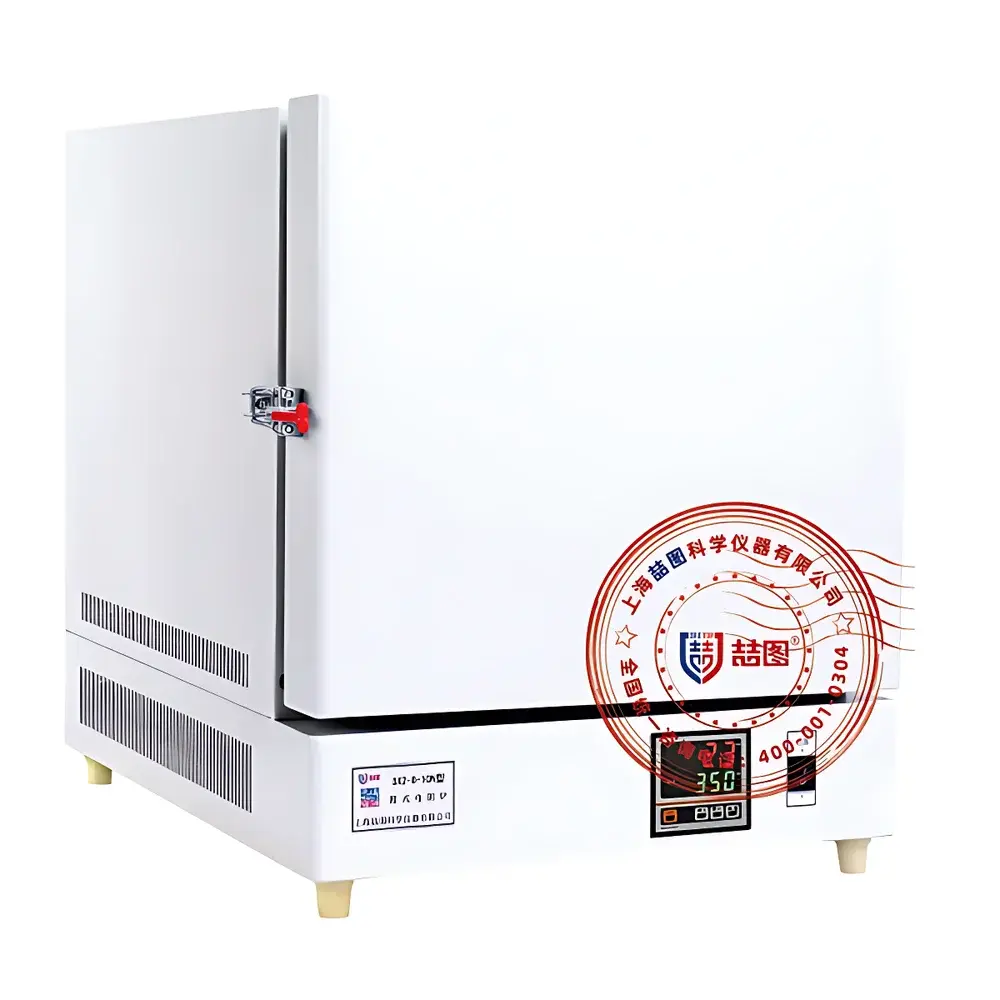
DRETOP SX2-12-10N Refractory Brick Box-Type Resistance Furnace
| Brand | DRETOP |
|---|---|
| Origin | Shanghai, China |
| Manufacturer Type | Direct Manufacturer |
| Product Category | Domestic |
| Model | SX2-12-10N |
| Instrument Type | Box Furnace |
| Maximum Temperature | 1000°C |
| Temperature Control Accuracy | ±1°C |
| Rated Power | 12 kW |
| Heating Time to Max Temp | 50 min |
| Heating Element | Nichrome Wire |
| Internal Dimensions (W×D×H) | 300 × 500 × 200 mm |
| Control System | Microcomputer-based PID Controller |
| Nominal Chamber Volume | 30 L |
Overview
The DRETOP SX2-12-10N is a robust, bench- and floor-standing box-type resistance furnace engineered for precise high-temperature thermal processing in research laboratories, quality control environments, and industrial R&D settings. Operating on Joule heating principles—where electrical energy is converted into thermal energy via resistive nichrome wire elements—the furnace delivers stable, repeatable heat treatment across its 30 L refractory brick-lined chamber. Designed for applications requiring controlled heating, soaking, and cooling cycles—including ash content determination (ASTM D3174, ISO 1171), loss-on-ignition (LOI) analysis, calcination of catalysts, pre-sintering of ceramics, and thermal stability testing of polymers and composites—the SX2-12-10N conforms to fundamental thermal processing requirements under GLP-compliant workflows. Its maximum operating temperature of 1000°C and ±1°C control accuracy meet the performance thresholds specified in ASTM E1142 (Standard Terminology Relating to Thermal Analysis) and support method validation per USP and ISO/IEC 17025.
Key Features
- Refractory brick chamber construction ensures superior thermal insulation, low heat loss, and long-term dimensional stability at elevated temperatures—critical for maintaining consistent thermal profiles during multi-hour hold cycles.
- Four-sided heating configuration with helically wound nichrome wire elements embedded in the chamber walls enables uniform radial and axial temperature distribution (±3°C typical uniformity across working zone at 1000°C, measured per IEC 60584-2).
- Microprocessor-based PID controller with large-digit LED display provides intuitive setpoint entry, real-time temperature readout, and programmable ramp-soak profiles (up to 30 segments), supporting automated thermal protocols compliant with ASTM E2070.
- Dual-stage overtemperature protection includes independent mechanical limit switch and digital overtemp cutoff, integrated with automatic power cut-off upon door opening—a safety-critical feature required under EN 61000-6-4 (EMC) and UL 746A (polymeric material safety).
- Structural design incorporates phosphate-conversion coated steel housing with high-temp epoxy powder coating, corrosion-resistant stainless-steel inner flange (2 mm thickness), and reinforced ceramic fiber door gasket to minimize thermal leakage and ensure >10,000-cycle mechanical durability.
- Integrated voltage and current meters enable real-time monitoring of electrical load conditions—facilitating preventive maintenance and alignment with IEEE 1188 guidelines for laboratory power system integrity.
Sample Compatibility & Compliance
The SX2-12-10N accommodates standard crucibles (alumina, silica, platinum, or graphite) up to Ø90 mm × 80 mm height, as well as flat-bottomed ceramic boats and custom fixtures compatible with its 300 × 500 × 200 mm internal cavity. It supports inert-atmosphere modifications via optional N₂ inlet valve (ISO 8502-9 compliant gas purging) and exhaust chimney integration (EN 14175-3 fume hood interface). The furnace meets CE marking requirements (2014/30/EU EMC Directive and 2014/35/EU Low Voltage Directive), complies with RoHS 2011/65/EU material restrictions, and is designed to operate within Class II laboratory electrical infrastructure per IEC 61000-3-2 harmonic emission limits. Its control architecture supports audit-trail-capable data logging when paired with optional RS485 interface and third-party SCADA systems compliant with FDA 21 CFR Part 11 Annex 11 requirements.
Software & Data Management
While the base N-series model operates via standalone PID controller without embedded software, optional NC-series color touchscreen variants provide local data visualization—including real-time temperature curves, historical trend recall (72-hr buffer), and user-defined alarm logging. All programmable models store up to 10 independent thermal profiles with timestamped execution records. When connected via RS485 to external PCs running compliant LIMS or ELN platforms (e.g., LabWare, Thermo Fisher SampleManager), the furnace supports bidirectional command transmission, automated report generation, and electronic signature-enabled protocol execution—fully traceable for ISO/IEC 17025 accreditation audits.
Applications
- Coal and coke analysis: ash fusion temperature determination (ASTM D1857), volatile matter quantification (ASTM D3175), and fixed carbon calculation.
- Cement and mineral processing: LOI testing of clinker, gypsum dehydration kinetics, and raw meal homogeneity evaluation.
- Pharmaceutical development: excipient thermal degradation profiling, residual solvent removal validation, and API crystallinity assessment (per ICH Q1A–Q1E).
- Materials science: pre-oxidation of metal powders, binder burnout in MIM feedstocks, and thermal cycling endurance tests for aerospace composites.
- Environmental testing: TGA-style residue quantification in soil/sediment samples (EPA Method 9081), and microplastic thermal decomposition screening.
FAQ
What is the recommended maintenance interval for the heating elements?
Nichrome wire elements require visual inspection every 200 operational hours; replacement is advised after 5,000 cumulative hours at ≤900°C or 3,000 hours at 1000°C, per manufacturer’s accelerated life testing data.
Can this furnace be used under vacuum or controlled atmosphere?
The standard SX2-12-10N is not vacuum-rated; however, optional N₂ purge capability (with pressure-regulated inlet valve and exhaust chimney) enables inert-gas processing up to 0.1 bar overpressure—sufficient for oxidation-sensitive sintering and carbon-free calcination.
Is the temperature uniformity validated and documented?
Yes—each unit undergoes factory calibration using NIST-traceable thermocouples at nine spatial points (per ASTM E220); a Certificate of Conformance including uniformity deviation at 500°C, 800°C, and 1000°C is supplied with shipment.
Does the controller support remote monitoring via Ethernet or Wi-Fi?
The base PID controller does not include network connectivity; however, the NC-series touchscreen variant supports Modbus TCP over Ethernet (RJ45 port), enabling integration into building management systems (BMS) and centralized lab monitoring networks.
What safety certifications does the furnace carry?
The unit bears CE marking, complies with EN 61000-6-2/6-4 (immunity/emission), and conforms to UL/CSA 61010-1:2012 Third Edition for laboratory electrical equipment—covering dielectric strength, creepage/clearance, and protective earth continuity requirements.



