
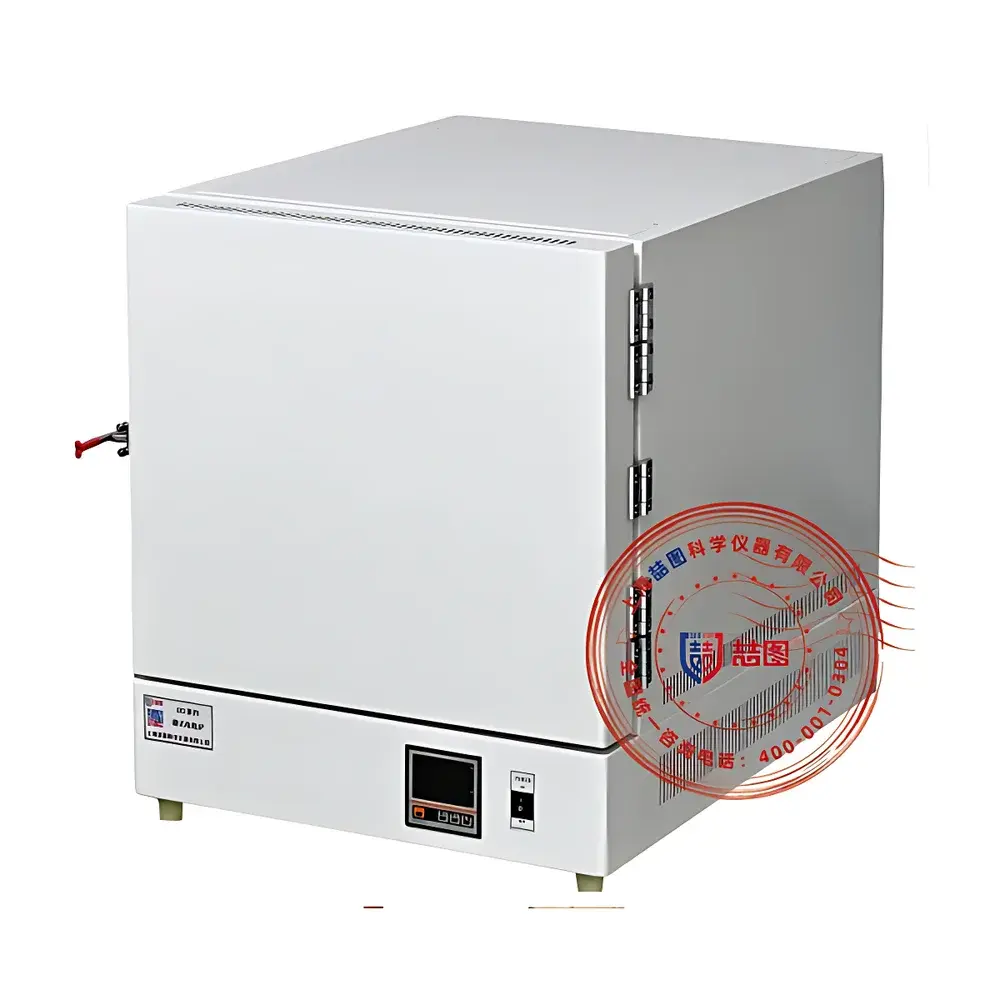
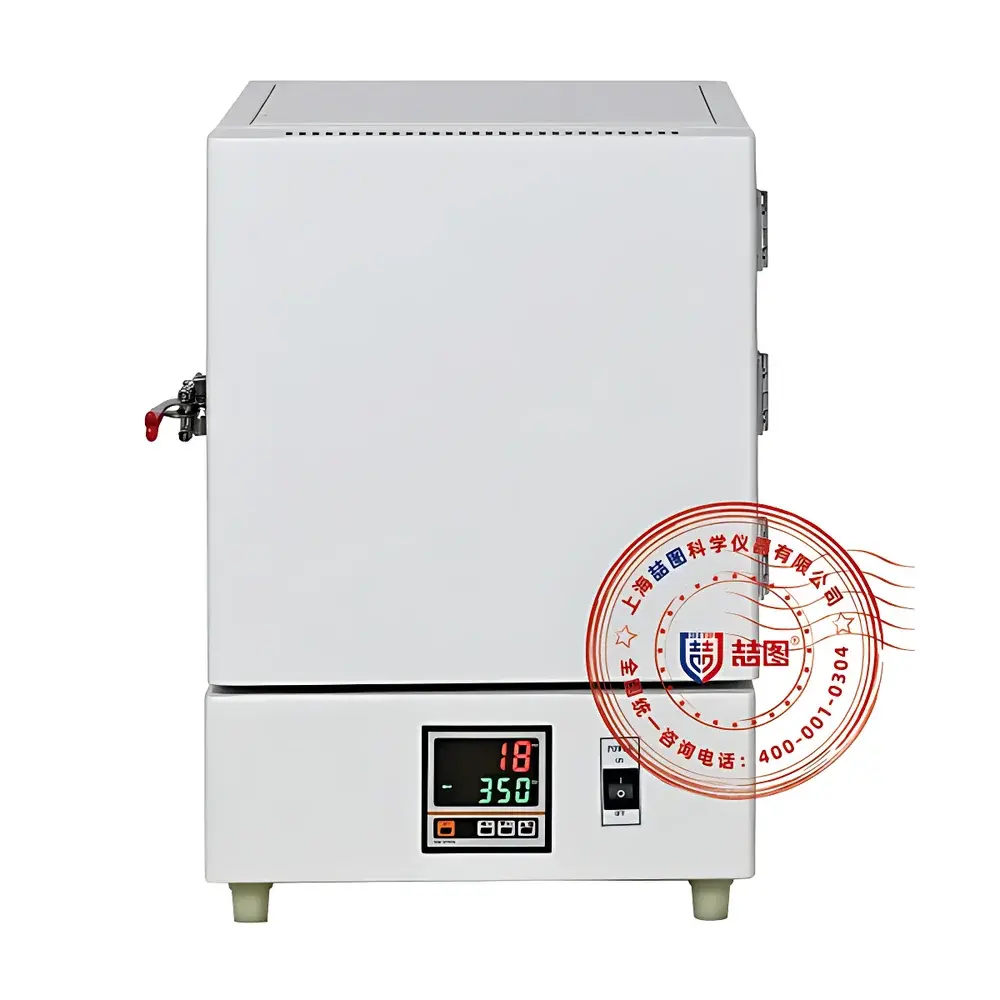
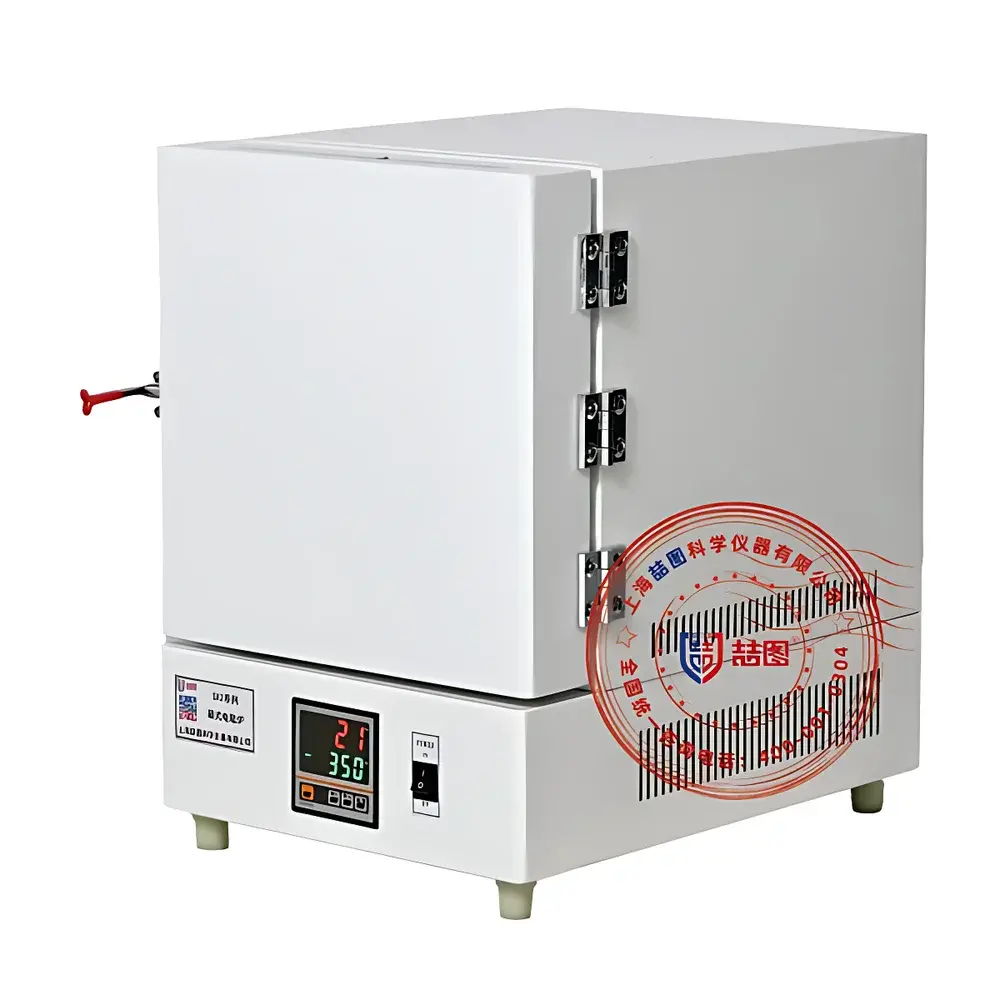
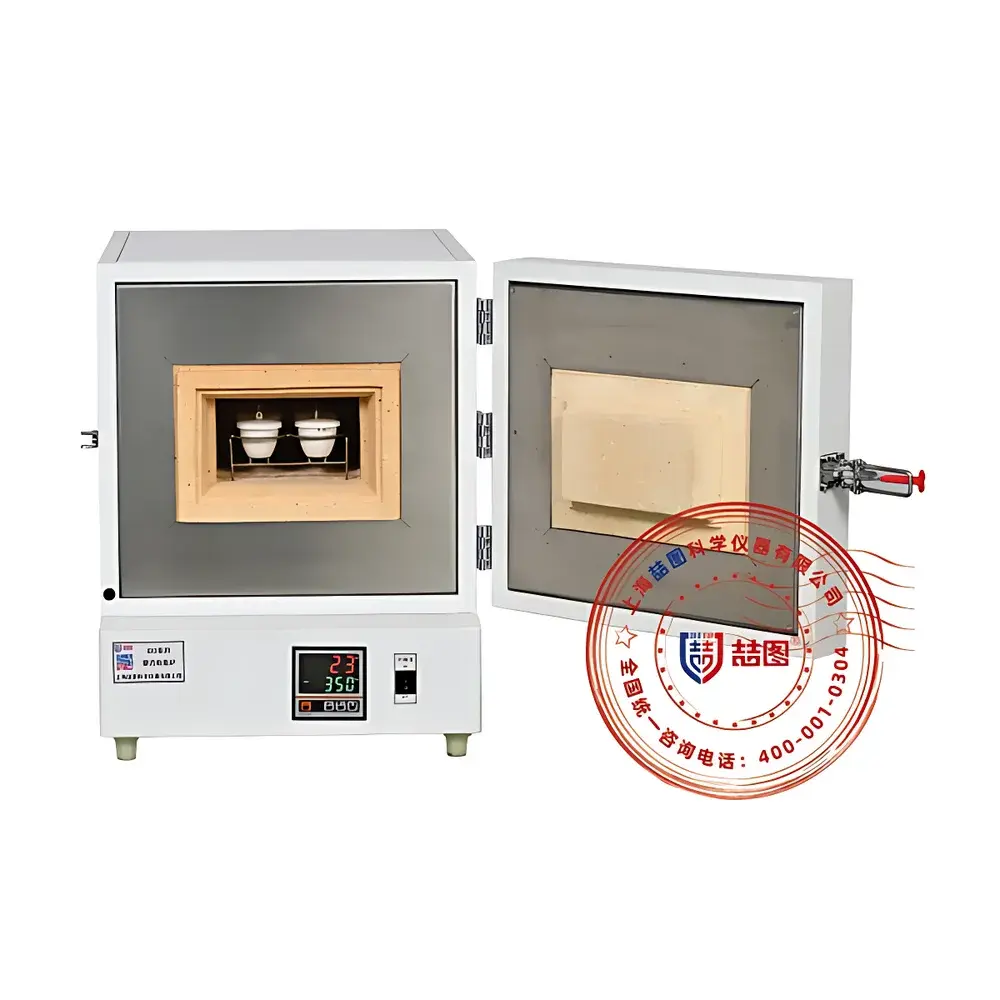
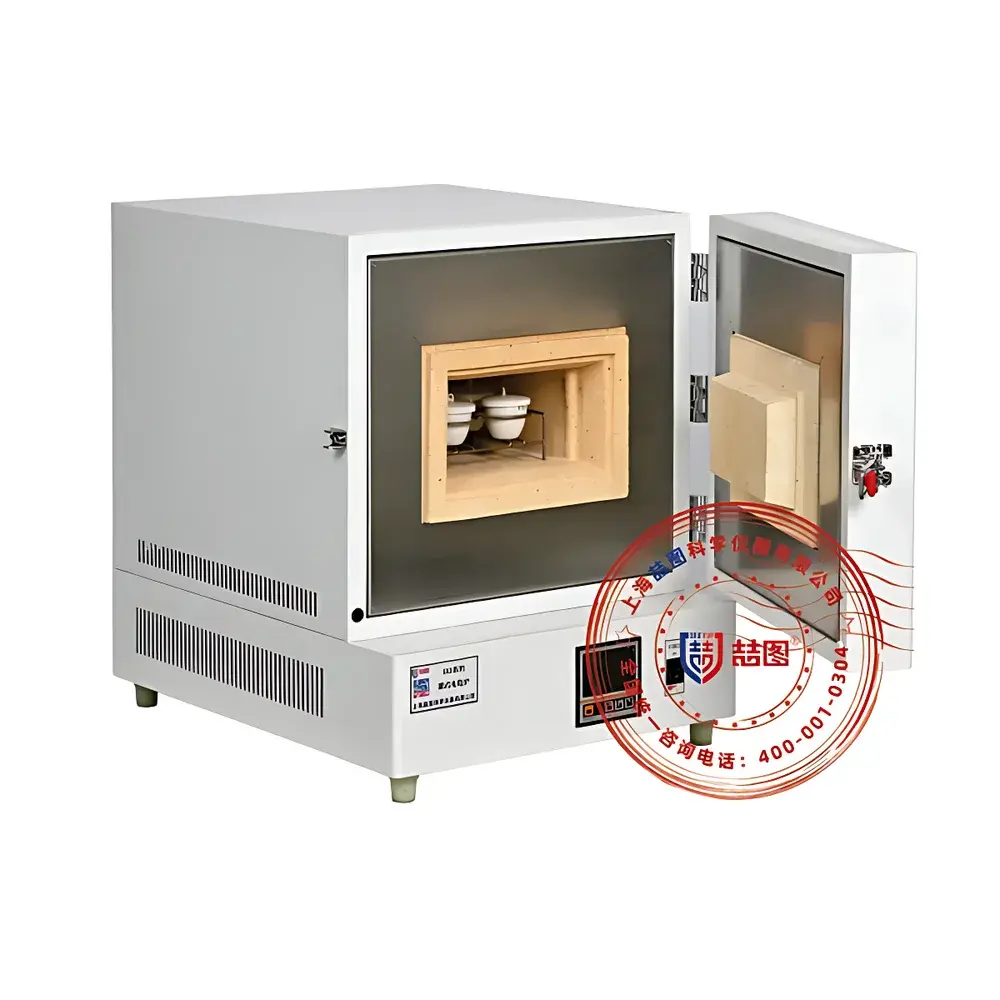
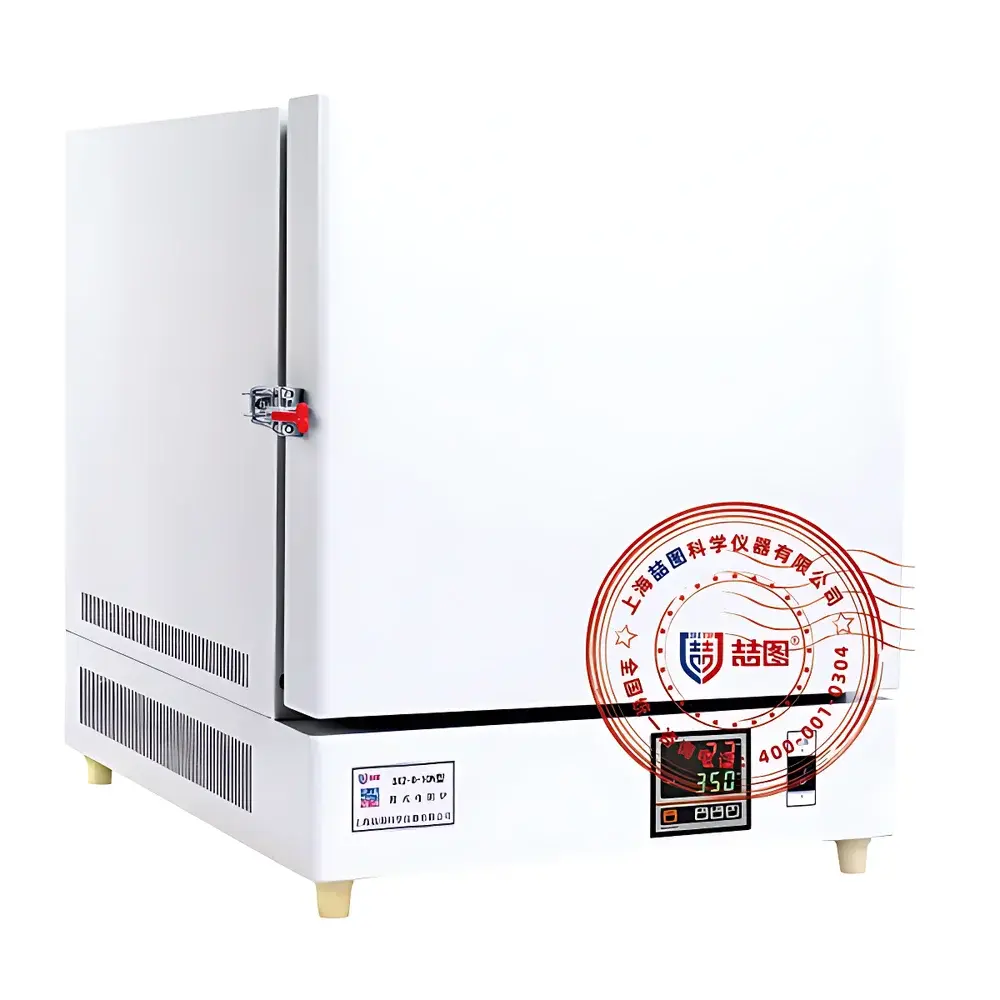
DRETOP SX2-2.5-10N Benchtop Muffle Furnace
| Brand | DRETOP |
|---|---|
| Origin | Shanghai, China |
| Manufacturer Type | Direct Manufacturer |
| Country of Origin | China |
| Model | SX2-2.5-10N |
| Instrument Type | Box-Type Resistance Furnace |
| Max Temperature | 1000°C |
| Temperature Control Accuracy | ±1°C |
| Rated Power | 2.5 kW |
| Heating Rate to Max Temp | ≤30 min |
| Heating Element | Nickel-Chromium (NiCr) Alloy Wire |
| Internal Chamber Dimensions (W×D×H) | 120 × 200 × 80 mm |
| Control System | Microprocessor-Based P.I.D. Controller |
| Nominal Chamber Volume | 2 L |
| Control Interface | Digital LCD Display (N-Series) |
Overview
The DRETOP SX2-2.5-10N is a compact, benchtop-rated muffle furnace engineered for precise thermal processing in laboratory and quality control environments. It operates on resistive heating principles, utilizing embedded NiCr alloy wire elements distributed across all four chamber walls to generate uniform radiant heat transfer—eliminating convective gradients and ensuring high spatial temperature homogeneity within the insulated chamber. Designed for applications requiring controlled atmospheric conditions without direct flame or gas combustion, this furnace complies with standard thermal treatment protocols used in ash content determination (ASTM D3174, ISO 1171), loss-on-ignition (LOI) analysis, calcination of inorganic samples, and pre-treatment of catalysts or ceramic precursors. Its fixed-sample configuration supports repeatable batch processing under stable thermal profiles, making it suitable for routine testing in coal laboratories, cement QA/QC departments, pharmaceutical R&D, and academic materials science workflows.
Key Features
- Four-wall heating architecture with spiral-wound NiCr resistance wires ensures rapid thermal response and ±1°C temperature stability across the full 2 L chamber volume.
- Microprocessor-based P.I.D. controller with digital LCD interface enables intuitive setpoint programming, real-time monitoring, and automatic power modulation to minimize overshoot during ramp phases.
- Integrated safety architecture includes dual-stage overtemperature protection, open-door power cutoff, phase-loss detection, thermocouple break alarm, and digital voltage/current readout for continuous electrical health diagnostics.
- Robust construction features high-density refractory brick lining, stainless steel inner door seal (2 mm thick), and double-layer insulated mild steel housing treated with phosphate conversion coating and high-temp epoxy powder coating.
- Thermal efficiency optimized via rear-mounted chimney port (optional), heat-reflective inner baffle at the door aperture, and low-thermal-mass chamber geometry—reducing energy consumption by up to 18% compared to legacy designs.
Sample Compatibility & Compliance
The SX2-2.5-10N accommodates standard crucibles (alumina, porcelain, platinum) and sample boats up to 100 mm in height. Its sealed muffle design isolates samples from external combustion byproducts, meeting requirements for ASTM E171, ISO/IEC 17025-compliant thermal conditioning, and GLP-regulated ashing procedures. The furnace supports method validation per USP , EP 2.2.26, and Chinese Pharmacopoeia Chapter 9102. Optional inert gas inlet (N₂/Ar) enables controlled-atmosphere sintering or reduction studies, while exhaust port compatibility allows integration into fume hood systems for volatile residue management.
Software & Data Management
While the base N-series model operates via standalone hardware control, optional NC-series upgrades include a color touchscreen HMI with embedded data logging (up to 10,000 data points), multi-level user access control (engineer/operator/admin), RS485 Modbus RTU communication, and timestamped audit trails compliant with FDA 21 CFR Part 11 Annex 11 requirements. All configurations support programmable 30-segment thermal profiles—including ramp rates, dwell times, and auto-cool sequences—with non-volatile memory retention after power interruption.
Applications
- Coal and coke analysis: ash content, volatile matter, fixed carbon determination (ASTM D3174/D3175)
- Cement and mineral processing: LOI testing, sulfate decomposition, clinker phase stabilization
- Environmental labs: TGA pre-conditioning, soil organic carbon quantification, filter ash correction
- Pharmaceutical development: excipient dryness verification, residual solvent removal, API crystallinity screening
- Materials research: precursor calcination, electrode material activation, catalyst support annealing
FAQ
What is the maximum recommended continuous operating temperature?
The furnace is rated for continuous operation at 1000°C; short-term excursions up to 1020°C are permissible but not advised for routine use.
Does the unit comply with electromagnetic compatibility (EMC) standards?
Yes—it meets IEC 61326-1:2023 Class A emission limits and EN 61000-6-2:2019 immunity requirements for laboratory environments.
Can the furnace be integrated into a centralized lab automation system?
Via optional RS485 interface and Modbus protocol support, it can be daisy-chained into SCADA or LIMS platforms for remote start/stop, parameter upload, and alarm forwarding.
Is calibration traceability provided with shipment?
Each unit ships with a factory calibration certificate traceable to NIM (National Institute of Metrology, China), including as-found/as-left data at 500°C and 900°C using Class 1 Pt100 reference sensors.
What maintenance intervals are recommended for optimal performance?
Visual inspection of door gasket integrity and heating element continuity every 200 operational hours; annual thermocouple recalibration and refractory integrity assessment per ISO/IEC 17025 internal audit schedule.
Related Products



