

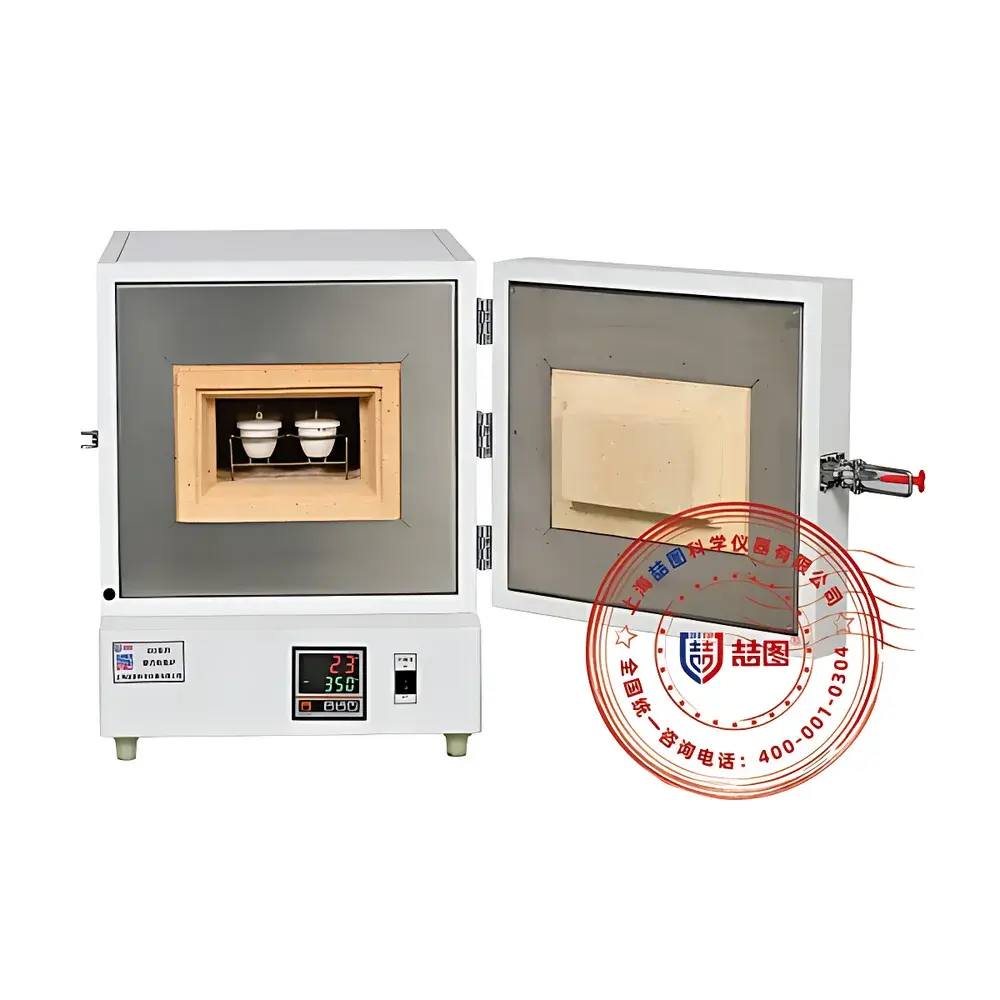
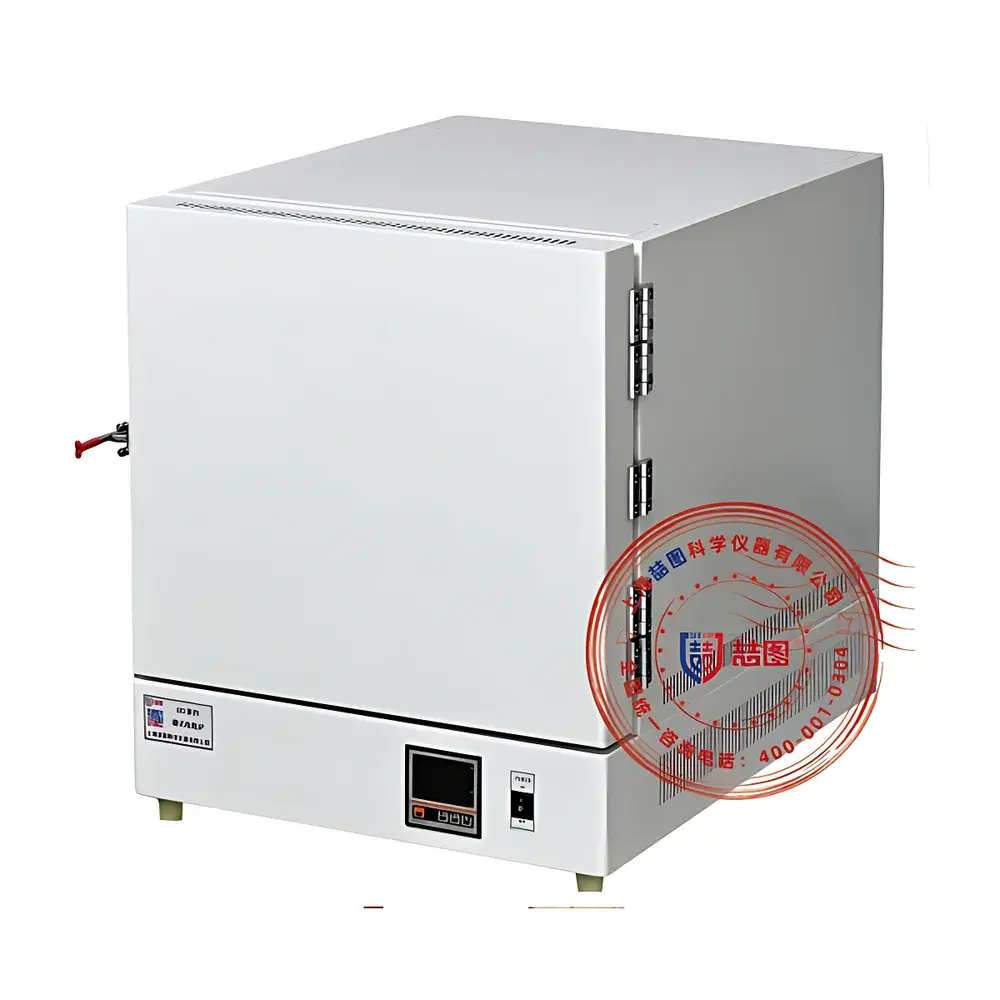
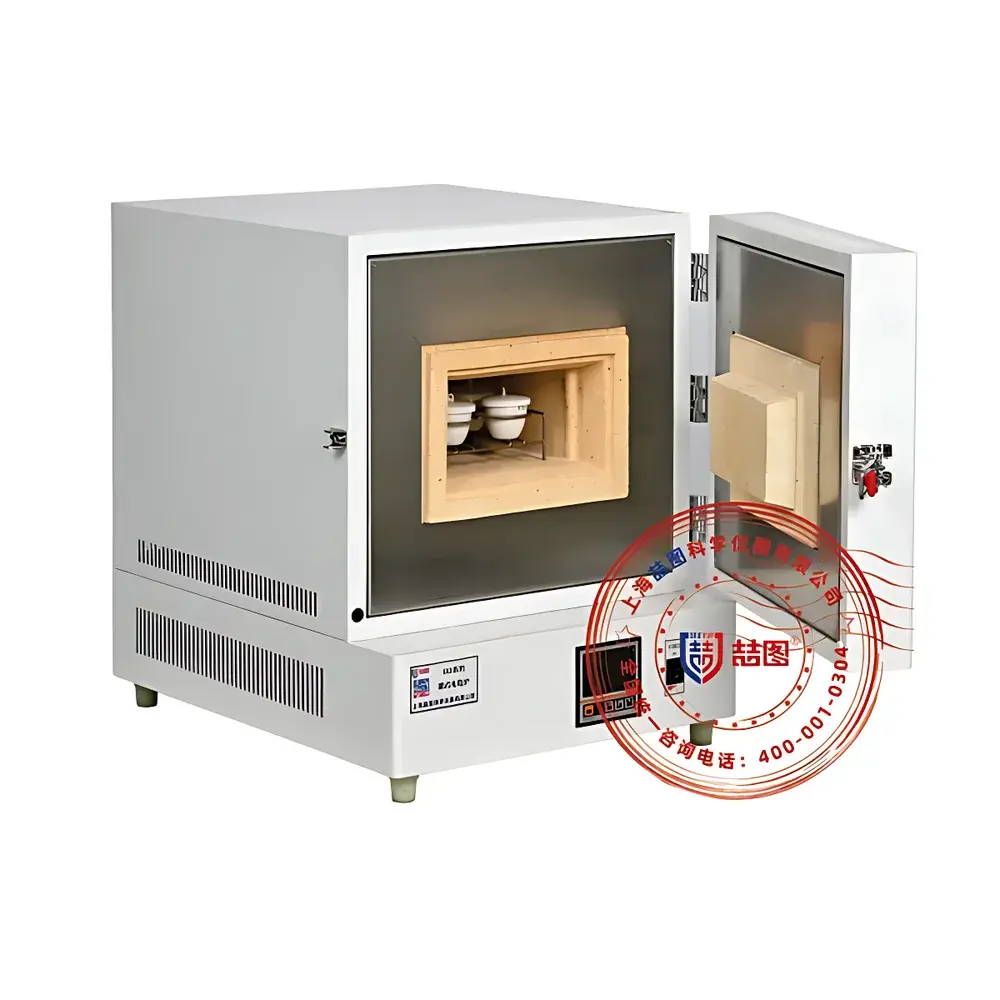
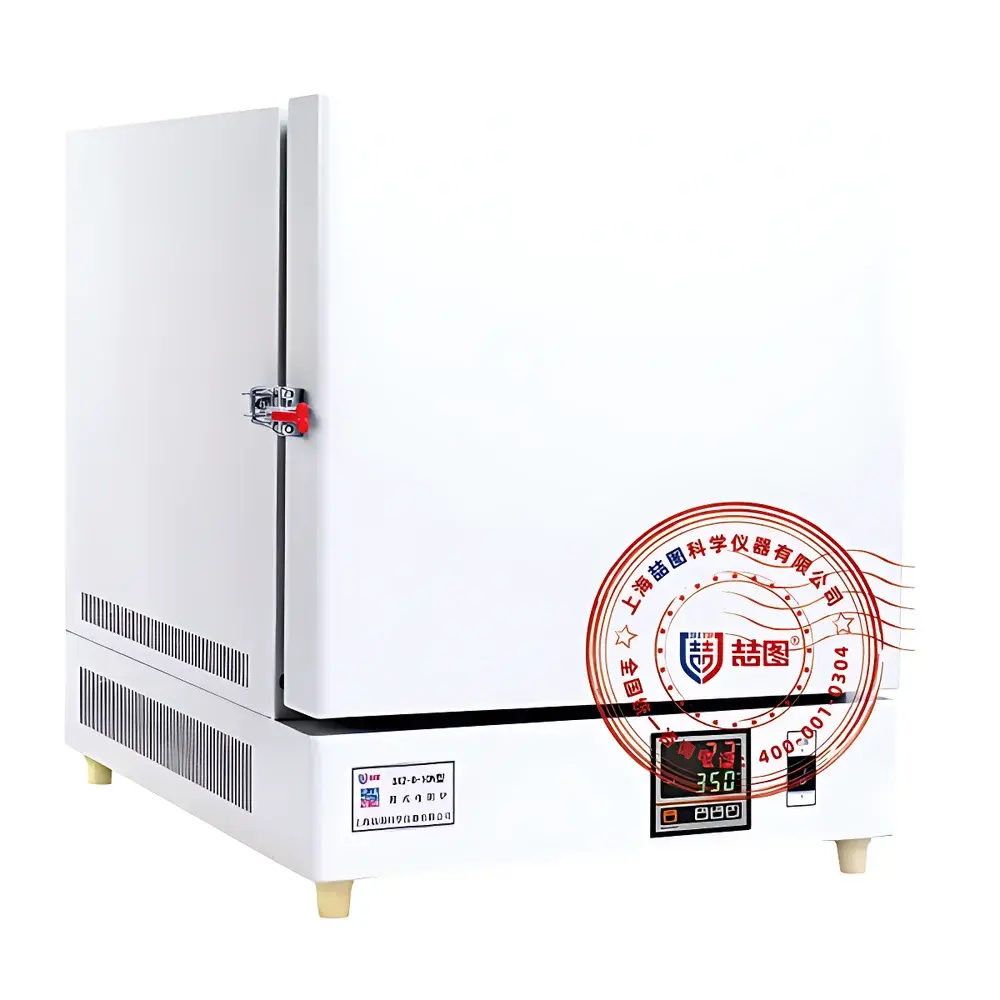
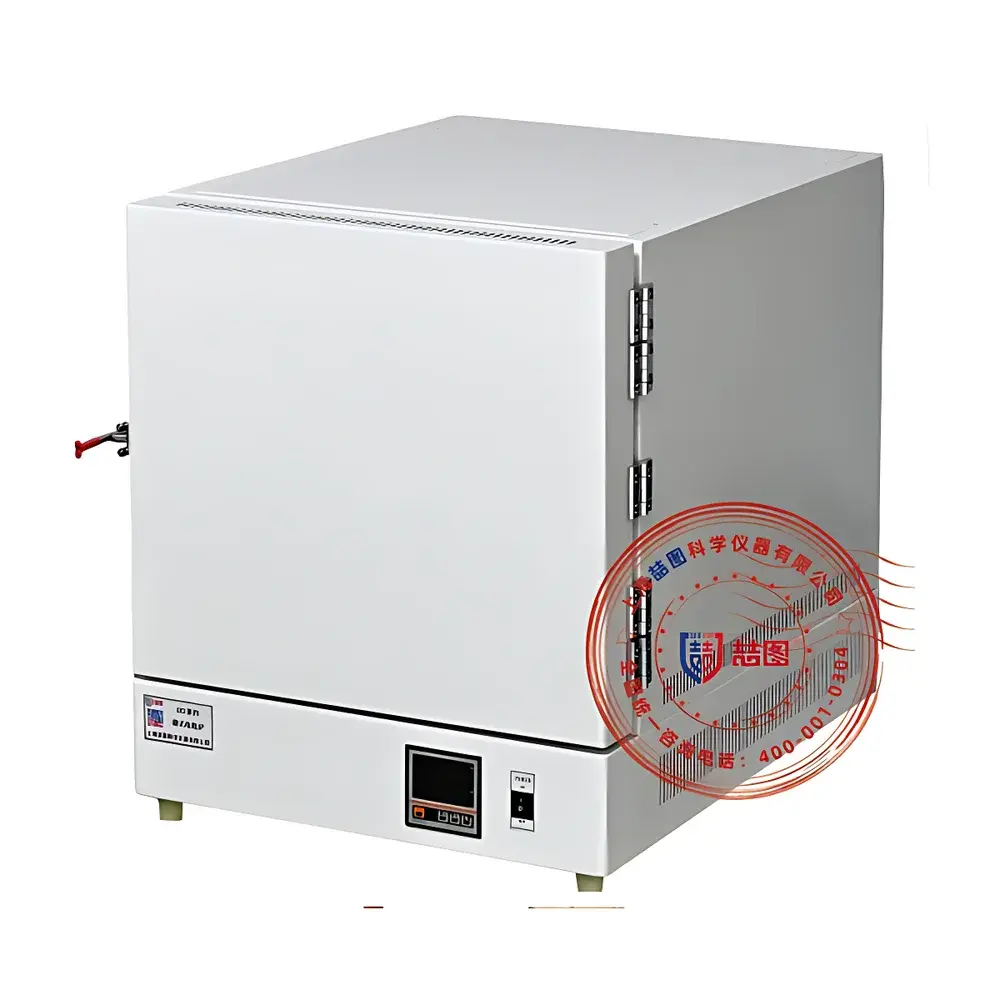
DRETOP SX2-4-10N Box-Type Muffle Furnace
| Brand | DRETOP |
|---|---|
| Origin | Shanghai, China |
| Manufacturer Type | Direct Manufacturer |
| Country of Origin | China |
| Model | SX2-4-10N |
| Instrument Type | Box-Type Furnace |
| Maximum Temperature | 1000°C |
| Temperature Control Accuracy | ±1°C |
| Rated Power | 4000 W |
| Heating Time to Max Temp | 50 min |
| Heating Element | Nickel-Chromium (NiCr) Resistance Wire |
| Internal Chamber Dimensions | 200 × 300 × 120 mm (W × D × H) |
| Control System | Microcomputer-Based PID Controller |
| Nominal Chamber Volume | 7.2 L |
Overview
The DRETOP SX2-4-10N is a precision-engineered box-type muffle furnace designed for reliable, repeatable high-temperature thermal processing in laboratory and industrial quality control environments. Operating on the principle of resistive heating via embedded NiCr alloy wire elements, it delivers uniform radiant heat distribution across all four chamber walls—ensuring stable thermal gradients and minimal axial or radial temperature deviation (<±3°C at 1000°C under steady-state conditions). Its muffle configuration isolates samples from direct contact with combustion gases or heating elements, making it ideal for ashing, calcination, heat treatment, and thermal decomposition applications where chemical purity and oxidation control are critical. The furnace complies with fundamental thermal safety and performance expectations aligned with ASTM E1142 (Standard Specification for Laboratory Muffle Furnaces) and supports GLP-compliant workflows through traceable temperature logging and programmable thermal profiles.
Key Features
- Four-wall heating architecture with helically wound NiCr resistance wire ensures rapid, homogeneous heat distribution and minimizes cold spots.
- Microcomputer-based PID temperature controller with large-digit LED display provides intuitive operation and real-time monitoring of setpoint, actual temperature, and elapsed time.
- 30-segment programmable ramp-soak profile capability (standard on NP-series variants; optional upgrade for N-series) enables precise replication of complex thermal cycles—including controlled cooling rates.
- Dual-stage over-temperature protection system includes independent mechanical and electronic cut-offs, plus thermocouple break detection and phase-loss monitoring for AC supply integrity.
- Integrated door interlock mechanism automatically de-energizes heating elements upon door opening—reducing thermal shock to samples and enhancing operator safety.
- High-density refractory brick chamber (Al₂O₃–SiO₂ composite) combined with 2 cm stainless steel inner flange sealing improves thermal retention and simplifies post-process cleaning of carbonaceous residues.
- Phosphate conversion coating + high-temp epoxy powder coating on exterior chassis delivers corrosion resistance and long-term structural stability under repeated thermal cycling.
Sample Compatibility & Compliance
The SX2-4-10N accommodates standard crucibles (alumina, quartz, nickel, or stainless steel), ceramic boats, and petri-style sample holders up to 200 mm wide × 300 mm deep × 120 mm tall. It is routinely employed in coal analysis per ASTM D3174 (ash content), ASTM D3175 (volatile matter), and ISO 1171 (determination of ash); cement clinker testing per ASTM C114; pharmaceutical residual solvent validation per USP ; and catalyst pre-treatment in R&D labs. All electrical components meet IEC 61000-6-3 (EMC emission limits) and IEC 61000-6-2 (immunity requirements). Optional RS485 Modbus RTU interface enables integration into centralized lab automation systems compliant with FDA 21 CFR Part 11 when paired with validated data acquisition software.
Software & Data Management
While the base N-series model features standalone PID control without embedded data logging, optional NC-series upgrades include a 7-inch color touchscreen HMI with built-in trend graphing, CSV export via USB, and password-protected multi-level user access (Operator / Technician / Administrator). Audit trail functionality records all parameter changes, door events, alarm triggers, and power interruptions with timestamps—supporting ISO/IEC 17025 and GMP documentation requirements. External data capture is supported via analog 4–20 mA output or digital Modbus communication, enabling synchronization with LIMS platforms or SCADA systems. Firmware updates are performed offline using FAT32-formatted USB drives, ensuring cybersecurity compliance during maintenance.
Applications
- Proximate analysis of coal, biomass, and solid fuels (ash, volatile matter, fixed carbon)
- Gravimetric determination of sulfate ash in polymers and pharmaceutical excipients
- Pre-oxidation of metal catalysts and thermal stabilization of battery electrode materials
- Heat treatment of metallurgical samples prior to SEM-EDS or XRD characterization
- Calibration verification of thermocouples and RTDs in metrology laboratories
- Residue-on-ignition testing per EPA Method 1694 and APHA Standard Methods 2540E
FAQ
What is the maximum continuous operating temperature of the SX2-4-10N?
The furnace is rated for continuous operation at 1000°C. Short-term excursions up to 1020°C are permissible but not recommended for routine use.
Does the unit support inert atmosphere processing?
Yes—optional front-mounted gas inlet ports (with needle valve and pressure relief) allow purging with N₂, Ar, or forming gas. A dedicated gas-tight door gasket kit is available as an accessory.
Can temperature profiles be exported for regulatory submission?
When equipped with the NC-series touchscreen controller, thermal cycle logs (including ramp rate, soak duration, and deviation history) can be exported as timestamped CSV files compatible with eDMS validation protocols.
Is calibration certificate included with shipment?
A factory-assembled NIST-traceable calibration report (covering three points: 500°C, 800°C, and 1000°C) is provided with each unit. UKAS or DAkkS-accredited third-party calibration is available upon request.
What maintenance intervals are recommended for optimal longevity?
Inspect door gasket integrity and chamber lining every 200 operating hours; verify thermocouple accuracy semiannually; clean interior surfaces after each ashing cycle to prevent alkali salt buildup that may degrade refractory integrity.



