
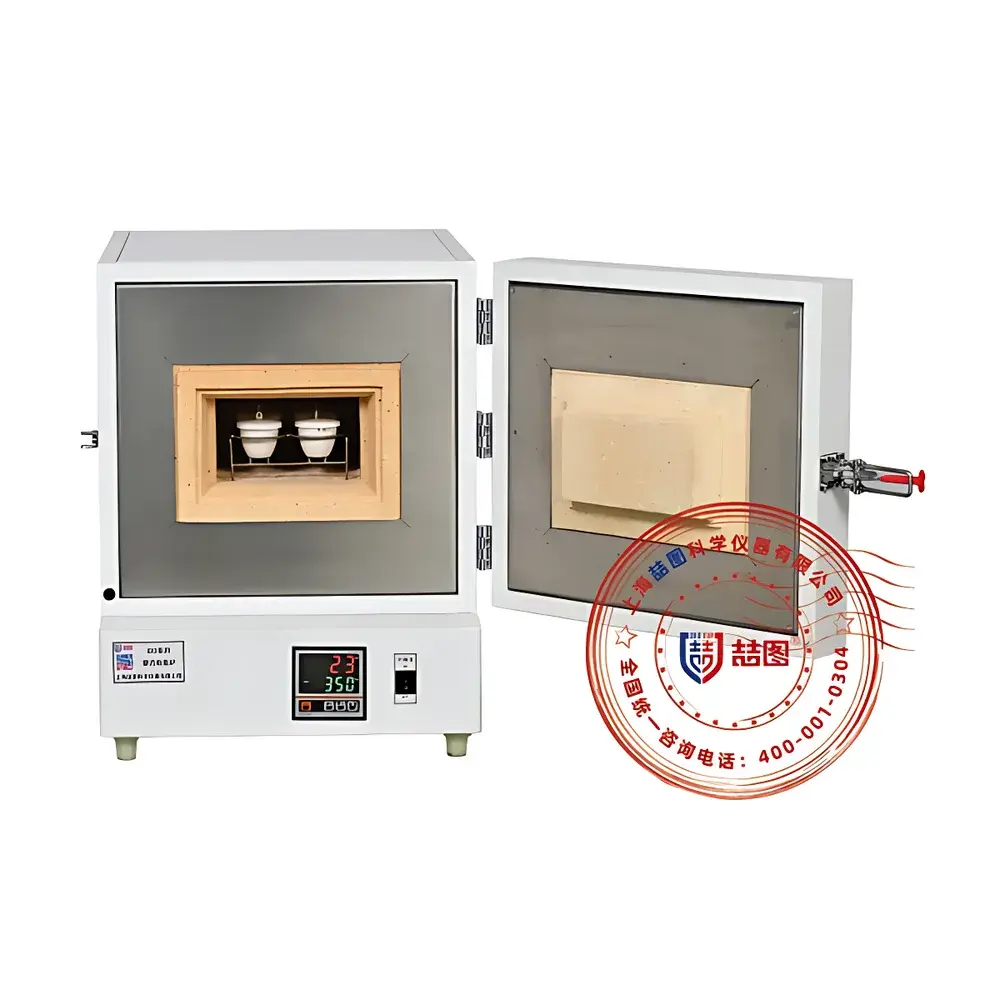
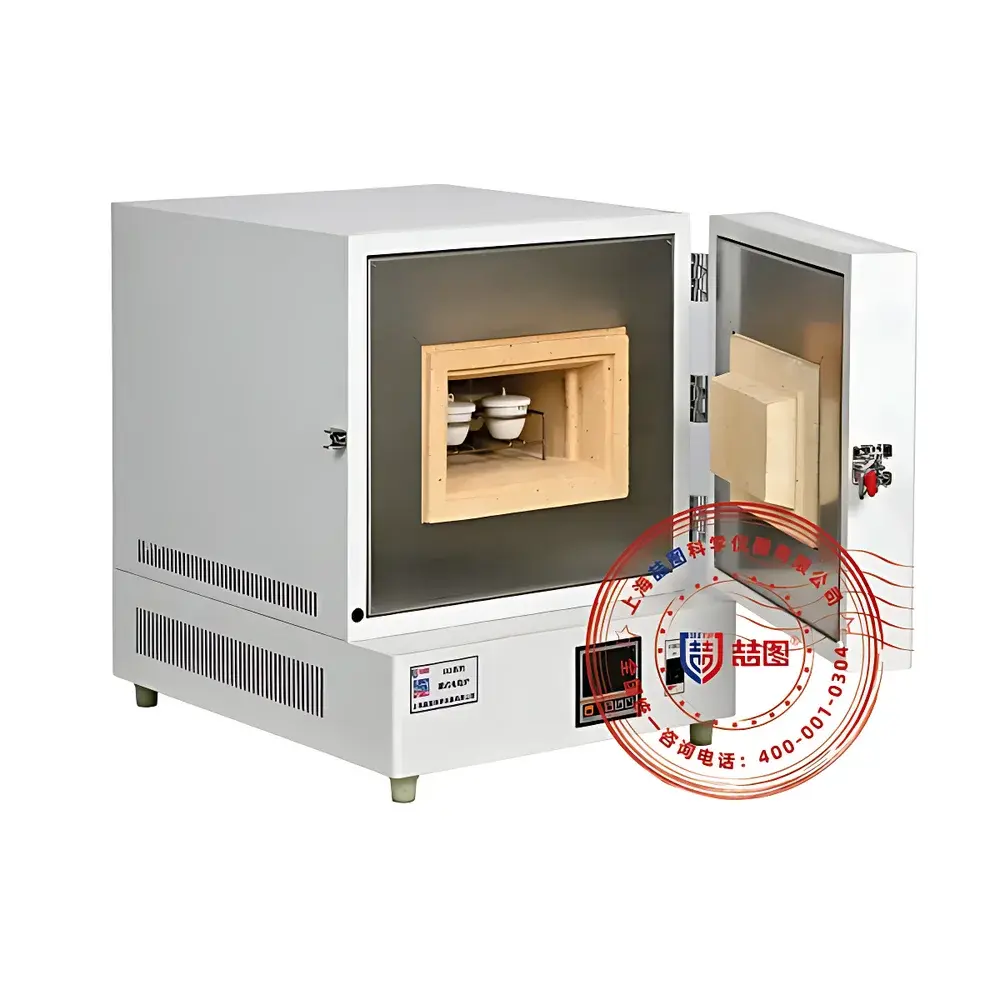
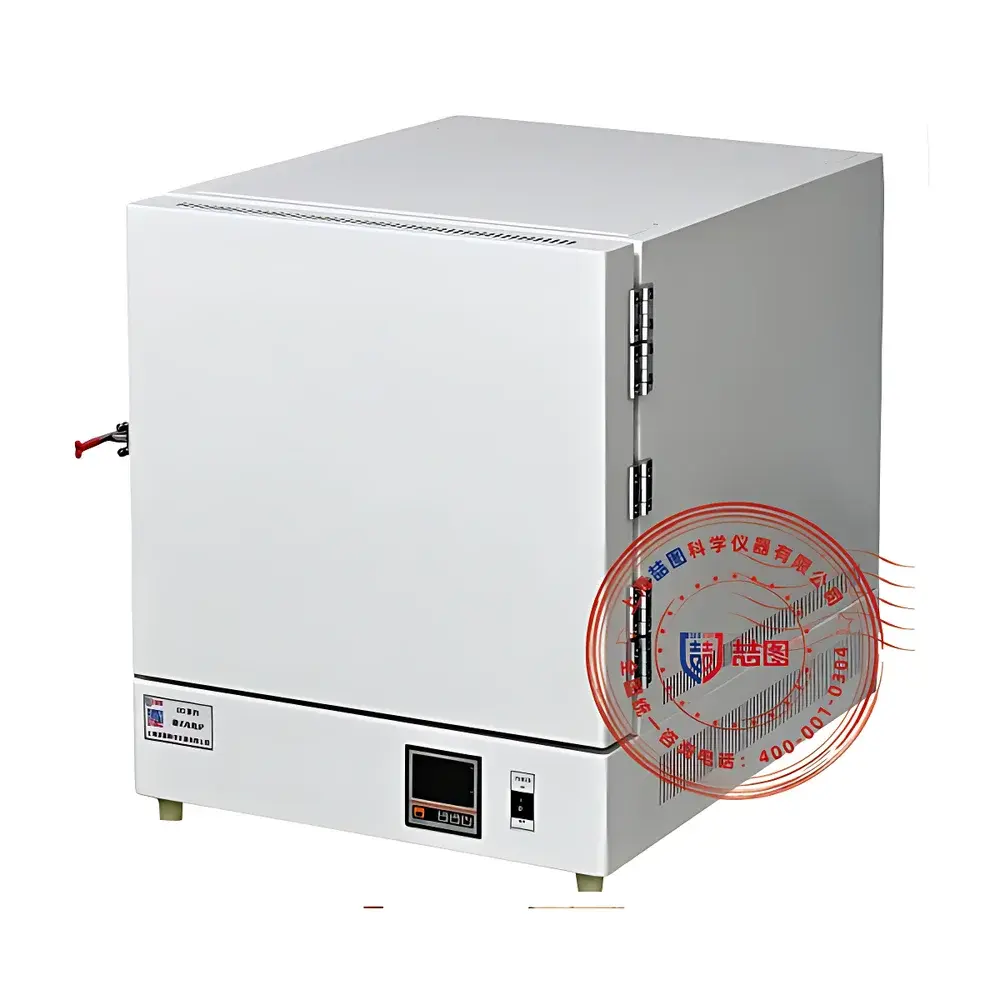
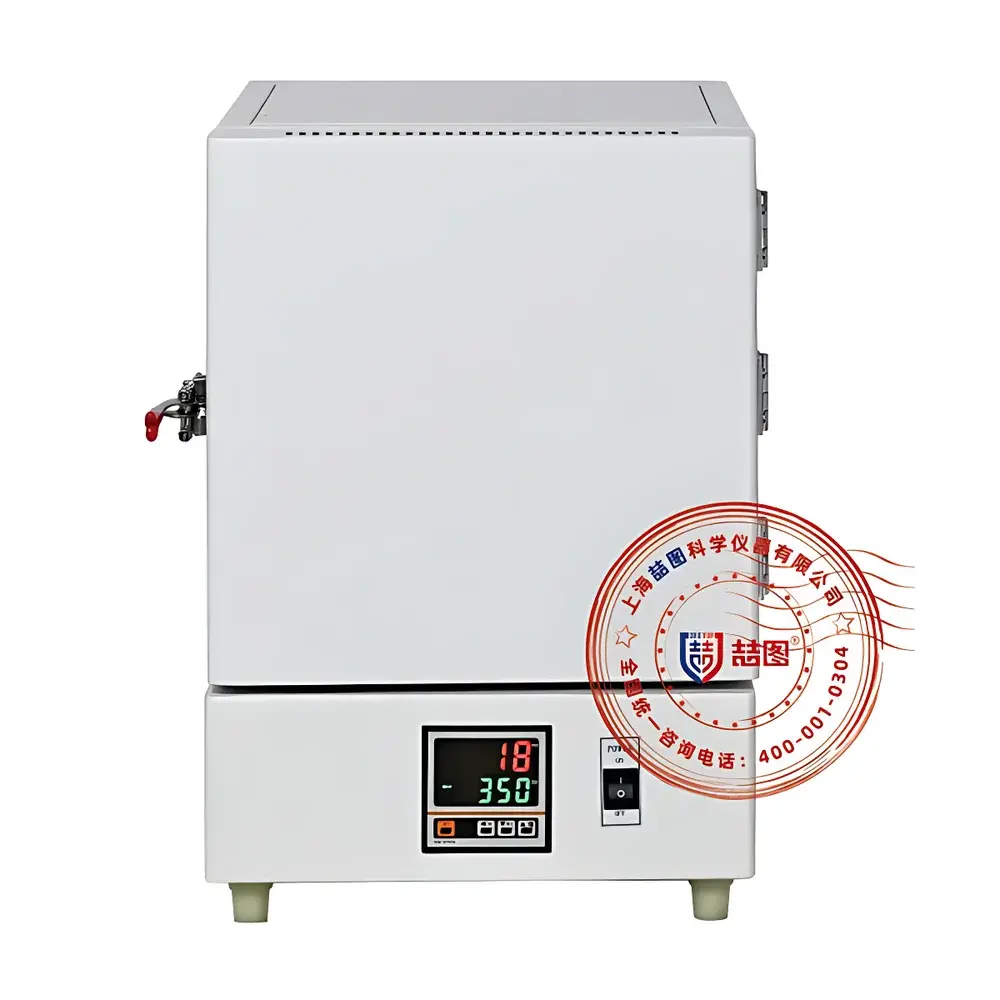
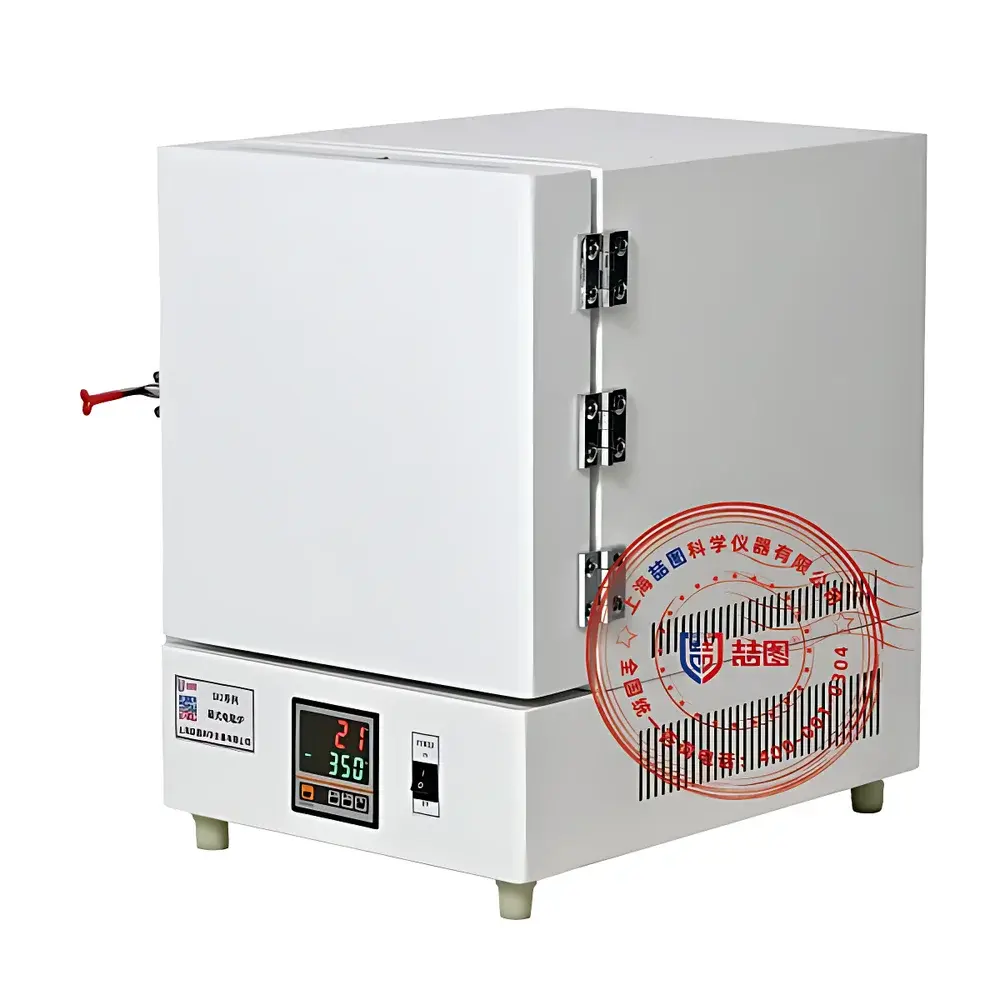
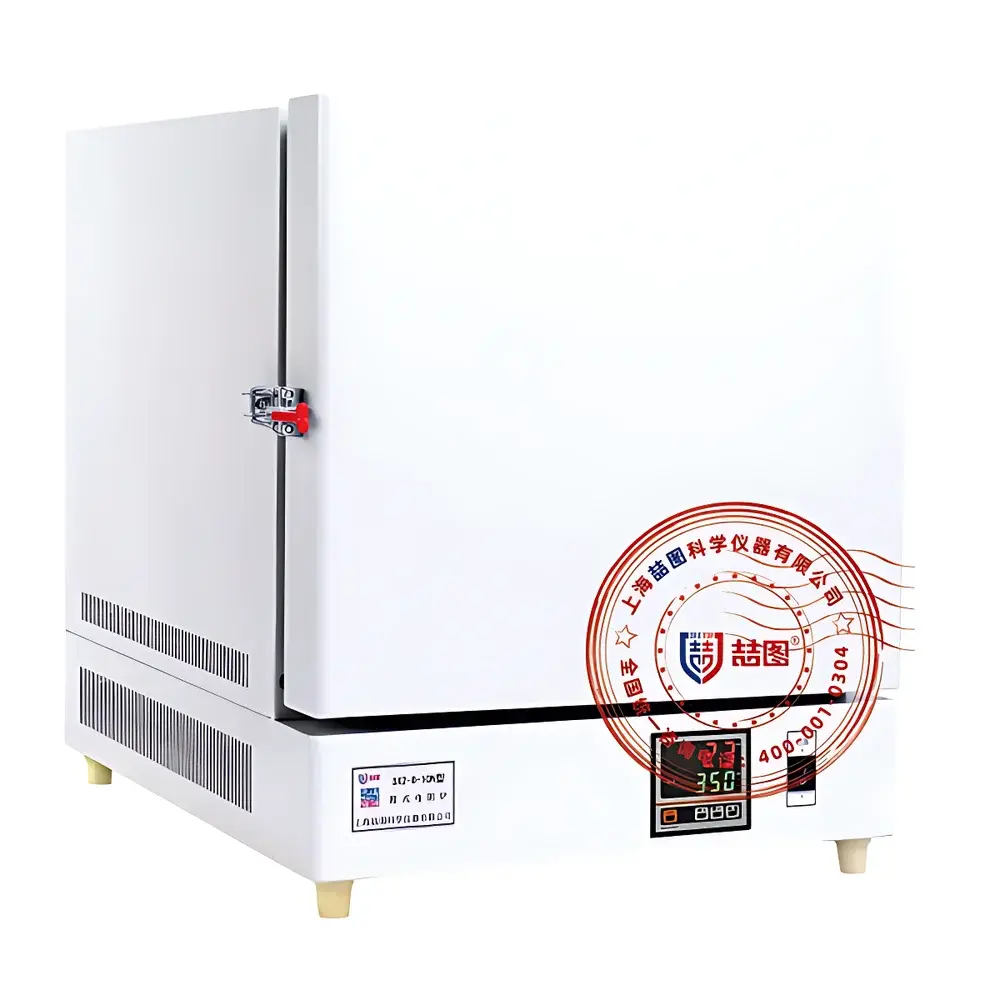
DRETOP SX2-5-12N Refractory Brick Box-Type Resistance Furnace
| Brand | DRETOP |
|---|---|
| Origin | Shanghai, China |
| Manufacturer Type | Direct Manufacturer |
| Product Category | Domestic |
| Model | SX2-5-12N |
| Instrument Type | Box Furnace |
| Maximum Temperature | 1200°C |
| Temperature Control Accuracy | ±1°C |
| Rated Power | 5 kW |
| Heating Time to Max Temp | 60 min |
| Heating Element | Nickel-Chromium Wire |
| Internal Dimensions (W×D×H) | 200 × 300 × 120 mm |
| Control System | Microcomputer-Based P.I.D Controller |
| Nominal Chamber Volume | 7.2 L |
Overview
The DRETOP SX2-5-12N is a benchtop box-type resistance furnace engineered for precise, repeatable high-temperature thermal processing in laboratory and quality control environments. Operating on the principle of resistive Joule heating via embedded nickel-chromium alloy wire elements, it delivers stable and uniform thermal fields up to 1200°C — suitable for ashing, calcination, heat treatment, sintering, and controlled atmosphere pre-treatment of inorganic and carbonaceous samples. Its refractory brick-lined chamber ensures low thermal mass, rapid thermal response, and long-term dimensional stability under cyclic thermal stress. Designed for compliance with standard laboratory workflows, the furnace supports fixed-sample protocols where specimens remain stationary during heating, eliminating mechanical disturbance that could compromise analytical integrity — particularly critical in coal analysis (ASTM D3174, ISO 1171), cement clinker testing (ASTM C114), and pharmaceutical excipient validation (USP ).
Key Features
- Four-wall heating configuration with helically wound Ni-Cr wire elements ensures radial and axial temperature uniformity ≤±3°C across the 7.2 L chamber at 1200°C (measured per ASTM E220 calibration practice).
- Microprocessor-based P.I.D. controller with digital LED display enables setpoint resolution of 1°C and real-time monitoring of chamber temperature, power status, and system faults.
- 30-segment programmable ramp-soak profile capability (standard on P-series variants) supports complex thermal cycles required for TGA-like protocols, ceramic densification studies, and catalyst activation procedures.
- Integrated door-interlock safety circuit automatically de-energizes heating elements upon door opening — eliminating operator exposure to radiant heat and preventing thermal shock-induced cracking of refractory lining.
- Dual-stage overtemperature protection: primary limit switch + secondary independent thermocouple cutoff, both wired in series with main power contactor per IEC 61000-6-2 EMC and IEC 61010-1 safety standards.
- Structural design includes phosphate-conversion coated steel housing with high-temp epoxy powder coating, corrosion-resistant stainless steel inner flange (2 mm thick), and mineral wool insulation layer minimizing surface temperature rise (<45°C at ambient 25°C).
Sample Compatibility & Compliance
The SX2-5-12N accommodates standard crucibles (alumina, silica, platinum, graphite) up to Ø80 mm × 60 mm height, with full compatibility for ASTM D3172 (coal proximate analysis), ISO 5912 (cement loss on ignition), and EN 15407-1 (biomass ash composition). The refractory brick chamber (Al₂O₃ ≥ 92%, bulk density 2.2 g/cm³) resists slagging from halogenated organics and maintains structural integrity after >500 thermal cycles between RT and 1200°C. All electrical components meet CE marking requirements for laboratory equipment (2014/30/EU EMC Directive, 2014/35/EU LVD Directive); optional RS485 Modbus RTU interface enables integration into GLP/GMP-compliant data acquisition systems with audit trail functionality per FDA 21 CFR Part 11.
Software & Data Management
While the base N-series model operates via front-panel controls only, the NP and NC variants support external data logging via isolated analog outputs (0–5 V / 4–20 mA) proportional to measured temperature and power draw. Optional NC-series color touchscreen controllers provide embedded CSV export, password-protected user roles (Operator/Engineer/Admin), and real-time graphical trend display of up to four parameters simultaneously. Firmware supports UTC timestamping, automatic event logging (door open/close, alarm trigger, program completion), and configurable data retention (≥30 days internal memory). When paired with DRETOP’s optional 4G-enabled gateway module, remote firmware updates and cloud-based temperature history archiving are achievable without local PC dependency.
Applications
- Coal and coke analysis: ash content determination (ASTM D3174), volatile matter loss (ASTM D3175), and fixed carbon calculation.
- Cement and clinker testing: ignition loss (LOI), free lime quantification (EN 196-2), and sulfate decomposition kinetics.
- Environmental testing: soil heavy metal extraction residue ashing (EPA Method 3050B), filter media combustion for particulate mass recovery.
- Materials science: pre-sintering of ferrites, thermal decomposition of metal-organic frameworks (MOFs), and binder burnout in ceramic green bodies.
- Pharmaceutical QC: residual solvent removal from active pharmaceutical ingredients (APIs), excipient dehydration validation per ICH Q5C guidelines.
FAQ
What is the maximum recommended continuous operating temperature?
The SX2-5-12N is rated for continuous operation at 1150°C; 1200°C is specified as short-term peak capability (≤2 hours per cycle) to preserve heating element service life.
Can inert gas purging be implemented?
Yes — an optional inlet valve (M6 threaded port) is available for nitrogen or argon introduction; users must supply external gas regulation and flowmeter calibrated to ≤5 L/min to avoid pressure buildup.
Is the furnace compatible with thermocouple calibration verification?
The unit accepts standard K-type thermocouples; a dedicated calibration port (Ø6 mm) is located adjacent to the working zone for insertion of reference-grade sensors during SAT (System Accuracy Tests) per ISO/IEC 17025.
Does the controller support data export to LIMS?
Via optional RS485 interface and Modbus RTU protocol, raw temperature readings and alarm logs can be polled by third-party LIMS platforms supporting standard Modbus register mapping (holding registers 40001–40020).
What maintenance intervals are recommended?
Visual inspection of door gasket integrity and heating element continuity every 100 operating hours; refractory brick surface inspection and thermocouple replacement every 500 hours or annually — whichever occurs first.



