
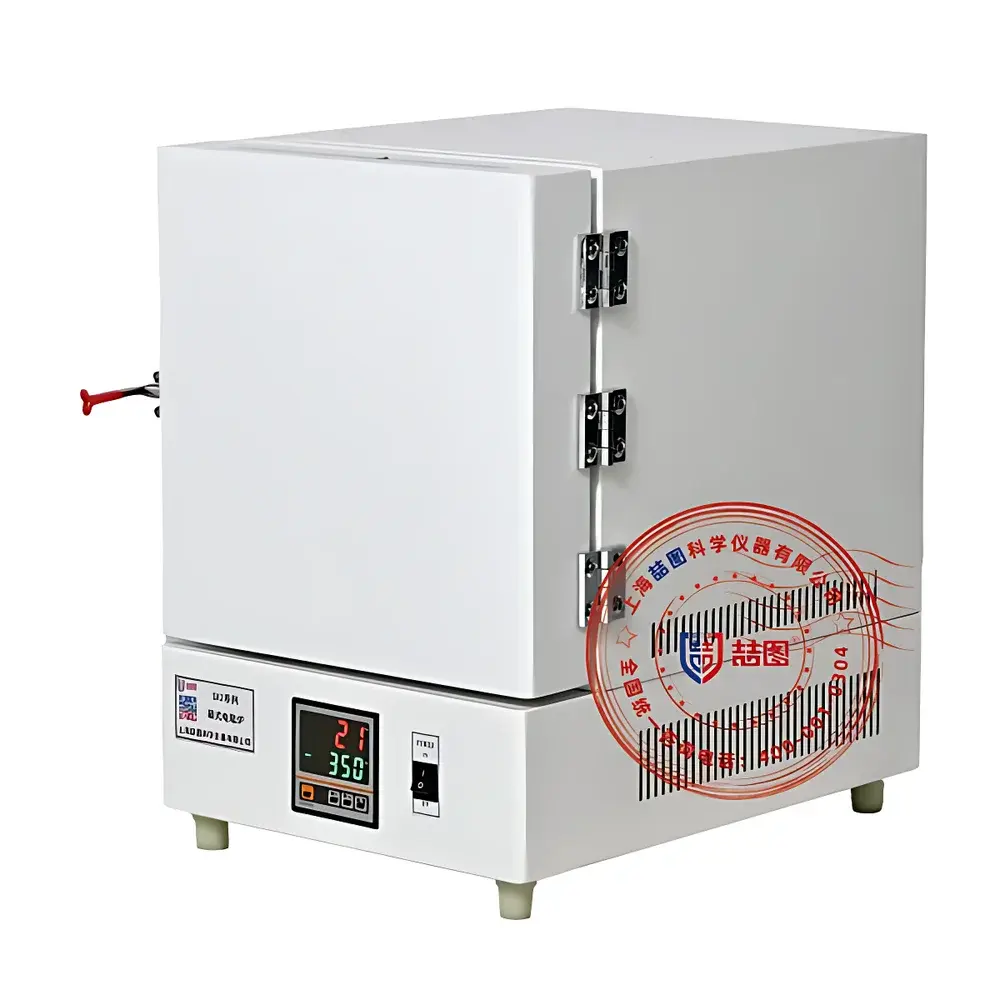
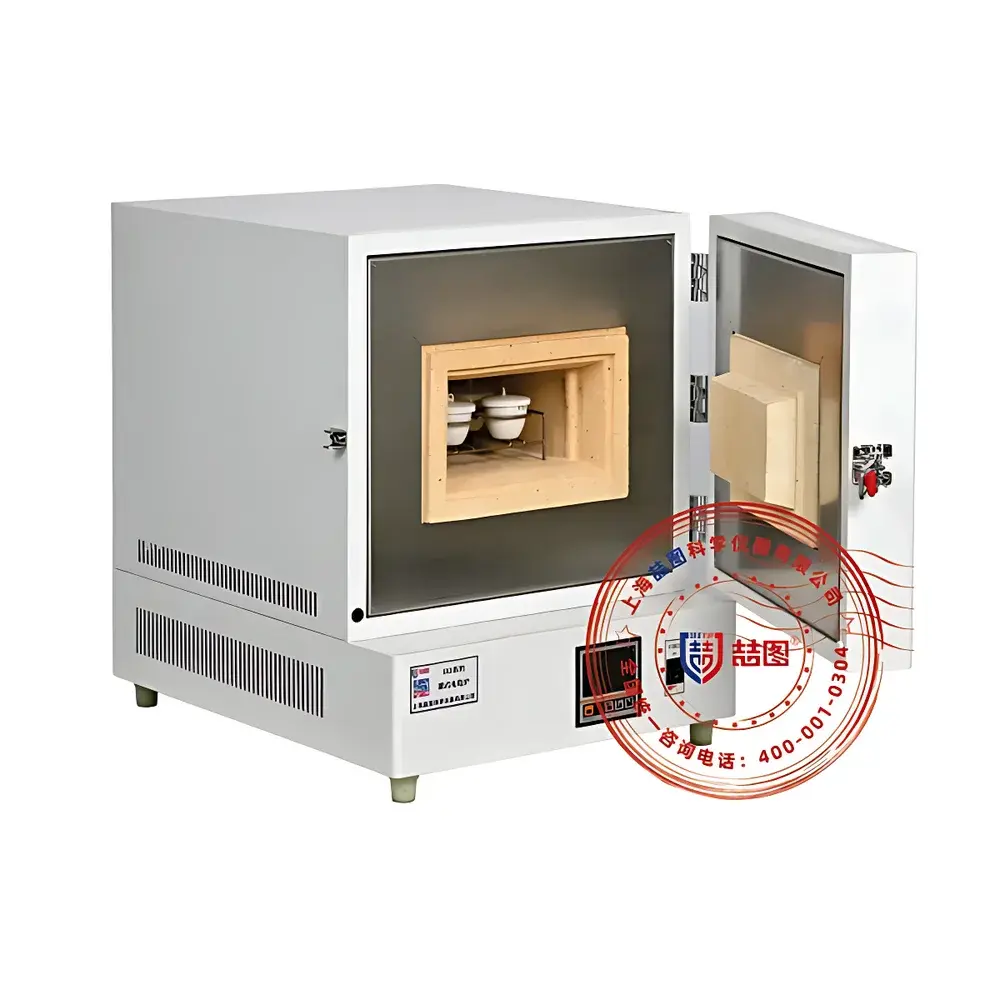
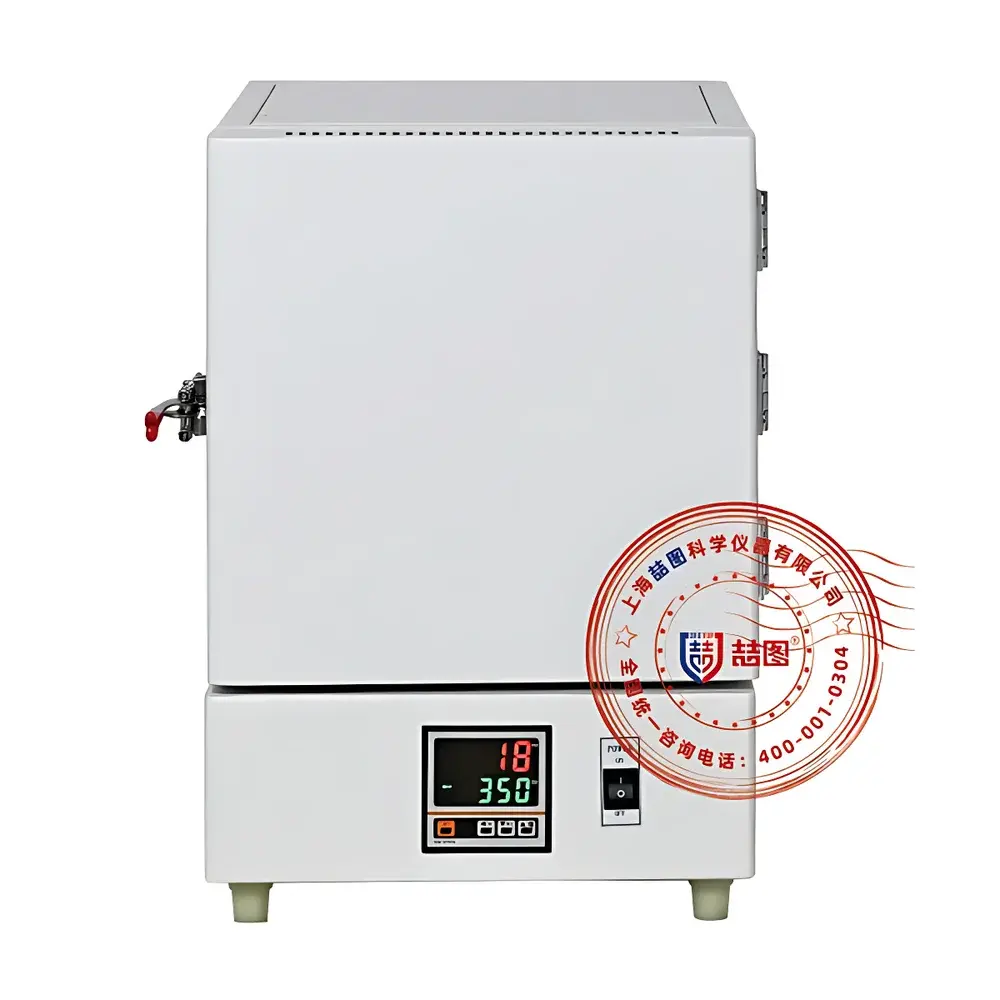
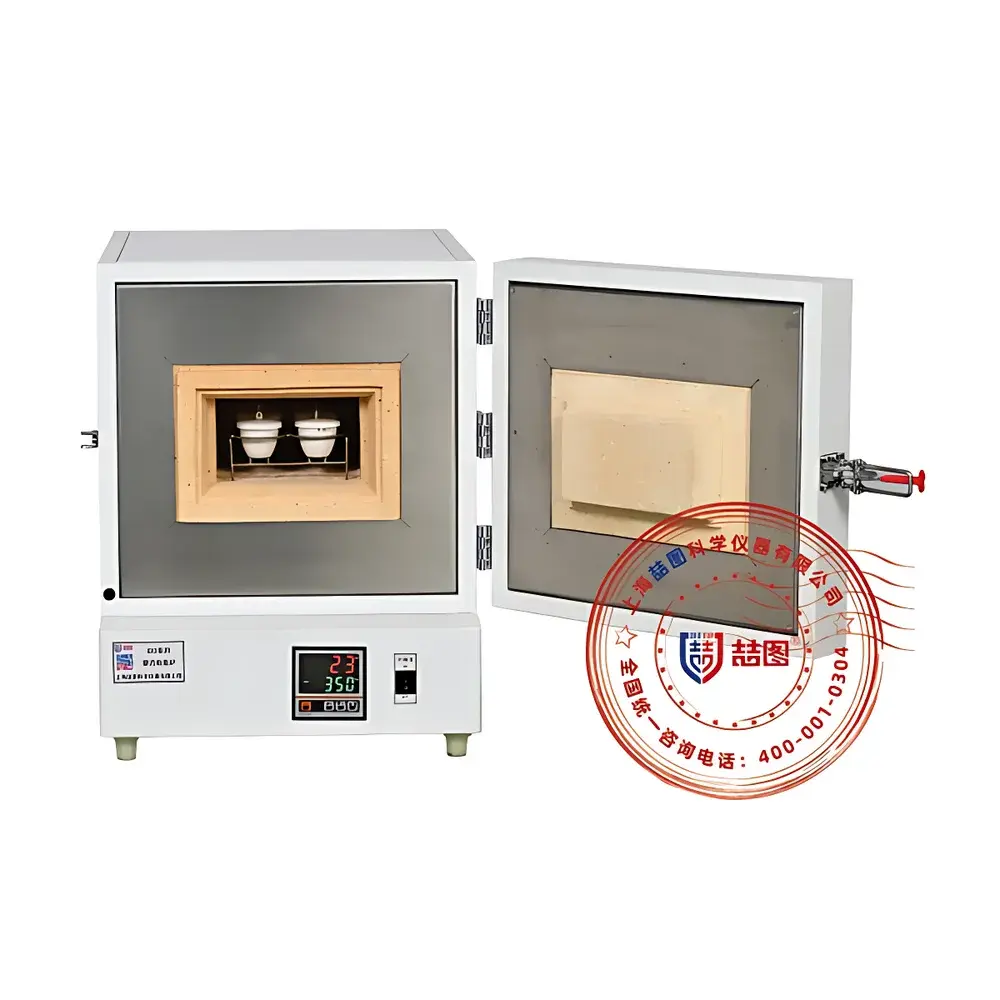
DRETOP SX3-8-13NV High-Temperature Box-Type Muffle Furnace
| Brand | DRETOP |
|---|---|
| Origin | Shanghai, China |
| Manufacturer Type | Direct Manufacturer |
| Product Category | Domestic |
| Model | SX3-8-13NV |
| Instrument Type | Box Furnace |
| Max Temperature | 1300 °C |
| Temperature Control Accuracy | ±1 °C |
| Rated Power | 8 kW |
| Heating Time to Max Temp | 50 min |
| Heating Element | Silicon Carbide Rods |
| Internal Chamber Dimensions | 250 × 400 × 160 mm |
| Control System | Microcomputer-Based P.I.D Controller |
| Nominal Volume | 16 L |
Overview
The DRETOP SX3-8-13NV is a high-precision, benchtop box-type muffle furnace engineered for laboratory and industrial thermal processing applications requiring stable, uniform, and repeatable heating up to 1300 °C. Designed in strict compliance with ISO/IEC 17025 calibration traceability principles and aligned with ASTM E1142 (Standard Guide for Calibration of Laboratory Furnaces), it employs resistive heating via silicon carbide (SiC) rods mounted on all four chamber walls—ensuring radial thermal symmetry and minimizing axial temperature gradients. Unlike tube furnaces, the SX3-8-13NV features a single front-access door and static sample positioning, making it ideal for ashing, calcination, heat treatment, sintering, and gravimetric analysis where sample integrity and positional stability are critical. Its structural architecture supports GLP-compliant workflows through integrated hardware-level safety interlocks, dual-stage overtemperature protection, and real-time electrical parameter monitoring.
Key Features
- Four-wall SiC rod heating configuration delivers exceptional temperature uniformity (±3 °C at 1300 °C across the working zone per ASTM E220)
- Microprocessor-based P.I.D. controller with 30-segment programmable ramp-soak profiles, enabling precise thermal cycling for method development and validation
- Automatic door-interlock circuit: heating halts immediately upon door opening and resumes automatically upon closure—eliminating manual intervention and reducing thermal shock to samples
- Dual-level overtemperature protection: primary control loop + independent mechanical limit switch (set at 1350 °C) with audible/visual alarm and power cutoff
- Integrated digital voltmeter and ammeter for continuous real-time monitoring of line voltage and current draw—facilitating predictive maintenance and energy usage audits
- Phosphate conversion coating + high-temp epoxy powder coating on steel enclosure ensures corrosion resistance and thermal insulation; surface temperature remains <50 °C during operation at 1300 °C
- Reinforced refractory brick chamber with stainless-steel inner flange (2 mm thick) resists thermal spalling and simplifies post-process cleaning of carbonaceous residues
Sample Compatibility & Compliance
The SX3-8-13NV accommodates standard crucibles (alumina, silica, platinum), ceramic boats, and metal trays up to 200 mm wide × 350 mm deep × 120 mm tall. Its sealed muffle design isolates samples from combustion byproducts, meeting ASTM D3174 (ash content in coal and coke) and ISO 1171 (determination of ash in solid mineral fuels). The furnace conforms to IEC 61000-6-3 (EMC emission limits) and UL 61010-1 (safety requirements for electrical equipment for measurement, control, and laboratory use). Optional inert gas inlet (N₂ or Ar) enables controlled-atmosphere processing per ISO 8501-1, while the integrated chimney port supports exhaust ducting to fume hoods—critical for volatile residue removal in pharmaceutical residual solvent testing (USP <467>).
Software & Data Management
While the base model operates via standalone hardware control, the NV-series firmware supports RS485 Modbus RTU communication (optional) for integration into centralized lab automation systems (e.g., LabVantage, STARLIMS). All temperature setpoints, ramp rates, soak durations, and event logs—including door-open events, overtemperature triggers, and power interruptions—are timestamped and stored in non-volatile memory with audit trail capability compliant with FDA 21 CFR Part 11 (electronic records/signatures) when paired with validated third-party SCADA software. Optional color touchscreen (NV-I variant) provides graphical real-time temperature curve visualization, multi-level user authentication (engineer/operator/auditor roles), and USB data export in CSV format for statistical process control (SPC) analysis.
Applications
- Coal and coke analysis: ash fusion temperature determination (ASTM D1857), volatile matter loss (ASTM D3175), fixed carbon calculation
- Geochemical sample preparation: LOI (loss on ignition) for clay mineral quantification per ISO 11269-2
- Pharmaceutical QC: residual catalyst ash testing in API synthesis (ICH Q5D), excipient thermal stability screening
- Cement and ceramic R&D: clinker phase transformation studies, thermal expansion coefficient calibration
- Environmental testing: TGA pre-conditioning for soil organic carbon analysis (ISO 14235), fly ash characterization
- Academic research: solid-state reaction kinetics, oxide reduction thermodynamics, and refractory material aging studies
FAQ
What is the maximum recommended continuous operating temperature?
The SX3-8-13NV is rated for continuous operation at 1250 °C; 1300 °C is the absolute upper limit for short-duration (≤2 h) procedures.
Can this furnace be used under inert or reducing atmospheres?
Yes—when equipped with the optional inert gas inlet valve and sealed door gasket kit, it supports N₂, Ar, or forming gas (5% H₂/95% N₂) environments up to 1100 °C.
Is calibration certificate included with shipment?
A factory-as-tested calibration report (covering 100 °C, 600 °C, 900 °C, and 1200 °C) is provided; NIST-traceable calibration services are available upon request.
How does the furnace ensure temperature uniformity across the 16 L chamber?
Through symmetrical SiC rod placement, optimized refractory geometry, and dynamic P.I.D. tuning that compensates for thermal mass differences—verified per ASTM E220 Annex A3.
What maintenance intervals are recommended for silicon carbide heating elements?
Under normal use (≤10 cycles/week at ≤1200 °C), SiC rods require inspection every 6 months; typical service life exceeds 2000 h at 1300 °C.
Related Products



