
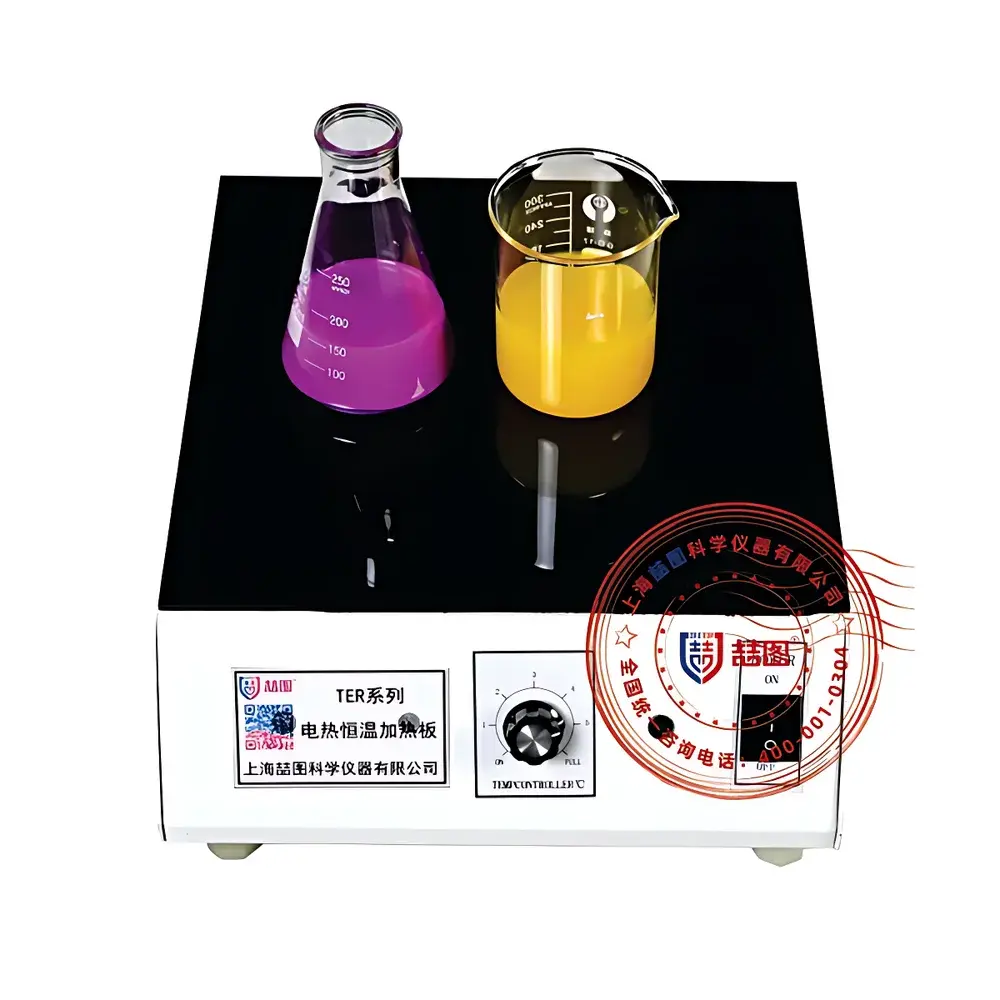
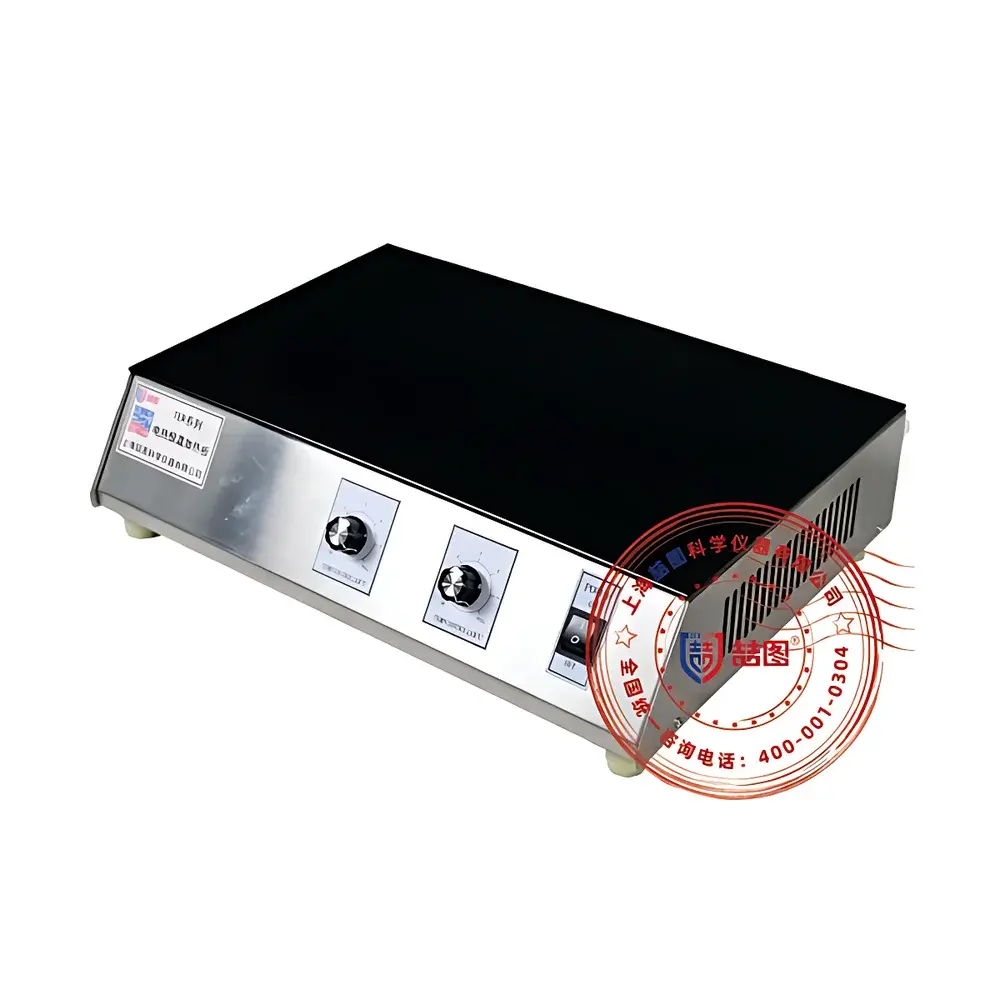
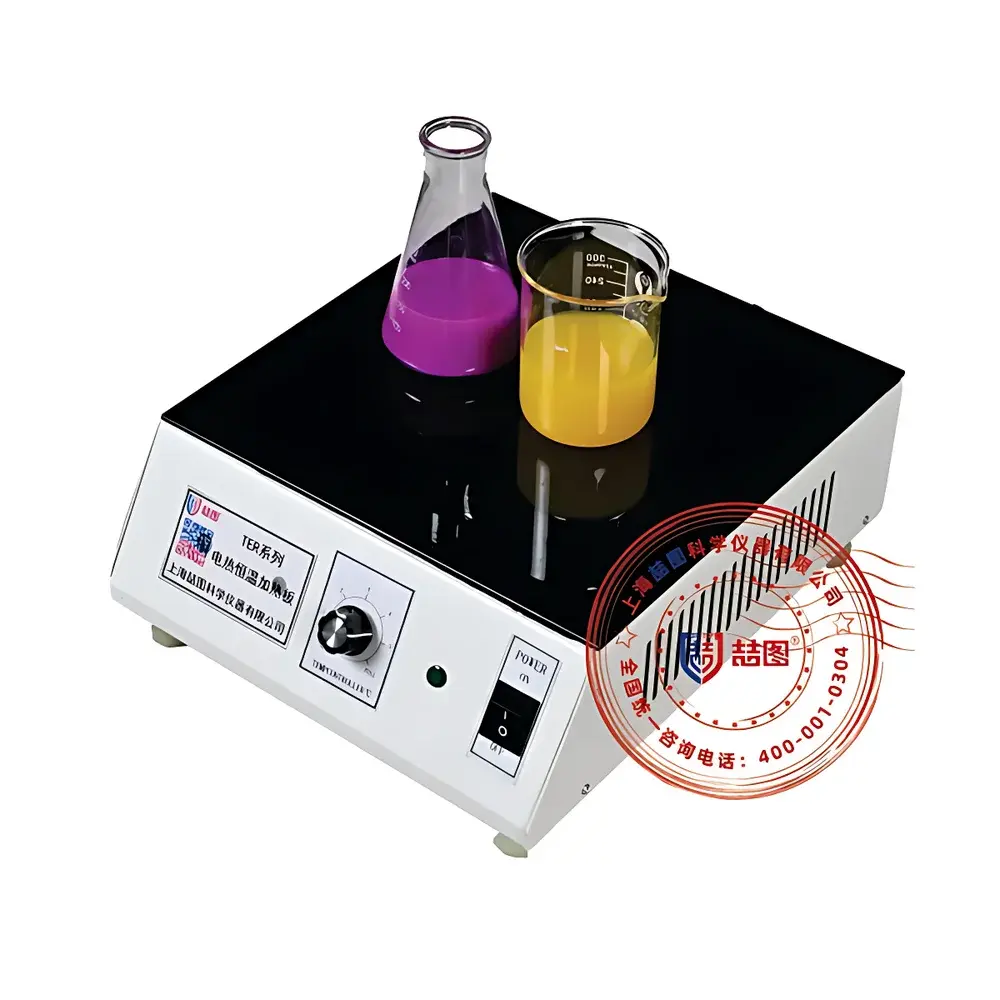
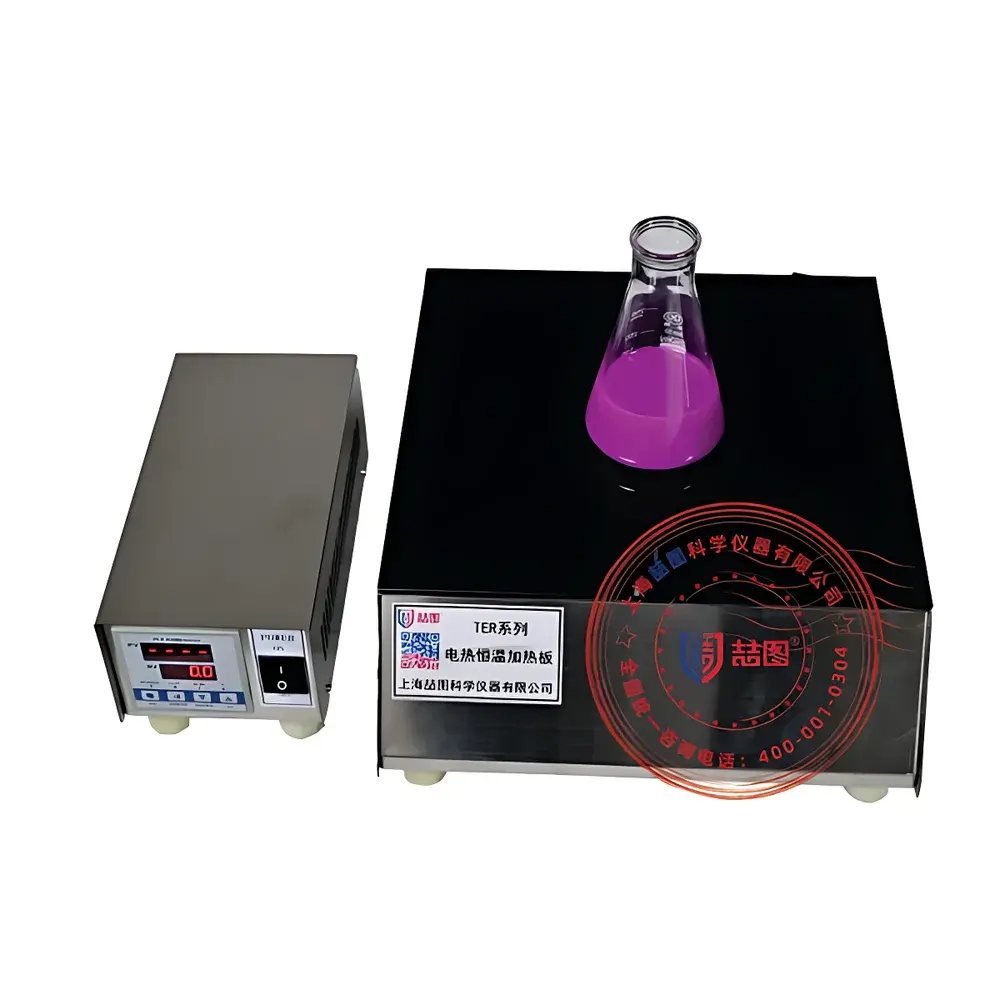
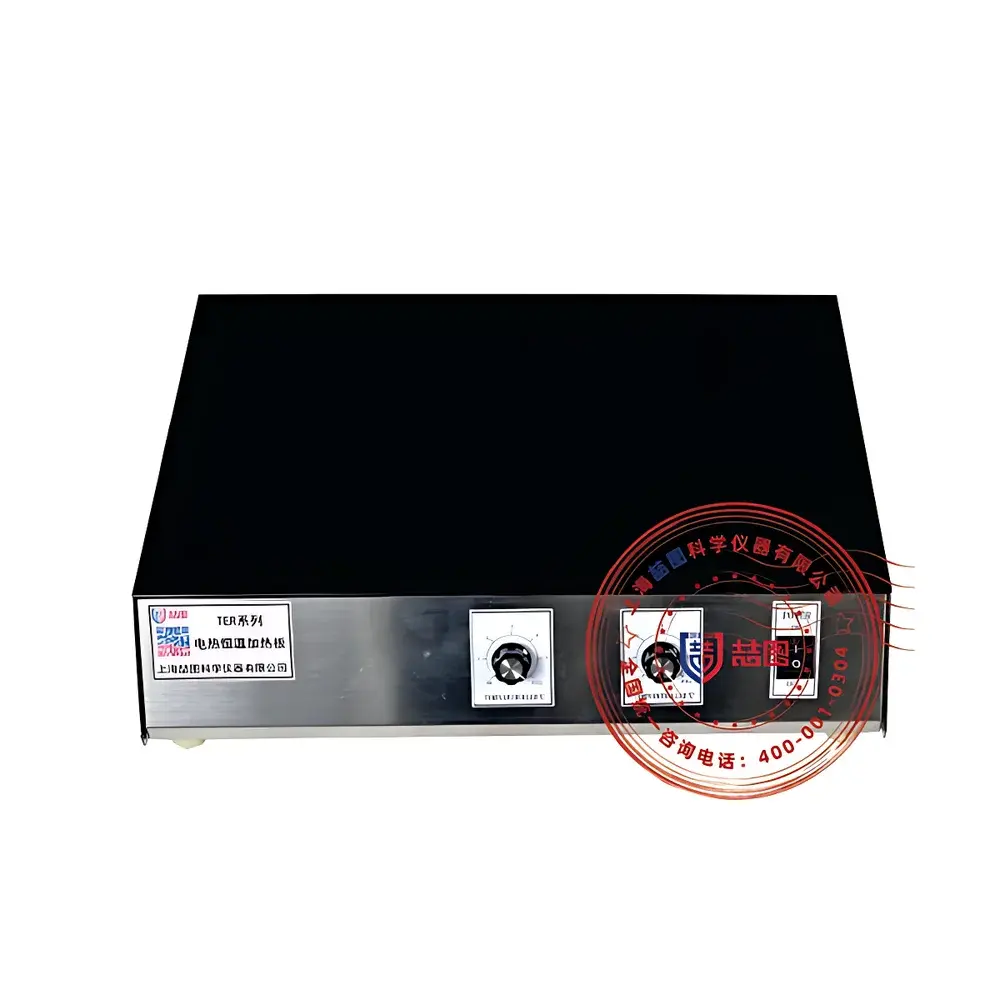
DRETOP TER-30S Digital Ceramic Hotplate with Acid-Alkali Resistant Surface
| Brand | DRETOP |
|---|---|
| Origin | Shanghai, China |
| Manufacturer Type | Direct Manufacturer |
| Model | TER-30S |
| Heating Power | 1200 W |
| Temperature Control | PID Microprocessor Controller |
| Max Operating Temperature | 400 °C |
| Heating Zone Dimensions | 300 × 300 mm |
| Overall Dimensions | 300 × 355 × 130 mm |
| Display | Digital LED |
| Surface Material | Ceramized Glass (Microcrystalline Glass) |
| Construction | Integrated One-Piece Design with Corrosion-Resistant 316L Stainless Steel Frame |
Overview
The DRETOP TER-30S Digital Ceramic Hotplate is an integrated, laboratory-grade electric heating platform engineered for precise, stable, and chemically resilient thermal processing of samples in demanding analytical and preparatory workflows. It operates on the principle of resistive heating via embedded high-efficiency heating elements beneath a monolithic ceramized glass (microcrystalline glass) surface — a composite material formed through controlled crystallization of glass matrix at elevated temperatures. This surface exhibits near-zero porosity, exceptional thermal shock resistance (ΔT > 300 °C), low coefficient of thermal expansion (≈ 0–3 × 10⁻⁶ /°C), and outstanding chemical inertness against concentrated mineral acids (e.g., HNO₃, HCl, HF up to 40 wt%), alkalis (e.g., NaOH, KOH), and organic solvents. Unlike traditional enamel or aluminum hotplates, the TER-30S eliminates hot-spot formation through uniform volumetric heat distribution and passive thermal homogenization across its 300 × 300 mm active zone. Its design conforms to ISO/IEC 17025 requirements for equipment suitability in accredited testing laboratories, supporting GLP-compliant sample digestion, evaporation, and reaction staging where trace contamination and temperature drift must be minimized.
Key Features
- PID microprocessor-based temperature control with ±0.1 °C setpoint stability over 8-hour continuous operation; algorithm optimized for load-dependent thermal inertia compensation
- Ceramized glass top plate (Schott Robax®-equivalent composition) — non-porous, scratch-resistant, and certified per ASTM C1525 for thermal shock endurance
- Corrosion-hardened enclosure: perimeter frame and housing fabricated from ASTM A240 Grade 316L stainless steel, passivated per ASTM A967
- Sealed internal architecture: all electronics, wiring, and power components fully encapsulated within epoxy-coated, gasketed compartments to prevent acid vapor ingress
- Integrated digital interface: 4-digit LED display with dual-parameter readout (setpoint & real-time surface temperature), accessible via front-panel membrane buttons
- Ergonomic thermal safety: 35 mm peripheral margin maintained at <45 °C during full-load operation; base equipped with ceramic-insulated, non-slip silicone feet (20 mm standoff)
- Energy-efficient thermal management: automatic power modulation reduces standby consumption by >65% versus fixed-wattage analog units
Sample Compatibility & Compliance
The TER-30S supports open-vessel applications including EPA Method 3050B/3051A acid digestion, AOAC 985.27 fat extraction, ISO 11466 soil metal leaching, and USP heavy metal testing. Its inert surface prevents catalytic interference during HNO₃/HF-based silicate dissolution and avoids carbon residue buildup common with graphite plates. The unit complies with IEC 61010-1:2010 (Safety Requirements for Electrical Equipment for Measurement, Control, and Laboratory Use), carries CE marking under the Low Voltage Directive 2014/35/EU and EMC Directive 2014/30/EU, and meets RoHS 2011/65/EU substance restrictions. For regulated environments, optional audit-trail-capable firmware (v2.3+) enables 21 CFR Part 11–compliant electronic recordkeeping when paired with DRETOP LabLink™ software.
Software & Data Management
While the TER-30S operates as a standalone instrument, it features an RS-485 communication port (Modbus RTU protocol) for integration into centralized lab automation systems. Optional DRETOP LabLink™ v4.2 software provides remote parameter configuration, real-time temperature logging (1 Hz sampling), deviation alarm triggering, and CSV export compatible with LIMS platforms such as LabWare LIMS and Thermo Fisher SampleManager. All logged data includes timestamp, operator ID, environmental ambient reading (via external probe input), and hardware checksum verification — fulfilling ALCOA+ data integrity criteria for GxP-regulated labs.
Applications
- Environmental Testing: EPA-compliant soil/sediment digestion (ASTM D3974), wastewater sludge stabilization, and perchlorate removal kinetics studies
- Food & Agriculture: Kjeldahl nitrogen digestion (AOAC 984.13), AOCS Ca 5a-40 lipid hydrolysis, and pesticide residue evaporation (EN 15662)
- Materials Science: Precursor annealing for MOF synthesis, polymer crosslinking trials, and catalyst pre-conditioning under inert gas shrouds
- Pharmaceutical QC: USP melting point verification support, residual solvent removal per ICH Q3C, and excipient drying validation
- Academic Research: Inorganic synthesis (e.g., hydrothermal precursor aging), nanomaterial calcination (≤400 °C), and electrochemical electrode activation
FAQ
What is the maximum recommended operating temperature for continuous use?
The TER-30S is rated for sustained operation at 400 °C; however, for optimal long-term stability of the microcrystalline surface and PID sensor calibration, DRETOP recommends limiting continuous exposure above 350 °C to ≤4 hours per cycle.
Can the hotplate be used under fume hood conditions with aggressive acid vapors?
Yes — the sealed 316L chassis and fully potted electronics provide IP54-level protection against condensing HCl/HNO₃ vapors; routine wipe-down with deionized water is sufficient for maintenance.
Is the surface compatible with PTFE-coated magnetic stir bars?
Yes; the non-magnetic ceramized glass surface does not interfere with stir bar rotation, and the smooth finish minimizes abrasion-induced PTFE shedding.
Does the unit support programmable ramp-soak profiles?
No — the standard TER-30S implements single-setpoint PID control; multi-step profiles require the TER-30S-I variant with integrated programmable controller module.
How is temperature uniformity validated across the heating zone?
Per DRETOP factory calibration protocol (performed using NIST-traceable PT100 array), uniformity is verified at three load conditions (empty, 3 × 100 mL beakers, 1 × 500 mL digestion vessel) and reported as ≤±2.5 °C across the central 250 × 250 mm area at 300 °C.
Related Products



