
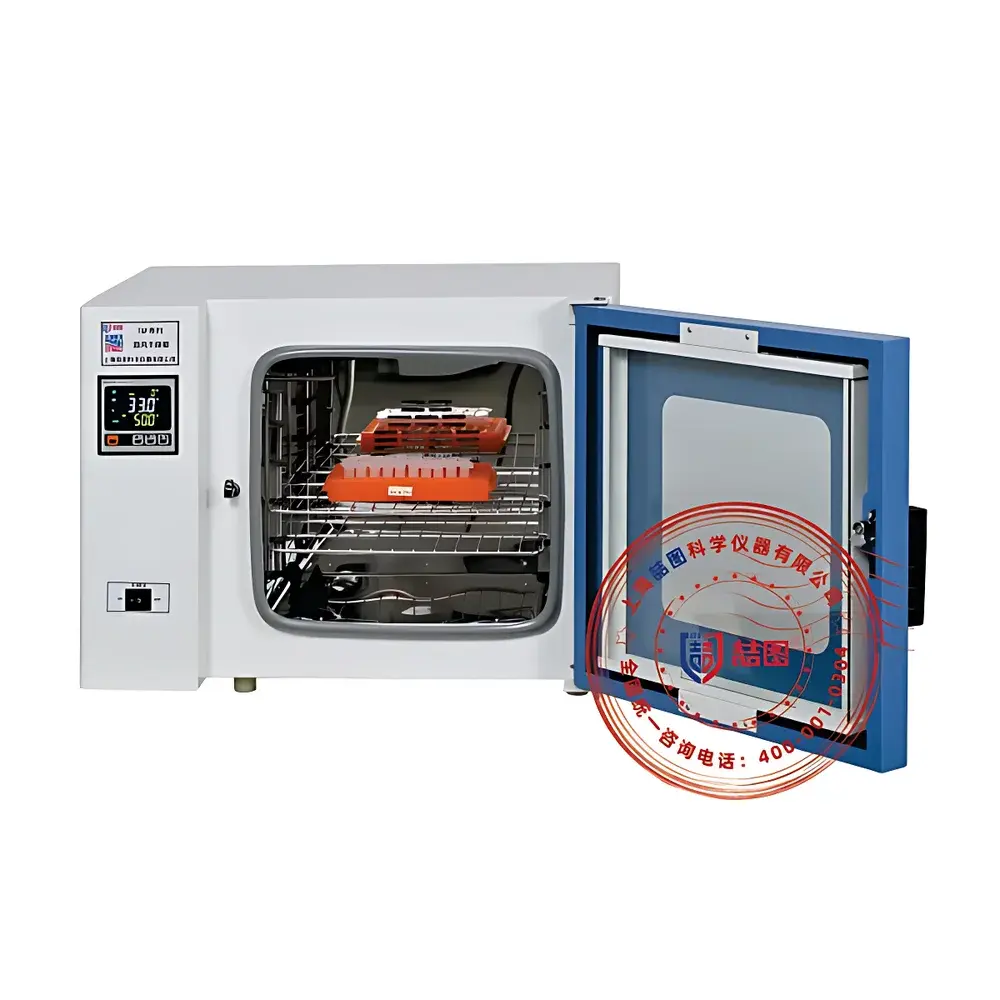
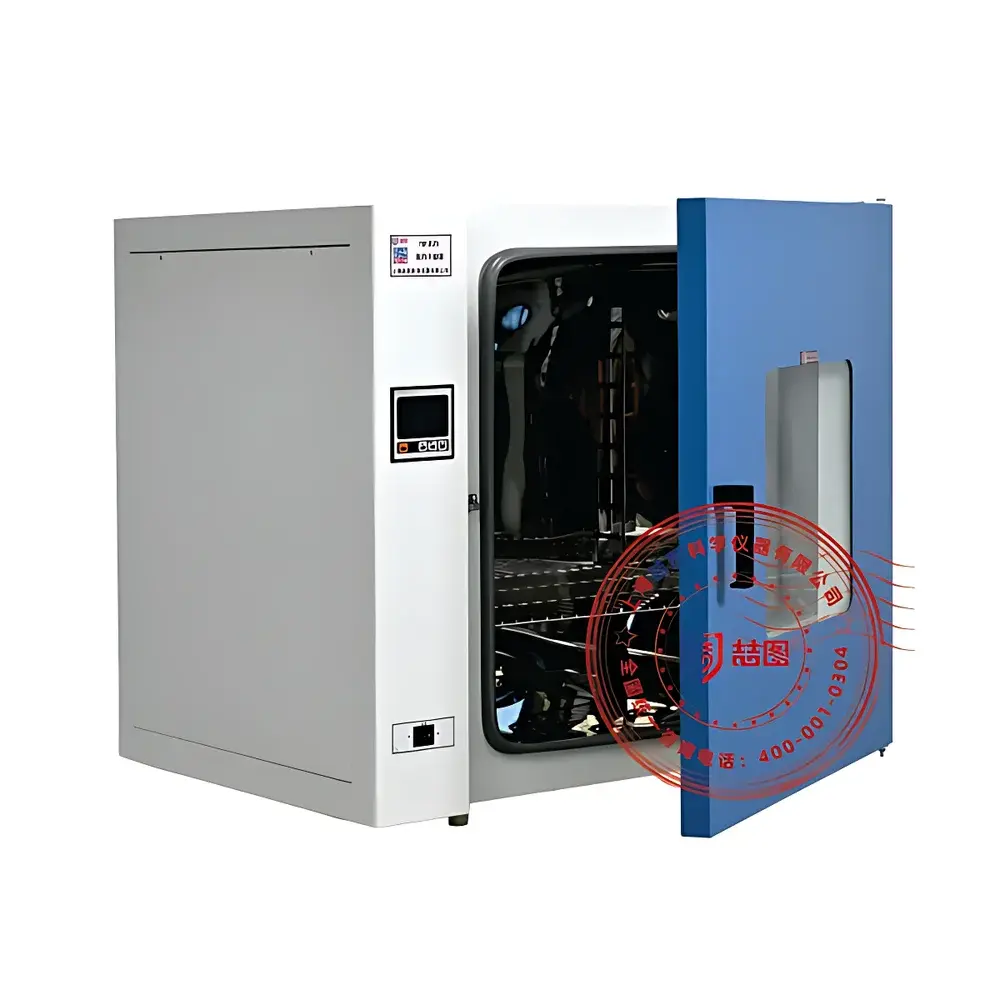
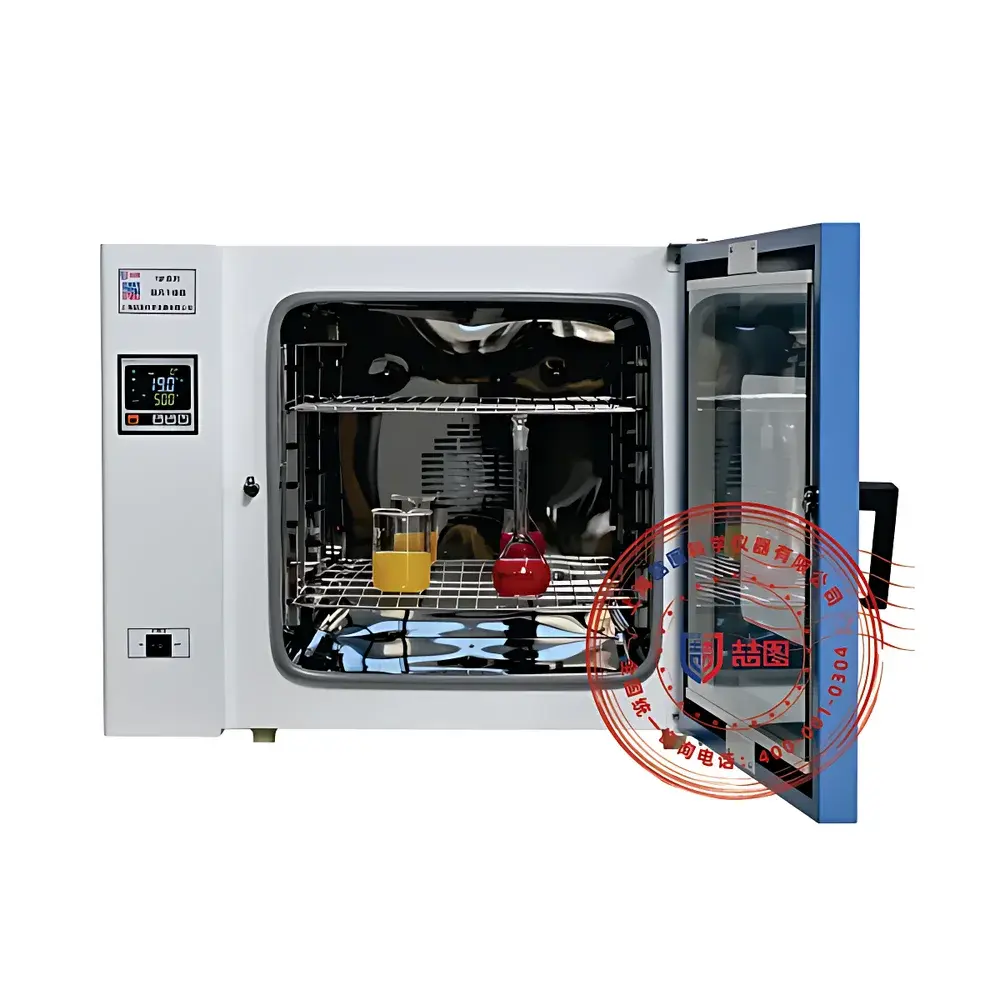
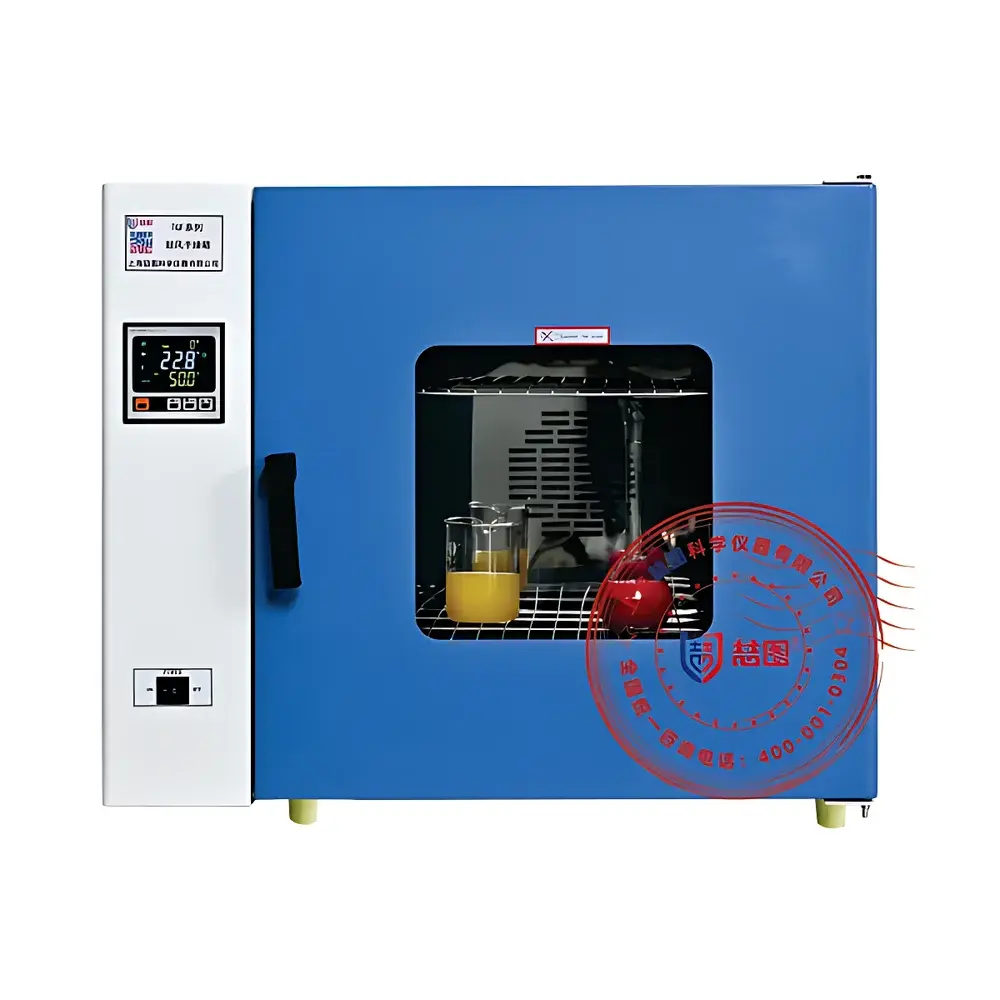
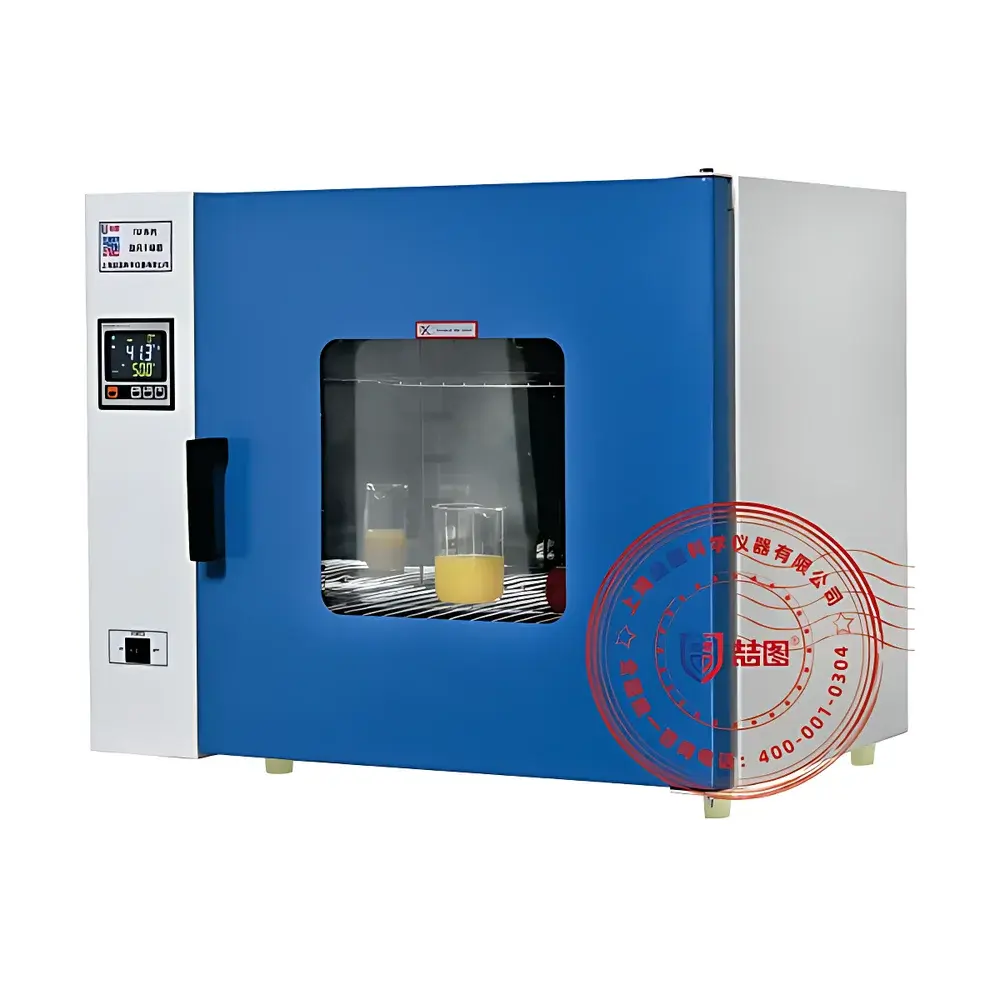
DRETOP TGF-9035A Forced-Air Drying Oven
| Brand | DRETOP |
|---|---|
| Origin | Shanghai, China |
| Manufacturer Type | Direct Manufacturer |
| Model | TGF-9035A |
| Instrument Type | General-Purpose Forced-Air Oven |
| Temperature Range | RT+10°C to 300°C |
| Temperature Uniformity | ±2.5°C (at 100°C, empty chamber) |
| Temperature Fluctuation | ±1°C |
| Temperature Resolution | 0.1°C |
| Chamber Dimensions (W×D×H) | 340×330×320 mm |
| External Dimensions (W×D×H) | 625×540×500 mm |
| Operating Ambient Temperature | +5°C to +40°C |
| Interior Material | Stainless Steel (Brushed Finish) |
| Heating Method | Forced-Air Convection with High-Temperature Fan and Optimized Airflow Duct Design |
| Power Input | 1100 W / 1550 W (dual-voltage configuration) |
Overview
The DRETOP TGF-9035A Forced-Air Drying Oven is an engineered solution for precise, repeatable thermal processing in research laboratories, quality control environments, and industrial R&D settings. Designed around the principle of forced convection—where a high-temperature-rated centrifugal fan circulates heated air through a thermally optimized duct system—the oven ensures rapid heat transfer and stable thermal equilibrium across the entire working chamber. Unlike natural convection ovens, the TGF-9035A actively manages airflow direction, velocity, and distribution to minimize thermal stratification and reduce temperature gradients. Its operational range spans from ambient +10°C to 300°C, making it suitable for applications requiring moderate to high-temperature stability—including moisture removal, thermal aging, dry-heat sterilization (in accordance with ISO 17665-1 for dry-heat microbial inactivation validation), polymer curing, and pre-conditioning of analytical samples prior to gravimetric or chromatographic analysis.
Key Features
- Microprocessor-based P.I.D. temperature controller with 0.1°C resolution and real-time deviation compensation, delivering ±1°C temperature fluctuation and ±2.5°C uniformity (measured at 100°C, empty chamber per ASTM E145 Class II requirements)
- Dual-layer tempered glass observation window with reinforced aluminum frame, enabling non-intrusive visual monitoring without compromising thermal integrity or safety
- Adjustable, removable stainless steel shelving system (two shelves included); shelf spacing is user-configurable to accommodate varied sample geometries and loading densities
- Robust dual-stage rotary door lock mechanism with high-elasticity, high-temperature silicone gasket (rated to 350°C), ensuring long-term sealing performance and minimal heat leakage
- Self-diagnostic firmware with alphanumeric fault code display on the backlit LCD interface—enabling rapid troubleshooting of sensor anomalies, heater failures, or fan stall conditions
- Power-loss recovery function: automatically restores previously set parameters (target temperature, timer, alarm thresholds) upon re-energization, preserving experimental continuity
- Independent over-temperature cut-off circuit with audible/visual alarm—compliant with IEC 61010-1 safety standards for laboratory electrical equipment
Sample Compatibility & Compliance
The TGF-9035A accommodates a broad spectrum of non-volatile, non-explosive materials—including glassware, ceramic substrates, metal components, polymer films, pharmaceutical excipients, and inert biological carriers. It is explicitly not rated for flammable solvents, volatile organic compounds, or pyrophoric substances. The stainless steel interior (brushed AISI 304 grade) resists oxidation and corrosion under repeated thermal cycling, supporting GLP-compliant cleaning protocols. While not certified for medical device sterilization per ISO 13485, the unit meets essential design criteria referenced in USP for dry-heat depyrogenation validation studies when operated within defined process windows. All electrical components conform to CE marking directives (2014/30/EU EMC, 2014/35/EU LVD) and RoHS 2011/65/EU material restrictions.
Software & Data Management
The standard configuration includes a programmable timer (1–9999 minutes) and digital temperature logging via internal memory (non-volatile EEPROM). Optional upgrades support enhanced data traceability: a USB data export port enables CSV-formatted temperature/time logs to be transferred to external storage; an RS-485 interface (Modbus RTU protocol) allows integration into centralized Lab Information Management Systems (LIMS); and a configurable multi-segment programmable controller supports up to 30 ramp-hold cycles for complex thermal profiles. When paired with optional thermal printers or third-party SCADA platforms, the system satisfies audit trail requirements under FDA 21 CFR Part 11 for electronic records—provided appropriate user access controls and electronic signature workflows are implemented externally.
Applications
- Drying of volumetric glassware and precision labware prior to calibration or use in trace-moisture-sensitive assays
- Moisture content determination in coal, soil, foodstuffs, and pharmaceutical raw materials per ASTM D3173, ISO 712, or USP
- Thermal aging of electronic components and encapsulants per IPC-TM-650 2.6.7 and MIL-STD-883 Method 1008
- Pre-baking of PCBs and semiconductor wafers to eliminate residual solvent or adsorbed humidity
- Dry-heat treatment of stainless steel instruments and glass pipettes in microbiology labs (validated at ≥160°C for ≥2 hours)
- Curing of powder coatings, adhesives, and composite matrix resins where controlled ramp rates and dwell times are critical
FAQ
What is the maximum safe operating temperature for continuous use?
The TGF-9035A is rated for continuous operation up to 300°C. Sustained use above this threshold may degrade insulation integrity and compromise sensor accuracy.
Can this oven be used for sterilization of surgical instruments?
It is not validated or certified for medical device sterilization. Dry-heat sterilization requires documented cycle development, biological indicator challenge testing, and compliance with ISO 17665—processes beyond the scope of this general-purpose oven.
Is the stainless steel interior electropolished or passivated?
The interior uses brushed AISI 304 stainless steel. Electropolishing is not standard but can be specified as a custom option for enhanced corrosion resistance in aggressive chemical environments.
Does the oven include a calibration certificate?
No factory calibration certificate is supplied by default. However, the PT100 sensor and controller are designed to accept third-party NIST-traceable calibration using standard dry-block or probe calibrators.
What maintenance is required to ensure long-term temperature uniformity?
Annual verification of airflow balance (via anemometer at multiple chamber locations) and recalibration of the temperature sensor are recommended. Clean the air intake filter quarterly and inspect the silicone door gasket for compression set or cracking every six months.



