
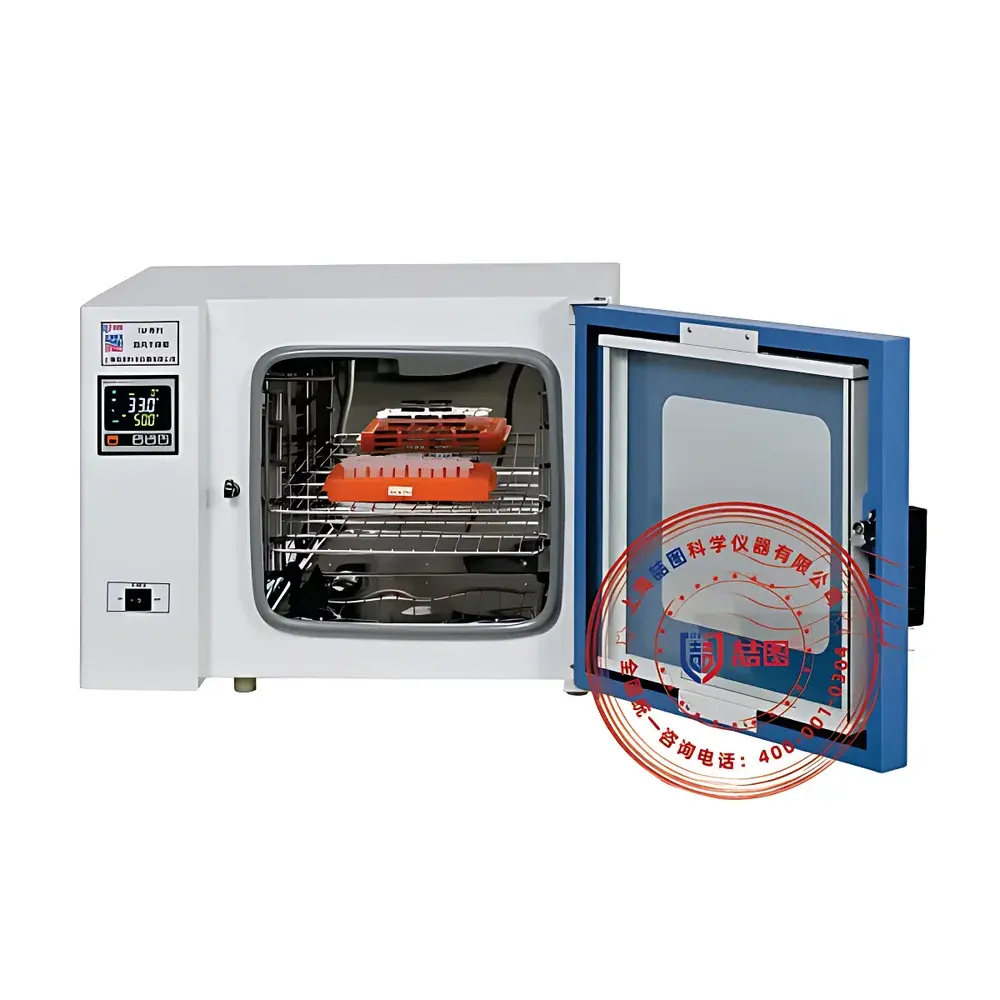
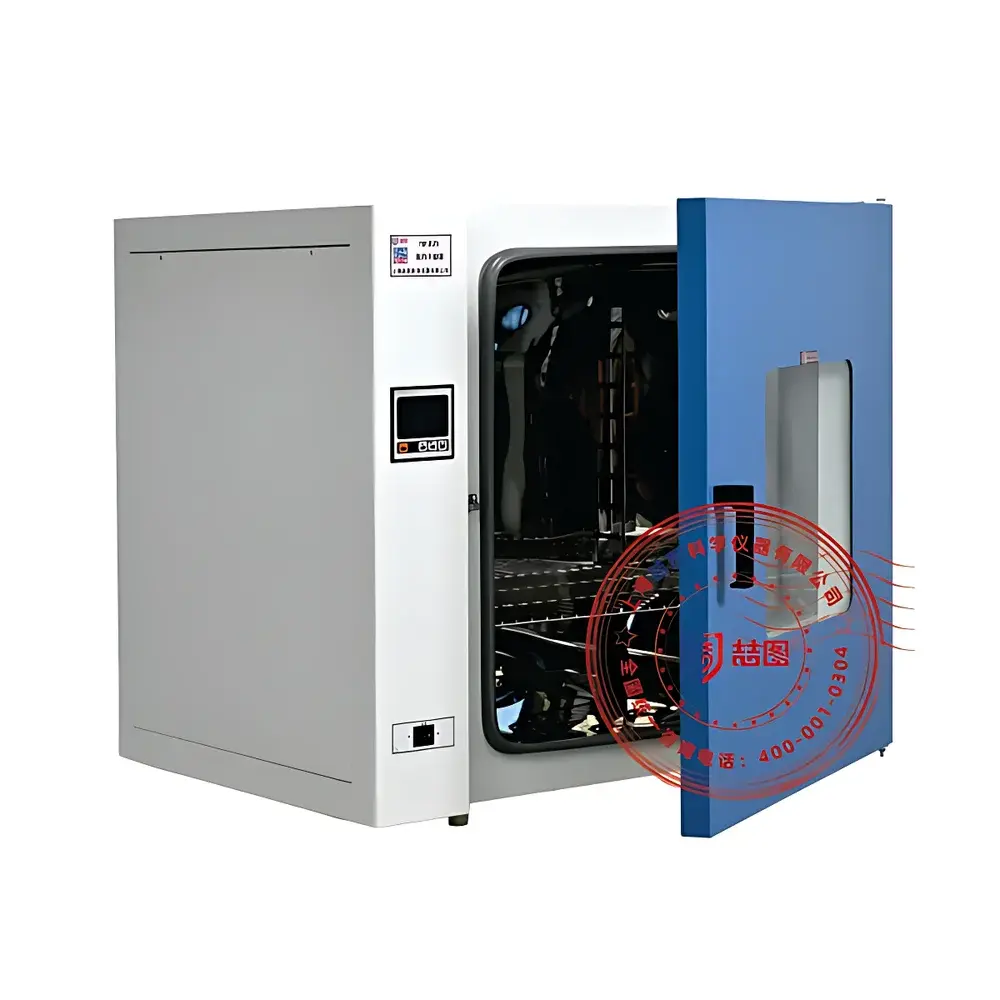
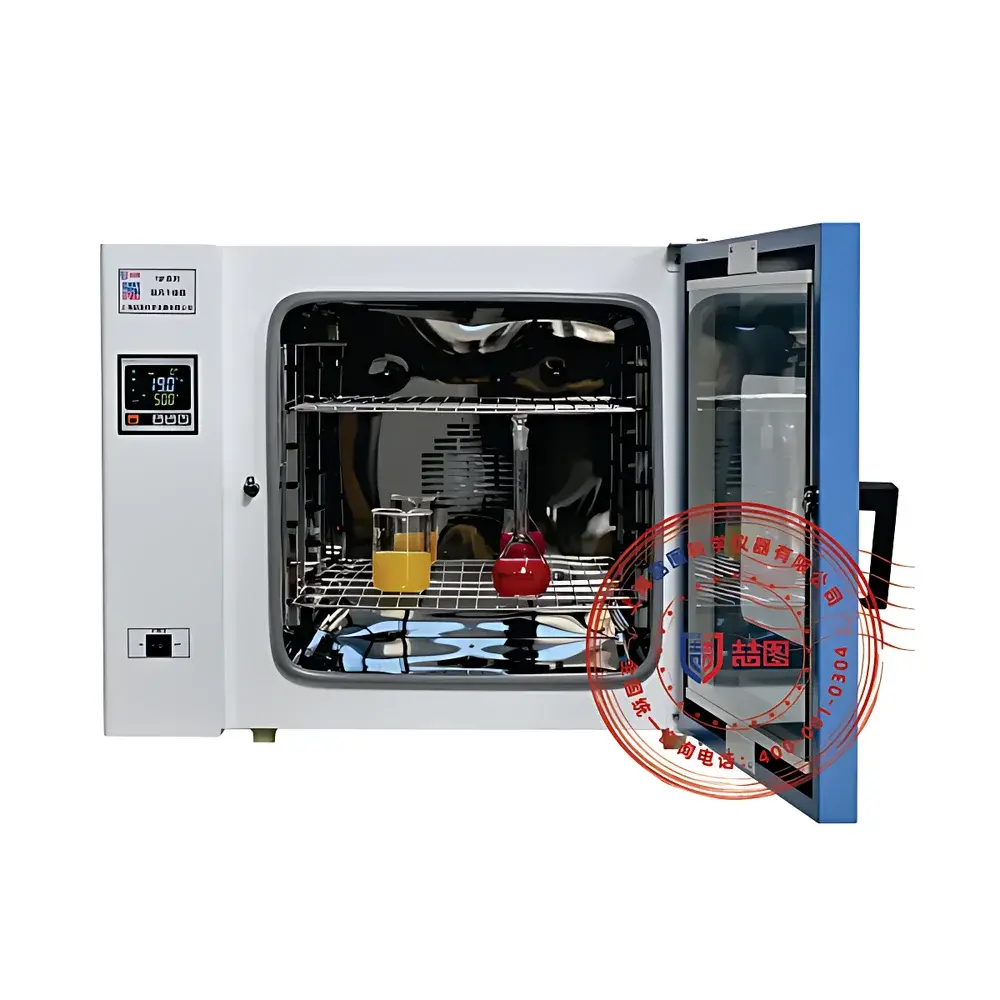
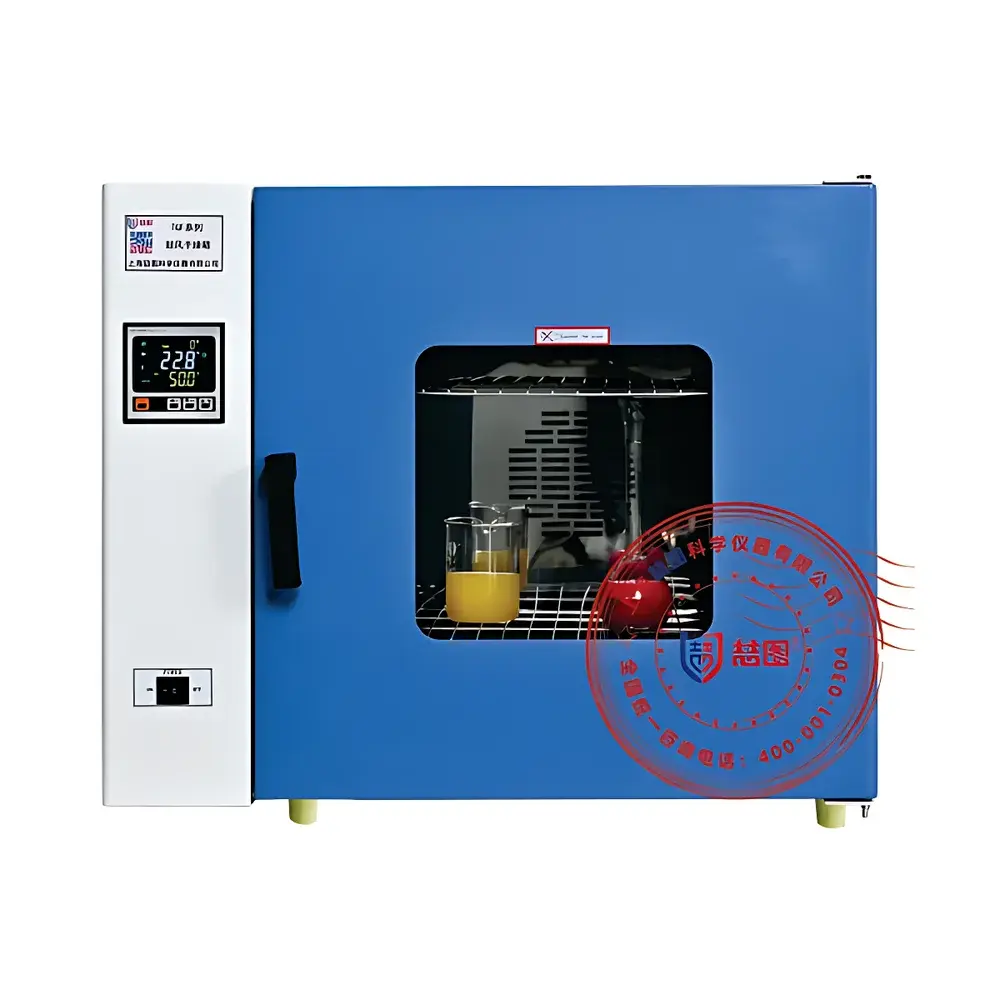
DRETOP TGF-9070A Forced-Air Drying Oven
| Brand | DRETOP |
|---|---|
| Origin | Shanghai, China |
| Manufacturer Type | Direct Manufacturer |
| Product Category | Domestic |
| Model | TGF-9070A |
| Instrument Type | Standard Forced-Air Oven |
| Temperature Range | RT+10°C to 250°C |
| Temperature Uniformity | ±2.5°C (at 100°C, empty chamber) |
| Temperature Fluctuation | ±1°C |
| Temperature Resolution | 0.1°C |
| Chamber Dimensions (W×D×H) | 450×400×450 mm |
| External Dimensions (W×D×H) | 735×615×630 mm |
| Control Range | RT+10°C to 250°C |
| Operating Ambient Temperature | +5°C to +40°C above ambient |
| Inner Chamber Material | Stainless Steel (mirror-finish) |
| Heating Method | Forced Convection with Adjustable Airflow |
| Vacuum Capability | Not applicable (standard atmospheric operation only) |
Overview
The DRETOP TGF-9070A Forced-Air Drying Oven is an engineered solution for precise, repeatable thermal processing in laboratory and industrial quality control environments. Designed around a robust forced-convection architecture, it maintains uniform temperature distribution across the entire working chamber via a high-efficiency centrifugal fan and optimized air duct geometry. Unlike natural convection ovens, this model ensures rapid heat transfer and minimized thermal gradients—critical for applications requiring consistent drying kinetics, moisture removal, or dry-heat sterilization. Its operational envelope spans from ambient +10°C to 250°C, making it suitable for routine desiccation of glassware, thermal conditioning of polymer samples, residual solvent evaporation in pharmaceutical intermediates, and pre-sterilization of stainless steel instruments under GLP-compliant workflows.
Key Features
- Microprocessor-based P.I.D. temperature controller with 0.1°C resolution and ±1°C fluctuation tolerance, supporting programmable ramp-hold profiles when equipped with optional multi-segment controllers.
- Dual-layer tempered glass observation window with silicone-gasketed dual-latch door mechanism, ensuring thermal integrity and visual monitoring without compromising chamber stability.
- Stainless steel (mirror-finish) interior chamber and adjustable, removable stainless steel shelves—corrosion-resistant and compliant with ISO 14644-1 Class 8 cleanroom maintenance protocols.
- Self-diagnostic system with alphanumeric fault code display on the backlit LCD interface, enabling rapid troubleshooting of sensor drift, heater failure, or fan stall conditions.
- Independent over-temperature cut-off circuit with audible/visual alarm, meeting IEC 61010-1 safety requirements for laboratory electrical equipment.
- Auto-recovery function preserving setpoint and timer values after power interruption—essential for unattended overnight operations in regulated environments.
Sample Compatibility & Compliance
The TGF-9070A accommodates non-volatile, non-explosive, and non-hygroscopic materials including ceramic substrates, metal components, biological media plates (post-incubation), filter membranes, and calibration standards. It is not rated for flammable solvents, volatile organic compounds, or vacuum operation. The unit complies with GB/T 5170.2–2017 (Chinese national standard for temperature uniformity testing of dry heat ovens) and aligns with ASTM E2234–22 Annex A1 for thermal validation of dry-heat sterilization cycles. While not inherently 21 CFR Part 11–compliant, optional RS485 communication and USB data export enable integration into validated electronic lab notebook (ELN) systems where audit trails and user access controls are externally managed.
Software & Data Management
The base configuration includes a standalone microcontroller with real-time clock and 9999-minute timer. Optional upgrades include:
- USB data logging module for time-stamped temperature history export to CSV files;
- RS485 Modbus RTU interface for SCADA integration and centralized monitoring;
- Programmable logic controller (PLC)-compatible analog output (4–20 mA) for external process interlocks;
- Color touchscreen HMI with multi-step profile programming, event logging, and password-protected parameter editing.
All digital interfaces support traceable calibration verification per ISO/IEC 17025:2017 Clause 5.10.4, provided external validation procedures are implemented by the end user.
Applications
- Drying of volumetric glassware prior to gravimetric analysis (e.g., ASTM E180–21);
- Moisture content determination in coal, soil, and foodstuffs (AOAC 925.09, USP <921>);
- Dry-heat sterilization of surgical instruments at ≥160°C for ≥120 minutes (ISO 17665-1:2012);
- Thermal aging studies of epoxy resins and thermoset composites (ASTM D3045–17);
- Baking of printed circuit board (PCB) assemblies prior to solder paste application;
- Pre-conditioning of reference standards for humidity calibration (ISO 8503-2).
FAQ
Is the TGF-9070A suitable for sterilizing microbiological media?
No—this model is not validated for steam sterilization or depyrogenation. It supports dry-heat sterilization of metal tools only, following validated cycle parameters defined by internal SOPs.
Can the oven operate continuously at 250°C?
Yes, the heating elements and insulation are rated for continuous duty at maximum temperature; however, long-term exposure above 200°C may accelerate gasket aging and require more frequent preventive maintenance.
Does the unit include a validation port or temperature mapping capability?
The standard configuration lacks a dedicated PT100 probe port, but optional 30-mm diameter test holes (with silicone plugs) can be factory-installed upon request for IQ/OQ temperature mapping.
What is the recommended calibration frequency?
Per ISO/IEC 17025, calibration should occur before first use, after any repair affecting thermal performance, and at intervals not exceeding 12 months—verified using NIST-traceable reference thermometers.
Is the stainless steel interior electropolished?
No—the inner chamber uses mirror-finish 304 stainless steel, which provides adequate corrosion resistance for routine lab use but does not meet electropolished surface roughness specifications (Ra ≤ 0.4 µm) required for semiconductor or biopharma applications.



