
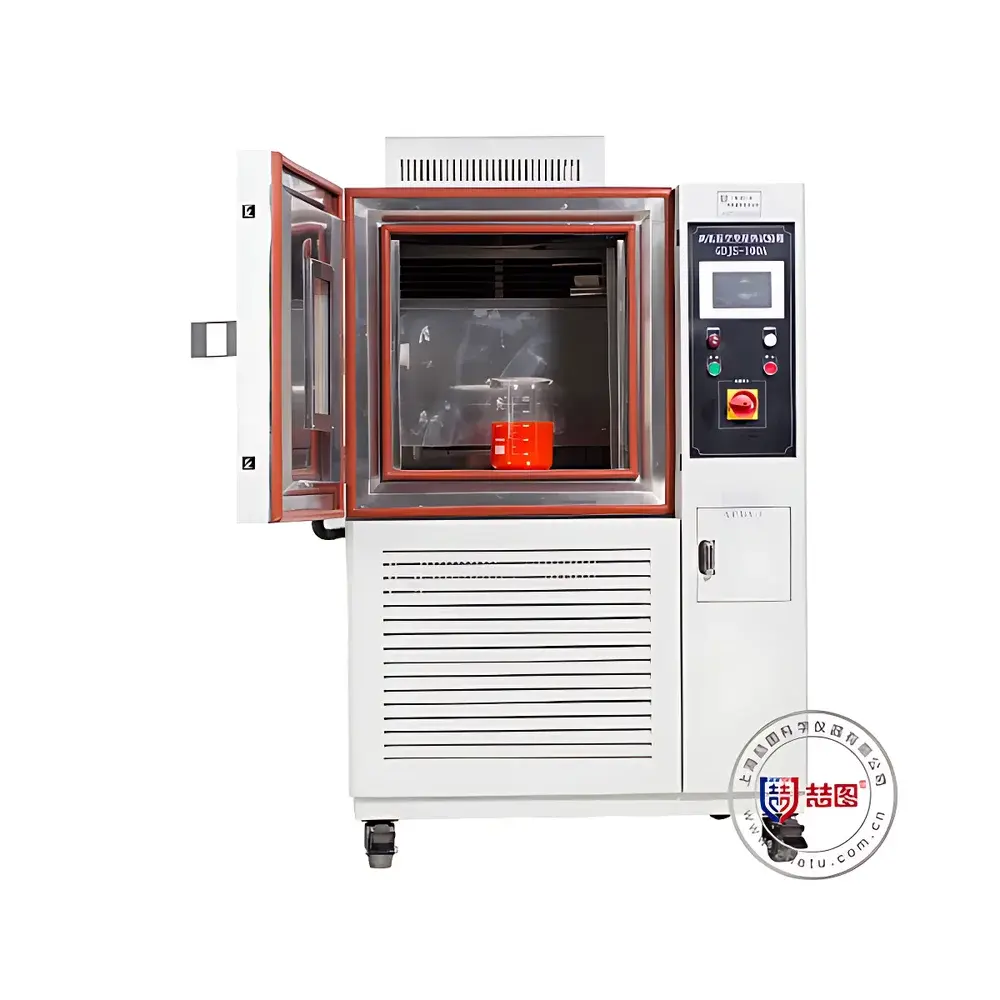
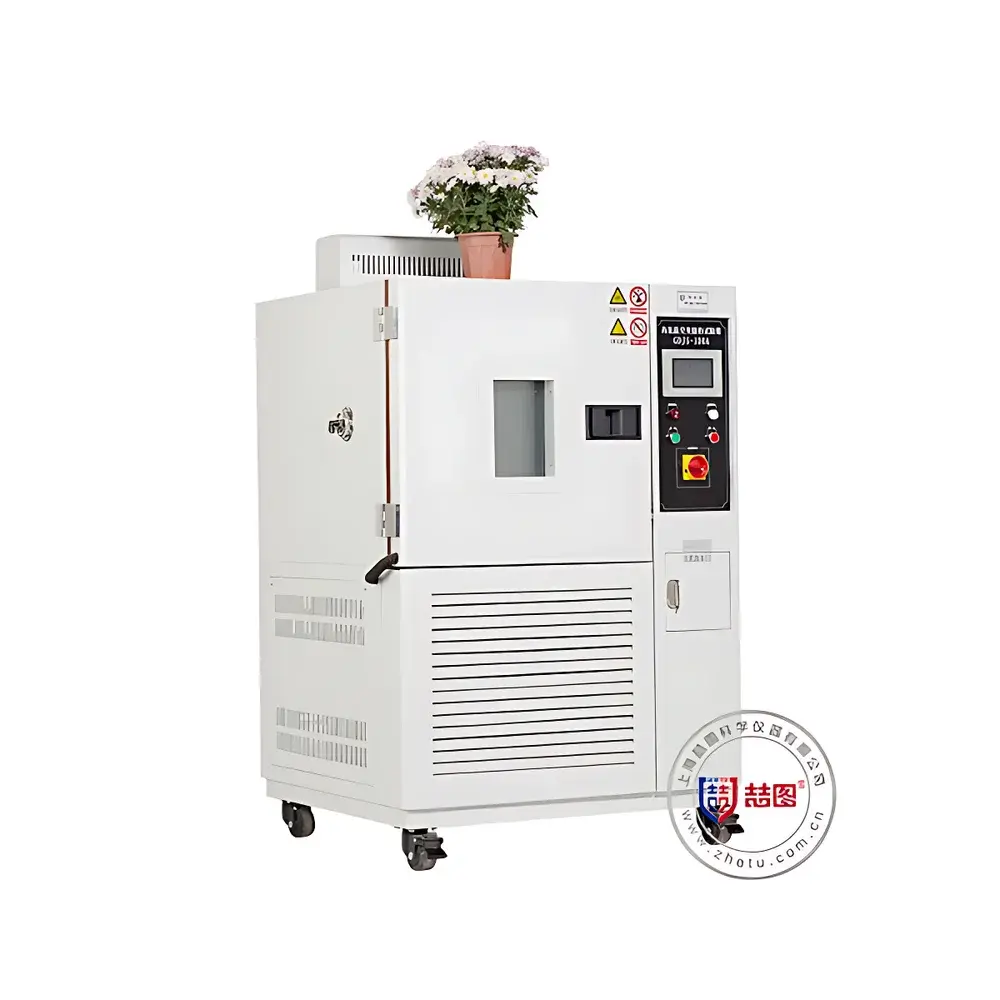
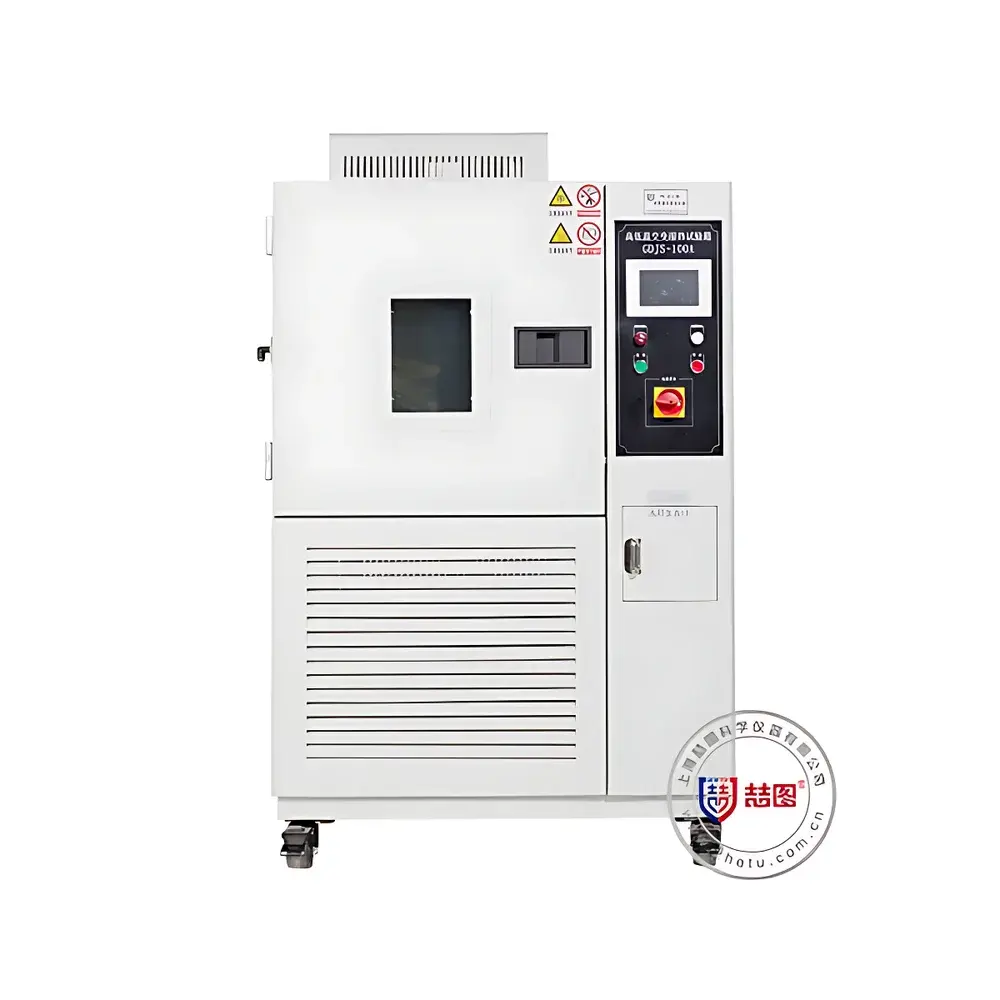
DRETOP THL-B225-II High-Low Temperature Environmental Test Chamber
| Brand | DRETOP |
|---|---|
| Origin | Shanghai, China |
| Manufacturer Type | Direct Manufacturer |
| Model | THL-B225-II |
| Temperature Range | -40 °C to +150 °C |
| Refrigeration Method | Hermetic Compressor Cooling |
| Explosion-Proof | Standard (Non-Explosion-Proof) |
| Temperature Fluctuation | ±0.5 °C |
| Temperature Uniformity | ≤2 °C |
| Heating Rate | 1–3 °C/min (adjustable) |
| Cooling Rate | 0.7–1 °C/min (adjustable) |
| Interior Dimensions (W×D×H) | 600 × 500 × 750 mm |
| Control Interface | Color Touchscreen with 1000 Programmable Profiles (100 Segments per Profile) |
| Compliance | Designed for ASTM D3574, ISO 16750-4, IEC 60068-2-1/2/14, MIL-STD-810H environmental stress screening protocols |
Overview
The DRETOP THL-B225-II High-Low Temperature Environmental Test Chamber is an engineered solution for accelerated thermal stress testing of industrial components and materials under controlled, repeatable, and traceable conditions. Based on dual-stage compressor refrigeration and precision PID-controlled resistive heating, the chamber replicates real-world thermal exposure profiles—including rapid transitions, sustained extremes, and cyclic variations—required for reliability validation in product development and quality assurance workflows. Its operational range spans from –40 °C to +150 °C, supporting both static temperature hold and dynamic temperature ramping protocols essential for evaluating thermal expansion coefficients, seal integrity, solder joint fatigue, polymer embrittlement, and electronic component drift. The chamber complies with foundational environmental test standards including ISO 16750-4 (road vehicles), IEC 60068-2-1 (cold) and -2-2 (dry heat), and ASTM D3574 (flexible cellular materials), making it suitable for pre-compliance screening prior to formal third-party certification.
Key Features
- Color touchscreen HMI with intuitive navigation, multi-language support (English/Chinese), and hierarchical password protection—enabling role-based access control for operators, engineers, and QA supervisors.
- Advanced programmability: up to 1000 user-defined test profiles, each supporting 100 sequential segments with independent ramp rates, dwell times, and setpoint transitions.
- Dual-stage hermetic compressor system with shared evaporator-condenser architecture, delivering stable low-temperature performance without liquid nitrogen or cryogenic consumables.
- Nichrome alloy heating elements coupled with high-efficiency centrifugal forced-air circulation ensure uniform thermal distribution (≤2 °C deviation across working volume) and rapid thermal recovery after door opening.
- Double-glazed, heated observation window with anti-frost coating prevents condensation buildup and enables unobstructed visual monitoring during extended test cycles.
- Robust chamber construction: stainless steel interior, silicon rubber door gasket rated for –40 °C to +150 °C service life, and reinforced insulated walls minimizing thermal leakage.
- Integrated safety systems include over-temperature cutoff, compressor/fan overload protection, ground fault interruption, and automatic power resumption after grid interruption.
- Standard 50 mm diameter test port with silicone plug supports powered or signal-carrying cable feedthroughs for in-situ electrical characterization during thermal cycling.
Sample Compatibility & Compliance
The THL-B225-II accommodates a broad spectrum of sample geometries and material classes—ranging from PCB assemblies and automotive sensors to elastomeric seals, battery modules, and aerospace fasteners—within its 225 L internal volume (600 × 500 × 750 mm). Two adjustable stainless steel shelves (included) allow vertical stacking while maintaining airflow clearance. The chamber’s thermal stability (±0.5 °C fluctuation) and uniformity (≤2 °C spatial variance) meet the minimum requirements for GLP-compliant environmental qualification per ISO/IEC 17025 Annex A.3 and align with GMP-relevant environmental monitoring guidance outlined in FDA 21 CFR Part 211. It is routinely deployed in laboratories conducting thermal aging per ASTM E1823, cold shock per MIL-STD-810H Method 502.7, and temperature cycling per JEDEC JESD22-A104E.
Software & Data Management
Data acquisition and reporting are supported via optional RS485 or USB interface, enabling integration with PC-based logging software (e.g., DRETOP LabView-compatible drivers or third-party SCADA platforms). Real-time temperature curves, event timestamps (door openings, program jumps, alarms), and cumulative runtime statistics are logged internally and exportable as CSV or Excel files. Audit trail functionality records operator ID, parameter changes, and profile execution history—meeting basic ALCOA+ data integrity principles for regulated environments. Optional firmware upgrades support enhanced traceability features, including digital signature authentication for critical test parameters and timestamped PDF report generation compliant with 21 CFR Part 11 Annex A expectations for electronic records.
Applications
- Electronics reliability: thermal cycling of PCBs, connectors, and MEMS devices to assess solder joint failure modes and CTE mismatch effects.
- Automotive component validation: under-hood sensor endurance testing, battery thermal management system verification, and rubber hose low-temperature flexibility assessment.
- Aerospace materials screening: composite laminate glass transition evaluation, adhesive bond strength degradation at extreme temperatures.
- Pharmaceutical packaging: stability testing of blister packs and vial stoppers under accelerated temperature stress per ICH Q1A(R3).
- Research & development: kinetic studies of polymer crystallization, phase-change material hysteresis, and catalyst thermal deactivation kinetics.
- Quality control: incoming inspection of raw materials (e.g., thermoplastics, elastomers) against supplier-specified thermal tolerance limits.
FAQ
What is the maximum allowable load weight inside the chamber?
The standard configuration supports up to 30 kg distributed evenly across both shelves. Custom reinforcement kits are available upon request for heavier payloads.
Can the THL-B225-II be integrated into a centralized lab monitoring network?
Yes—via optional RS485 Modbus RTU or Ethernet/IP communication modules, enabling remote status polling, alarm forwarding, and centralized profile deployment.
Is calibration documentation provided with shipment?
A factory calibration certificate (traceable to NIM China) is included, covering temperature uniformity and stability at three reference points (–40 °C, 25 °C, +150 °C). UKAS or DAkkS-accredited field calibration services are available separately.
Does the chamber meet IP rating requirements for dust or moisture ingress?
The THL-B225-II is not IP-rated; however, its sealed gasket design and filtered air intake provide effective particulate exclusion for cleanroom-adjacent operation. For wet/dusty environments, optional enclosure housing is recommended.
What maintenance intervals are recommended for long-term reliability?
Compressor oil and refrigerant levels should be verified annually; air filters cleaned quarterly; and door gasket integrity inspected biannually. Full preventive maintenance is advised every 24 months by certified DRETOP service personnel.



