
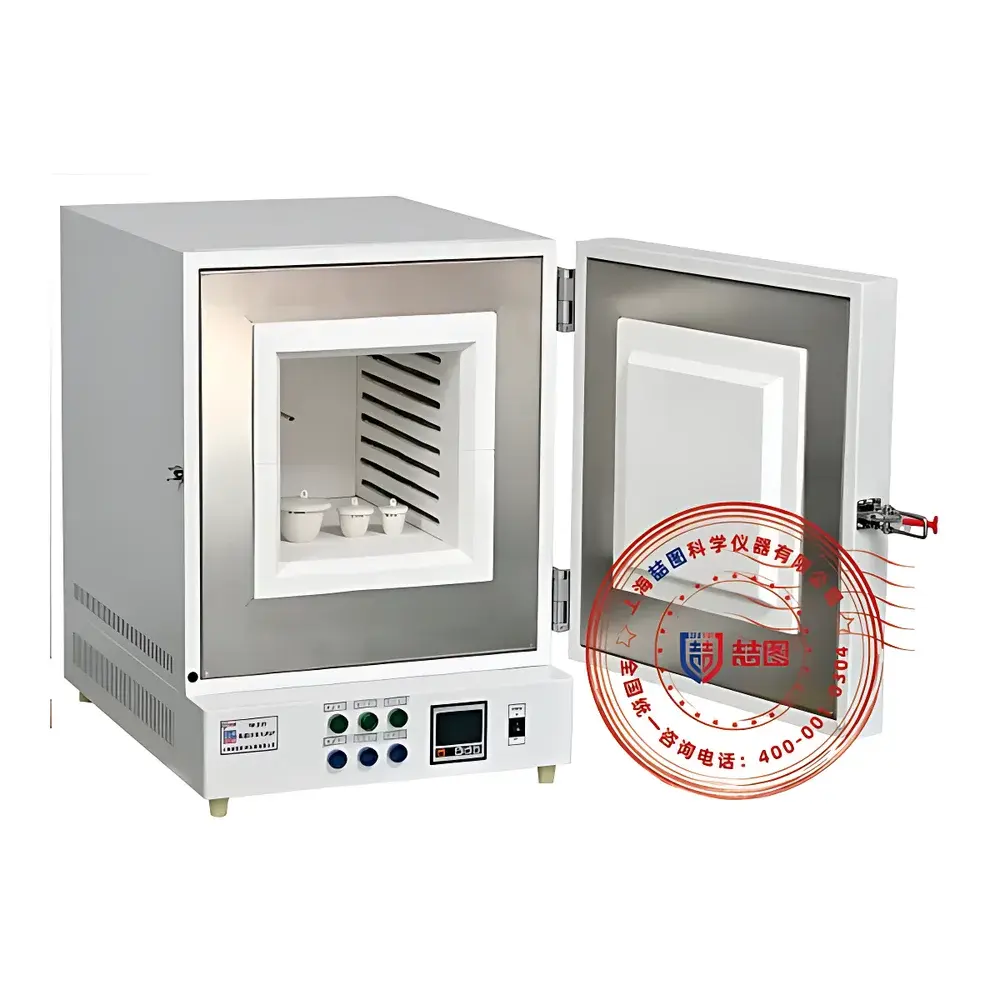
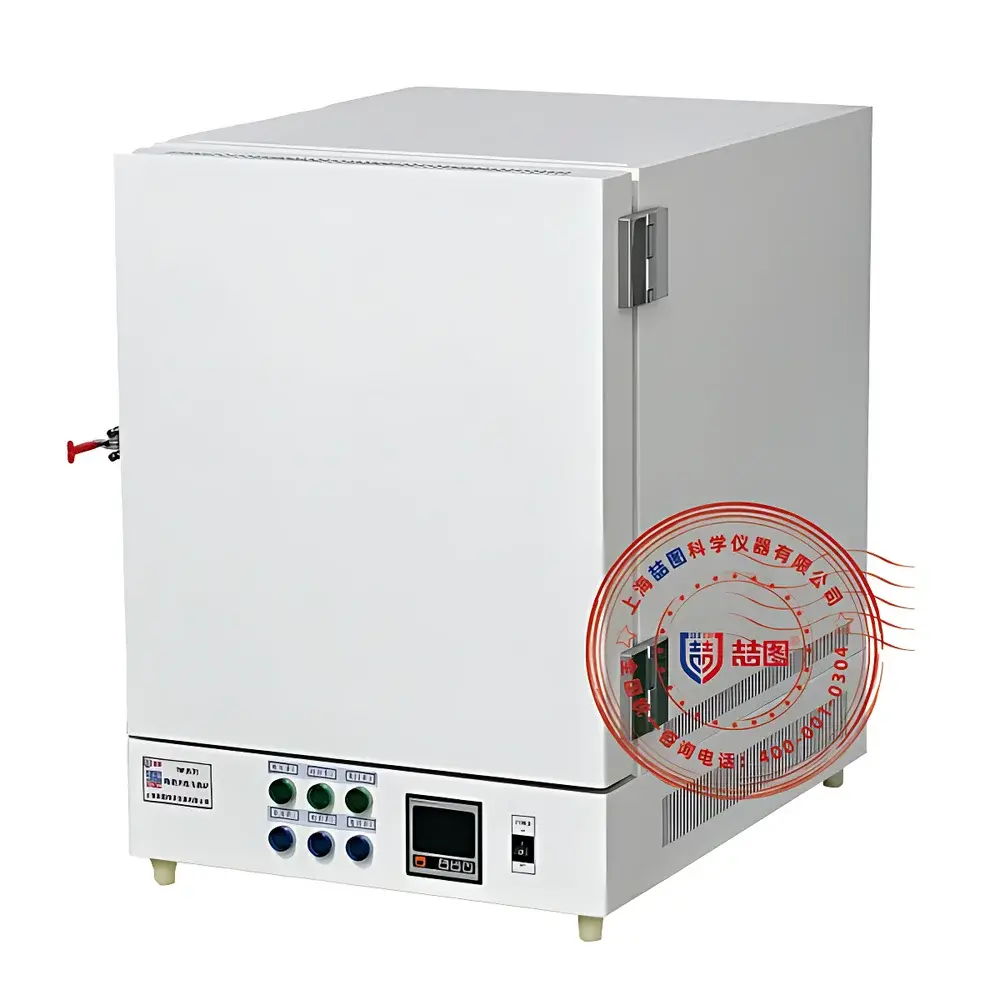
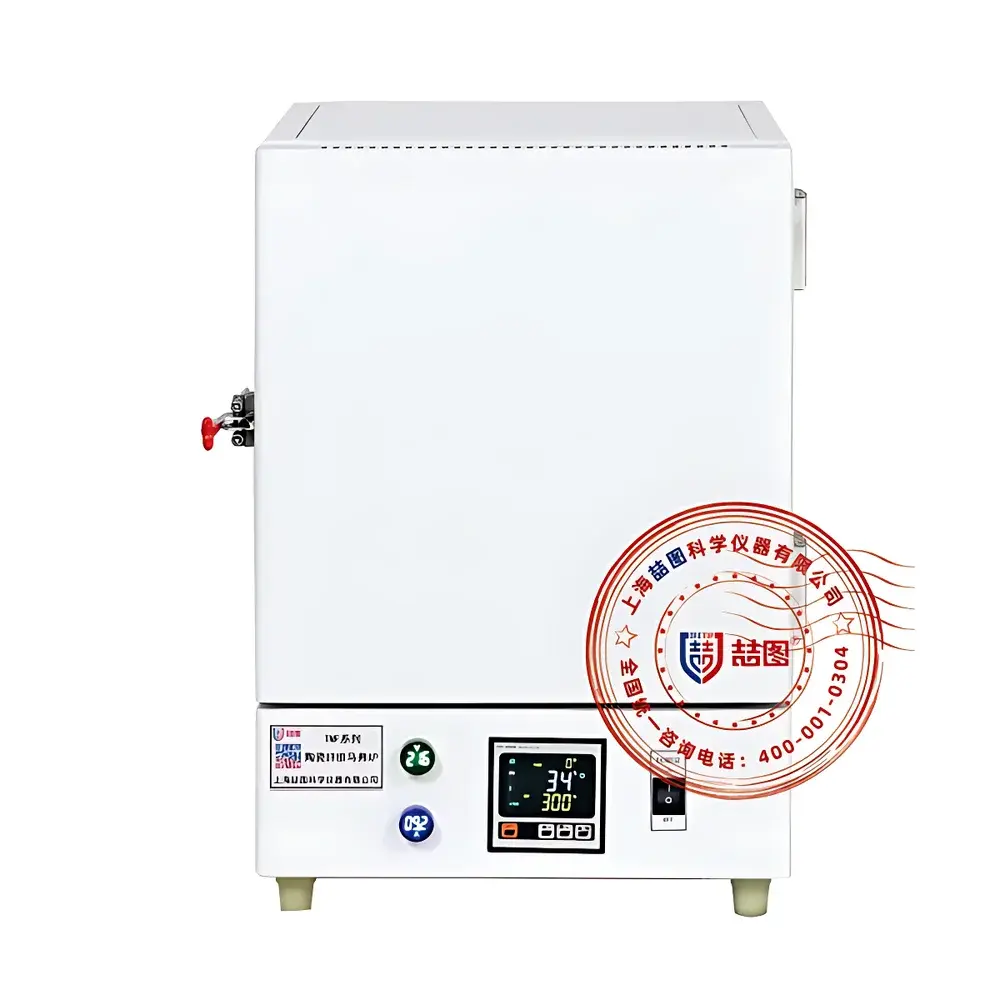
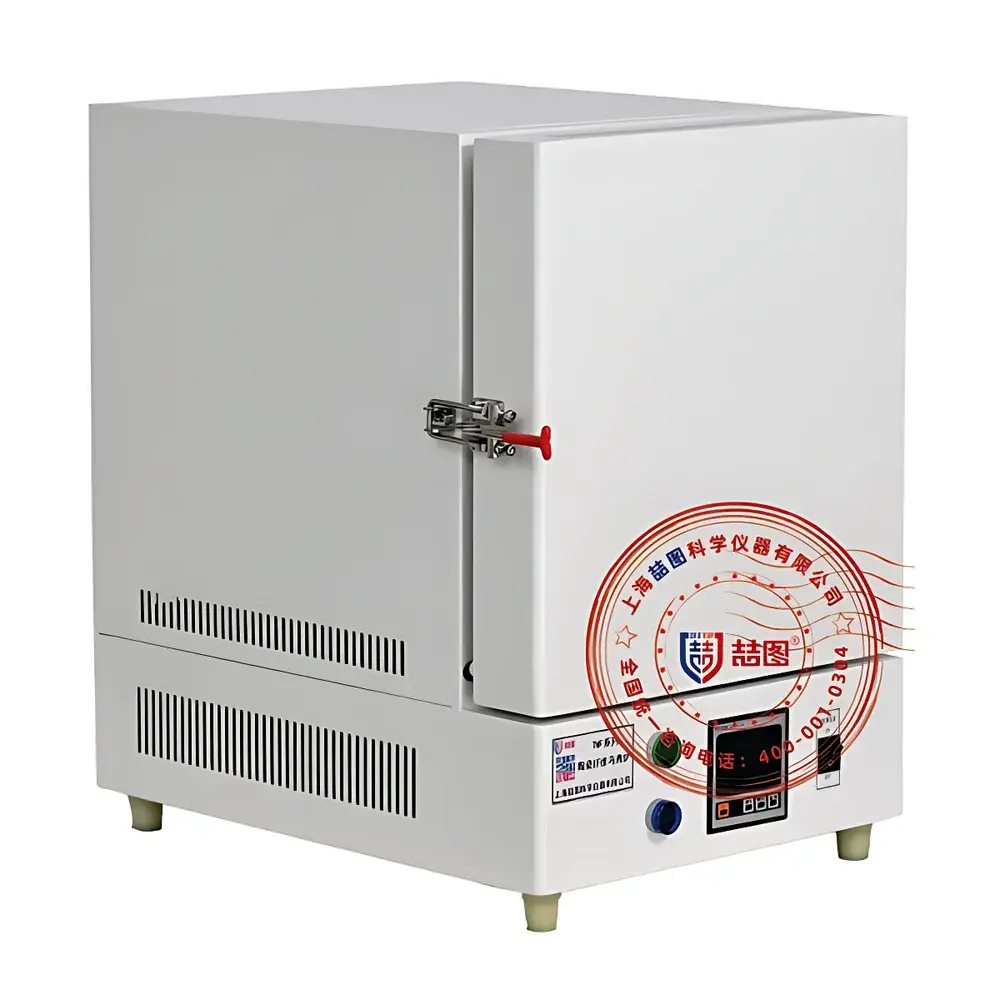
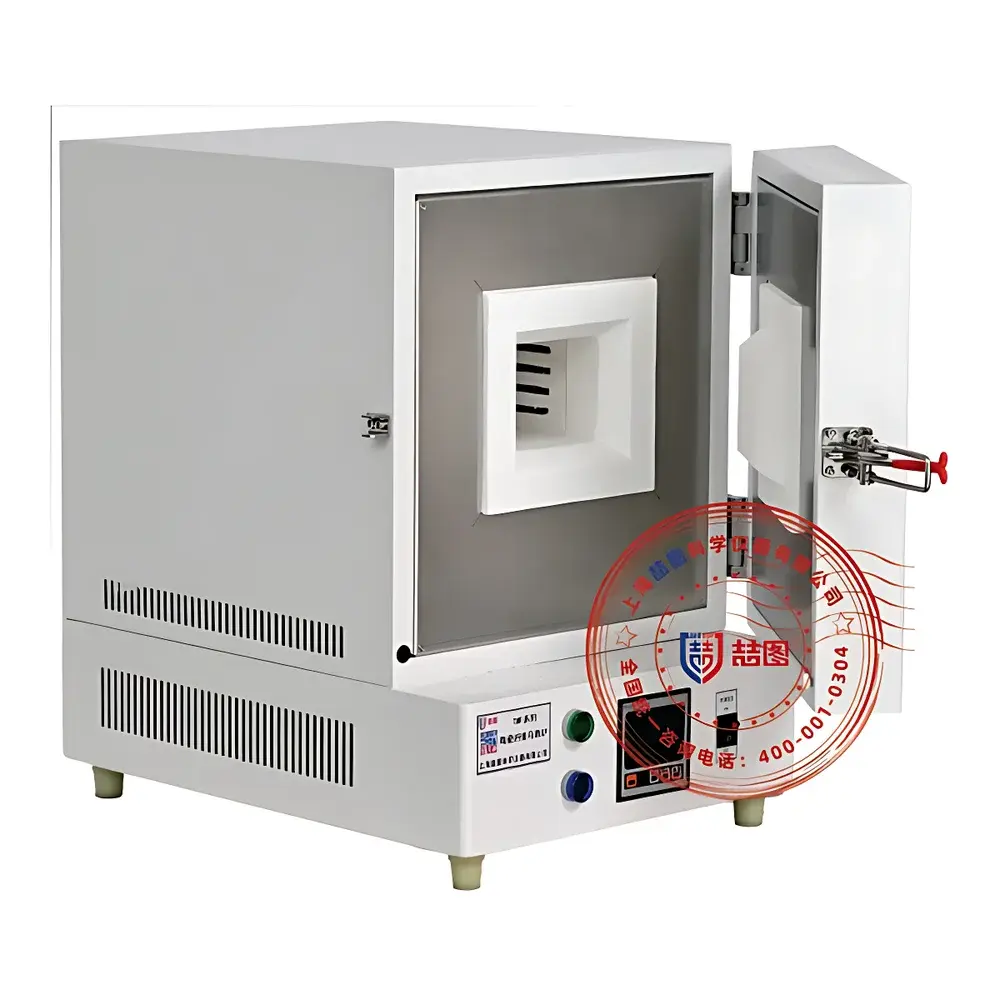
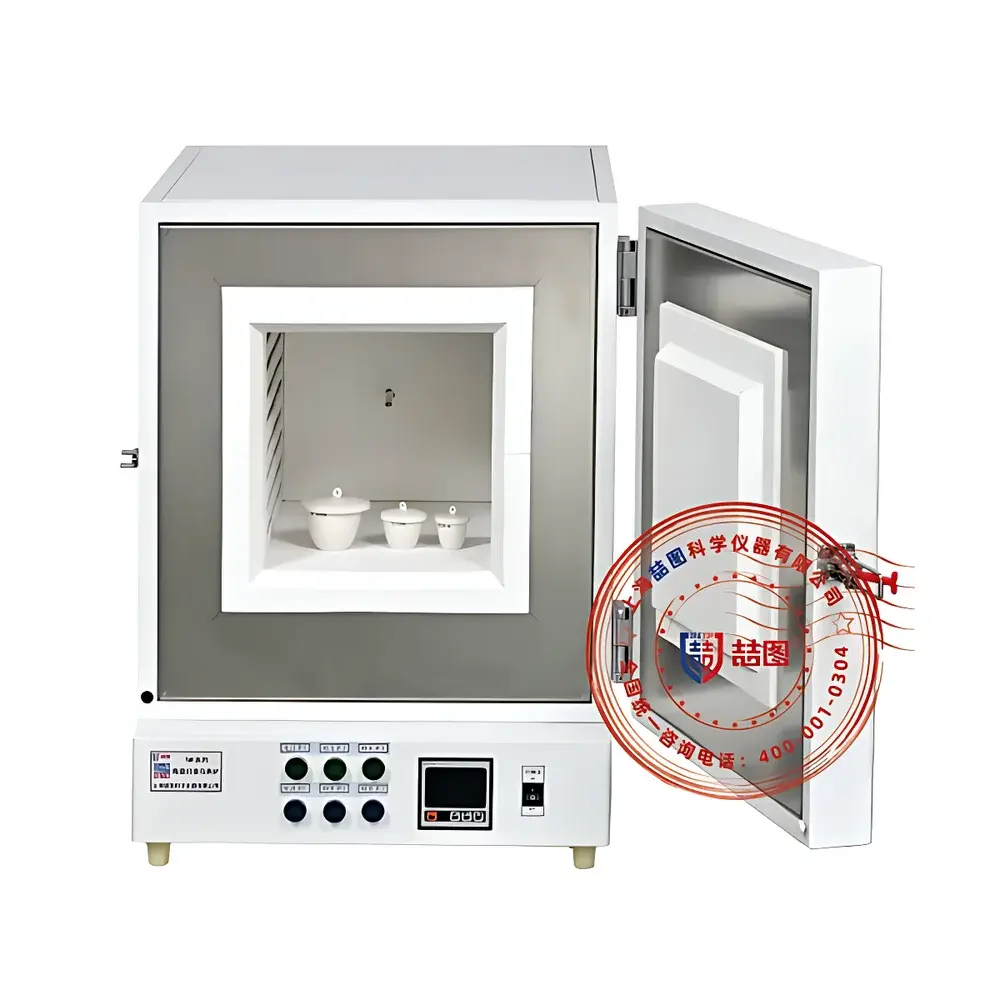
DRETOP TMF-16-10T Ceramic Fiber Muffle Furnace
| Brand | DRETOP |
|---|---|
| Origin | Shanghai, China |
| Manufacturer Type | Direct Manufacturer |
| Product Category | Domestic |
| Model | TMF-16-10T |
| Instrument Type | Box-Type Muffle Furnace |
| Maximum Temperature | 1000 °C |
| Temperature Control Accuracy | ±1 °C |
| Rated Power | 8 kW |
| Heating Rate to Max Temp | ≤30 min |
| Heating Element | Nickel-Chromium Resistance Wire |
| Internal Dimensions (W×D×H) | 250×400×160 mm |
| Control System | Microcomputer-Based PID Controller |
| Nominal Chamber Volume | 16 L |
Overview
The DRETOP TMF-16-10T Ceramic Fiber Muffle Furnace is a high-performance laboratory box furnace engineered for rapid, precise, and repeatable thermal processing across materials science, metallurgy, ceramics, and analytical chemistry applications. Unlike traditional refractory-brick furnaces, it employs vacuum-microporous ceramic fiber insulation—offering exceptional thermal efficiency, reduced heat mass, and minimized energy consumption. Its three-sided heating configuration, with helically wound nickel-chromium alloy elements embedded in the chamber walls, ensures uniform radial and axial temperature distribution (±3 °C within working zone at 1000 °C), critical for reproducible sintering, ashing, calcination, and heat-treatment protocols. Designed to meet routine GLP-compliant workflows, the furnace operates within a controlled ambient range of RT+50 °C to 1000 °C, with real-time thermal monitoring and fail-safe redundancy.
Key Features
- Triple-wall heating architecture with optimized element placement for superior thermal uniformity and minimized cold spots
- Ceramic fiber chamber constructed from high-purity, low-conductivity alumina-silica board (density: ~128 kg/m³), enabling rapid ramp rates (≤30 min to 1000 °C) and <1.5 °C/h thermal drift during extended holds
- Microprocessor-based PID controller with large backlit LCD interface; supports 30-segment programmable ramp/soak profiles with automatic end-of-cycle shutdown
- Integrated door-interlock safety system: power cutoff upon door opening, resumption on closure—ensuring operator safety and sample integrity during mid-process access
- Dual-stage overtemperature protection: primary thermocouple feedback loop + independent mechanical limit switch; configurable alarm thresholds for TUS (Temperature Uniformity Survey) compliance
- Front-panel digital voltmeter and ammeter for real-time electrical diagnostics—facilitating preventive maintenance and power quality assessment
- Ergonomic, phosphate-coated steel enclosure with high-temp epoxy powder coating; reinforced door seal with high-alumina gasket ensures >95% thermal retention at rated temperature
Sample Compatibility & Compliance
The TMF-16-10T accommodates standard crucibles (alumina, quartz, stainless steel), ceramic setters, and inert sample boats up to 250 mm wide × 400 mm deep × 160 mm high. Its non-reactive ceramic fiber interior eliminates metallic contamination risks—making it suitable for trace-metal analysis (e.g., ASTM E1713, ISO 11885), ash content determination (AOAC 923.03), and residue-on-ignition testing per USP . The furnace meets general requirements for ISO/IEC 17025-accredited laboratories, supports audit-ready data logging when paired with optional RS485 or Ethernet modules, and complies with IEC 61000-6-3 (EMC) and IEC 61000-6-2 (immunity) standards. Optional inert gas inlet (N₂, Ar) enables controlled-atmosphere processing under ≤0.1 bar overpressure—critical for oxide-sensitive samples.
Software & Data Management
While the base unit features standalone microcontroller operation, optional connectivity modules enable integration into centralized lab informatics systems. The RS485 interface supports Modbus RTU protocol for bidirectional communication with LIMS or SCADA platforms. With the TC-series color touchscreen upgrade, users gain real-time temperature curve visualization, multi-level password-protected engineering access (admin/operator/technician tiers), and CSV export of time-stamped temperature/voltage/current logs. All firmware versions maintain full traceability per FDA 21 CFR Part 11 requirements—including electronic signatures, audit trails for parameter changes, and tamper-evident session logs.
Applications
- Thermal gravimetric analysis (TGA) pre-conditioning and residue quantification
- Sintering of advanced ceramics (Al₂O₃, ZrO₂), ferrites, and piezoelectric composites
- Heat treatment of metal alloys: annealing, stress relieving, and tempering per ASTM E2550
- Preparation of catalyst supports and battery electrode materials (LiCoO₂, NMC precursors)
- Crucible cleaning and ash removal in environmental and food testing labs
- Controlled oxidation studies for corrosion resistance evaluation (ASTM G1)
- Microstructural homogenization of optical glasses prior to precision annealing
FAQ
What is the typical temperature uniformity across the working zone at 1000 °C?
At 1000 °C, the furnace achieves ±3 °C uniformity within a 150 mm × 300 mm × 100 mm central volume—verified via 9-point TUS per AMS2750E Class 2 requirements.
Can this furnace operate under inert or reducing atmospheres?
Yes—when equipped with the optional inert gas inlet valve and exhaust chimney, it supports continuous purging at flow rates up to 5 L/min; recommended for use with N₂ or Ar only—not H₂ or CO due to safety limitations.
Is the controller compliant with 21 CFR Part 11 for regulated pharmaceutical labs?
The base PID controller is not Part 11–compliant; however, the TC-series touchscreen variant includes full electronic signature capability, audit trail generation, and role-based access control required for FDA-regulated environments.
What maintenance is required for long-term calibration stability?
Annual verification using NIST-traceable reference thermocouples is recommended; ceramic fiber insulation requires no periodic replacement under normal use but should be inspected for compression or cracking after >500 thermal cycles above 900 °C.
Does the furnace support automated ramp-and-soak sequences?
Yes—the 30-segment programmable controller allows complex multi-step profiles including rate-limited ramps, dwell times, and cooling pauses—all stored in non-volatile memory with power-loss recovery.



