
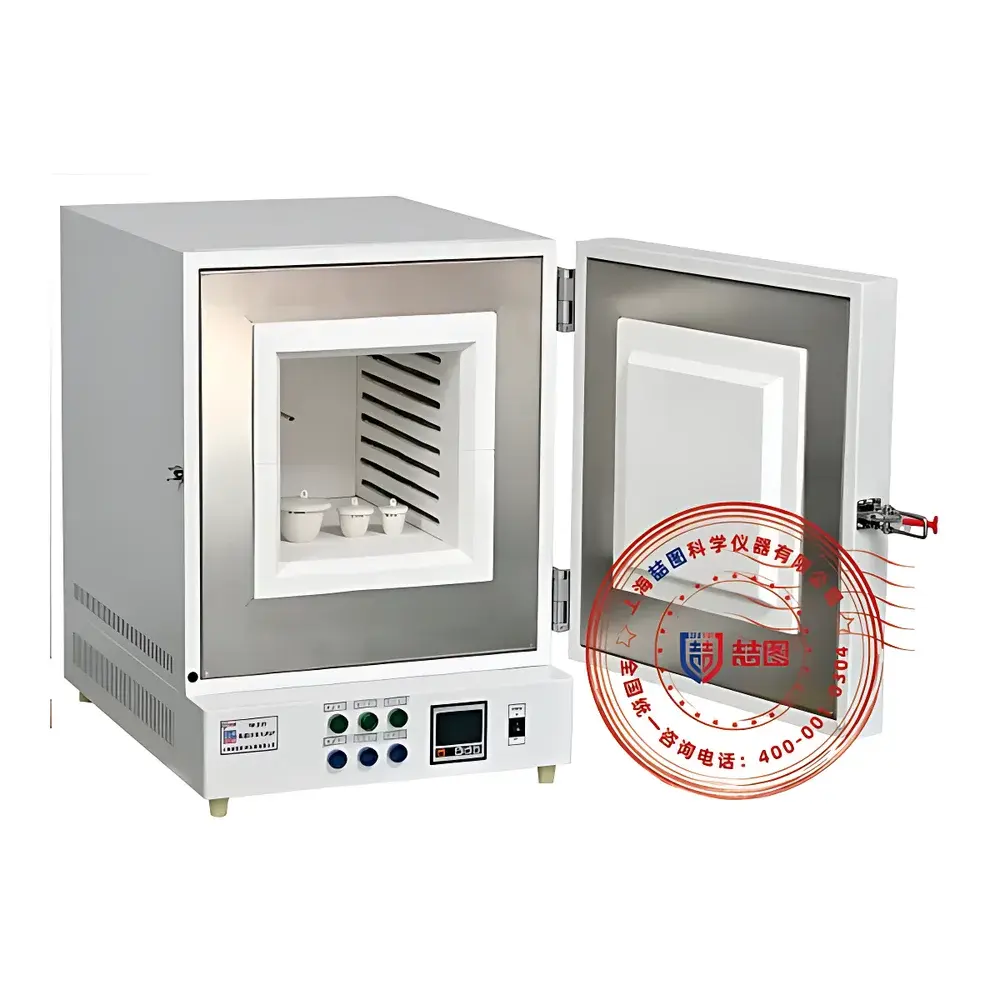
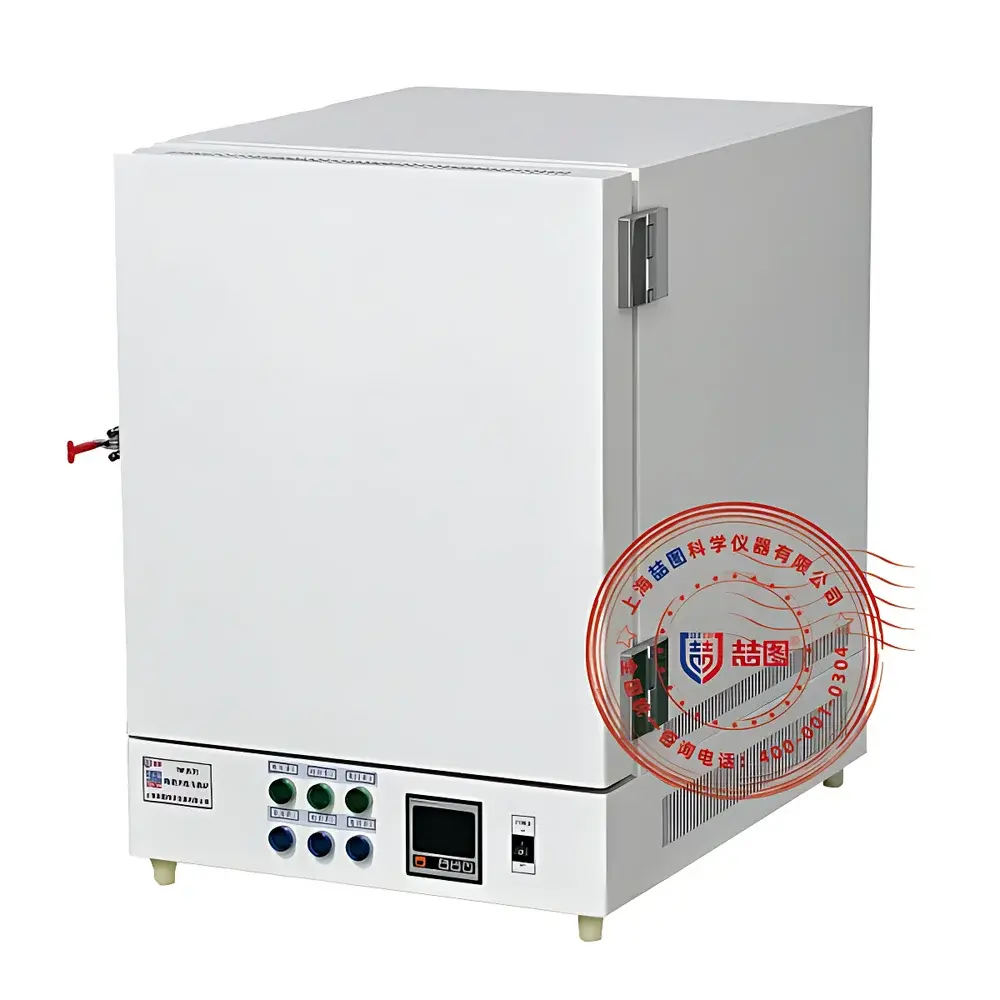
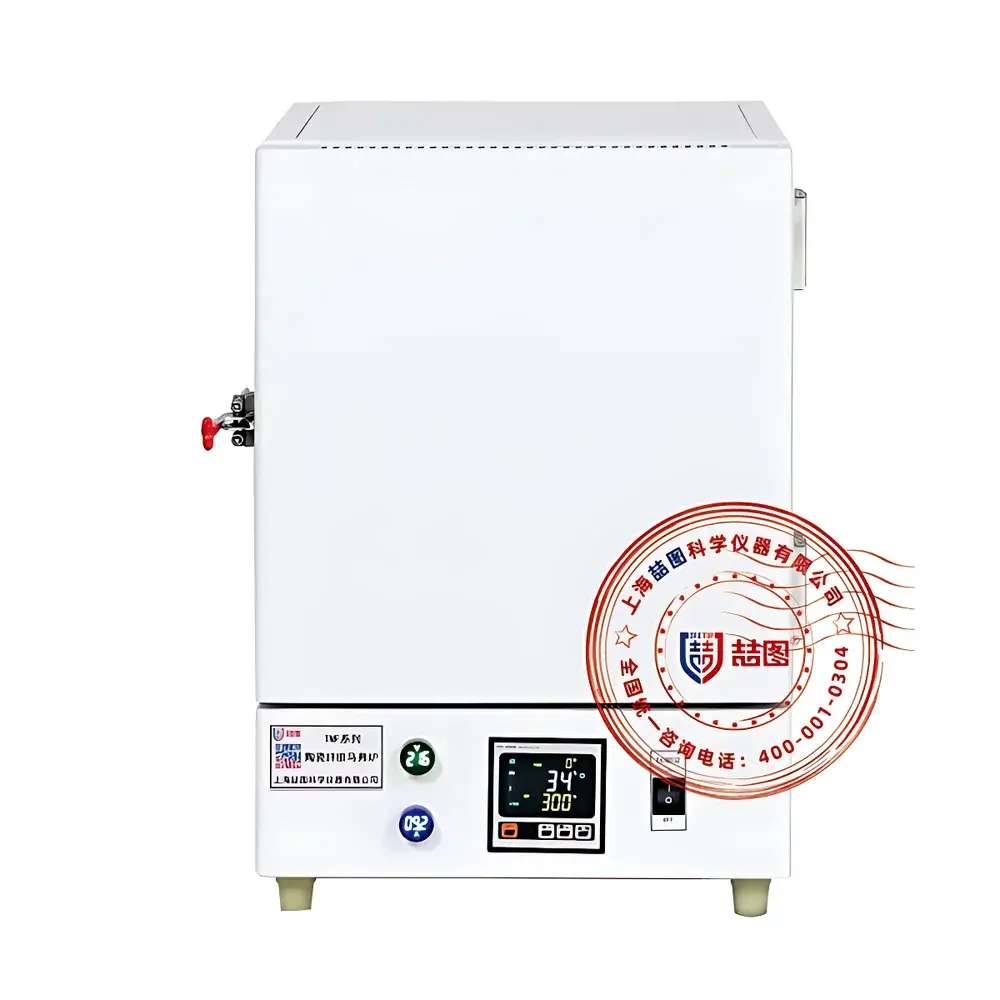
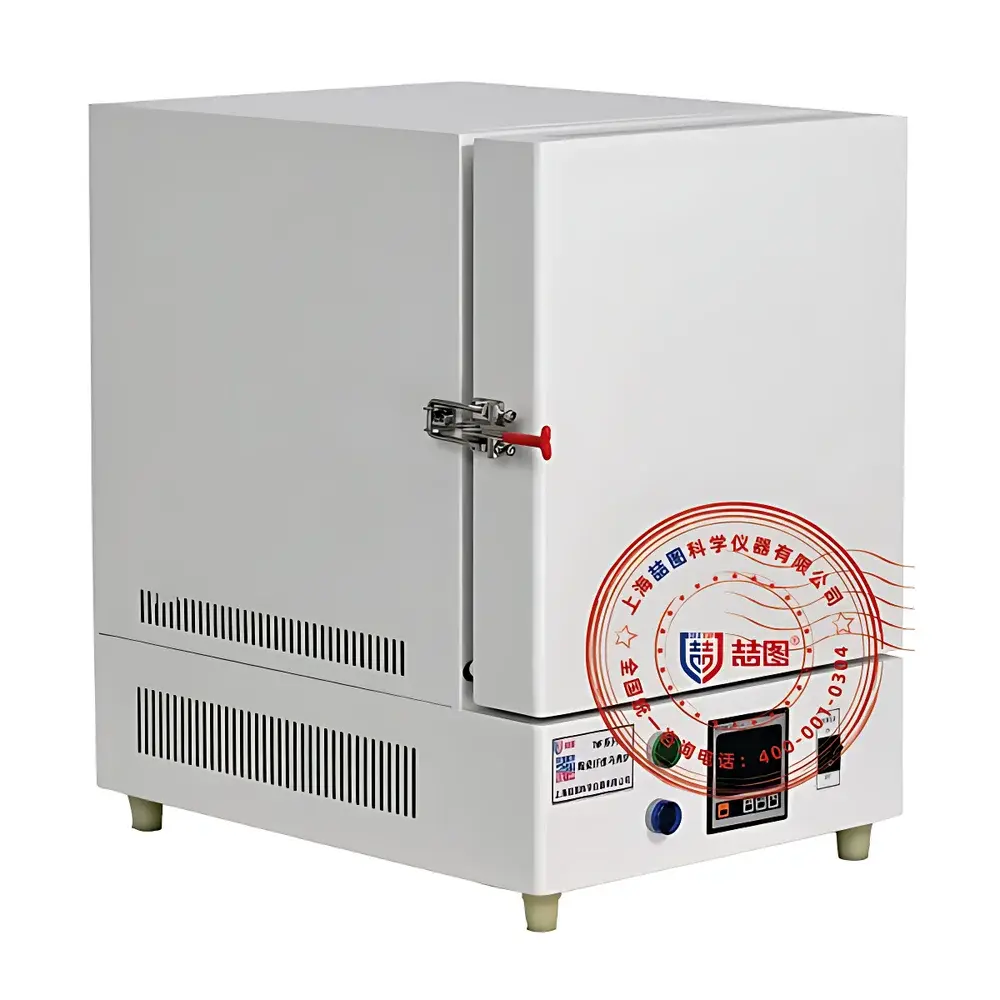
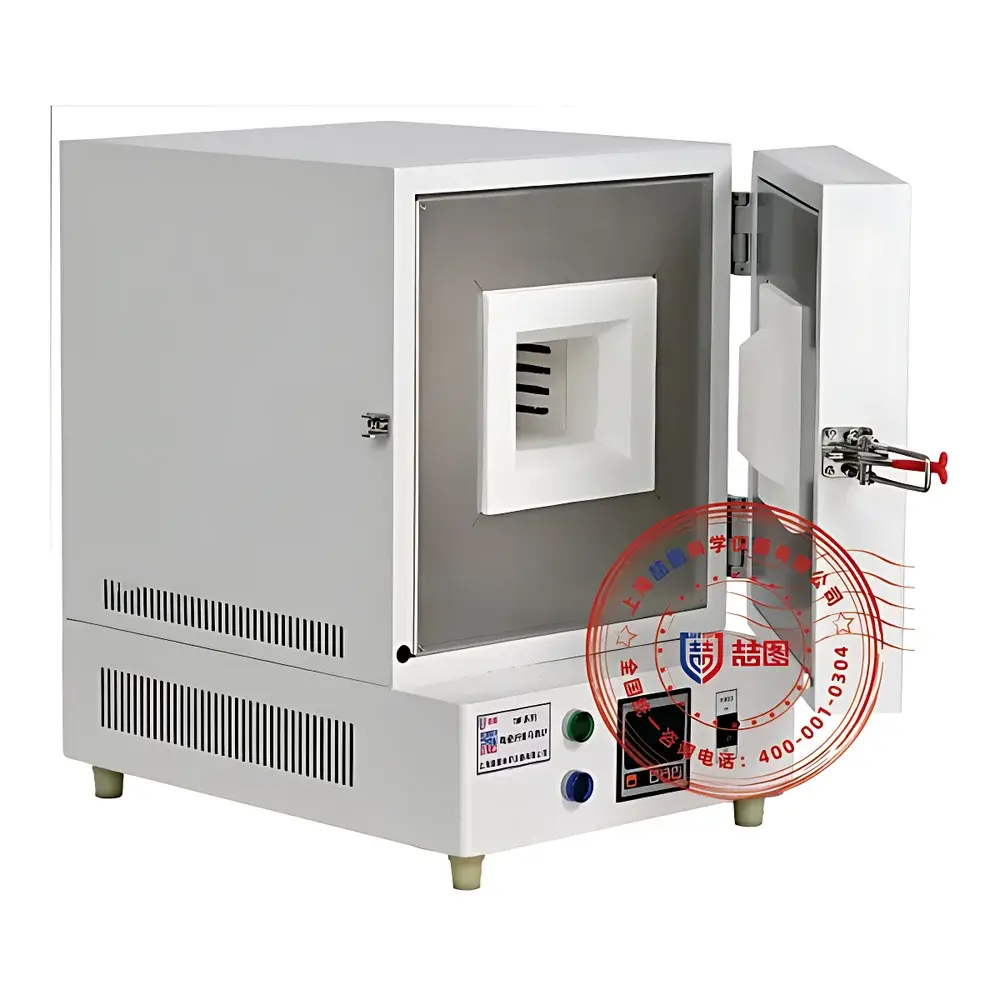
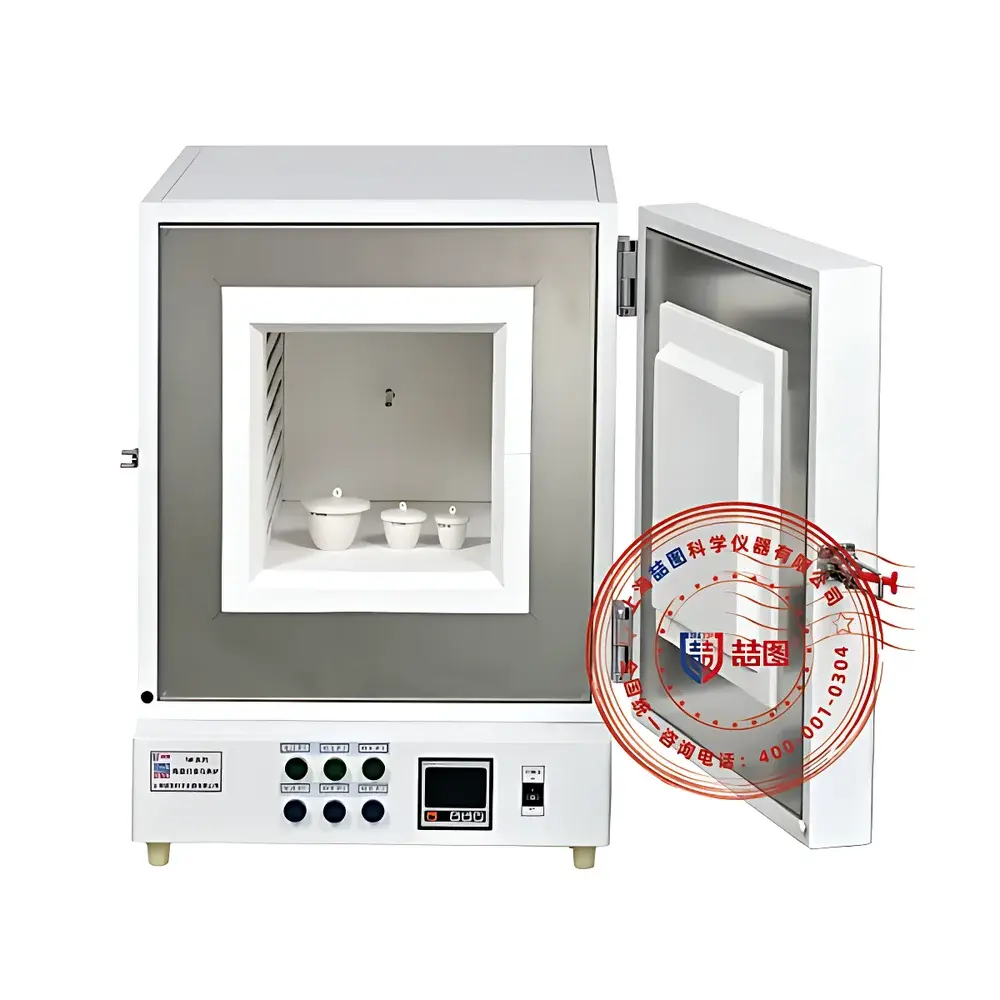
DRETOP TMF-2-10T Ceramic Fiber Muffle Furnace
| Brand | DRETOP |
|---|---|
| Origin | Shanghai, China |
| Manufacturer Type | Direct Manufacturer |
| Product Category | Domestic |
| Model | TMF-2-10T |
| Instrument Type | Box-Type Muffle Furnace |
| Maximum Temperature | 1000 °C |
| Temperature Control Accuracy | ±1 °C |
| Rated Power | 2.5 kW |
| Heating Rate to Max Temp | ≤30 min |
| Heating Element | Nichrome Wire |
| Internal Dimensions (W×D×H) | 120×200×80 mm |
| Control System | Microcomputer-Based PID Controller |
| Nominal Chamber Volume | 2 L |
Overview
The DRETOP TMF-2-10T Ceramic Fiber Muffle Furnace is a compact, high-efficiency laboratory box furnace engineered for rapid thermal processing in research, quality control, and materials development environments. Utilizing vacuum-formed ceramic fiber insulation—characterized by low thermal mass, high heat resistance, and exceptional thermal stability—the furnace achieves rapid heating rates and superior energy efficiency compared to traditional refractory brick designs. Its operating temperature range spans from ambient +50 °C to 1000 °C, making it suitable for applications requiring precise, repeatable thermal profiles—including ashing, calcination, sintering, annealing, and heat treatment of ceramics, metals, and advanced functional materials. The furnace operates on a resistive heating principle: nickel-chromium alloy wire elements are embedded within the three-sided furnace walls to generate uniform radiant heat distribution across the chamber volume.
Key Features
- Triple-wall heating architecture with spiral-wound nichrome elements ensures homogeneous temperature distribution and minimizes axial and radial thermal gradients.
- Microprocessor-based PID controller with large backlit LCD display provides intuitive navigation, real-time parameter monitoring, and stable setpoint regulation at ±1 °C accuracy.
- 30-segment programmable ramp-soak profile capability (standard on TP/TC variants) enables complex thermal protocols including multi-stage heating, controlled cooling, and dwell timing up to 9999 minutes.
- Dual-stage overtemperature protection system includes independent hardware limiters and software-enforced safety cutoffs, compliant with IEC 61000-4-5 surge immunity and EN 60519-1 electrical safety standards for industrial heating equipment.
- Integrated door interlock mechanism automatically de-energizes heating elements upon door opening—ensuring operator safety and preventing thermal shock to samples during intermediate access.
- Ergonomic structural design features phosphate-treated steel housing with high-temp epoxy coating, reinforced front door seal, and internal heat-shield baffle to reduce peripheral heat loss and enhance chamber temperature uniformity.
Sample Compatibility & Compliance
The TMF-2-10T accommodates standard crucibles (alumina, quartz, stainless steel), ceramic boats, and small-volume sample holders up to 2 L capacity. Its compact internal dimensions (120 × 200 × 80 mm W×D×H) support routine analytical procedures such as ASTM E1726 (ash content determination), ISO 562 (coal and coke ash fusion testing), and USP heavy metal residue analysis. The furnace conforms to GLP-compliant operation requirements when equipped with optional data logging modules (RS485 interface, built-in memory), supporting audit trails and electronic record retention per FDA 21 CFR Part 11 guidelines. All electrical components meet CE marking requirements under the Low Voltage Directive (2014/35/EU) and EMC Directive (2014/30/EU).
Software & Data Management
The base model features an embedded microcontroller with non-volatile memory for storing user-defined programs and operational history. Optional TC-series configurations integrate a color touchscreen HMI with graphical temperature curve visualization, multi-level password protection (engineer/operator/user tiers), and USB export functionality. When connected via RS485 or optional 4G telemetry module, the furnace supports remote supervision through SCADA-compatible platforms and integrates with LIMS environments using Modbus RTU protocol. Data logs include timestamped temperature readings, power status, alarm events, and door-open duration—enabling full traceability for ISO/IEC 17025-accredited laboratories.
Applications
- Thermal decomposition and ash residue quantification of polymers, pharmaceutical excipients, and environmental samples.
- Sintering of ceramic powders (e.g., alumina, zirconia), ferrites, and battery cathode precursors under air or inert gas atmosphere (with optional gas inlet valve).
- Heat treatment of small metallic components: stress-relief annealing, tempering, and normalization of tool steels and aluminum alloys.
- Crystallization and phase transformation studies in oxide glasses and chalcogenide systems requiring tight thermal control.
- Preparation of calibration standards for elemental analysis (ICP-OES, AAS) via controlled ignition of certified reference materials.
- Rapid thermal cycling tests for evaluating thermal shock resistance of coatings and thin-film substrates.
FAQ
What is the typical temperature uniformity across the chamber at 1000 °C?
At maximum operating temperature, the furnace maintains ±3 °C uniformity (measured at 5 points: center, corners, and mid-walls) under steady-state conditions, verified per ASTM E220 calibration methodology.
Can this furnace be operated under inert or reducing atmospheres?
Yes—when fitted with the optional inert gas inlet valve and exhaust chimney, the unit supports continuous purge operation with N₂, Ar, or forming gas (N₂/H₂), enabling oxidation-sensitive processes.
Is the controller compatible with external data acquisition systems?
All models support analog output (4–20 mA) and digital communication via RS485; Modbus RTU register maps are provided in the technical manual for seamless integration.
Does the furnace include factory calibration documentation?
Each unit ships with a traceable temperature calibration certificate (NIST-traceable reference thermocouple), confirming accuracy against DIN EN 60584-2 Class 1 tolerances.
What maintenance is required for long-term reliability?
Annual inspection of heating element continuity, door gasket integrity, and thermocouple junction condition is recommended; ceramic fiber insulation requires no periodic replacement under normal usage conditions.



