
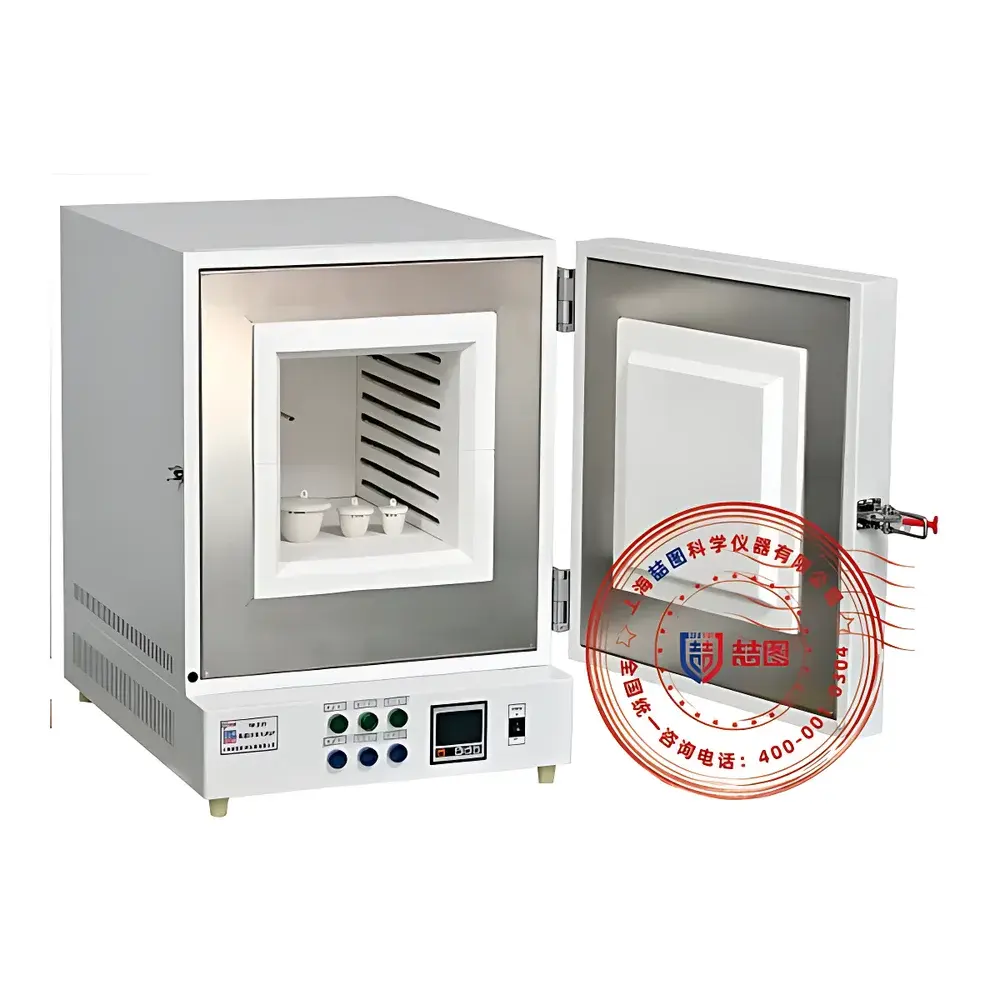
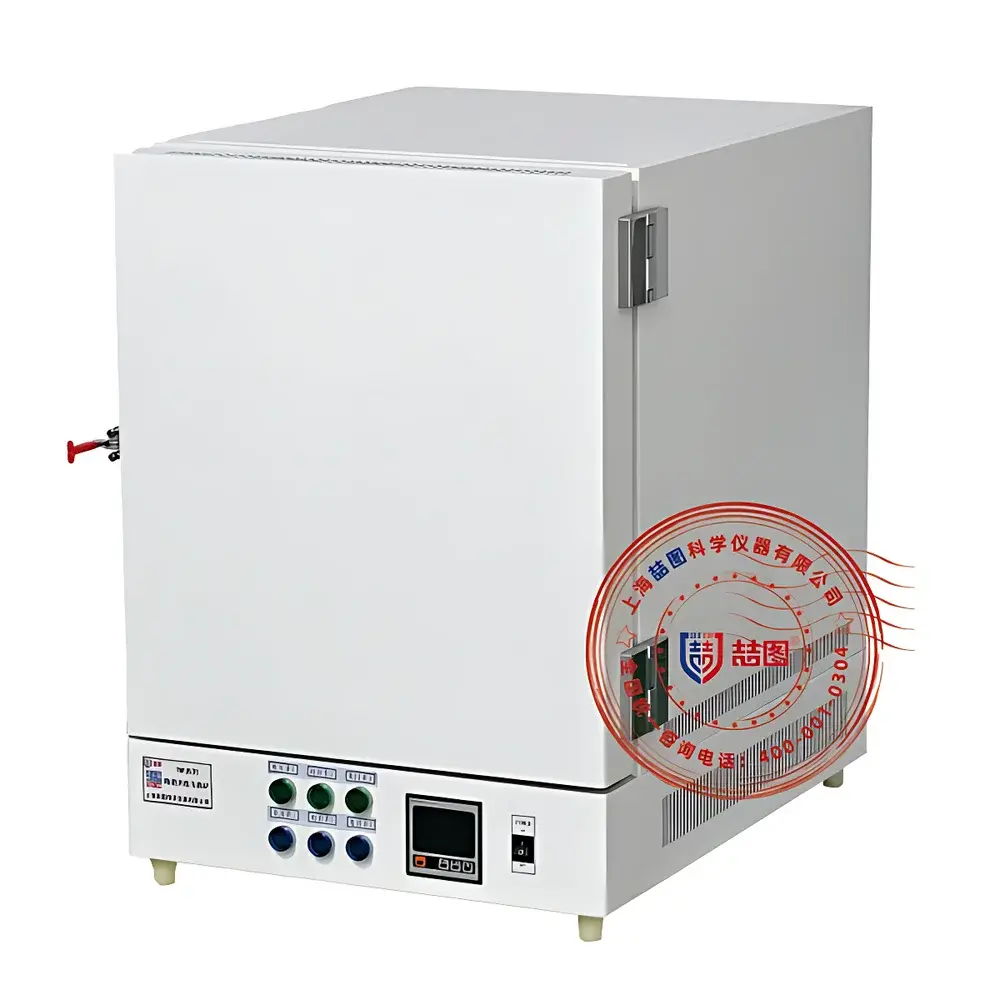
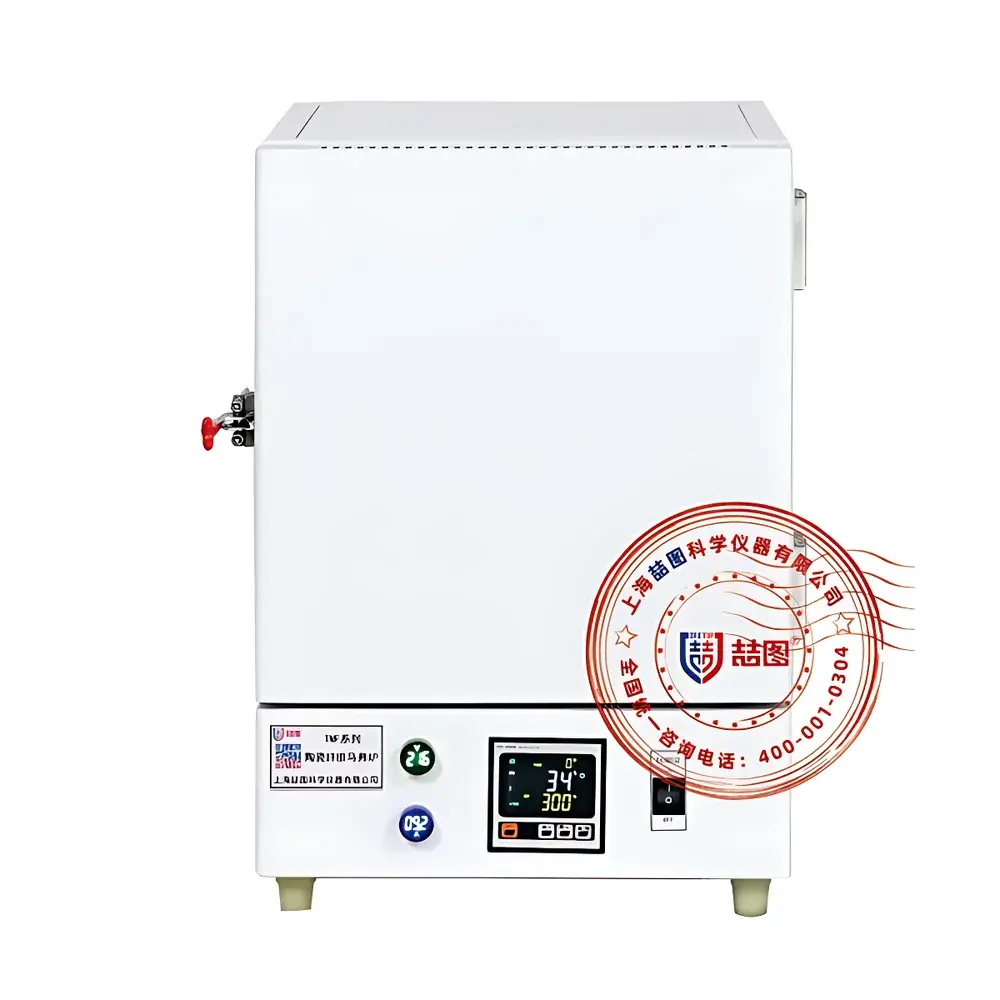
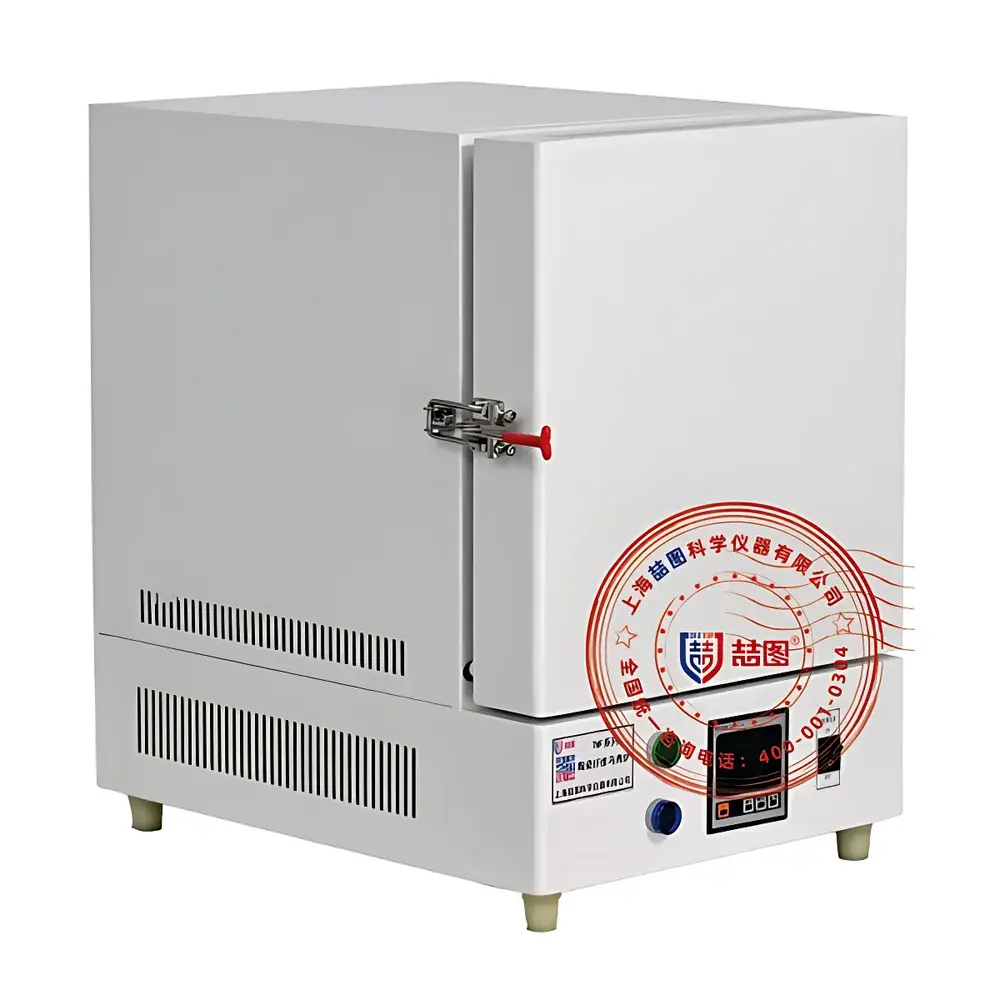
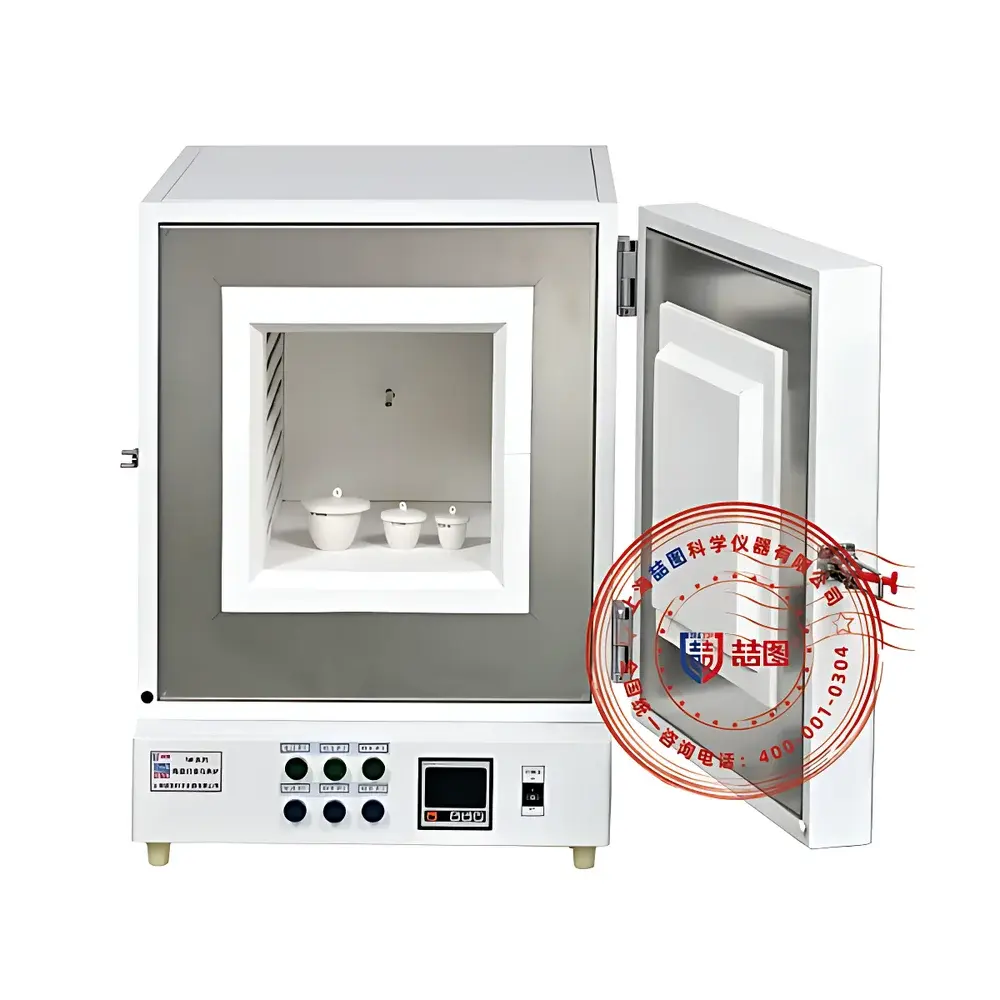
DRETOP TMF-2-12T Ceramic Fiber Muffle Furnace
| Brand | DRETOP |
|---|---|
| Origin | Shanghai, China |
| Manufacturer Type | Direct Manufacturer |
| Product Category | Domestic |
| Model | TMF-2-12T |
| Instrument Type | Box-Type Muffle Furnace |
| Maximum Temperature | 1200 °C |
| Temperature Control Accuracy | ±1 °C |
| Rated Power | 3 kW |
| Heating Rate to Max Temp | 45 min |
| Heating Element Material | Ultra-High-Temperature Alloy |
| Internal Chamber Dimensions (W×D×H) | 120 × 200 × 80 mm |
| Control System | Microcomputer-Based P.I.D. Controller |
| Nominal Chamber Volume | 2 L |
Overview
The DRETOP TMF-2-12T Ceramic Fiber Muffle Furnace is a compact, high-performance box-type laboratory furnace engineered for rapid thermal processing under controlled atmospheric conditions. Utilizing vacuum-microporous ceramic fiber insulation and triple-wall radiant heating architecture, it achieves exceptional thermal efficiency and uniformity across its 2 L chamber. Unlike traditional refractory-brick muffle furnaces, the TMF-2-12T eliminates thermal lag and mechanical degradation associated with conventional heating elements—its ultra-high-temperature alloy spiral-wound heating elements are embedded within all three vertical furnace walls, enabling symmetrical heat flux distribution and minimizing axial and radial temperature gradients. Designed for applications demanding precise thermal profiles—including ashing, calcination, sintering, annealing, and heat treatment of ceramics, metals, and nanomaterials—the furnace operates continuously from ambient +50 °C up to 1200 °C with sustained stability and repeatability compliant with ISO 9001–certified manufacturing protocols.
Key Features
- Triple-wall radiant heating configuration ensures ≤±2 °C temperature uniformity across the full working volume at 1200 °C (measured per ASTM E220 calibration methodology)
- Microcomputer-based P.I.D. controller with large backlit LCD interface; supports 30-segment programmable ramp/soak cycles with automatic shutdown and power-loss memory retention
- Integrated door interlock system: heating ceases immediately upon door opening and resumes automatically after closure—critical for intermittent sample insertion without thermal shock or process deviation
- Dual-stage overtemperature protection: primary limit switch + secondary independent thermal cutoff; supplemented by real-time voltage/current digital monitoring for early fault detection
- Structural integrity enhanced via phosphate-conversion coated steel housing with high-temp epoxy powder coating; front-loading design with precision-machined stainless steel door seal and ceramic fiber gasket
- Front-accessible control panel mounted below furnace chamber—reduces electromagnetic interference and improves thermocouple signal integrity via shielded compensation wiring
Sample Compatibility & Compliance
The TMF-2-12T accommodates standard crucibles (alumina, quartz, silicon carbide) and sample boats up to 100 mm in height. Its 120 × 200 × 80 mm internal cavity permits uniform exposure of small-batch samples (e.g., catalyst precursors, battery electrode powders, metallurgical test coupons) without edge-effect bias. The furnace meets essential safety and performance benchmarks including IEC 61000-6-3 (EMC), UL 61010-1 (electrical safety), and EN 60519-2 (industrial electroheating equipment). Optional inert gas inlet (N₂, Ar) enables controlled-atmosphere processing aligned with ASTM C1171 (ceramic sintering) and ISO 11554 (laser material interaction standards). For regulated environments, optional RS485 Modbus RTU interface supports integration into GLP/GMP-compliant data acquisition systems with audit-trail-capable software.
Software & Data Management
While the base TMF-2-12T operates via standalone P.I.D. controller, optional TC-series color touchscreen modules provide graphical real-time temperature curve visualization, multi-level user access control (engineer/operator/administrator), and USB export of time-stamped CSV logs. All programmable variants support firmware-upgradable logic and comply with FDA 21 CFR Part 11 requirements when paired with validated third-party LIMS or ELN platforms. Built-in analog outputs (4–20 mA) enable seamless connection to PLC-based facility monitoring networks, and optional miniature thermal printer provides hard-copy record of cycle completion and alarm events—supporting ISO/IEC 17025 documentation workflows.
Applications
- Elemental analysis sample preparation (ash content determination per AOAC 942.05, EPA Method 3050B)
- Ceramic and glaze development: controlled crystallization, vitrification, and phase transformation studies
- Thermal annealing of optical crystals (e.g., LiNbO₃, YAG) and semiconductor substrates requiring <±0.5 °C hold stability
- Pre-sintering and debinding of MIM (metal injection molding) and CIM (ceramic injection molding) green parts
- Heat treatment validation for medical device components (ISO 13485-compliant sterilization process qualification)
- Nanoparticle synthesis via thermal decomposition of metal-organic precursors under inert or reducing atmospheres
FAQ
What is the typical service life of the heating elements under continuous operation at 1200 °C?
Ultra-high-temperature alloy elements demonstrate ≥8,000 hours mean time between failures (MTBF) when operated within specified thermal cycling limits (≤3 cycles/day, max ramp rate 10 °C/min).
Can the furnace be used for carbonization under nitrogen flow?
Yes—when equipped with the optional inert gas inlet valve and exhaust chimney, the TMF-2-12T maintains stable oxygen partial pressure <10 ppm during carbonization of polymers or biomass precursors.
Is calibration traceable to NIST standards?
Each unit ships with a factory calibration certificate referencing Pt/Rh thermocouples calibrated against NIST-traceable reference standards (SRM 1749); on-site verification kits available upon request.
Does the controller support remote monitoring via Ethernet or Wi-Fi?
Standard configuration includes RS485; Ethernet/Wi-Fi gateway modules are available as field-installable accessories compatible with common industrial IoT protocols (MQTT, OPC UA).
What maintenance intervals are recommended for optimal thermal uniformity?
Ceramic fiber integrity inspection every 12 months; thermocouple verification every 6 months; door gasket replacement recommended after 500 open/close cycles or visible compression set.



