

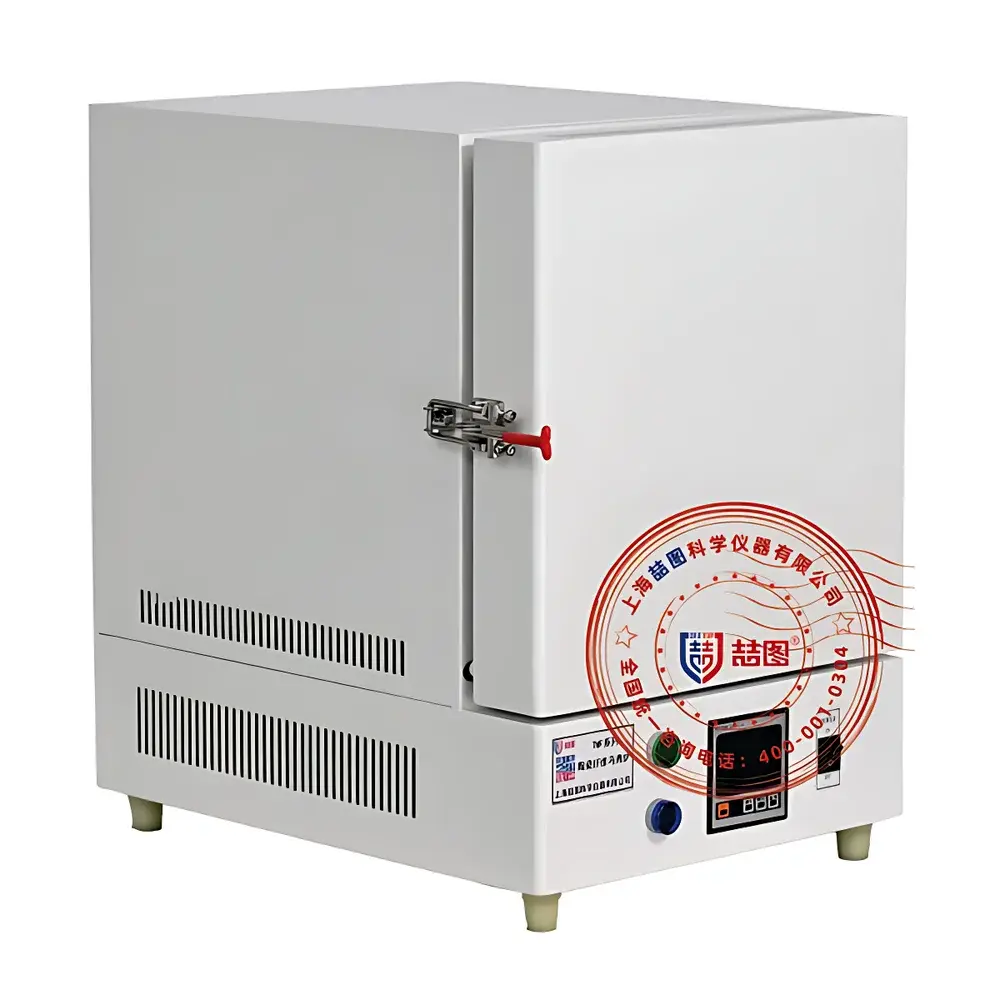
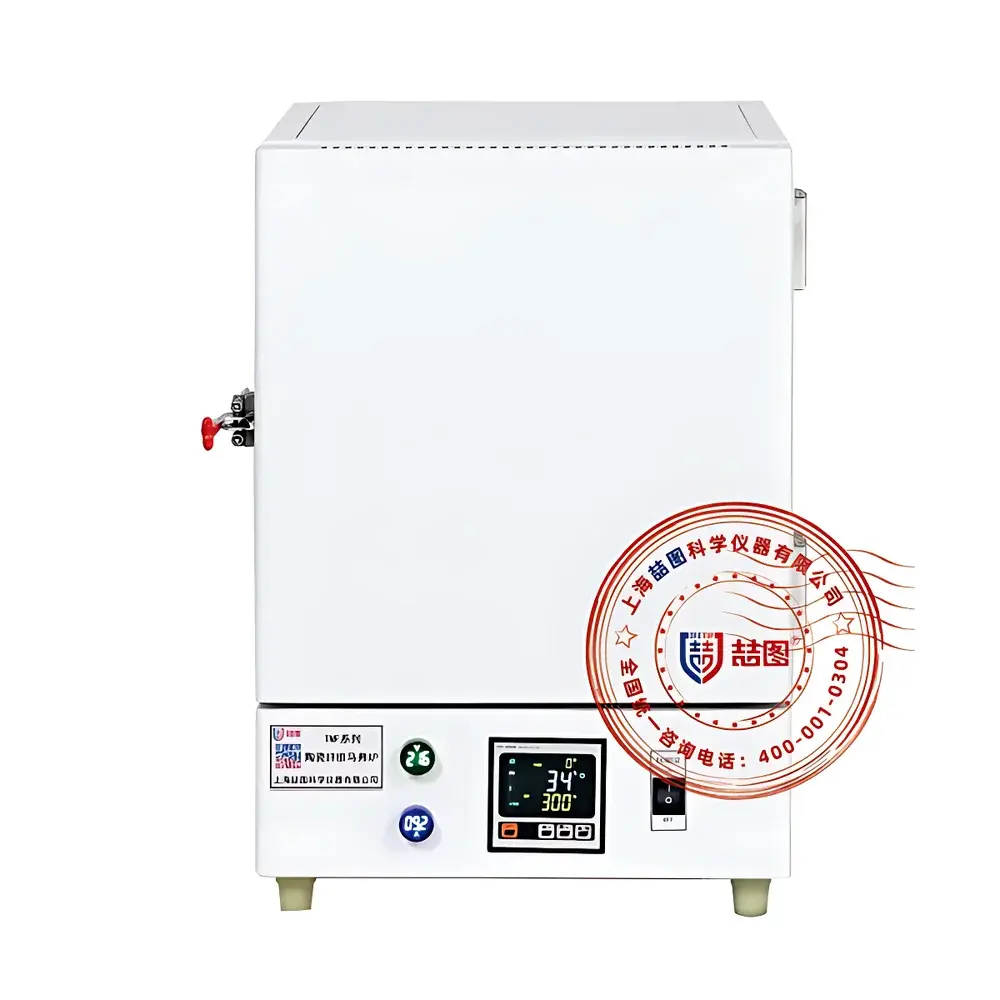
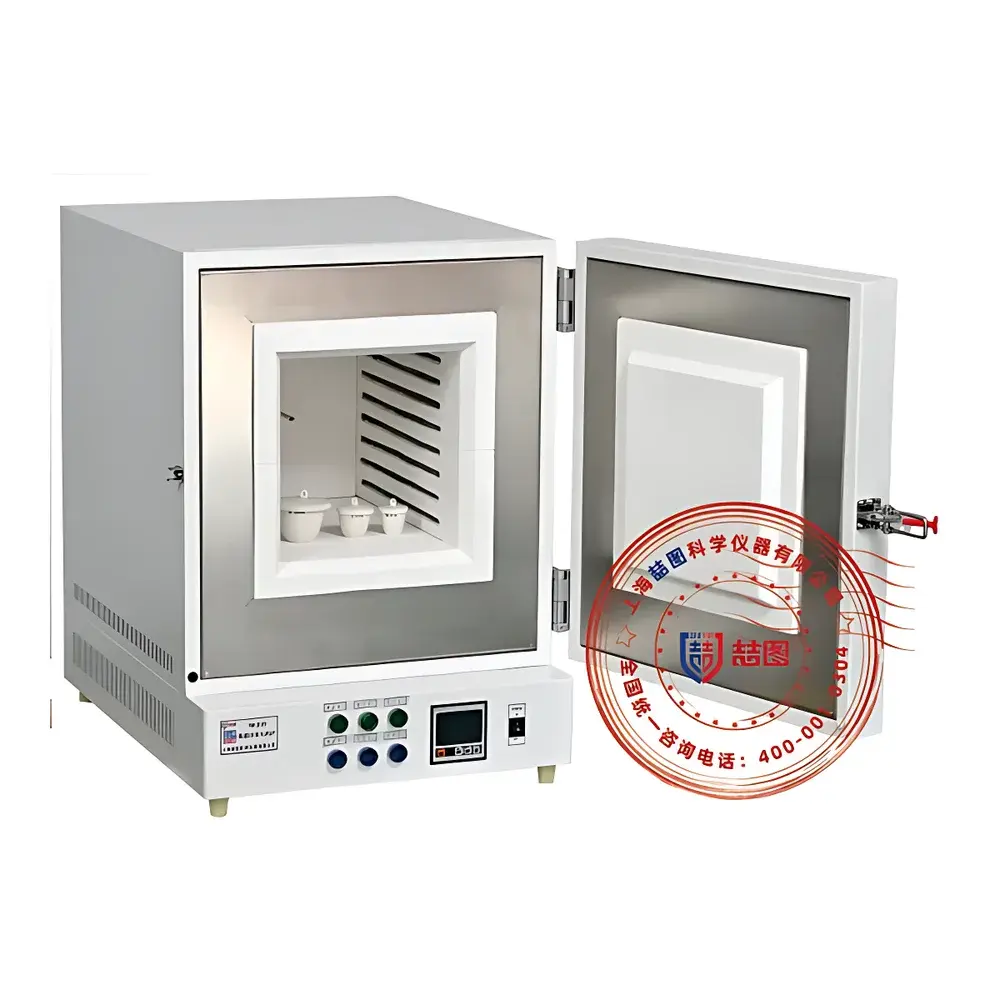
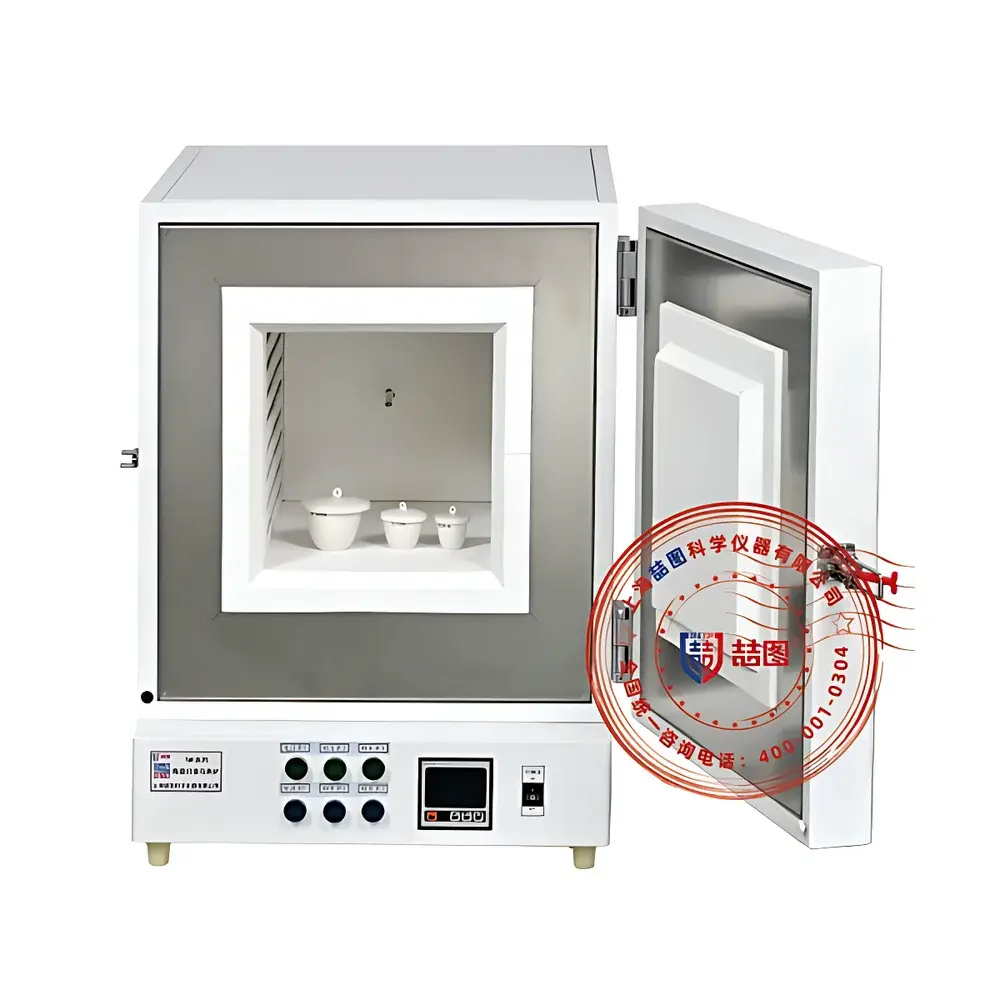
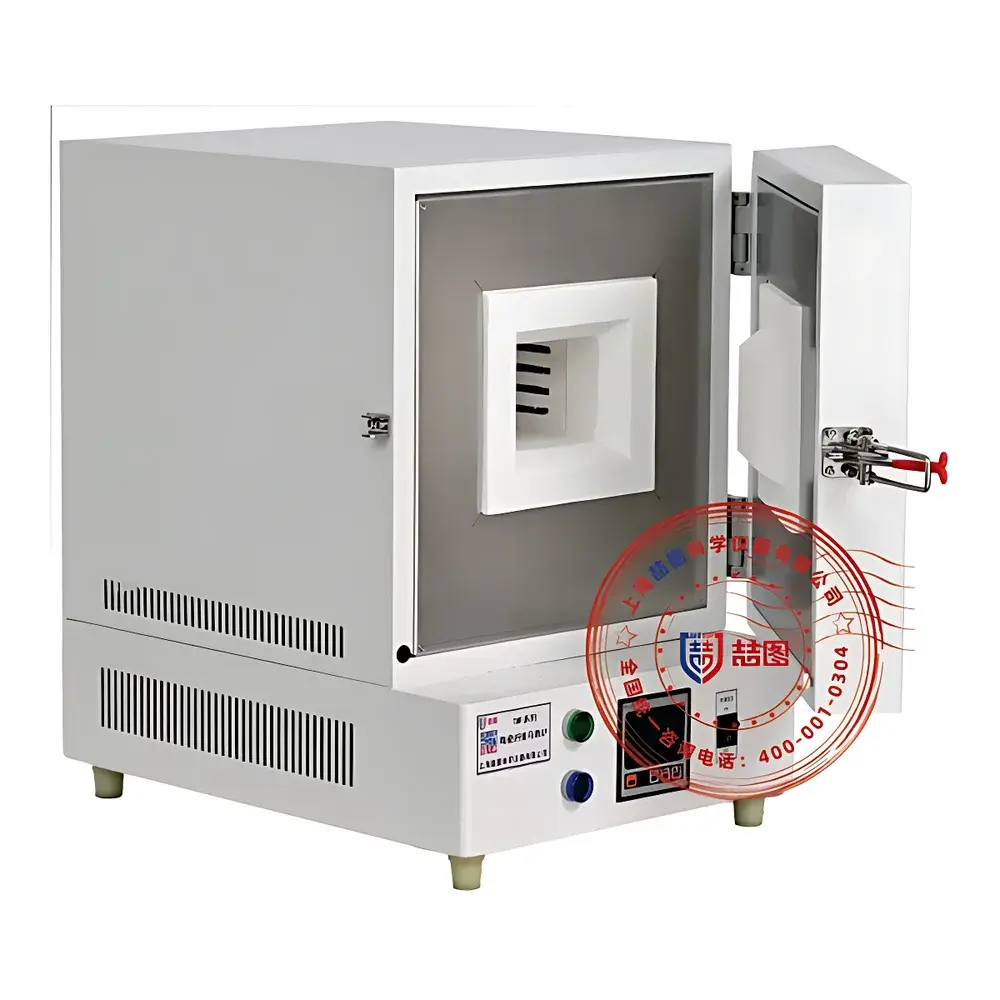
DRETOP TMF-30-12TP Programmable Ceramic Fiber Muffle Furnace
| Brand | DRETOP |
|---|---|
| Origin | Shanghai, China |
| Manufacturer Type | Direct Manufacturer |
| Product Category | Domestic |
| Model | TMF-30-12TP |
| Instrument Type | Box-Type Muffle Furnace |
| Maximum Temperature | 1200 °C |
| Temperature Control Accuracy | ±1 °C |
| Rated Power | 12 kW |
| Time to Max Temperature | 45 min |
| Heating Element Material | Ultra-High-Temperature Alloy |
| Internal Chamber Dimensions | 300 × 500 × 200 mm |
| Control System | Microcomputer-Based PID Controller |
| Nominal Volume | 30 L |
Overview
The DRETOP TMF-30-12TP is a high-performance programmable box-type muffle furnace engineered for precision thermal processing in research laboratories, materials science facilities, and industrial quality control environments. Its core architecture employs vacuum-microporous ceramic fiber insulation—offering exceptional thermal efficiency, rapid heat-up kinetics, and superior temperature uniformity across the 30 L chamber. Unlike traditional refractory brick furnaces, this design eliminates thermal mass-related lag, enabling repeatable ramp rates up to 1200 °C with minimal energy consumption. The furnace operates on the principle of resistive heating via triple-wall-mounted ultra-high-temperature alloy elements, delivering symmetrical radiant heat distribution and minimizing axial or radial thermal gradients. It conforms to fundamental thermal processing requirements defined in ASTM E1113 (Standard Practice for Calibrating Muffle Furnaces), ISO 7888 (Water Quality – Determination of Total Residue), and USP (Heavy Metals), supporting standardized ashing, calcination, sintering, and heat-treatment protocols under GLP/GMP-aligned workflows.
Key Features
- Triple-surface heating configuration with helically wound ultra-high-temperature alloy elements ensures ≤±3 °C temperature uniformity (measured per ASTM E2203) across the full 300 × 500 × 200 mm chamber volume.
- 30-segment programmable PID controller with real-time ramp/soak profiling, automatic power cutoff at end-of-cycle, and power-loss memory retention—compliant with IEC 61000-4-29 for voltage dip immunity.
- Integrated dual-stage overtemperature protection: primary limit switch (mechanical) + secondary digital cut-off (software-triggered at 1220 °C), both independently wired to dedicated safety relays meeting EN 60204-1 requirements.
- Front-loading door with reinforced stainless-steel gasket seal and torque-optimized latch mechanism achieves ≤0.5 °C/min heat loss rate during transient opening (validated per DIN 17006-1).
- Embedded digital voltmeter and ammeter provide continuous real-time monitoring of line voltage (220/380 V AC, 50 Hz) and load current—critical for preventive maintenance and electrical safety auditing.
- Phosphate conversion coating + high-temp epoxy powder coating on structural steel chassis ensures corrosion resistance in humid or saline laboratory environments (tested per ASTM B117).
Sample Compatibility & Compliance
The TMF-30-12TP accommodates standard crucibles (alumina, quartz, silicon carbide), ceramic setters, and metal trays up to 280 × 480 × 180 mm. Its inert ceramic fiber chamber—free of binders or organic additives—eliminates volatile residue contamination during high-purity ashing (e.g., ASTM D5630 for polymer ash content) or trace-metal analysis (EPA Method 3050B). The furnace supports inert-atmosphere operation when paired with optional N₂/Ar inlet valves (rated for 0.2 MPa max pressure), enabling controlled oxidation studies and reducing anneals. All electrical components meet CE marking requirements (2014/35/EU Low Voltage Directive and 2014/30/EU EMC Directive); firmware implements audit-trail logging compatible with FDA 21 CFR Part 11 Annex 11 expectations for electronic records.
Software & Data Management
The microcomputer PID controller features a 4.3-inch backlit LCD interface with intuitive navigation and password-protected engineering mode (three-tier access: operator, technician, administrator). Temperature profiles are stored internally (≥100 programs) and exportable via RS485 Modbus RTU to LIMS or SCADA systems. Optional TC-series color touchscreen upgrade adds real-time multi-curve plotting (setpoint vs. actual vs. thermocouple reference), CSV data logging at 1-second intervals, and encrypted USB backup. Firmware supports time-stamped event logs—including door open/close, alarm triggers, and parameter modifications—enabling full traceability for ISO/IEC 17025 accreditation audits.
Applications
- Quantitative gravimetric analysis: ash content determination in foodstuffs (AOAC 942.05), pharmaceutical excipients (USP ), and environmental solids (EPA SW-846 Method 3050B).
- Materials synthesis: solid-state reaction of oxide precursors, ceramic glaze firing, nanomaterial sintering (e.g., TiO₂, ZnO), and pre-sintering of PM parts.
- Metallurgical treatment: stress-relief annealing of tool steels, tempering of hardened alloys, and decarburization studies under controlled atmospheres.
- Calibration support: conditioning of reference standards (e.g., NIST SRM 720b), thermocouple wire aging, and glass transition verification per ISO 11357-2.
- Quality assurance: burn-off testing of coatings (ASTM D6383), residual binder removal from investment castings, and catalyst regeneration validation.
FAQ
What thermocouple type is used for temperature sensing?
Type S (Platinum/Rhodium–Platinum) thermocouples are factory-installed, certified to ASTM E230 Class 1 tolerances (±1.5 °C or ±0.25% of reading, whichever is greater) up to 1200 °C.
Is the furnace suitable for continuous operation at 1200 °C?
Yes—rated for uninterrupted service at maximum temperature for ≥500 hours per cycle, provided ambient temperature remains ≤30 °C and ventilation clearance ≥150 mm is maintained on all sides.
Can I integrate this unit into an automated lab workflow?
Absolutely—the RS485 port enables bidirectional communication with PLCs or central control systems using standard Modbus RTU protocol; optional 4–20 mA analog output available for external process controllers.
How is temperature uniformity verified and documented?
Each unit undergoes a 9-point uniformity test (per ASTM E2203) at 1000 °C and 1200 °C prior to shipment; calibration certificate includes spatial deviation map and uncertainty budget (k=2).
What maintenance is required to sustain ±1 °C control accuracy?
Annual verification of thermocouple calibration and PID tuning parameters is recommended; ceramic fiber integrity should be inspected visually every 200 operating hours—no routine element replacement is needed under normal use conditions.



