

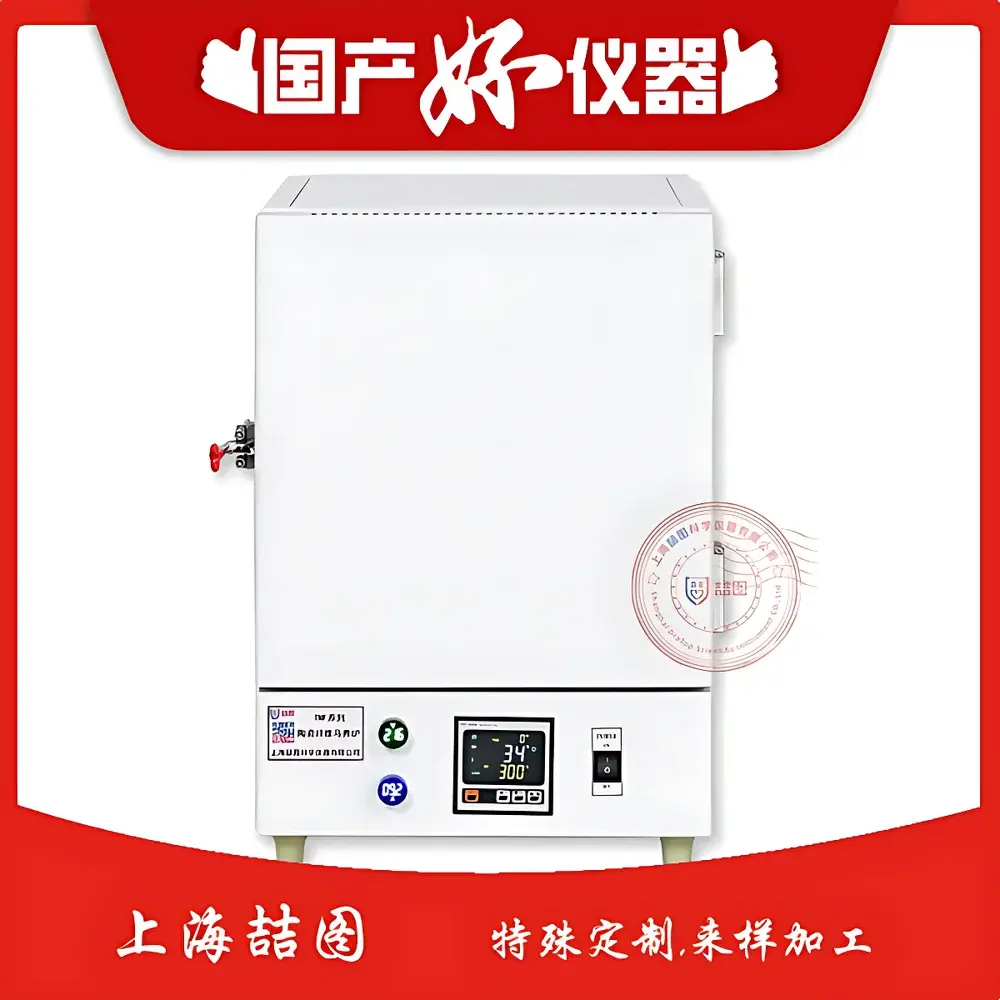
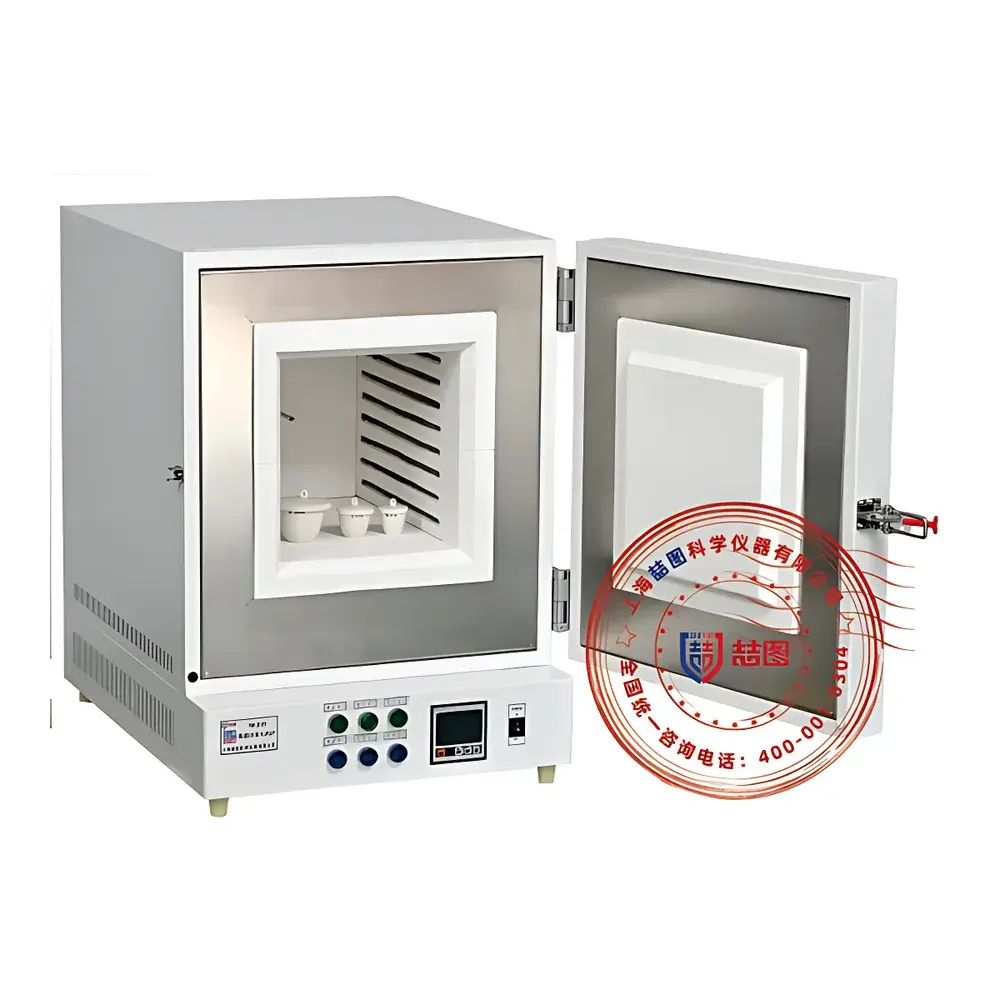
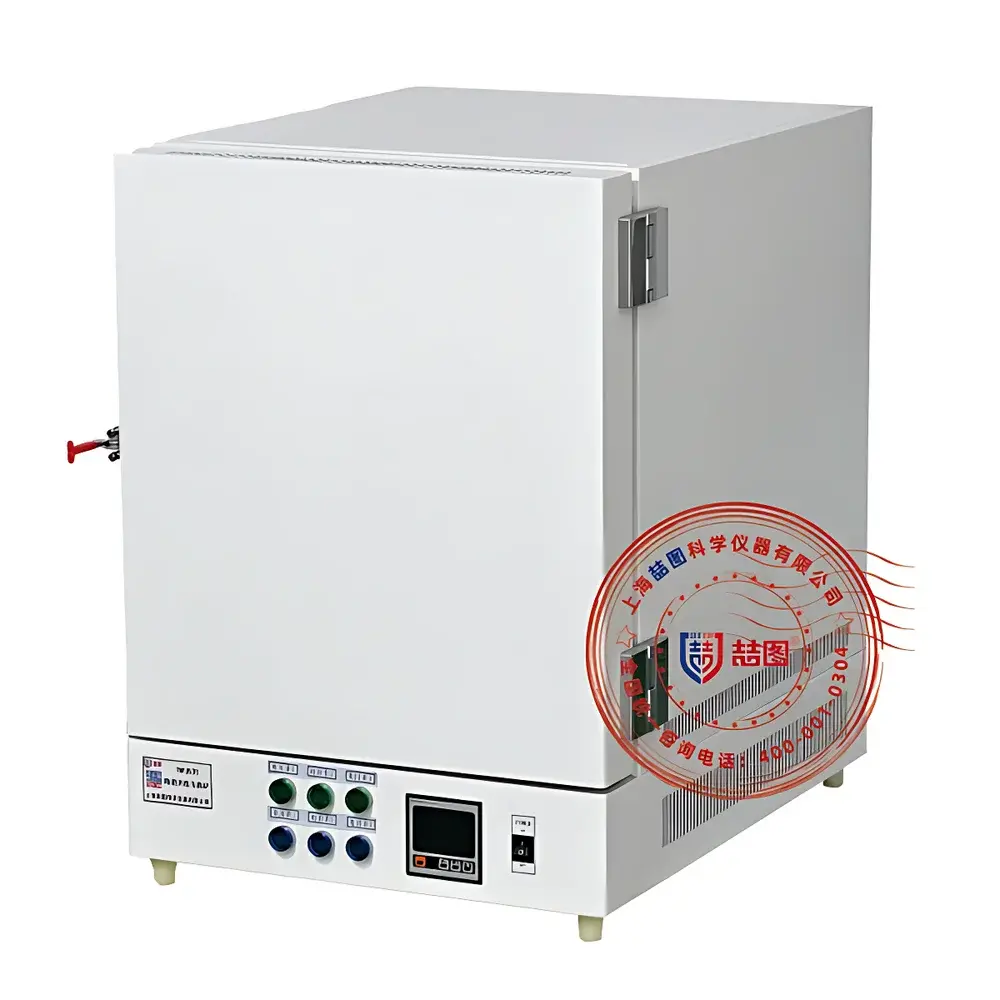
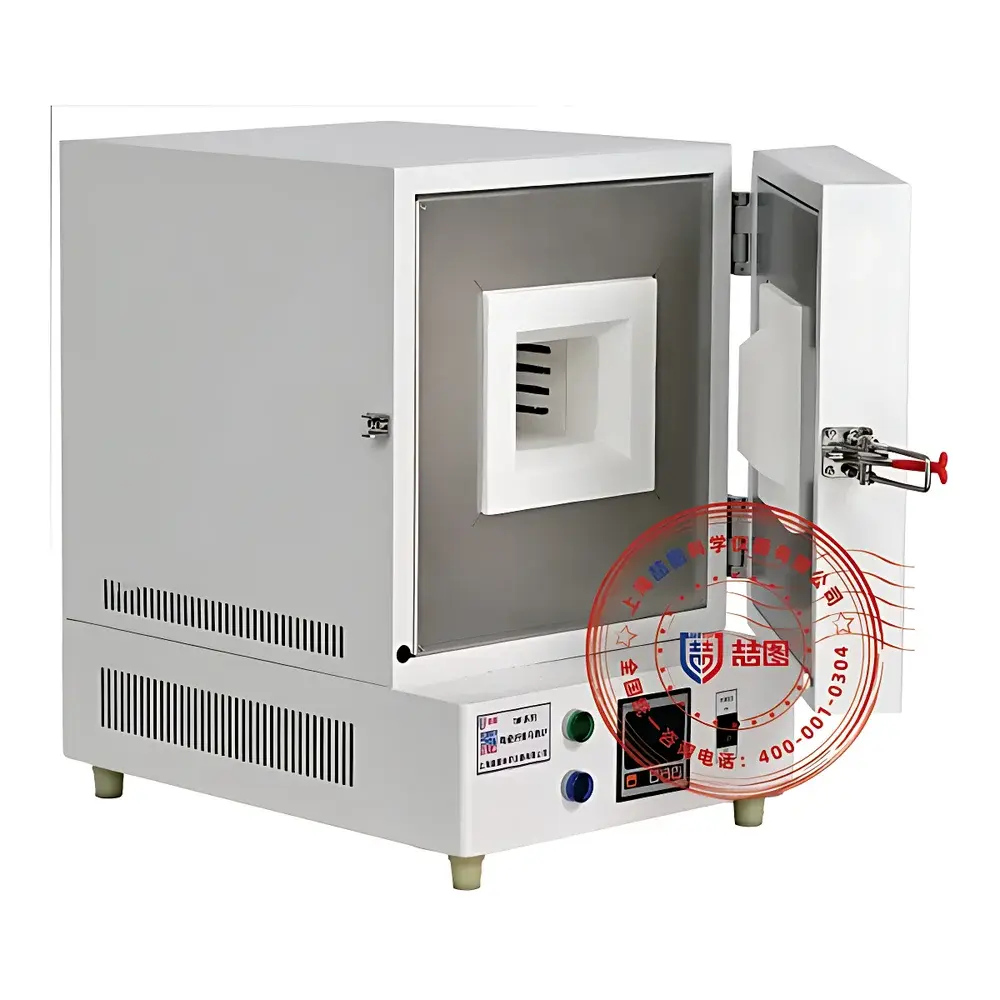
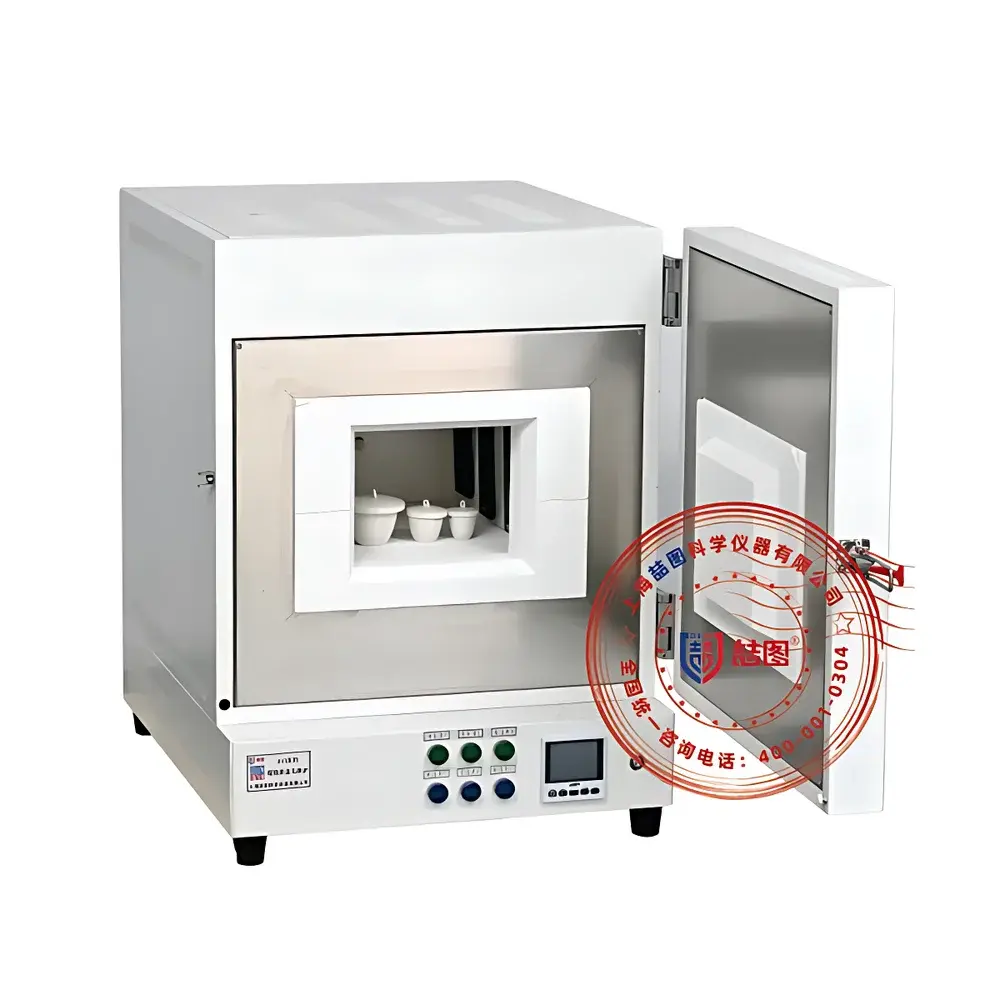
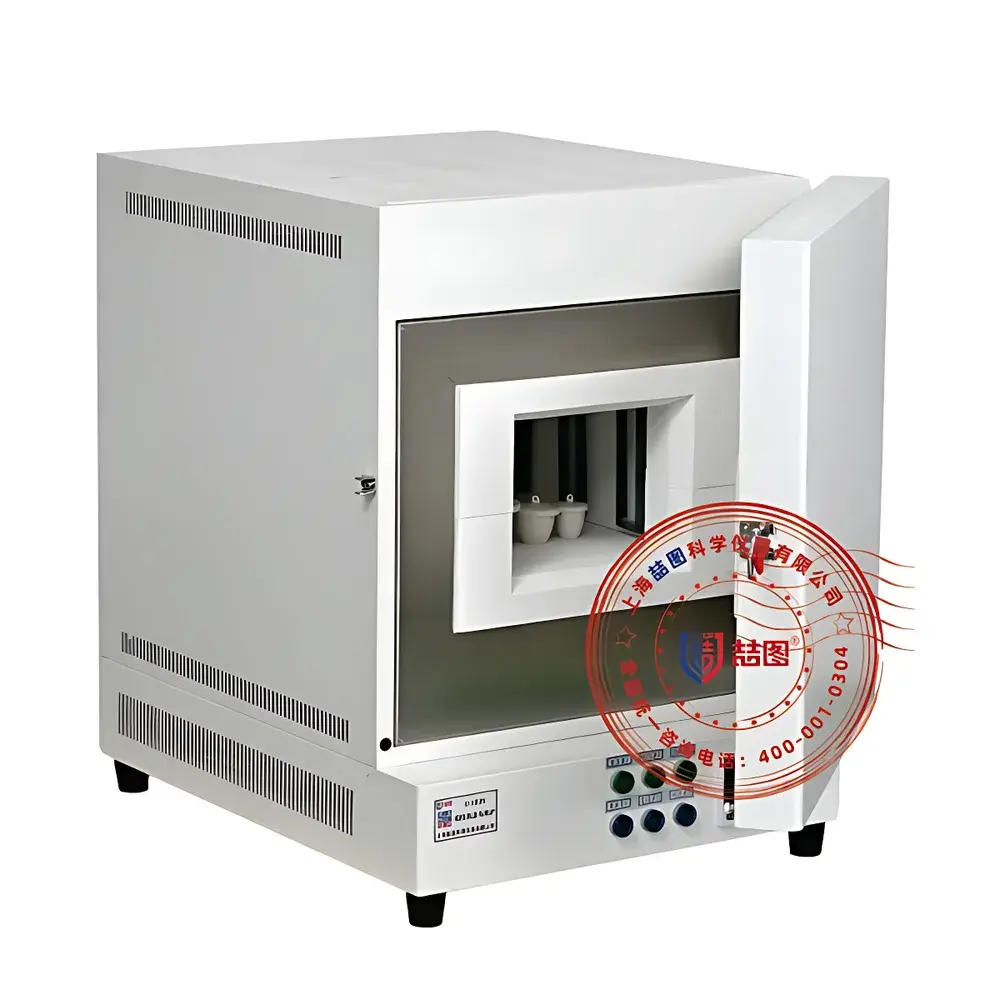
DRETOP TMF-7.2-10T Ceramic Fiber Muffle Furnace
| Brand | DRETOP |
|---|---|
| Origin | Shanghai, China |
| Manufacturer Type | Direct Manufacturer |
| Product Category | Domestic |
| Model | TMF-7.2-10T |
| Instrument Type | Box-Type Muffle Furnace |
| Maximum Temperature | 1000°C |
| Temperature Control Accuracy | ±0.1°C |
| Rated Power | 4 kW |
| Heating Rate to Max Temp | ≤30 min |
| Heating Element | Nichrome Wire |
| Internal Dimensions (W×D×H) | 200×300×120 mm |
| Control System | PID Microprocessor-Based Controller |
| Nominal Chamber Volume | 7.2 L |
Overview
The DRETOP TMF-7.2-10T Ceramic Fiber Muffle Furnace is a high-performance, laboratory-grade box-type thermal processing system engineered for precision heat treatment applications requiring rapid heating, exceptional temperature uniformity, and long-term operational stability. Unlike traditional refractory brick furnaces, this model utilizes vacuum-microporous ceramic fiber insulation—offering superior thermal efficiency, reduced thermal mass, and minimized energy consumption. Its three-sided heating configuration, with spiral-wound nichrome alloy elements embedded in the chamber walls, ensures symmetrical radiant heat distribution and minimizes axial and radial temperature gradients. Designed for continuous-duty operation in analytical laboratories, materials research centers, and quality control environments, the TMF-7.2-10T supports thermally sensitive protocols including ashing, calcination, sintering, annealing, and heat-treatment validation per ASTM E1113, ISO 8573-1, and USP requirements.
Key Features
- Advanced PID microprocessor controller with large-backlit LCD interface, supporting up to 30 programmable ramp-hold segments (TP-series variant); enables precise definition of heating rate (°C/min), dwell time, and cooling profiles.
- Integrated dual-stage overtemperature protection: primary limit controlled by independent thermocouple circuitry; secondary hardware cutoff at 1050°C prevents thermal runaway under fault conditions.
- Automatic door interlock: power to heating elements is cut immediately upon door opening—ensuring operator safety and sample integrity during mid-cycle intervention.
- Triple-layer thermal architecture: outer cold-rolled steel housing with phosphate conversion coating + high-temp powder coating; intermediate air-gap insulation; inner chamber lined with 1260°C-rated ceramic fiber board (density ≥128 kg/m³).
- Digital voltage and current monitoring: real-time display of line parameters facilitates predictive maintenance and compliance with electrical safety audits (IEC 61010-1).
- Front-accessible terminal block with compensation-grade extension wires (Type K) ensures stable signal transmission between sensor and controller across thermal cycling.
Sample Compatibility & Compliance
The TMF-7.2-10T accommodates standard crucibles (alumina, quartz, platinum, stainless steel), graphite boats, and custom fixtures within its 7.2 L nominal chamber volume (200 × 300 × 120 mm internal dimensions). Its uniform ±1.5°C temperature distribution (measured per ASTM C1040 at 900°C, 3-point mapping) meets GLP/GMP documentation requirements for method validation. The furnace complies with electromagnetic compatibility standards IEC 61326-1 and carries CE marking for safe use in EU-regulated laboratories. Optional inert gas inlet (N₂/Ar) and exhaust chimney integration support oxygen-sensitive processes—including reduction sintering of metal oxides and carbon-free annealing of semiconductor substrates—while maintaining traceability under FDA 21 CFR Part 11 when paired with TC-series touchscreen controllers featuring audit trail logging.
Software & Data Management
The base T-series model provides local parameter setting and real-time temperature tracking via front-panel interface. Upgraded TP-series units include RS485 Modbus RTU communication for integration into centralized LabVantage or Thermo Fisher SampleManager LIMS platforms. TC-series touchscreen variants (optional) deliver full data logging: timestamped temperature curves, event markers (door open/close, alarm triggers), and user-accessible CSV export via USB port. All programmable models retain power-failure memory—automatically resuming interrupted cycles upon grid recovery without manual reconfiguration. Firmware supports multi-level password protection (operator, engineer, administrator), aligning with ISO/IEC 17025 clause 5.9.2 on instrument security and data integrity.
Applications
- Elemental analysis preparation: quantitative ashing of polymers, soils, and biological tissues per AOAC 942.05 and EPA Method 3050B.
- Ceramic and glass engineering: controlled crystallization of lithium aluminosilicate glasses, glaze firing consistency testing, and nucleation studies under defined thermal histories.
- Powder metallurgy: solid-state sintering of Ti-6Al-4V preforms, Ni-based superalloy densification, and nano-ceramic consolidation below grain-coarsening thresholds.
- Heat treatment qualification: hardness correlation studies for tool steels (AISI D2, H13), stress-relief validation of welded assemblies, and tempering response mapping.
- Calibration lab support: reference material stabilization (e.g., NIST SRM 720c), thermocouple calibration soak cycles, and furnace uniformity surveys per EURAMET cg-18.
FAQ
What is the typical temperature uniformity across the working zone?
At 900°C, measured per ASTM C1040 using nine-point mapping, the chamber achieves ±1.5°C uniformity within the central 70% volume.
Can the furnace operate under inert or reducing atmospheres?
Yes—when equipped with optional gas inlet valve and exhaust chimney, it supports continuous N₂, Ar, or forming gas (5% H₂/95% N₂) flow at regulated pressure (0–0.1 bar gauge).
Is the controller compliant with FDA 21 CFR Part 11 for electronic records?
Only TC-series touchscreen models with enabled audit trail, electronic signatures, and role-based access control meet full Part 11 requirements.
How does the ceramic fiber insulation compare to traditional firebrick in terms of service life?
Ceramic fiber modules exhibit no thermal fatigue cracking after >5,000 cycles at 1000°C; firebrick equivalents typically degrade after ~1,200 cycles due to spalling and shrinkage.
What maintenance intervals are recommended for optimal performance?
Inspect door gasket integrity and thermocouple calibration annually; verify heater resistance quarterly; clean interior surfaces with non-abrasive stainless steel cleaner after each ashing cycle.



