
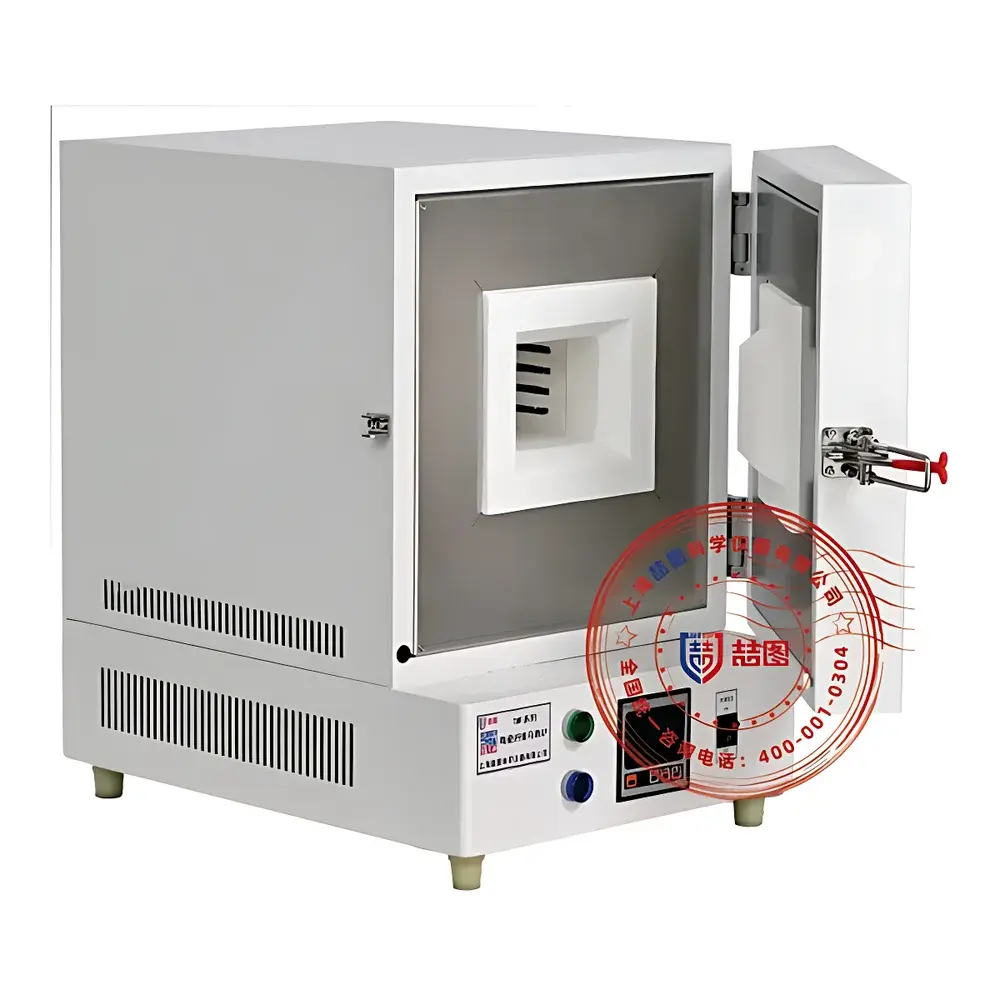
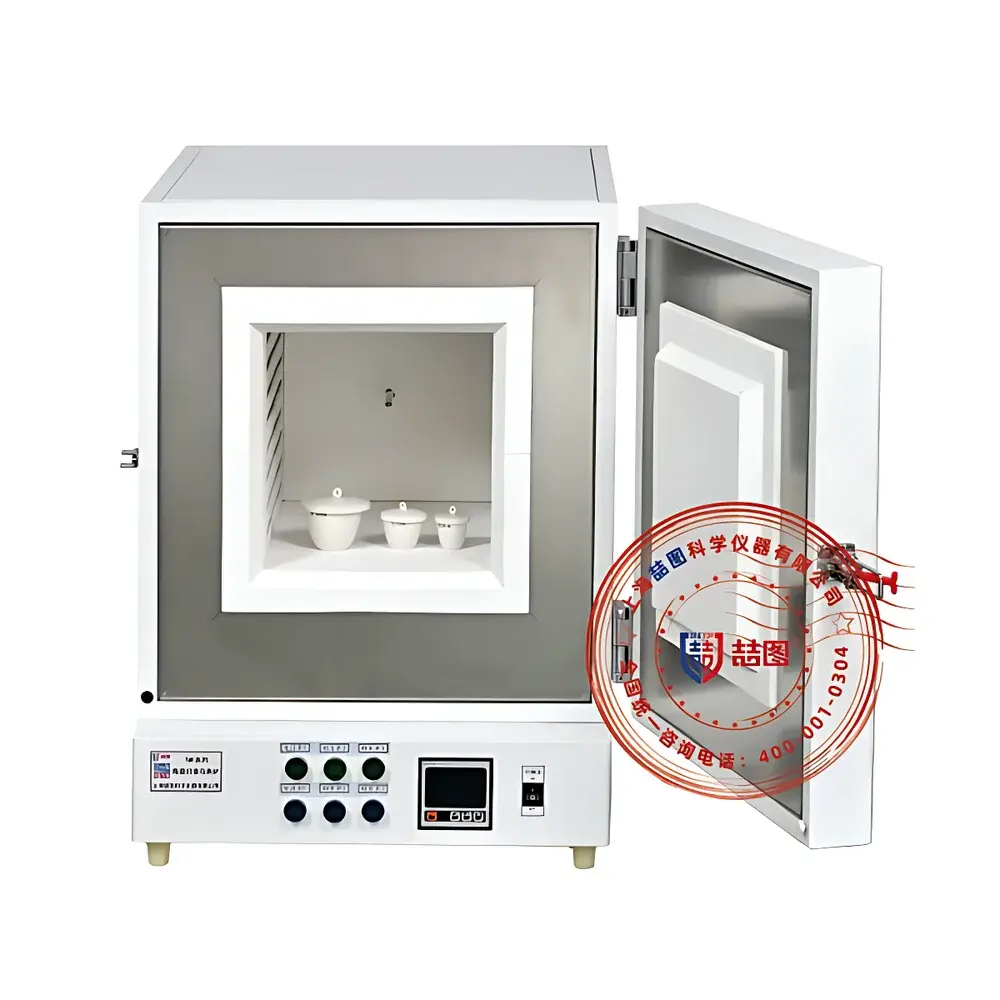
DRETOP TMF-7.2-12T Ceramic Fiber Muffle Furnace
| Brand | DRETOP |
|---|---|
| Origin | Shanghai, China |
| Manufacturer Type | Direct Manufacturer |
| Product Category | Domestic |
| Model | TMF-7.2-12T |
| Instrument Type | Box-Type Muffle Furnace |
| Maximum Temperature | 1200°C |
| Temperature Control Accuracy | ±1°C |
| Rated Power | 5 kW |
| Heating Time to Max Temp | 45 min |
| Heating Element Material | Ultra-High-Temperature Alloy |
| Internal Chamber Dimensions | 200 × 300 × 120 mm (W × D × H) |
| Control System | Microcomputer-Based P.I.D. Controller |
| Nominal Chamber Volume | 7.2 L |
Overview
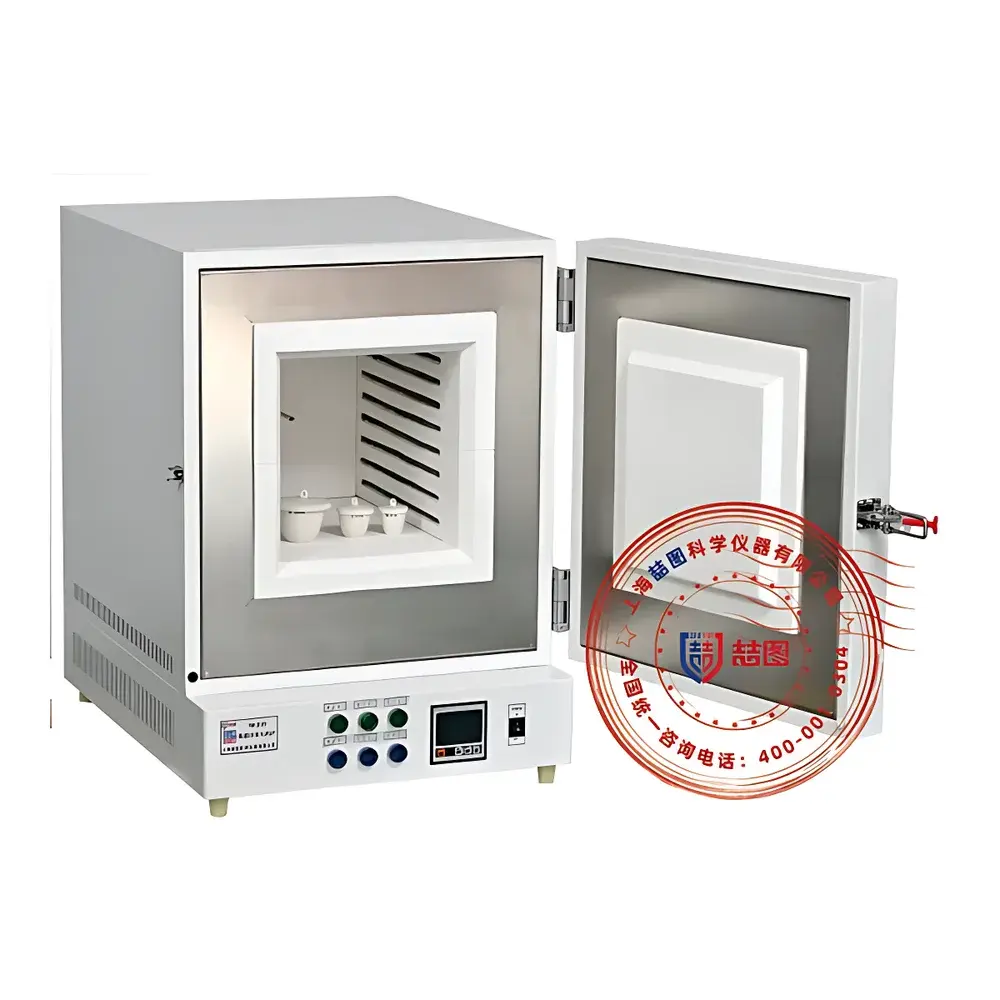
The DRETOP TMF-7.2-12T Ceramic Fiber Muffle Furnace is a high-performance, laboratory-grade box-type thermal processing system engineered for precision heat treatment applications requiring rapid heating, exceptional temperature uniformity, and long-term operational stability. Unlike traditional refractory brick furnaces, this model employs vacuum-microporous ceramic fiber insulation—offering superior thermal efficiency, reduced thermal mass, and minimized energy consumption. Its triple-sided heating architecture, utilizing coiled ultra-high-temperature alloy heating elements embedded within the furnace walls, ensures symmetrical radiant heat distribution and minimizes axial and radial temperature gradients across the 7.2 L chamber. Designed for continuous duty in R&D laboratories, quality control environments, and materials science facilities, the TMF-7.2-12T operates within a controlled range of ambient +50°C to 1200°C with ±1°C setpoint accuracy—meeting critical requirements for ASTM E1142 (Standard Practice for Calibration of High-Temperature Furnaces), ISO/IEC 17025 thermal validation protocols, and GLP-compliant thermal process documentation.
Key Features
- Triple-wall radiant heating configuration with spiral-wound ultra-high-temperature alloy elements for optimized thermal field homogeneity and accelerated ramp rates (reaching 1200°C in ≤45 minutes).
- High-density ceramic fiber chamber (density ≥128 kg/m³, service temperature ≥1260°C) providing low thermal conductivity (<0.09 W/m·K at 1000°C) and negligible heat storage—enabling rapid cooldown and precise thermal cycling.
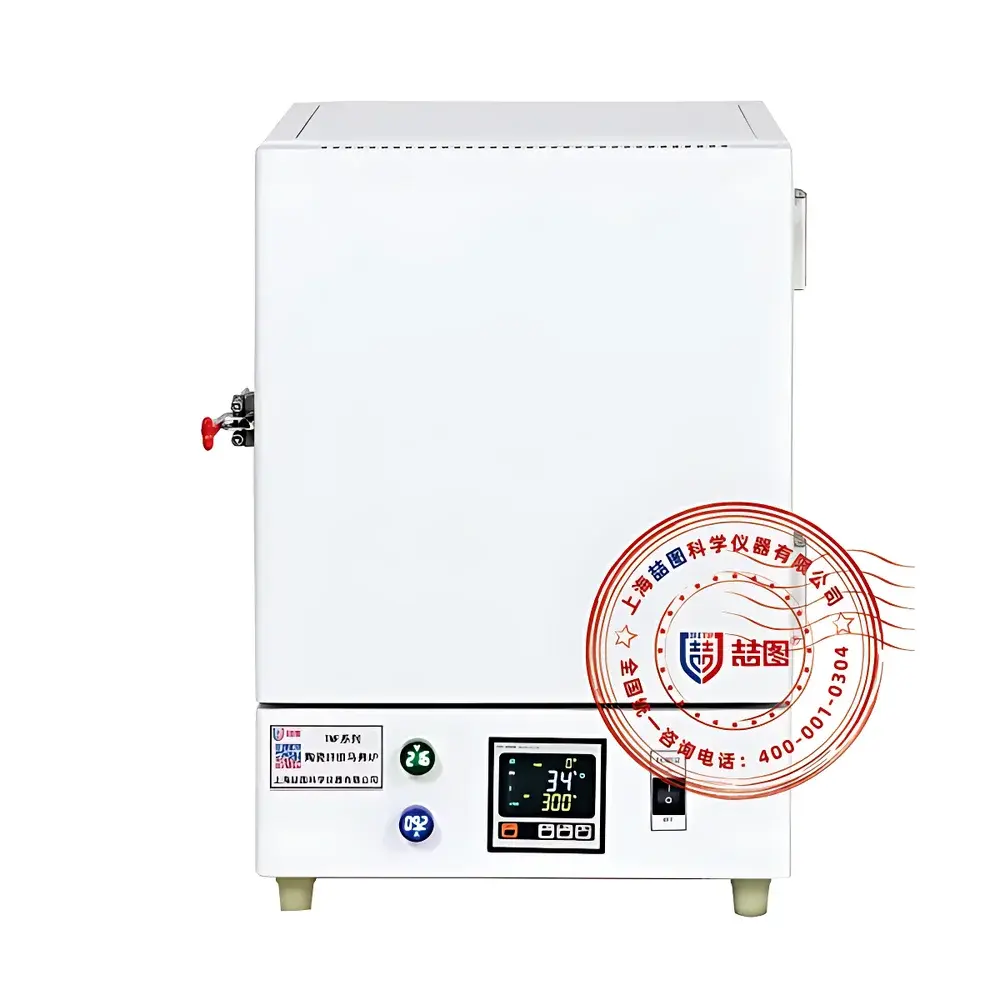
- Microprocessor-based P.I.D. temperature controller with large-format LCD interface; supports 30-segment programmable ramp-hold profiles, automatic power cutoff on door opening, and power-loss memory retention.
- Dual-stage over-temperature protection: primary electronic limit (adjustable up to 1250°C) and independent mechanical backup thermostat; integrated voltage/current digital meters for real-time electrical diagnostics.
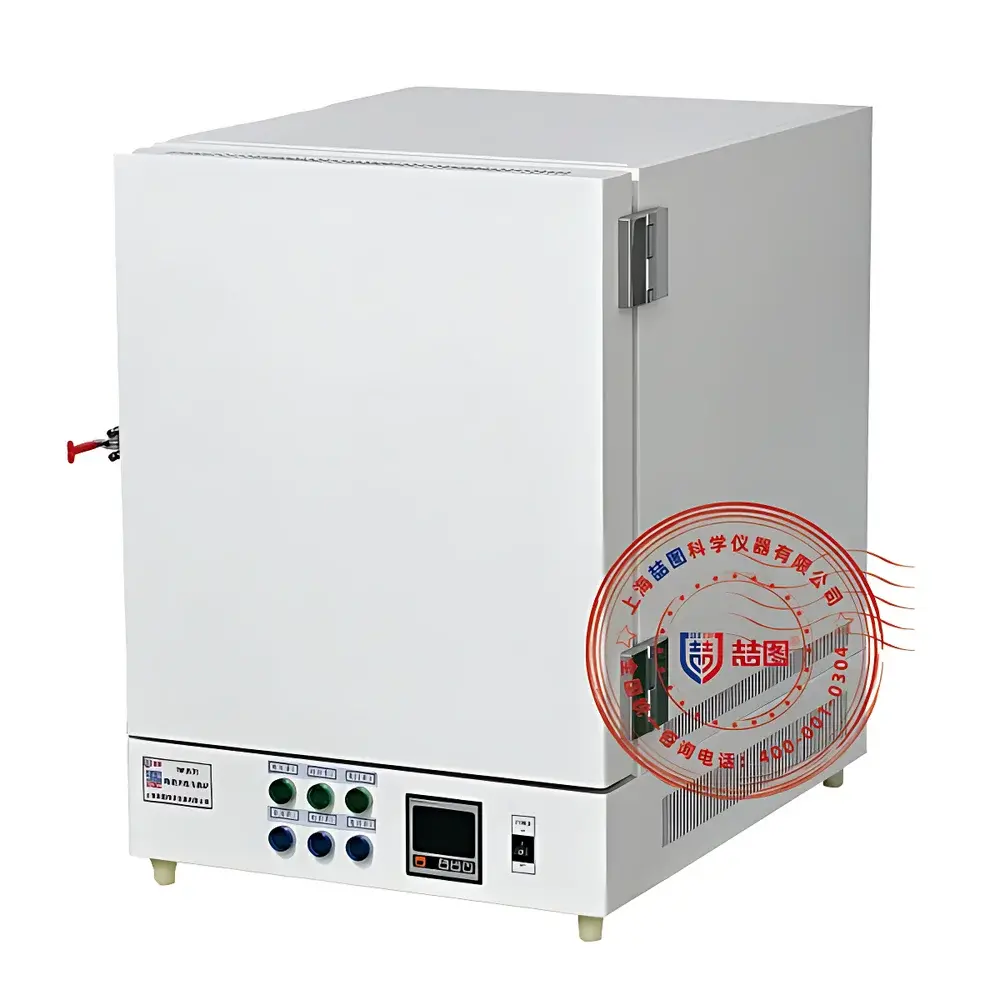
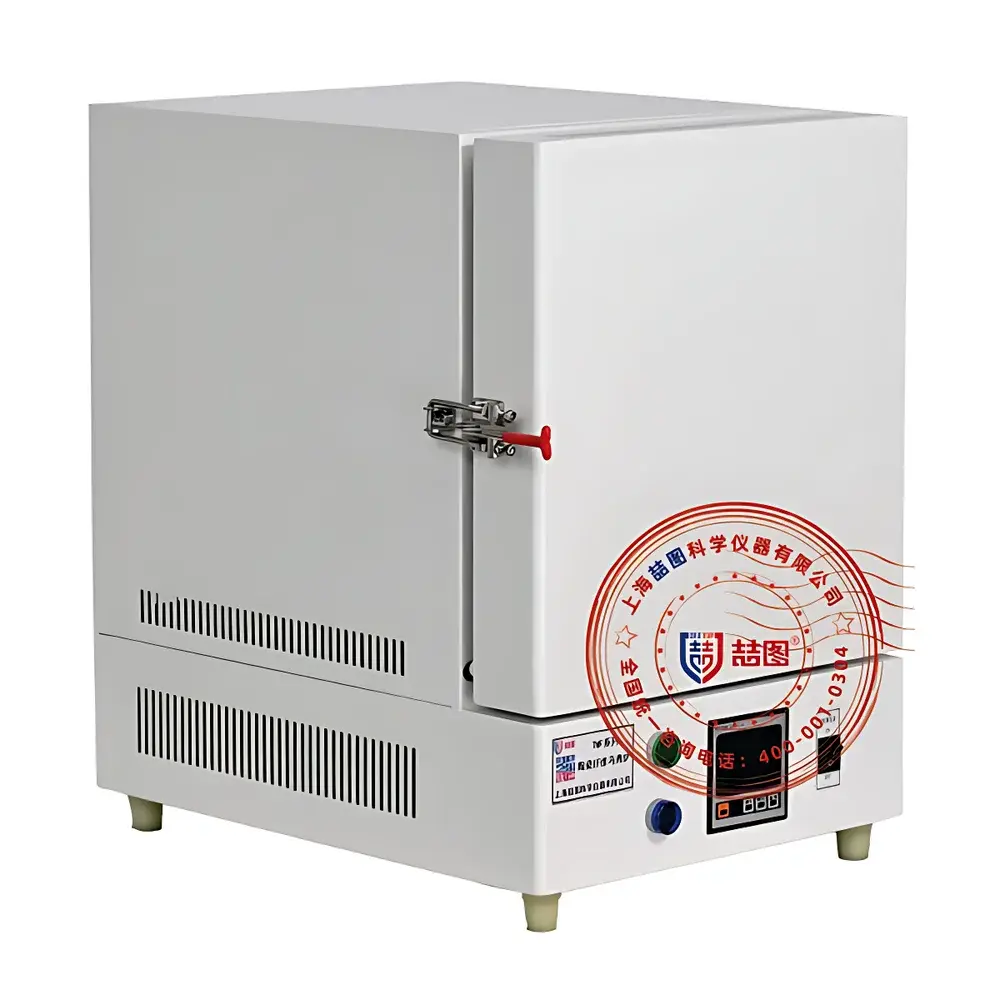
- Ergonomic front-loading design with reinforced stainless steel (304 grade) door seal, spring-loaded latch mechanism, and internal heat-deflecting baffle to suppress convection losses at the aperture.
- Structural integrity enhanced by phosphate conversion coating + high-temp epoxy polyester powder coating on the outer chassis; all internal fasteners and brackets rated for sustained exposure above 800°C.
Sample Compatibility & Compliance
The TMF-7.2-12T accommodates standard crucibles (alumina, quartz, silicon carbide), ceramic setters, metal sintering trays, and inert-gas-compatible sample boats up to 180 mm in height. Its uniform ±2°C temperature deviation across the working zone (per ASTM C1040 methodology) supports reproducible outcomes in ash content analysis (AOAC 923.03), loss-on-ignition (LOI) testing (ASTM D7348), catalyst calcination, and pre-sintering of oxide ceramics. The furnace complies with IEC 61000-6-3 (EMC emissions), UL 61010-1 (safety for lab equipment), and incorporates hardware-level safeguards aligned with FDA 21 CFR Part 11 data integrity principles—including audit-trail-capable event logging when paired with optional RS485 or Ethernet-enabled controllers.
Software & Data Management
While the base T-series model features standalone P.I.D. logic, optional TC-series upgrades integrate a 7-inch capacitive touchscreen HMI supporting real-time curve visualization, multi-user role-based access (engineer/operator/auditor tiers), and encrypted data export via USB or network interface. All programmable variants record timestamped thermal events—including door openings, alarm triggers, setpoint changes, and power interruptions—with configurable retention policies. When connected to DRETOP’s LabFurnace Suite (Windows/Linux compatible), users can generate IQ/OQ/PQ reports compliant with ISO 17025 clause 6.4.10 and validate furnace performance against EN 60519-12 (safety of industrial electroheating equipment).
Applications
- Thermal gravimetric analysis (TGA) sample preparation and residue stabilization
- Sintering of ferrites, piezoelectric ceramics, and solid-state electrolytes
- Heat treatment of tool steels, stainless alloys, and titanium components (annealing, stress relieving)
- Crucible-based ashing of biological, pharmaceutical, and environmental samples per USP
- Controlled-atmosphere annealing using optional inert gas inlet kits (N₂, Ar) with mass flow regulation
- Development of glass-ceramic composites and microcrystalline phase studies under defined thermal histories
FAQ
What is the maximum recommended operating temperature for continuous use?
The TMF-7.2-12T is rated for continuous operation at 1150°C; 1200°C is specified as the absolute upper limit for short-duration (<2 hr) processes.
Can the furnace be used under reducing or inert atmospheres?
Yes—when equipped with the optional inert gas inlet valve and sealed chamber accessories, it supports N₂ or Ar purging at flow rates up to 5 L/min (requires external gas supply and pressure regulator).
Is the temperature uniformity validated per industry standards?
Yes—DRETOP provides a factory calibration certificate documenting ±2°C uniformity (9-point mapping) at 1000°C per ASTM E220 methodology; users may perform periodic verification using traceable thermocouples.
Does the controller support remote monitoring or integration with LIMS?
The TC-series touchscreen model includes Modbus RTU/TCP and optional OPC UA drivers, enabling bidirectional communication with SCADA systems and LIMS platforms for automated result capture and audit-ready reporting.
What maintenance is required to sustain optimal thermal performance?
Annual inspection of ceramic fiber integrity, thermocouple calibration (Type K, Class 1), and cleaning of door gasket surfaces with non-abrasive solvent; no lubrication or element replacement is needed under normal usage conditions.



