
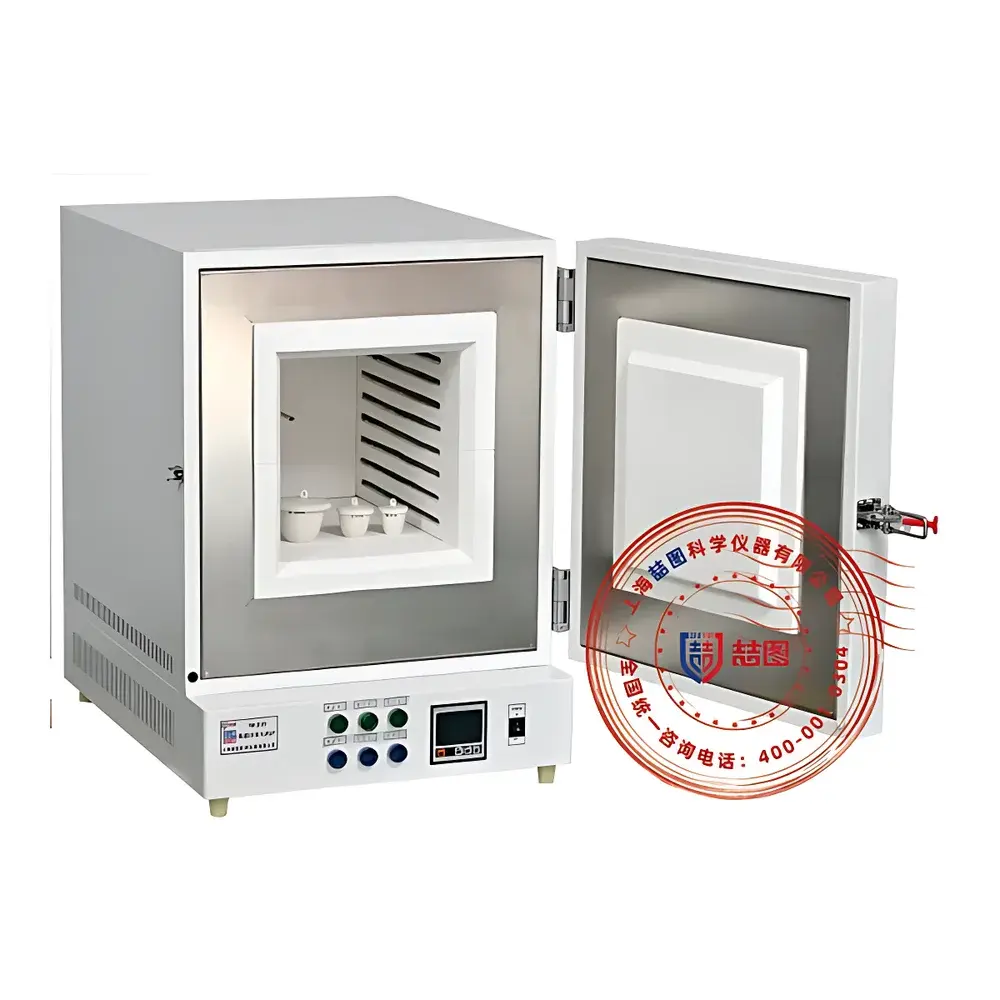
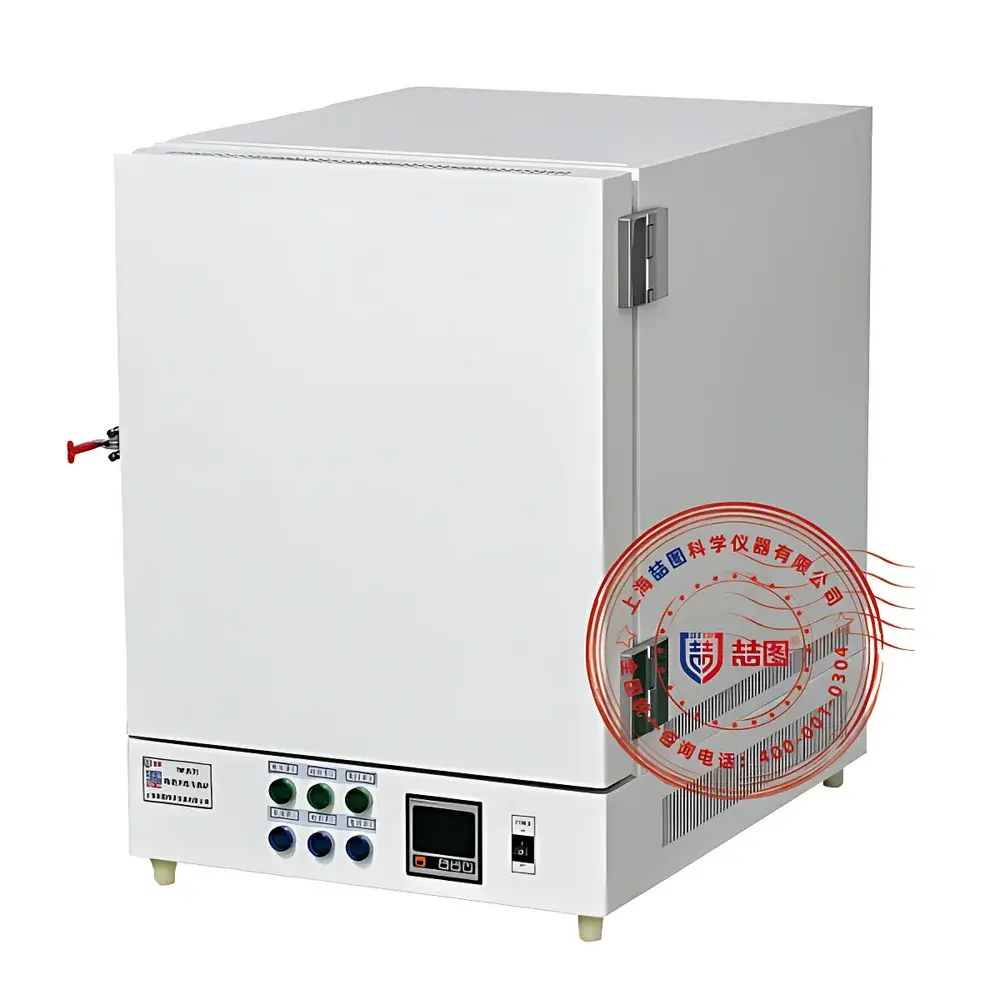
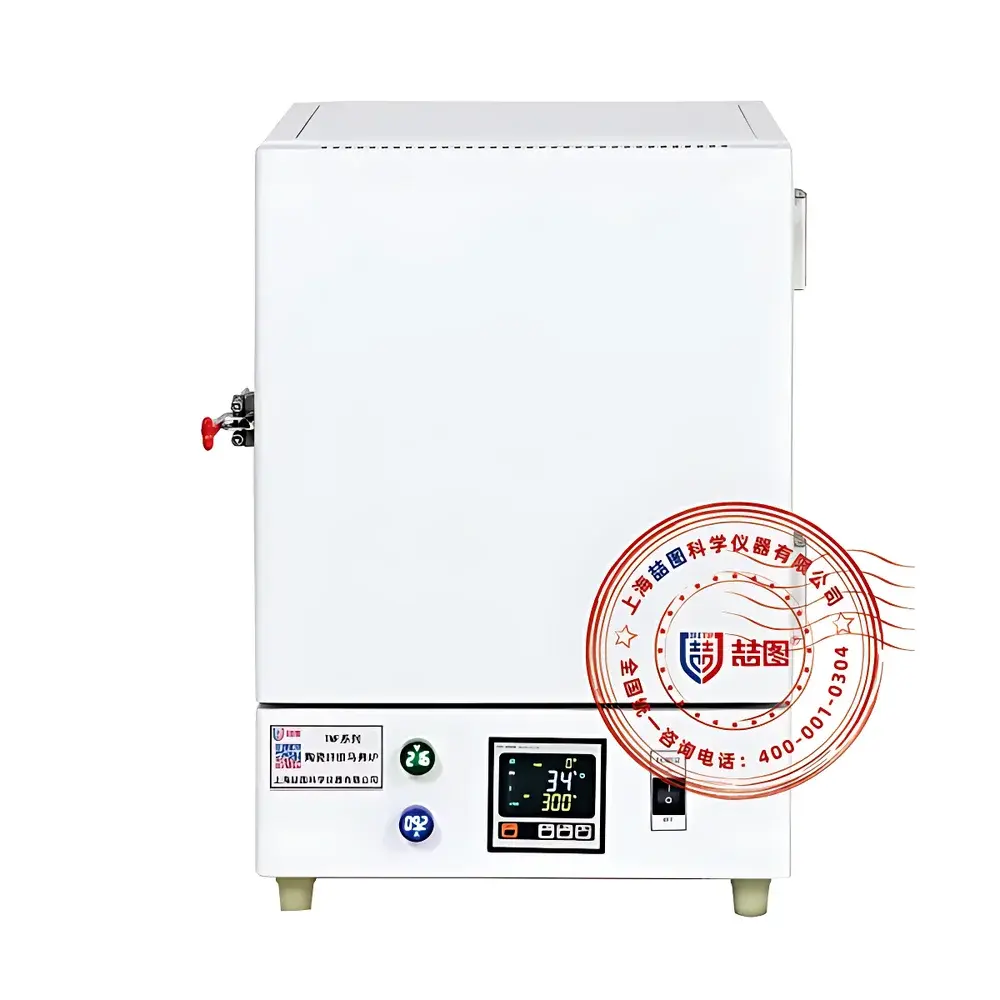
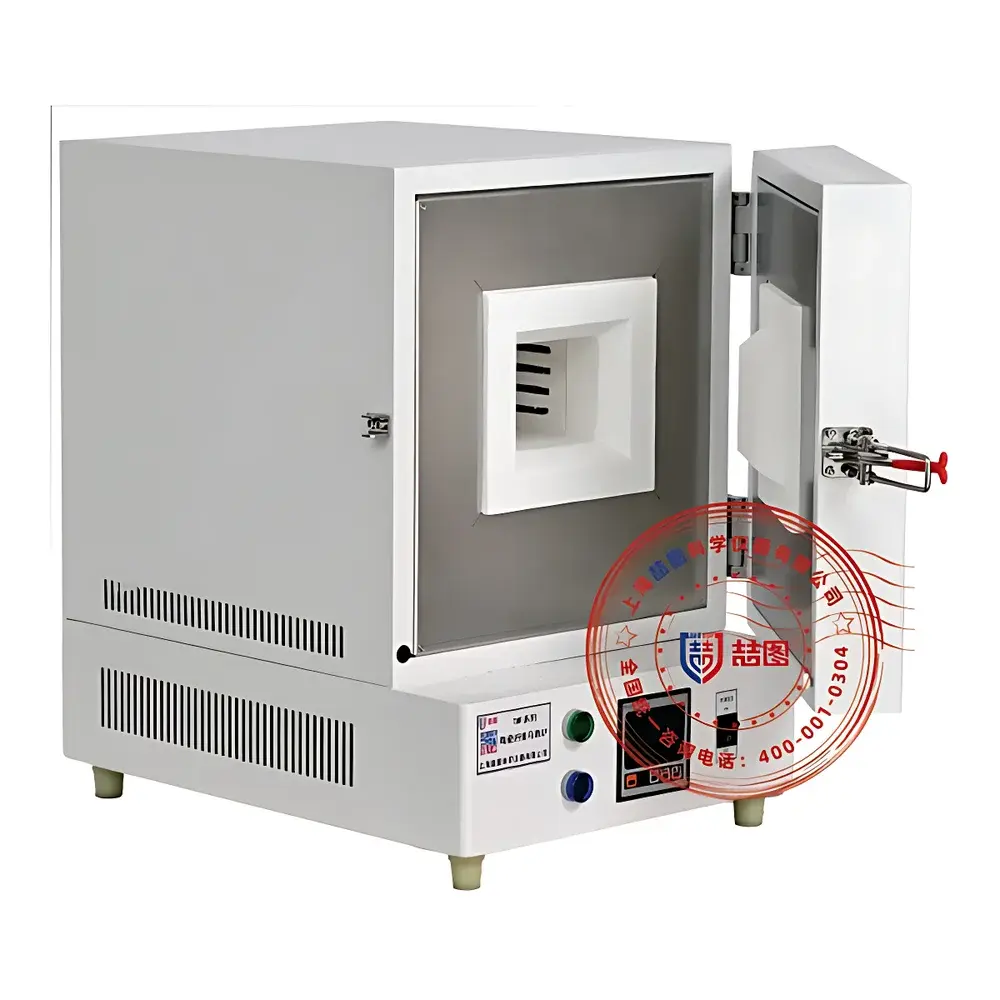
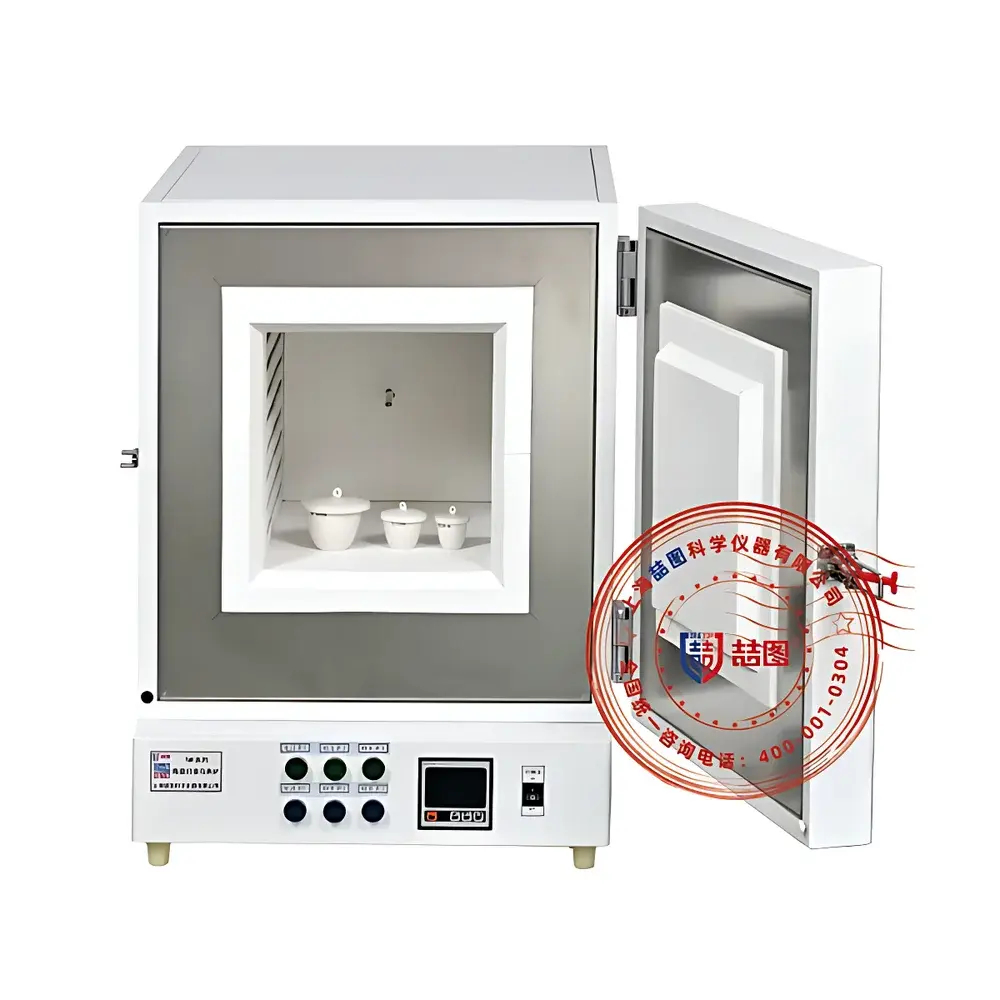
DRETOP TMF-80-10T Ceramic Fiber Muffle Furnace
| Brand | DRETOP |
|---|---|
| Origin | Shanghai, China |
| Manufacturer Type | Direct Manufacturer |
| Product Category | Domestic |
| Model | TMF-80-10T |
| Instrument Type | Box-Type Muffle Furnace |
| Maximum Temperature | 1000 °C |
| Temperature Control Accuracy | ±1 °C |
| Rated Power | 15 kW |
| Heating Rate to Max Temp | ≤30 min |
| Heating Element | Nickel-Chromium Resistance Wire |
| Internal Chamber Dimensions | 400 × 500 × 400 mm (W × D × H) |
| Control System | Microcomputer-Based PID Controller |
| Nominal Volume | 80 L |
Overview
The DRETOP TMF-80-10T Ceramic Fiber Muffle Furnace is a high-performance box-type thermal processing instrument engineered for precision laboratory and industrial heat treatment applications. Designed around a low-thermal-mass ceramic fiber insulation architecture, it eliminates the structural inertia and slow thermal response typical of traditional refractory brick furnaces. Its operational principle relies on resistive heating via embedded nickel-chromium alloy elements distributed across three chamber walls—enabling rapid, uniform heat transfer through controlled radiant and conductive pathways. The furnace maintains stable setpoint temperatures from ambient +50 °C up to 1000 °C, with real-time feedback regulation ensuring minimal thermal deviation under dynamic load conditions. This architecture supports repeatable thermal protocols essential for materials synthesis, phase transformation studies, ashing, calcination, and quality control workflows in compliance with ASTM E1112, ISO 7888, and USP <231> heavy metal testing requirements.
Key Features
- Triple-wall radiant heating configuration ensures exceptional temperature uniformity (±3 °C across working zone at 1000 °C), validated per IEC 60068-3-5 thermal mapping protocols.
- Ceramic fiber chamber lining (vacuum-formed micro-porous board, density ~220 kg/m³) provides superior thermal insulation, reducing standby power consumption by >40% versus conventional brick-lined units.
- Microprocessor-based PID controller with large backlit LCD interface supports intuitive parameter entry, real-time temperature logging, and alarm status visualization.
- 30-segment programmable ramp-soak profile capability (standard on TP/TC variants) enables complex thermal cycles—including controlled cooling rates—for sintering, annealing, and crystallization processes.
- Integrated safety interlock system: automatic power cutoff upon door opening, dual-stage overtemperature protection (primary sensor + independent backup thermocouple), and real-time voltage/current monitoring with digital display.
- Ergonomic front-access design with reinforced stainless steel door seal and high-temperature ceramic gasket minimizes radiant heat loss and prevents thermal degradation of sealing surfaces during repeated cycling.
- Phosphate conversion coating + high-temp epoxy powder finish on outer casing ensures corrosion resistance and mechanical durability in shared lab environments.
Sample Compatibility & Compliance
The TMF-80-10T accommodates standard crucibles (alumina, quartz, silicon carbide), ceramic boats, and metal trays up to 380 mm × 480 mm footprint. Its open-chamber geometry supports heterogeneous sample loads—including powders, granules, thin films, and small metallic components—without airflow restrictions. The furnace meets CE marking requirements (2014/35/EU Low Voltage Directive and 2014/30/EU EMC Directive) and conforms to EN 61000-6-2/6-4 immunity/emission standards. Optional inert gas purging (via integrated N₂/Ar inlet valve) enables oxygen-sensitive operations such as reduction annealing or carbon-free sintering, supporting GLP/GMP documentation needs when paired with RS485 data export and audit-trail-capable TC-series controllers compliant with FDA 21 CFR Part 11.
Software & Data Management
While the base T-series model operates via standalone hardware controls, optional TP (programmable) and TC (touchscreen) configurations integrate full data acquisition capabilities. TC-series units feature embedded 7-inch capacitive touch HMI with built-in temperature curve visualization, multi-level user authentication (engineer/operator/admin), and timestamped event logging (door open/close, alarm triggers, program completion). All programmable variants support Modbus RTU communication over RS485, enabling integration into centralized LIMS or SCADA systems. Optional accessories—including thermal printers, Ethernet gateways, and cloud-ready data loggers—facilitate automated report generation aligned with ISO/IEC 17025 calibration traceability frameworks.
Applications
This furnace serves critical roles in analytical chemistry (e.g., gravimetric ash determination per AOAC 942.05), metallurgy (tempering, stress-relieving of tool steels), ceramics R&D (glaze firing, densification kinetics), and nanomaterials processing (precursor decomposition, oxide nanoparticle synthesis). Its rapid thermal response and tight uniformity make it suitable for ASTM C1171 (refractory shrinkage), ISO 5660-1 (cone calorimetry pre-conditioning), and ISO 11358 (thermogravimetric coupling). Universities utilize it for undergraduate thermodynamics labs and graduate-level solid-state reaction kinetics studies where reproducible thermal history is non-negotiable.
FAQ
What is the maximum recommended continuous operating temperature?
The TMF-80-10T is rated for continuous operation at 1000 °C. Sustained use above this threshold will accelerate heating element oxidation and compromise insulation integrity.
Can the furnace be used under inert or reducing atmospheres?
Yes—when equipped with the optional inert gas inlet valve and exhaust chimney, it supports N₂, Ar, or forming gas (5% H₂/95% N₂) environments. Ensure proper venting and gas flow rate validation prior to operation.
Is the temperature uniformity validated across the full chamber volume?
Per factory calibration, uniformity is verified at nine points (center + eight corners) at 1000 °C using NIST-traceable Class 1 thermocouples; results are documented in the Certificate of Conformance supplied with each unit.
Does the controller support remote monitoring or network integration?
RS485 Modbus RTU is standard on TP/TC models. Ethernet or Wi-Fi gateways are available as field-installable options for integration with LabVIEW, Python-based DAQ systems, or enterprise MES platforms.
What maintenance intervals are recommended for optimal performance?
Inspect door gasket integrity and chamber surface condition every 200 operating hours. Clean interior residue after ashing applications using non-abrasive ceramic-safe tools. Verify thermocouple calibration annually or per internal QA schedule.



