
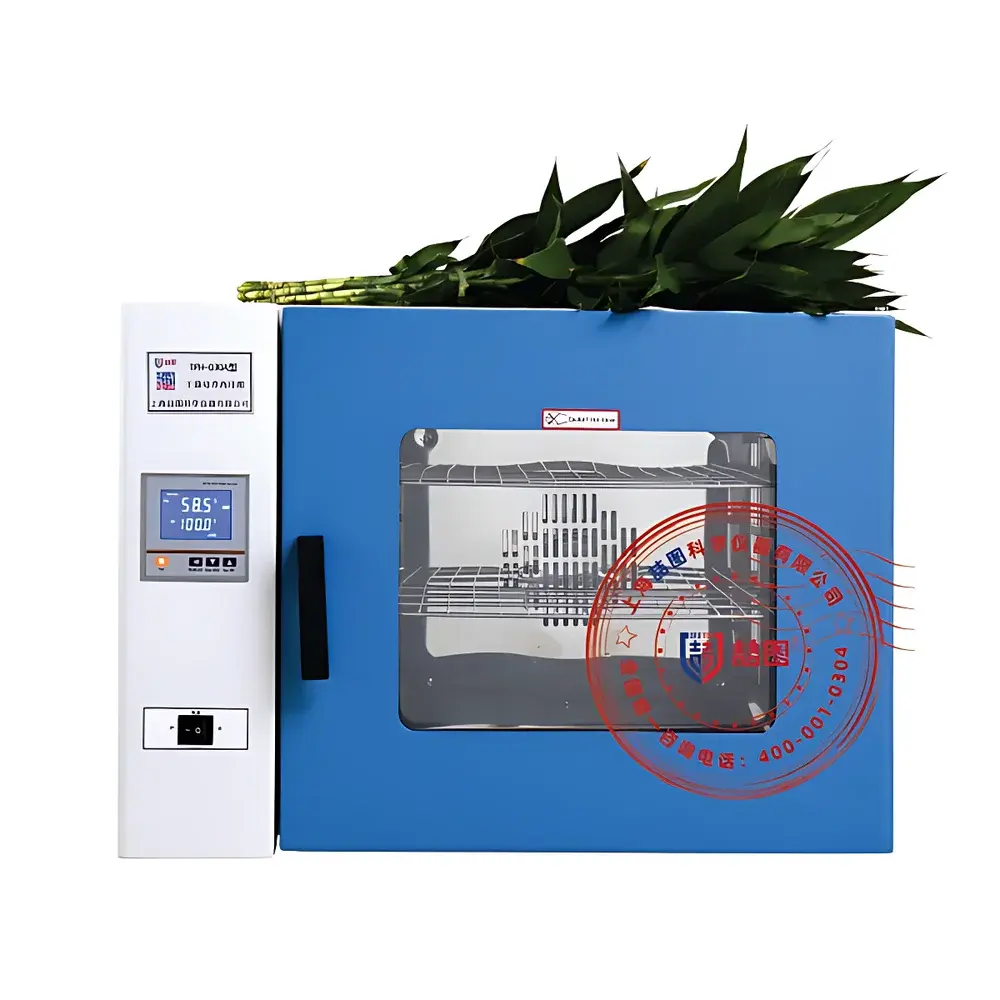
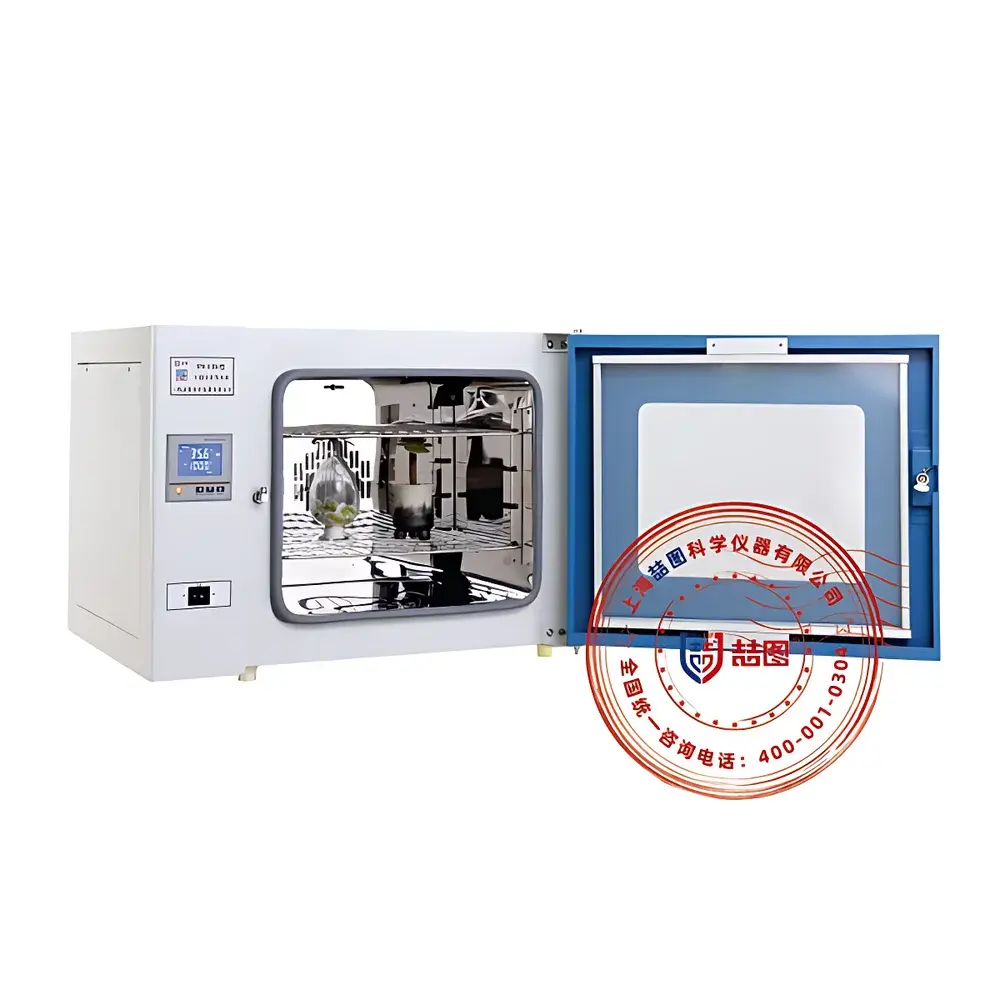
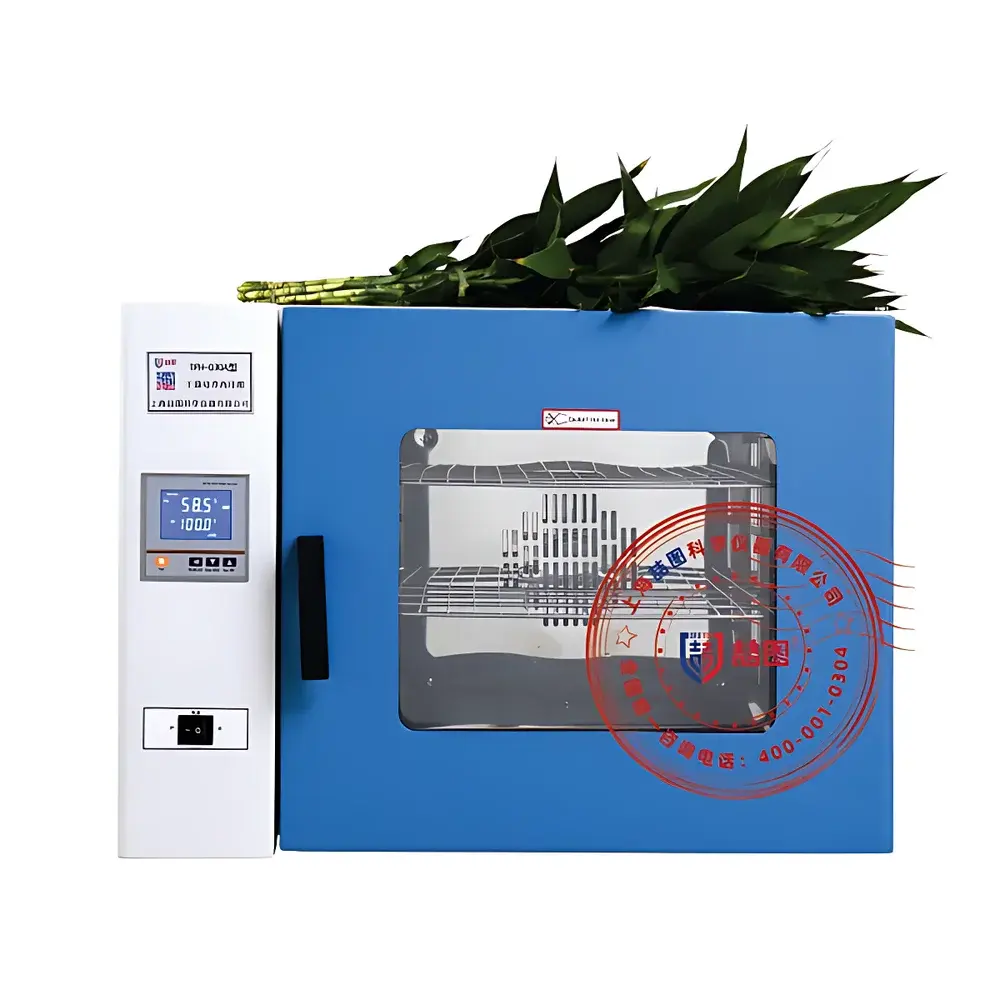
DRETOP TPH-240A Dual-Mode Incubator-Drying Oven
| Brand | DRETOP |
|---|---|
| Origin | Shanghai, China |
| Manufacturer Type | Direct Manufacturer |
| Product Category | Domestic |
| Model | TPH-240A |
| Instrument Type | Dual-Function Laboratory Oven |
| Temperature Range | RT+5–80°C (Incubation Mode) / 80–250°C (Drying Mode) |
| Temperature Fluctuation | ±0.5°C (Incubation) / ±1°C (Drying) |
| External Dimensions | 880×720×830 mm |
| Internal Chamber Dimensions | 600×595×650 mm |
| Temperature Resolution | 0.1°C |
| Operating Ambient Temperature | 5–45°C |
| Interior Material | Stainless Steel (SUS304) |
| Heating Method | Forced-Air Convection |
| Temperature Uniformity | ±2.5°C |
| Vacuum Capability | Not Integrated (Vacuum Option Available Upon Request) |
Overview
The DRETOP TPH-240A Dual-Mode Incubator-Drying Oven is an engineered laboratory chamber designed to serve two distinct thermal regimes within a single robust platform: low-temperature biological incubation (RT+5°C to 80°C) and high-temperature dry-heat processing (80°C to 250°C). Unlike conventional ovens limited to either drying or incubation, this dual-mode system employs a microprocessor-controlled forced-air convection architecture with independently optimized airflow dynamics for each operational mode. In incubation mode, laminar yet sufficient air exchange maintains CO₂-compatible stability and minimizes moisture loss—critical for cell culture maintenance, microbial growth studies, and enzyme activity assays. In drying mode, the same convection system delivers rapid, uniform heat transfer essential for moisture removal, sterilization of glassware and metal instruments, and thermal degradation studies of heat-stable compounds. The oven complies with core thermal validation principles outlined in ISO 17025 and supports GLP-compliant workflows through traceable temperature logging and configurable alarm thresholds.
Key Features
- Intelligent PID temperature controller with dual-mode setpoint logic: automatically transitions between incubation and drying profiles based on user-defined threshold (default 80°C); supports programmable ramp-hold cycles when equipped with optional multi-segment controller.
- High-visibility 4.3-inch color LCD interface with tri-color status display (green/amber/red), real-time parameter monitoring, and embedded self-diagnostic code reporting for rapid fault identification.
- Stainless steel (SUS304) interior chamber and adjustable stainless steel shelving; reinforced double-layer door with high-temperature silicone gasket and dual-stage zinc-alloy latch ensuring consistent thermal sealing across full operating range.
- Energy-efficient insulation using 80 mm thick mineral fiber board between inner and outer walls; reduces standby heat loss by >35% compared to standard fiberglass alternatives.
- Comprehensive safety architecture including independent over-temperature cut-off (with mechanical backup), leakage current protection, short-circuit interruption, and power-fail data retention (EEPROM-based parameter memory).
- Optional accessories include RS-485 Modbus RTU interface, USB data export port (for CSV-formatted temperature/time logs), thermal printer module, and 7-inch capacitive touch HMI for advanced process scripting.
Sample Compatibility & Compliance
The TPH-240A is validated for use with heat-stable materials requiring dry-heat sterilization per ISO 15883-5 and USP , including borosilicate glassware (petri dishes, pipettes, vials), stainless steel tools (forceps, scalpels, needles), and anhydrous pharmaceutical excipients (e.g., talc, starch, magnesium stearate). It is not suitable for thermolabile polymers (PVC, polyethylene), rubber components, or aqueous solutions. For incubation applications, the unit meets ASTM E1269-22 criteria for temperature uniformity in biological chambers and supports compliance with FDA 21 CFR Part 11 when paired with audit-trail-enabled software (e.g., DRETOP LabLink Pro). All electrical design conforms to IEC 61010-1:2010 safety standards for laboratory equipment.
Software & Data Management
Standard firmware supports time-stamped internal logging (up to 10,000 data points) with timestamped start/stop events and alarm history. Optional LabLink Pro software enables remote monitoring via Ethernet/Wi-Fi, real-time graphing, PDF report generation (including uncertainty estimation per GUM), and automated export to LIMS systems. When configured with the RS-485 interface, the oven integrates into centralized SCADA environments supporting Modbus TCP/IP protocols. All electronic records maintain integrity through SHA-256 hashing and support electronic signature workflows compliant with Annex 11 and ALCOA+ data governance principles.
Applications
- Dry-heat sterilization of surgical instruments and laboratory glassware in accordance with EN 285:2015 requirements for steam-free thermal decontamination.
- Residual solvent removal from polymer films, ceramic precursors, and battery electrode coatings under inert atmosphere (when used with optional N₂ purge kit).
- Accelerated stability testing of solid-dose pharmaceuticals per ICH Q1A(R2), including long-term (30°C/65% RH simulated) and accelerated (40°C/75% RH) conditions via controlled humidity integration.
- Microbial enumeration and colony isolation using agar plate incubation at 30–37°C, with optional humidity control module (sold separately) for extended viability studies.
- Thermogravimetric pre-conditioning of catalyst supports, zeolites, and MOFs prior to BET surface area analysis.
FAQ
Does the TPH-240A support vacuum operation?
No — the base configuration is a forced-air convection oven without vacuum capability. A vacuum-compatible variant (TPH-240AV) is available upon special order, featuring reinforced chamber walls, vacuum-rated door seal, and integrated vacuum gauge port.
Can temperature uniformity be verified per ISO 17025?
Yes — the chamber includes nine calibrated PT100 sensor mounting ports (3 per axis) aligned with ISO/IEC 17025:2017 Annex B. DRETOP provides a factory-issued temperature mapping report (±0.3°C accuracy) traceable to NIM (China National Institute of Metrology).
Is the stainless steel interior electropolished?
The standard SUS304 interior is passivated and mirror-finished but not electropolished. Electropolishing is available as a custom option (lead time +12 working days) for enhanced corrosion resistance in halogen-rich environments.
What is the maximum load weight per shelf?
Each adjustable stainless steel shelf supports up to 15 kg uniformly distributed load. Total chamber loading capacity is 60 kg (four shelves × 15 kg), assuming minimum 50 mm clearance between top shelf and ceiling baffle.
Does the unit meet CE marking requirements for export to the EU?
Yes — all TPH-series ovens carry CE marking under Directive 2014/30/EU (EMC) and 2014/35/EU (LVD), with technical documentation filed with a Notified Body (NB 0197). Declaration of Conformity is supplied with shipment.



