

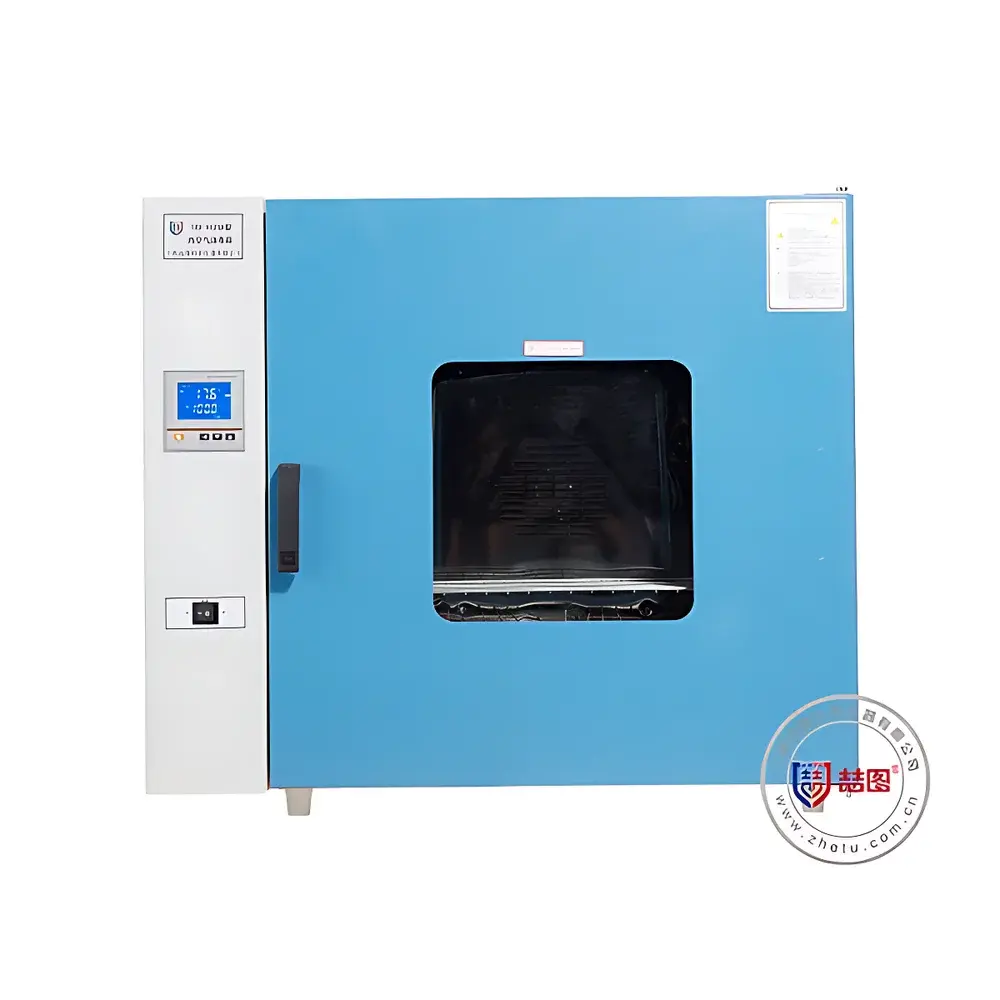
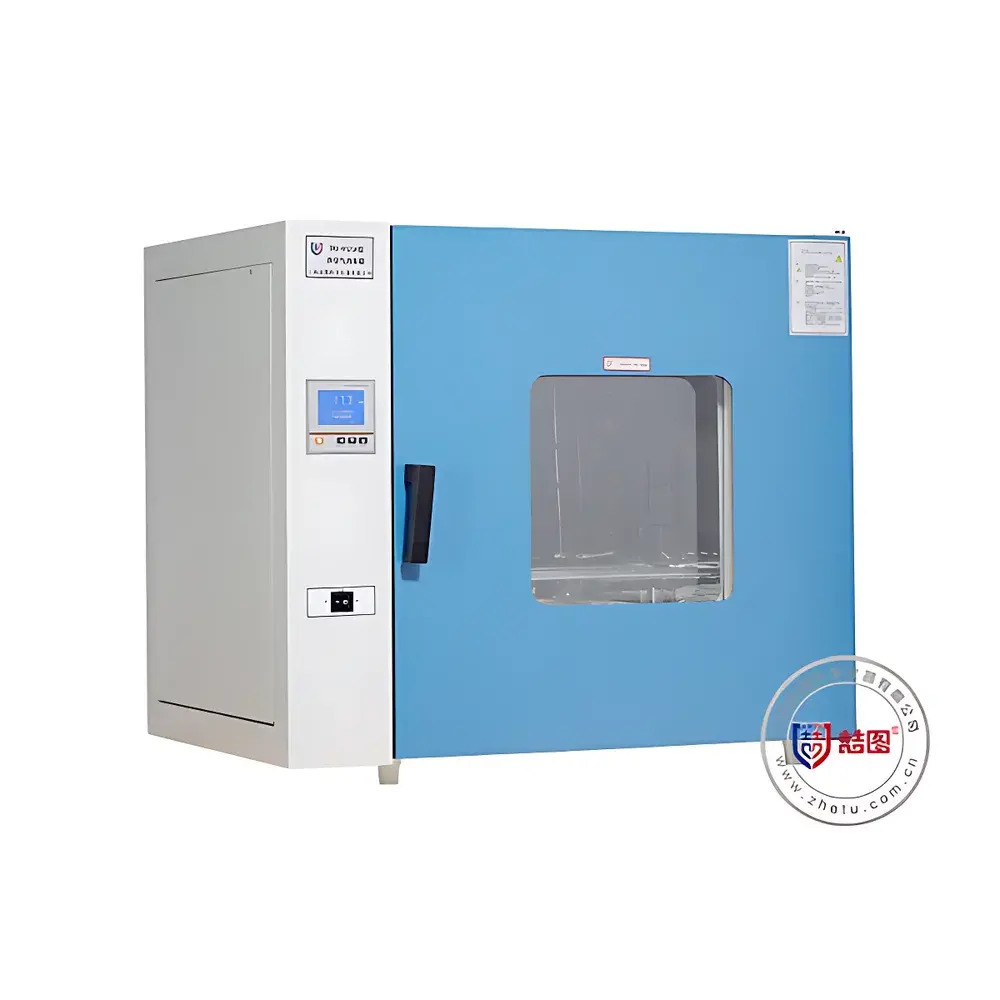
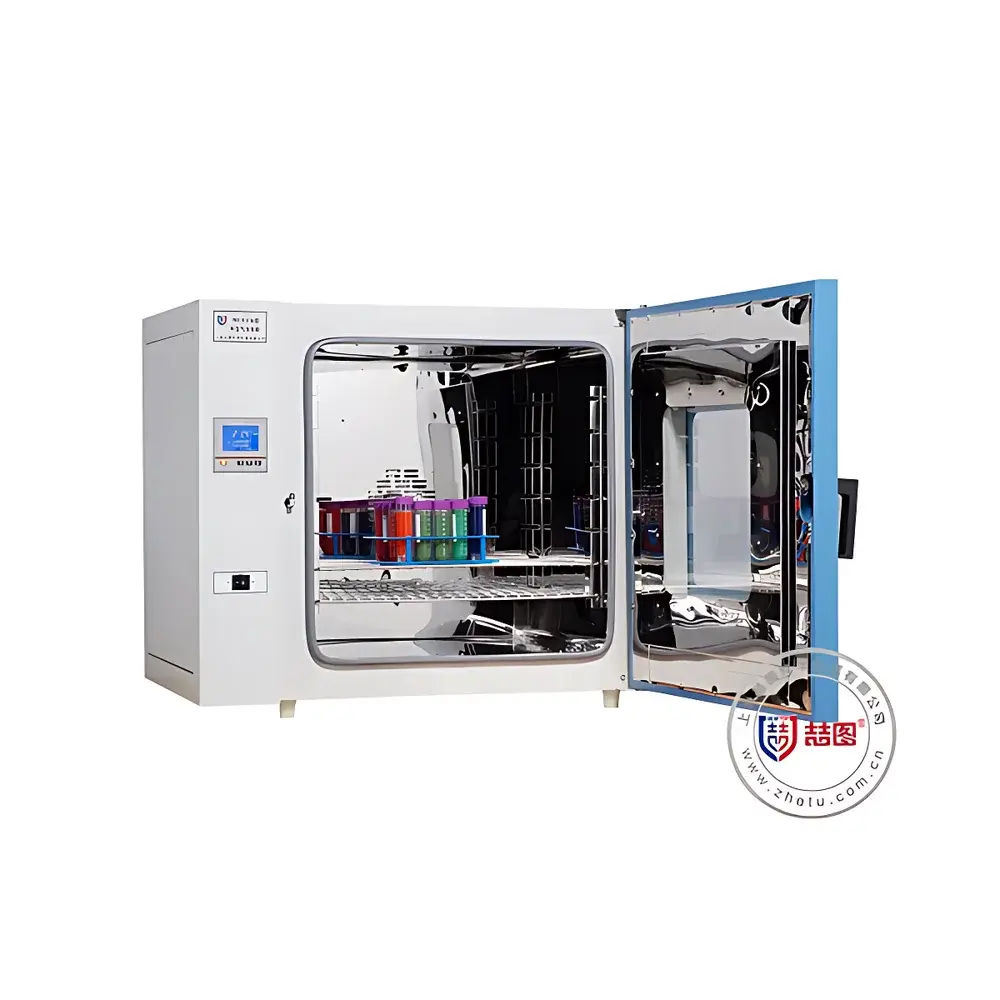
DRETOP TRX-9053A Forced-Air Dry Heat Sterilizer
| Brand | DRETOP |
|---|---|
| Origin | Shanghai, China |
| Manufacturer Type | Direct Manufacturer |
| Model | TRX-9053A |
| Convection Method | Forced Air Circulation |
| Temperature Range | RT +10°C to 250°C |
| Temperature Resolution | 0.1°C |
| Temperature Uniformity | ±2.5°C |
| Heating Power | 1100 W |
| Internal Chamber Dimensions (W×D×H) | 420 × 350 × 390 mm |
Overview
The DRETOP TRX-9053A Forced-Air Dry Heat Sterilizer is a precision-engineered laboratory instrument designed for thermal sterilization of heat-stable, moisture-sensitive materials via convection-heated dry air. Unlike moist-heat methods (e.g., autoclaving), dry heat sterilization relies on oxidative degradation of cellular components—primarily lipid peroxidation and irreversible protein denaturation—at sustained elevated temperatures. This mechanism ensures reliable microbial inactivation (including spores of *Bacillus atrophaeus* and *Geobacillus stearothermophilus*, commonly used as biological indicators) when exposure time and temperature are validated per ISO 17665-1 and ASTM E530 standards. The TRX-9053A operates within a rigorously controlled thermal envelope (RT +10°C to 250°C), making it suitable for sterilizing glassware (e.g., Petri dishes, pipettes, test tubes), stainless steel instruments (forceps, scalpels, needles), powdered pharmaceuticals, and anhydrous oils (e.g., injection-grade mineral oil, petrolatum). It is explicitly not intended for thermolabile polymers, rubber, or most active pharmaceutical ingredients (APIs) subject to thermal decomposition.
Key Features
- Forced-air convection system with optimized internal airflow channels ensures rapid heating and uniform temperature distribution (±2.5°C across chamber volume), minimizing cold spots and reducing cycle time.
- Microprocessor-based P.I.D. temperature controller with 0.1°C resolution and programmable timer; supports deviation alarm and over-temperature cutoff with independent mechanical safety limiter.
- Double-sealed door with high-temperature ceramic fiber gasket (rated to 300°C), two-stage rotary locking mechanism, and large-view tempered glass window for real-time process monitoring without thermal interruption.
- Stainless steel interior chamber (304 grade) and powder-coated cold-rolled steel exterior; insulated with high-efficiency glass fiber blanket to minimize thermal loss and improve energy efficiency.
- Integrated fault-diagnostic display showing alphanumeric error codes (e.g., E01 = sensor open circuit, E03 = over-temperature alarm), enabling rapid troubleshooting and compliance with GLP maintenance logging requirements.
- Comprehensive electrical protection: over-current, short-circuit, ground-fault, and over-temperature safeguards; non-volatile memory retains setpoints and runtime data during power interruption.
Sample Compatibility & Compliance
The TRX-9053A is validated for use with Class II and Class III medical device components, USP sterile pharmaceutical excipients, and ISO 13485-certified manufacturing environments. Its design conforms to IEC 61010-1 (Safety Requirements for Electrical Equipment for Measurement, Control, and Laboratory Use) and supports validation protocols aligned with FDA 21 CFR Part 11 for electronic records (when equipped with optional USB data export or RS-485 interface). Materials compatible with dry heat sterilization must withstand ≥160°C for ≥120 min or ≥170°C for ≥30 min per ISO 14937 Annex C. Not compatible with silicone elastomers, PVC tubing, or lyophilized biologics. Users must perform installation qualification (IQ), operational qualification (OQ), and performance qualification (PQ) prior to GMP deployment.
Software & Data Management
The standard configuration includes a multi-parameter LCD interface with tri-color backlighting (green = normal operation, yellow = warning, red = alarm). Optional upgrades include: (1) USB port for direct data logging to FAT32-formatted USB drives (time-stamped temperature profiles, cycle logs, alarm history); (2) RS-485 Modbus RTU interface for integration into SCADA or LIMS platforms; (3) optional color touchscreen controller supporting up to 32 programmable segments with ramp/soak profiles and audit-trail-enabled user authentication. All data exports comply with ALCOA+ principles (Attributable, Legible, Contemporaneous, Original, Accurate, Complete, Consistent, Enduring, Available) for regulatory submission.
Applications
- Sterilization of glass and metal labware in academic, clinical, and QC laboratories.
- Depyrogenation of glass vials and ampoules prior to aseptic filling (validated per USP ).
- Moisture removal and thermal stabilization of hygroscopic powders (e.g., talc, starch, lactose) before analytical weighing.
- Pre-sterilization conditioning of surgical instruments in veterinary and dental practices.
- Validation reference chambers in ISO 17025-accredited calibration labs for dry-block thermometer verification.
FAQ
What is the minimum recommended sterilization cycle for bacterial spores using this unit?
For *Bacillus atrophaeus* spores, a validated cycle of 180°C for 30 minutes is required per ISO 14937; users must establish cycle parameters based on load configuration and thermocouple mapping.
Can the TRX-9053A be used for depyrogenation?
Yes—when operated at ≥250°C for ≥45 minutes, it achieves ≥3-log reduction of endotoxin activity per USP , provided chamber uniformity and load density are qualified.
Is the unit compliant with FDA 21 CFR Part 11 for electronic records?
With optional USB data export or RS-485 interface and configured software, it supports Part 11 requirements including electronic signatures, audit trails, and secure user access control.
Does the unit support IQ/OQ/PQ documentation packages?
DRETOP provides vendor-qualified protocol templates and factory calibration certificates traceable to NIST standards; full validation support requires site-specific execution by qualified personnel.
What maintenance intervals are recommended for long-term reliability?
Monthly visual inspection of door seal integrity and gasket compression; quarterly verification of temperature uniformity using calibrated Class A PT100 probes; annual recalibration of controller and safety limiter per ISO/IEC 17025 guidelines.



