
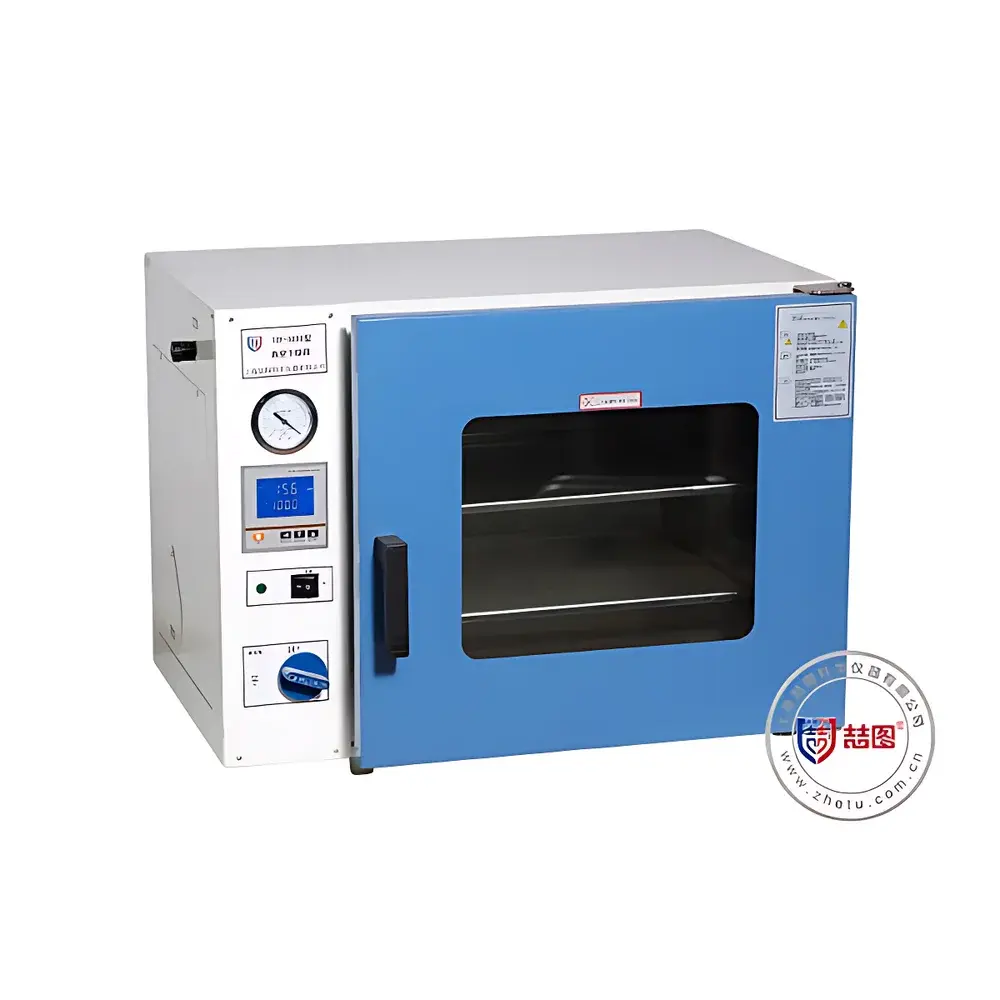
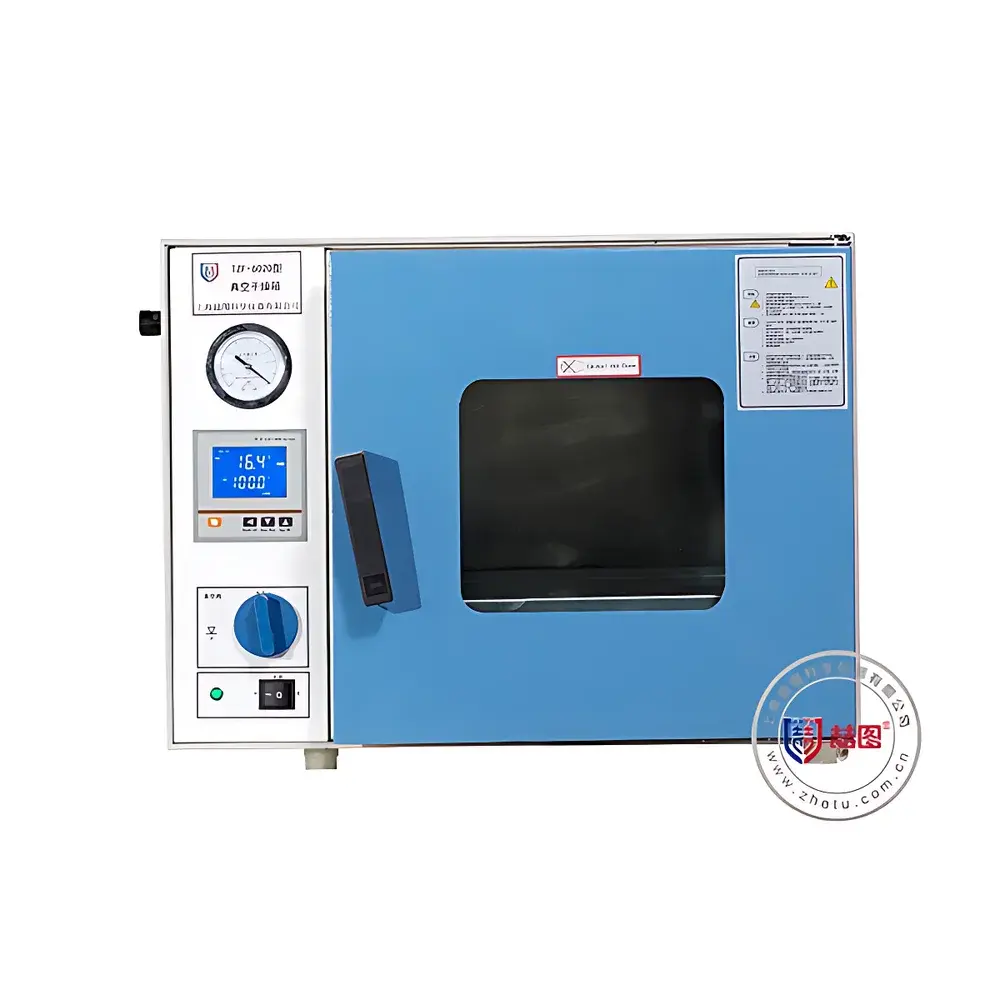
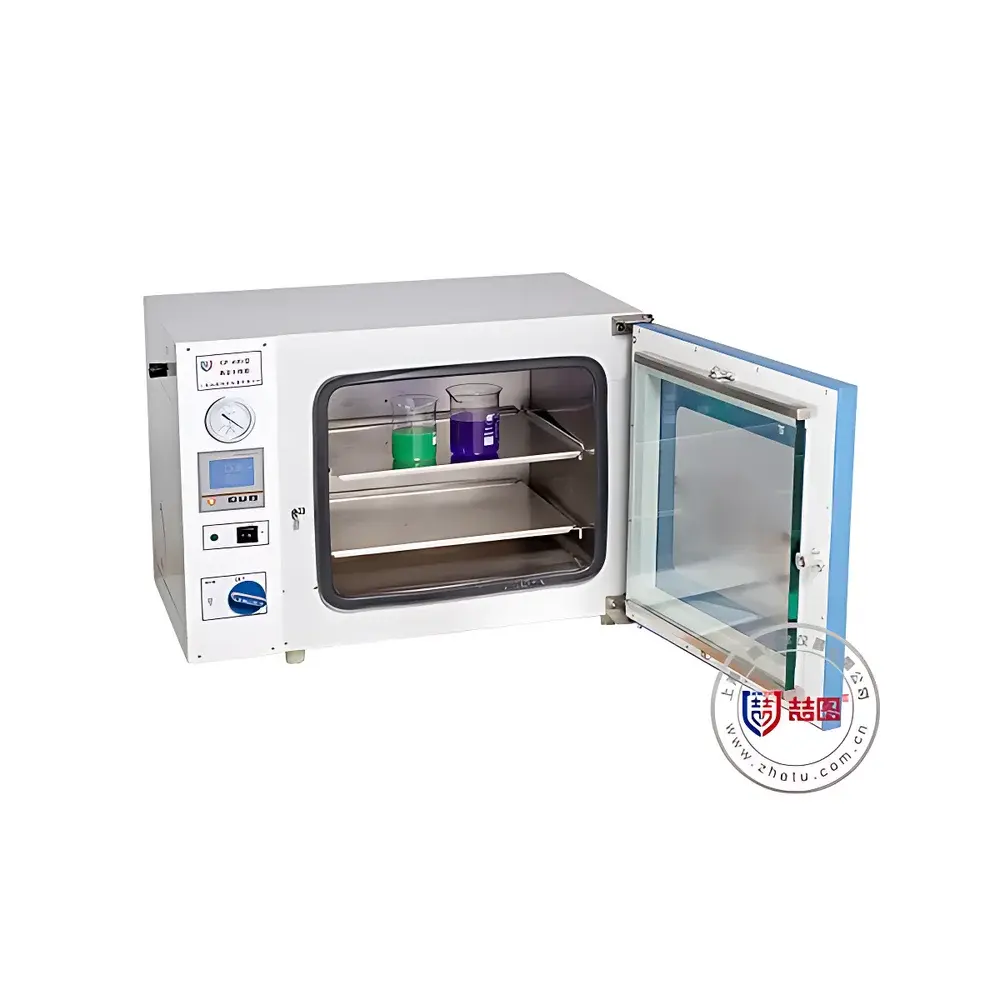
DRETOP TZF-6030B Microbiology-Specific Vacuum Drying Oven
| Brand | DRETOP |
|---|---|
| Origin | Shanghai, China |
| Manufacturer Type | Direct Manufacturer |
| Product Category | Domestic |
| Model | TZF-6030B |
| Instrument Type | Vacuum Oven |
| Temperature Range | RT+10 to 65 °C |
| Temperature Fluctuation | ±0.5 °C |
| Inner Chamber Dimensions | 320 × 320 × 300 mm |
| Temperature Resolution | 0.1 °C |
| Operating Ambient Temperature | +5 to 40 °C |
| Inner Chamber Material | 304 Stainless Steel |
| Heating Method | Internal Heating |
| Temperature Uniformity | ±1 °C |
| Ultimate Vacuum Level | ≤133 Pa |
Overview
The DRETOP TZF-6030B Microbiology-Specific Vacuum Drying Oven is an engineered solution for low-temperature, oxygen-sensitive drying of biological samples under controlled vacuum conditions. It operates on the principle of reducing ambient pressure via a high-efficiency vacuum pump—typically a 2 L/s rotary vane or diaphragm type—to lower the boiling point of water and volatile solvents, enabling gentle dehydration without thermal degradation. Designed specifically for microbiological applications—including lyophilization precursors, culture media preparation, microbial biomass stabilization, and sterility assurance testing—the unit maintains precise thermal control within a narrow operational window (RT+10 to 65 °C), minimizing protein denaturation, enzyme inactivation, and nucleic acid fragmentation. Its stainless steel (304) chamber, hermetic dual-stage locking door, and optimized insulation architecture ensure reproducible vacuum integrity and thermal stability across repeated cycles—critical for GLP-compliant environmental monitoring labs, clinical research facilities, and pharmaceutical QC laboratories conducting ISO 11133 or USP /–related sample processing.
Key Features
- Microprocessor-based PID temperature controller with programmable timer (1–9999 minutes), real-time deviation alarm, and over-temperature cut-off protection
- Large backlit LCD display showing simultaneous vacuum level (≤133 Pa), setpoint temperature, actual temperature, and elapsed time in tricolor format
- Internal heating configuration with embedded heating elements beneath each stainless steel shelf—enabling rapid thermal response and uniform heat distribution (±1 °C)
- Dual-stage zinc alloy door latch system with silicone gasket compression seal, ensuring long-term vacuum retention and leak-tight operation
- Double-layer tempered glass observation window with anti-fog coating for continuous visual monitoring without vacuum interruption
- Energy-efficient thermal insulation using high-density fiberglass between chamber and outer casing, reducing standby heat loss by >30% versus conventional designs
- Comprehensive safety suite: short-circuit, overcurrent, ground-fault, and overheat protection; power-loss parameter memory function retains settings after unexpected shutdown
- Electromagnetic compatibility compliant with IEC 61326-1; CE-marked for laboratory use in EU-regulated environments
Sample Compatibility & Compliance
The TZF-6030B accommodates standard microbiological sample formats—including Petri dishes (up to 100 mm diameter), test tubes, cryovials, membrane filters, and agar plates—within its 30 L internal volume (320 × 320 × 300 mm). Its low-temperature vacuum profile eliminates oxidative stress during drying of aerobic/anaerobic bacterial cultures, fungal spores, viral suspensions, and probiotic powders. The unit meets functional requirements for ASTM E2654 (Standard Practice for Validation of Dry Heat Sterilization Processes), supports FDA 21 CFR Part 11–compliant data logging when paired with optional RS485 interface and external audit-trail software, and aligns with ISO/IEC 17025 clause 5.4.2 for equipment calibration traceability. All wetted surfaces are electropolished 304 stainless steel, non-porous and autoclavable, facilitating routine decontamination per CDC/NIH biosafety guidelines.
Software & Data Management
While the base model features standalone microcontroller operation, optional digital upgrades include a color touchscreen HMI (LT-series) integrating vacuum and temperature control into a single interface with recipe storage, trend graphing, and CSV export via USB port. When configured with PLC logic controllers (P-series), the oven supports sequential process automation—e.g., ramp-hold-vacuum release cycles synchronized with inert gas purging (via optional N₂ inlet valve)—to meet GMP Annex 1 moisture control specifications. All firmware versions support audit trail generation with user ID, timestamp, parameter change log, and electronic signature fields—fully compatible with LIMS integration through Modbus RTU or TCP/IP protocols.
Applications
- Drying of heat-labile microbial standards and reference materials prior to enumeration or viability assessment
- Preparation of dried culture media components (e.g., peptones, yeast extracts) without Maillard reaction artifacts
- Stabilization of freeze-dried vaccine intermediates before final lyophilization
- Removal of residual solvents from biopolymer scaffolds used in tissue engineering
- Moisture content determination per AOAC 950.46 for probiotic supplements and fermented food matrices
- Desiccation of environmental swab samples for transport and delayed analysis under CLIA-certified workflows
- Controlled dehydration of mycotoxin-spiked grain samples for proficiency testing programs
FAQ
What vacuum pump is recommended for optimal performance with the TZF-6030B?
A 2 L/s oil-sealed rotary vane pump (e.g., DRETOP V-2S) or a chemically resistant diaphragm pump (e.g., VGD-2) is factory-matched for ≤133 Pa ultimate vacuum. For aqueous-heavy samples, add the W-series liquid trap to prevent condensate ingress.
Can this oven be validated for ISO 13485 medical device manufacturing?
Yes—when equipped with calibrated Class II thermocouples, documented IQ/OQ protocols, and optional data logger with 21 CFR Part 11 compliance module, it satisfies sterilization process validation requirements for device packaging material drying.
Is the chamber suitable for acidic vapor exposure during microbial metabolite extraction?
Standard 304 stainless steel resists mild organic acids; for strong mineral acids (e.g., HCl, H₂SO₄), specify the TZF-6030A variant with 316L stainless steel construction or PTFE-coated interior.
How does internal heating improve drying consistency for microbiological samples?
By eliminating radiant thermal gradients from external walls, internal heating ensures uniform energy delivery directly to loaded shelves—reducing edge-to-center variance and preventing localized overheating that compromises colony-forming unit (CFU) recovery rates.
Does the unit support inert gas backfilling for anaerobic culture preservation?
Yes—optional inert gas inlet valves (N₂ or Ar) enable programmable backfill sequences post-drying, maintaining redox potential stability critical for obligate anaerobes such as Clostridium spp.



