
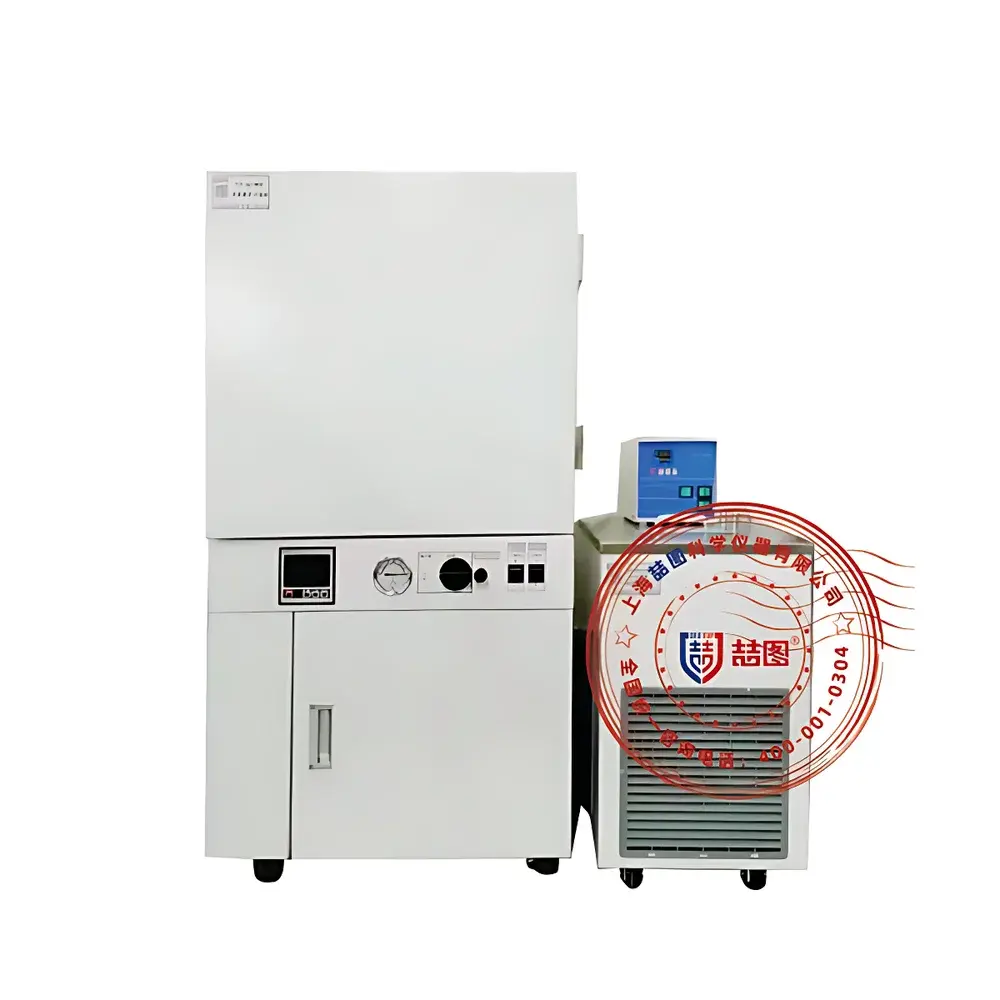
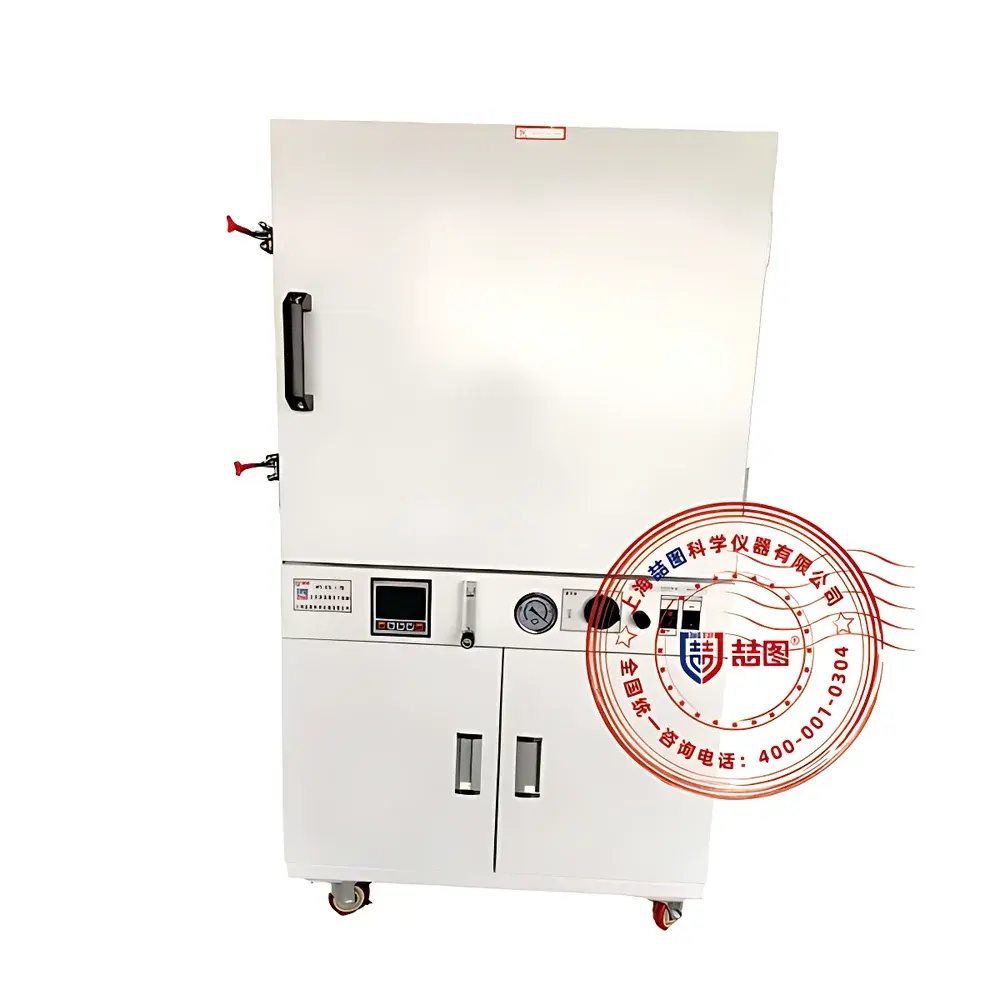
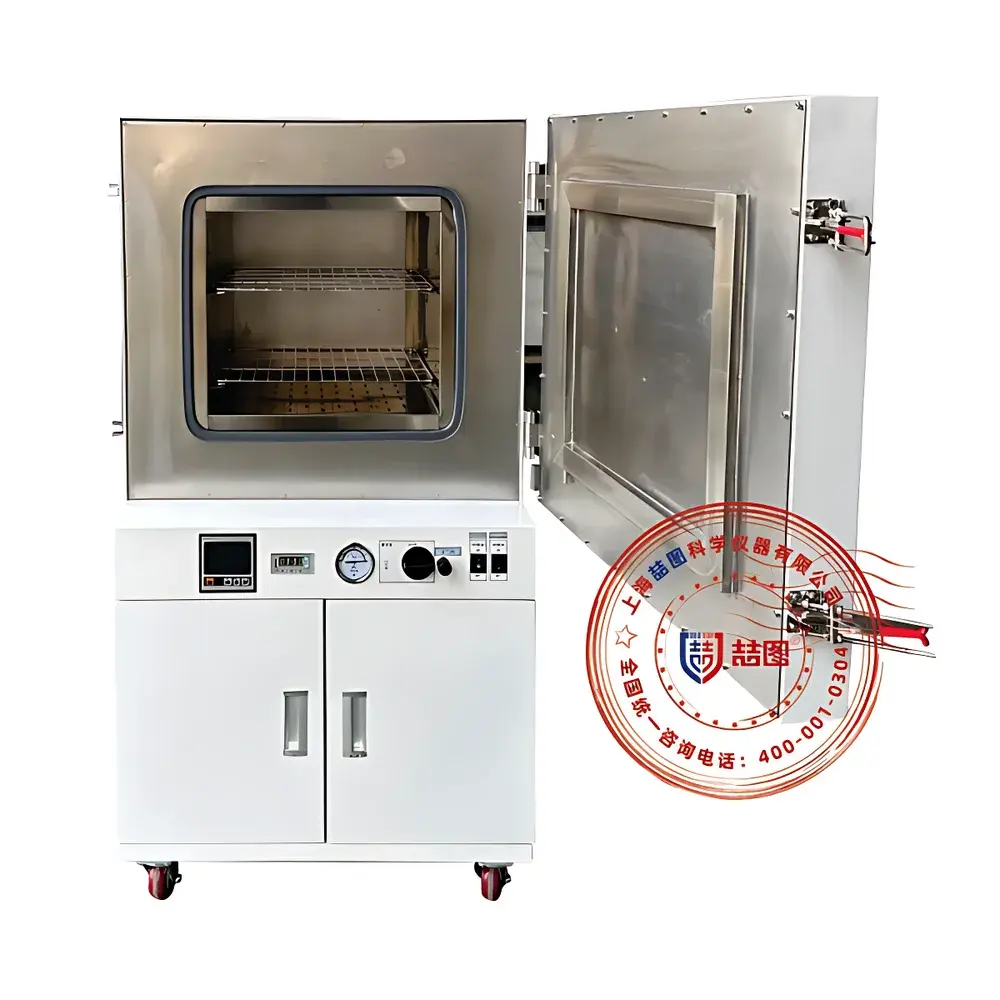
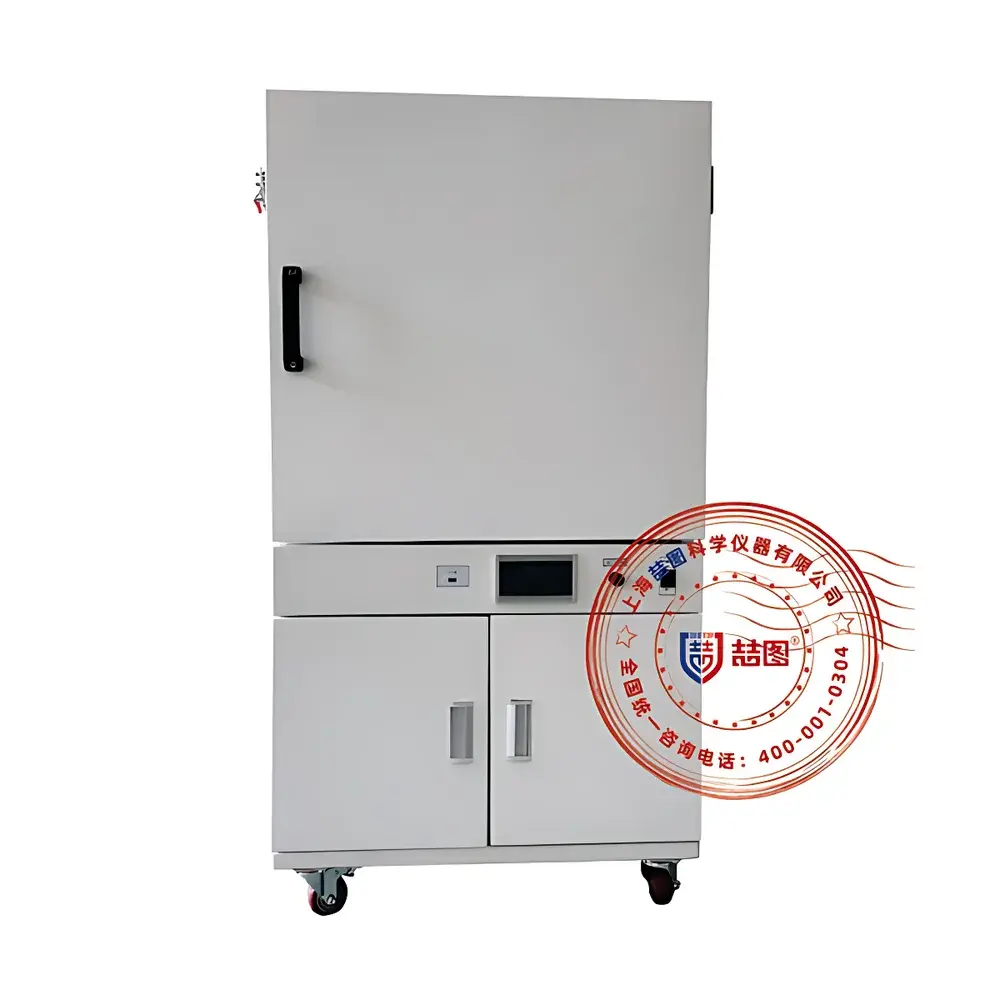
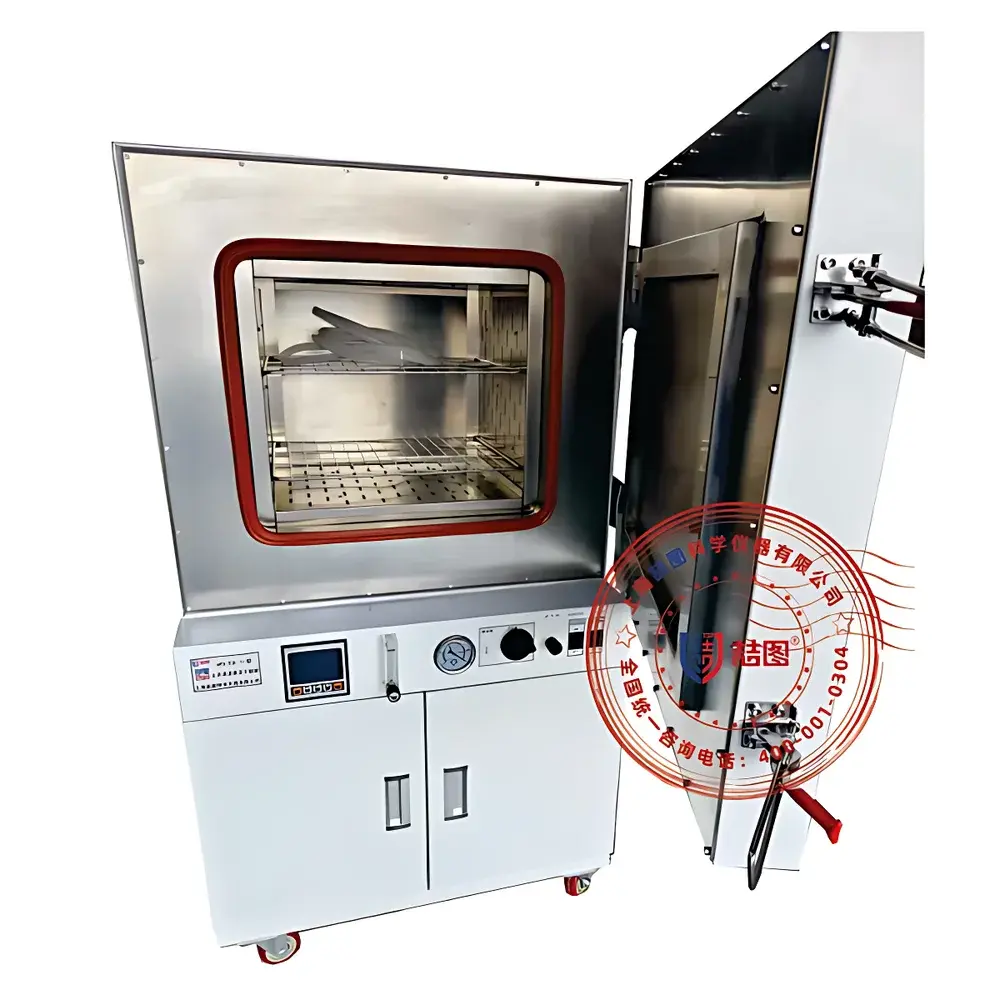
DRETOP TZF-6030LUB Vertical Vacuum Drying Oven
| Brand | DRETOP |
|---|---|
| Origin | Shanghai, China |
| Manufacturer Type | Direct Manufacturer |
| Product Category | Domestic |
| Model | TZF-6030LUB |
| Instrument Type | Vacuum Oven |
| Temperature Range | RT+10 °C to 300 °C |
| Temperature Fluctuation | ±0.5 °C |
| External Dimensions (W×D×H) | 511 mm × 515 mm × 1068 mm |
| Internal Chamber Dimensions (W×D×H) | 320 mm × 320 mm × 300 mm |
| Temperature Resolution | 0.1 °C |
| Operating Ambient Temperature | 5–40 °C |
| Interior Material | 304 Stainless Steel |
| Heating Method | Internal Heating |
| Temperature Uniformity | ±1 °C |
| Ultimate Vacuum Level | ≤133 Pa |
Overview
The DRETOP TZF-6030LUB Vertical Vacuum Drying Oven is an engineered solution for low-temperature, oxygen-sensitive thermal processing of thermolabile, volatile, or oxidation-prone materials. Operating on the physical principle that vapor pressure decreases exponentially with ambient pressure, the unit achieves effective drying and solvent removal at significantly reduced temperatures—typically 20–80 °C below conventional atmospheric oven thresholds—thereby preserving structural integrity, biological activity, and chemical stability. Designed for laboratory-scale R&D, process validation, and QC testing, it supports critical workflows in pharmaceutical development (e.g., lyophilization pre-studies), electronics manufacturing (residual solvent removal from encapsulants), fine chemical synthesis (catalyst stabilization), and life sciences (microbial culture preservation, enzyme formulation). Its vertical architecture optimizes floor space while enabling ergonomic loading/unloading of stacked trays and compatibility with standard lab benchtop vacuum pump systems.
Key Features
- Internal heating system: Nickel-chromium alloy heating elements are integrally mounted on the inner chamber walls, ensuring direct conductive and near-field radiative heat transfer—critical for uniform thermal delivery under vacuum where convective transfer is negligible.
- PID-based digital temperature control with 0.1 °C resolution and ±0.5 °C fluctuation tolerance, supporting reproducible thermal profiles across repeated cycles.
- 304 stainless steel interior chamber (320 × 320 × 300 mm) with seamless welds and polished finish, facilitating cleaning, corrosion resistance, and compliance with ISO 14644 cleanroom-compatible maintenance protocols.
- Ultimate vacuum capability of ≤133 Pa (≤1 Torr), achievable using a standard two-stage rotary vane pump (not included); optional inert gas purge port available for controlled atmosphere operation.
- Integrated safety architecture including over-temperature cut-off, vacuum loss alarm, and pressure-relief valve—designed to meet IEC 61010-1 requirements for laboratory electrical equipment.
- Vertical configuration with front-opening door and single adjustable stainless steel shelf—optimized for accessibility and minimal footprint (511 × 515 × 1068 mm).
Sample Compatibility & Compliance
The TZF-6030LUB accommodates diverse sample formats—including Petri dishes, glass vials, ceramic crucibles, PCB substrates, and polymer films—within its 30 L chamber. Its RT+10–300 °C operating range and ±1 °C temperature uniformity enable validation of thermal stability per ASTM E2070 (standard practice for thermal analysis of polymers) and USP <1251> (drying procedures for pharmaceutical substances). For biologics handling, the vacuum environment minimizes oxidative degradation and supports GLP-compliant documentation when paired with optional RS485 serial interface for external data logging. The unit’s construction and operational parameters align with general requirements for Class II microbiological safety support (per WHO TRS 961 Annex 2) when used in conjunction with validated sterilization and aseptic transfer protocols.
Software & Data Management
The standard controller features a backlit LCD interface with real-time display of chamber temperature, setpoint, elapsed time, and vacuum status. While the base model operates without embedded software, optional programmable controllers support up to 32-step ramp-hold profiles with independent setpoints for temperature and dwell time—enabling precise simulation of multi-stage drying protocols (e.g., gentle pre-drying followed by high-vacuum desorption). Data output via RS485 enables integration with LabArchives, DeltaV, or custom SCADA systems for 21 CFR Part 11–compliant audit trails when paired with third-party compliant software and electronic signature modules. All temperature and vacuum events are timestamped and stored locally for ≥100 cycles.
Applications
- Pharmaceutical R&D: Pre-lyophilization drying of protein formulations, excipient compatibility studies, and residual moisture analysis per USP <921>.
- Electronics: Dehydration of moisture-sensitive components (e.g., MEMS sensors, OLED substrates) and solvent outgassing from conformal coatings prior to hermetic sealing.
- Materials Science: Thermal aging tests of nanocomposites under controlled partial pressure, and solvent removal from sol-gel precursors without pore collapse.
- Microbiology & Biotech: Low-temperature desiccation of bacterial spores, viral vectors, and lyophilized culture media; post-sterilization drying of reusable labware to prevent condensation-related contamination.
- Quality Control: Stability testing of reference standards, calibration samples, and certified reference materials (CRMs) under defined vacuum/temperature conditions per ISO/IEC 17025 clause 7.8.2.
FAQ
What vacuum pump specifications are recommended for optimal performance?
A two-stage rotary vane pump with ultimate vacuum ≤5 Pa and pumping speed ≥2 m³/h is advised to achieve ≤133 Pa within ≤30 minutes. Oil-free diaphragm pumps may be used for clean applications but require longer evacuation times.
Can the chamber be purged with nitrogen or argon?
Yes—optional inert gas inlet valve (PN: TZF-GAS-01) allows controlled backfilling to 1–2 bar gauge pressure, enabling inert-atmosphere drying or passivation of reactive metal powders.
Is the unit suitable for GMP environments?
While the hardware meets mechanical and electrical safety standards (IEC 61010-1), full GMP compliance requires user-defined qualification (IQ/OQ/PQ), integration with validated data acquisition, and adherence to site-specific SOPs for calibration, maintenance, and change control.
How is temperature uniformity verified?
Uniformity is validated using a 9-point thermocouple mapping protocol per ASTM E2207, conducted at 60 °C and 120 °C under vacuum (≤133 Pa), with results documented in the factory test report.
What maintenance is required for long-term reliability?
Monthly inspection of door gasket integrity, quarterly cleaning of vacuum port filters, and annual recalibration of temperature sensor and vacuum transducer—per manufacturer-recommended intervals detailed in the technical manual.



