
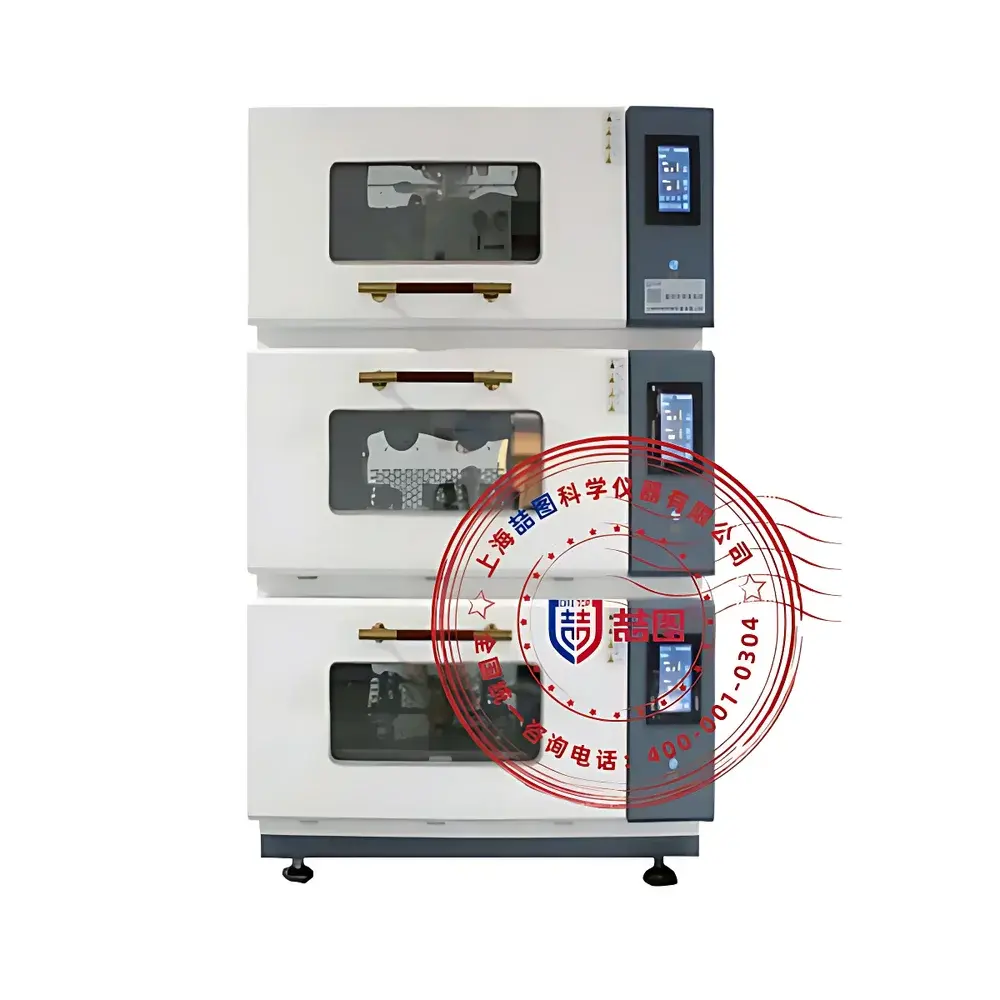
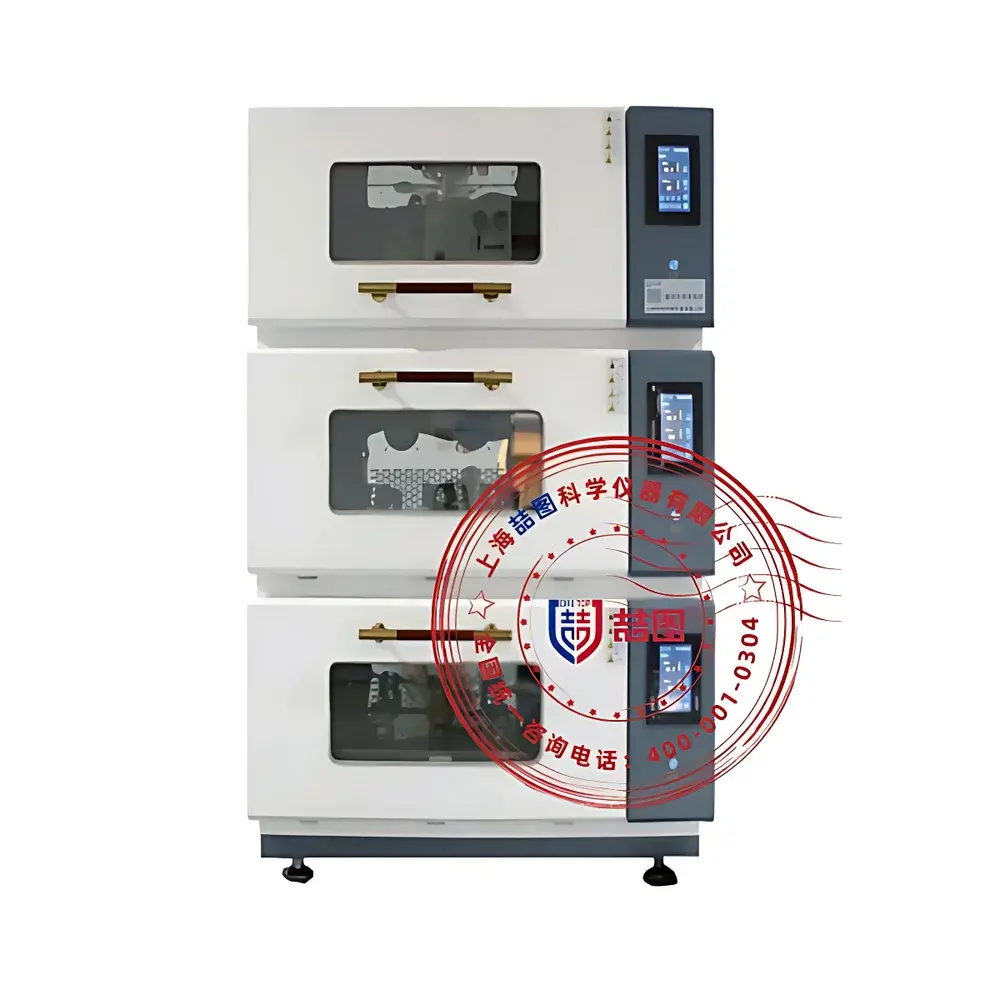
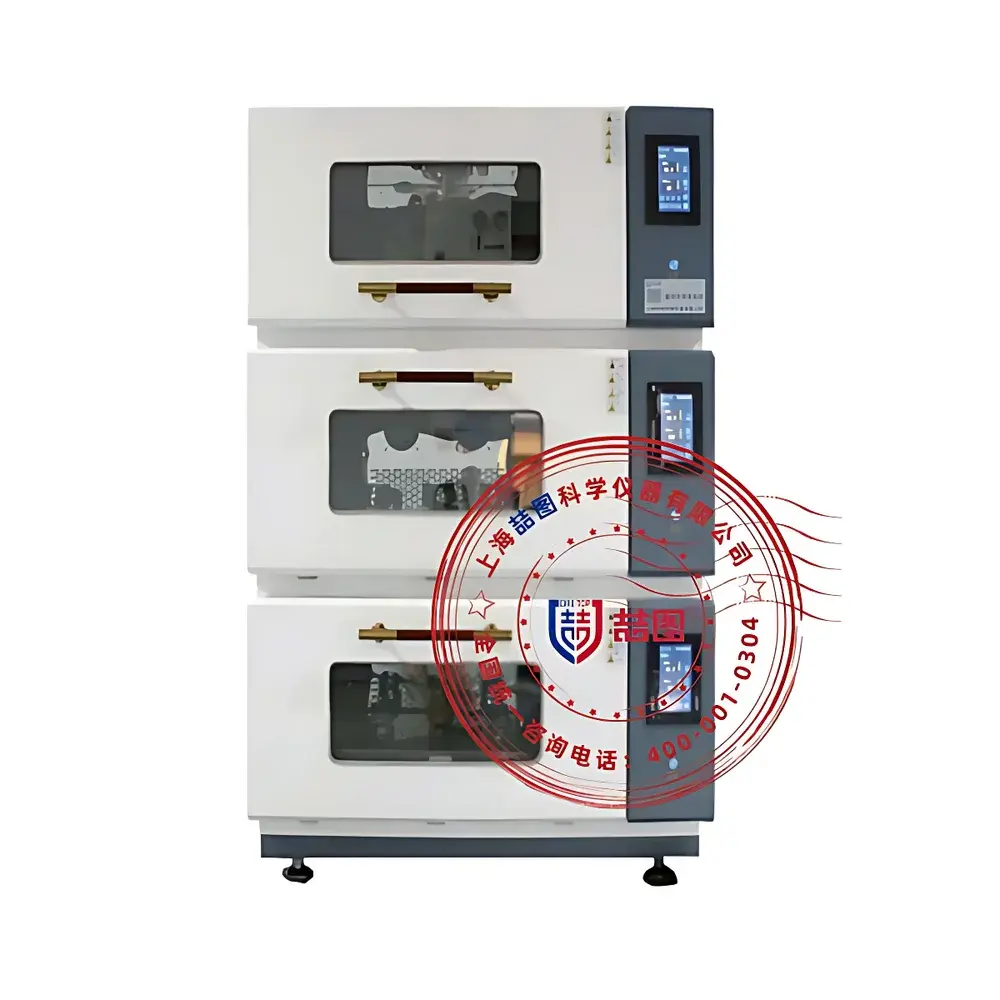
DRETOP XC2-9R Stackable Temperature-Controlled Orbital Shaker
| Brand | DRETOP |
|---|---|
| Origin | Shanghai, China |
| Manufacturer Type | Direct Manufacturer |
| Product Category | Domestic (China-Made) |
| Model | XC2-9R |
| Instrument Type | Stackable Temperature-Controlled Shaker |
| Timer Range | 0–999 h |
| Oscillation Frequency | 30–300 rpm |
| Orbit Diameter | 26 mm |
| Temperature Range | 4–60 °C |
| Number of Shaking Platforms | 2 |
Overview
The DRETOP XC2-9R Stackable Temperature-Controlled Orbital Shaker is an engineered platform for precise, reproducible cultivation and agitation of biological samples under tightly regulated thermal and mechanical conditions. Utilizing orbital shaking motion with a fixed 26 mm orbit diameter, the instrument ensures uniform mixing and suspension of microbial cultures, mammalian cells, enzymatic reactions, and hybridization assays—without vortexing or shear-induced cell damage. Its dual-platform stackable architecture enables independent temperature and speed control per layer, supporting high-density lab workflows while minimizing footprint. Designed for continuous operation in controlled-environment laboratories, the XC2-9R integrates refrigeration (R-series), PID-based thermal regulation, and brushless DC motor drive to maintain stable setpoints across the full 4–60 °C range and 30–300 rpm speed spectrum—meeting fundamental requirements for GLP-compliant cell culture, fermentation process development, and molecular assay standardization.
Key Features
- Independent dual-platform control: Each of the two stainless-steel shaking decks operates with separate temperature and speed settings, enabling parallel experiments under distinct conditions.
- Refrigerated performance (R-series): Hermetically sealed compressor-based cooling system delivers rapid, stable sub-ambient temperature control down to 4 °C—critical for cold-sensitive protein expression or low-temperature enzymatic studies.
- Intelligent microprocessor interface: 7-inch color capacitive touchscreen with intuitive menu navigation, real-time display of temperature, RPM, elapsed time, and remaining timer duration.
- Brushless DC motor drive: Maintenance-free, low-noise operation with <±1% speed stability, slow-start ramping to prevent sample splashing, and torque consistency across the full frequency range.
- Enhanced safety architecture: Dual-stage over-temperature cutoff, overspeed shutdown, automatic restart after power interruption, password-protected parameter locking, and programmable deviation alarms.
- Ergonomic design: Tempered glass observation window with integrated LED illumination; powder-coated steel chassis; 304 stainless-steel interior chamber and platform surfaces for corrosion resistance and cleanability.
Sample Compatibility & Compliance
The XC2-9R accommodates standard laboratory vessels—including Erlenmeyer flasks (250–3000 mL), test tubes, deep-well plates, and custom trays—via its 520 × 420 mm platform dimensions per deck. Its uniform orbital motion minimizes meniscus disruption and supports aerobic growth of bacteria, yeast, and suspension-adapted mammalian lines. The unit conforms to IEC 61010-1:2010 for laboratory electrical safety and meets CE marking requirements for electromagnetic compatibility (EMC). While not certified for ISO 13485 or FDA 21 CFR Part 11 out-of-the-box, its audit-ready data logging (via optional USB export) and parameter encryption support alignment with internal SOPs for GMP-aligned QC labs and academic core facilities operating under GLP principles.
Software & Data Management
The onboard controller stores up to 10 user-defined multi-step protocols, each with up to 8 segments (temperature, speed, duration, direction). All runtime parameters—including actual vs. setpoint deviations—are logged at user-selectable intervals (1–60 min) and exportable via USB flash drive in CSV format for traceability. No proprietary software is required; exported logs are compatible with Excel, MATLAB, and LIMS platforms. Optional RS-485 communication enables integration into centralized building management systems for remote monitoring (e.g., HVAC-linked environmental validation).
Applications
- Bacterial and fungal cultivation for antibiotic susceptibility testing and bioprocess optimization
- Protein expression in E. coli and Pichia pastoris under controlled induction temperatures
- DNA/RNA hybridization and probe labeling reactions requiring consistent agitation
- Cell-based assays including transfection efficiency screening and cytokine production kinetics
- Environmental microbiology: BOD incubation, water quality bioassays, and bioremediation pilot studies
- Pharmaceutical QC: Dissolution testing support, excipient compatibility studies, and stability-indicating shake protocols
FAQ
Can the two platforms operate at different temperatures simultaneously?
Yes—the upper and lower decks feature independent PID-controlled heating/cooling circuits, allowing concurrent operation at any combination within the 4–60 °C range.
Is the shaker compatible with sterile tissue culture applications?
While not Class II biosafety-certified, its stainless-steel surfaces, smooth interior geometry, and autoclavable platform clamps support validated cleaning and disinfection protocols per institutional SOPs.
What is the maximum load capacity per platform?
Each 520 × 420 mm platform supports up to 15 kg evenly distributed load, sufficient for full racks of 1-L flasks or equivalent vessel configurations.
Does the unit support bidirectional oscillation?
Yes—programmable forward/reverse/alternating modes are available to mitigate sedimentation in viscous or particulate-laden media.
How is temperature calibration performed?
A built-in calibration offset function allows users to apply ±5.0 °C correction values based on NIST-traceable external probe verification—documented in the service log.




