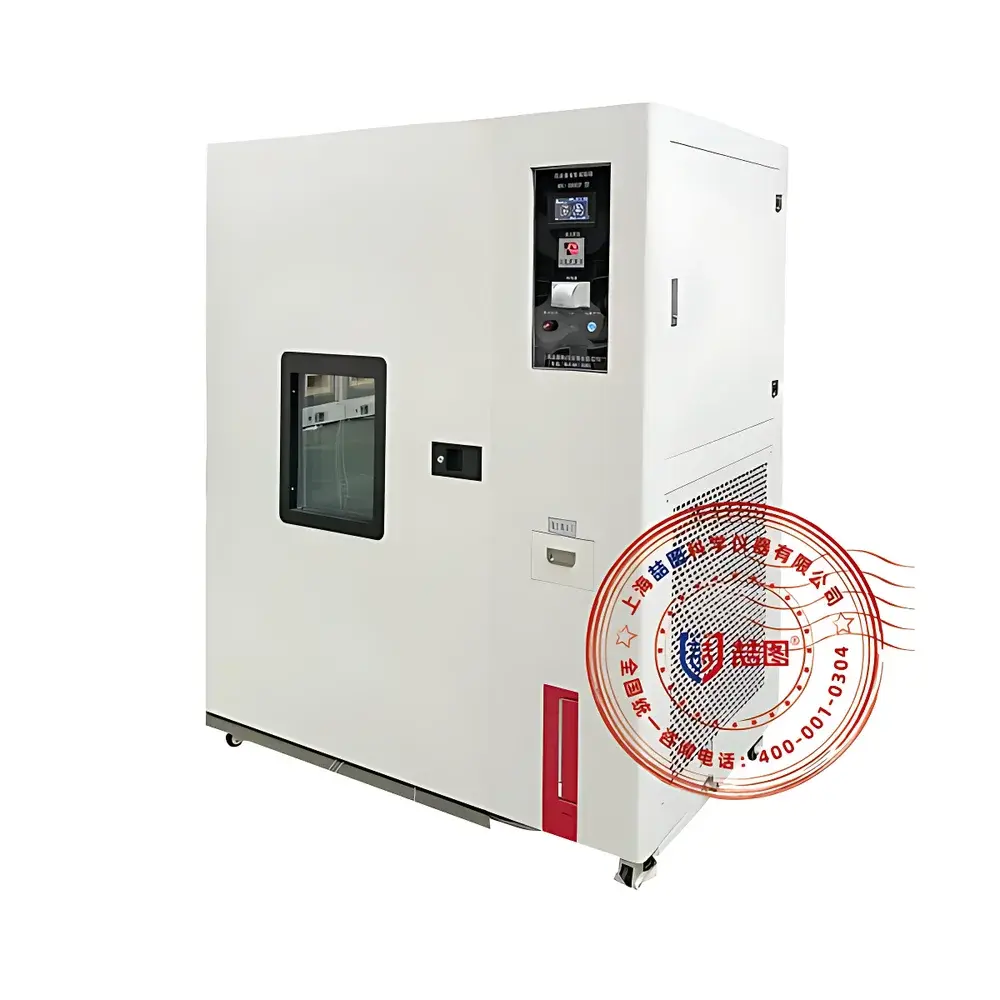
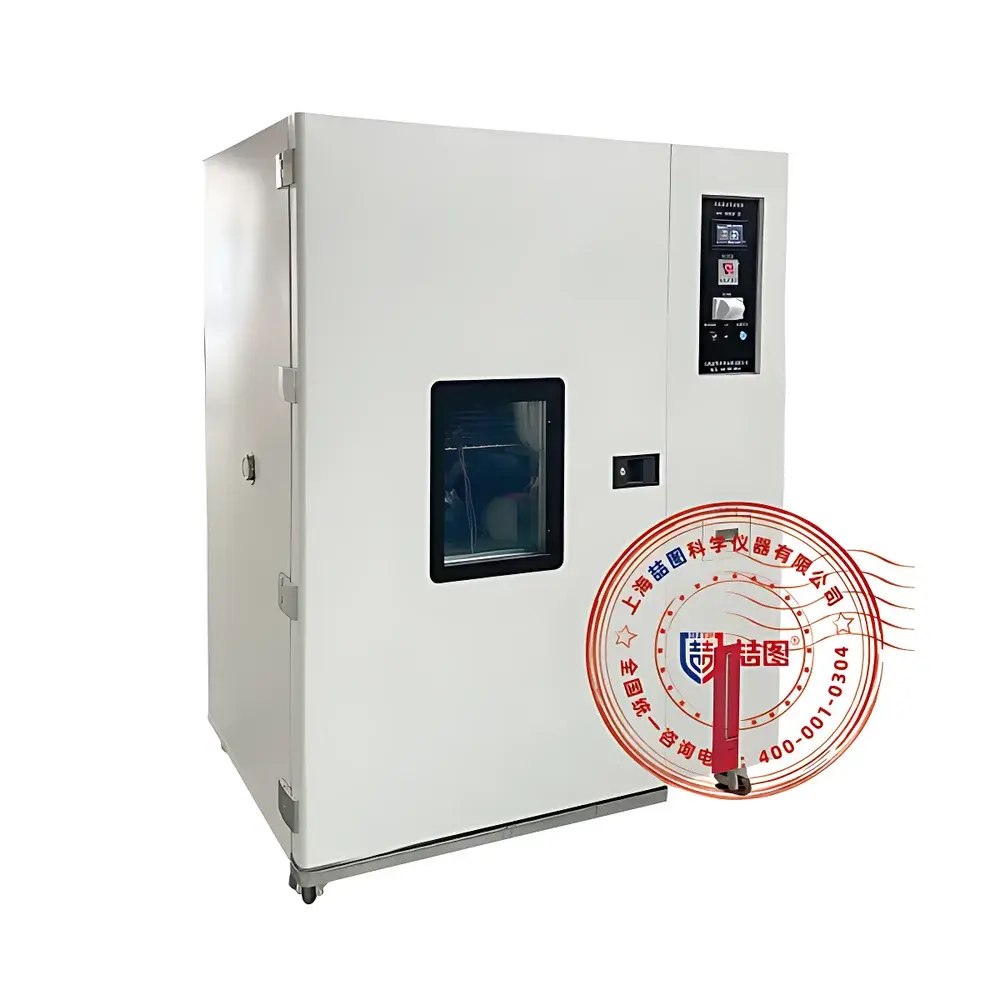
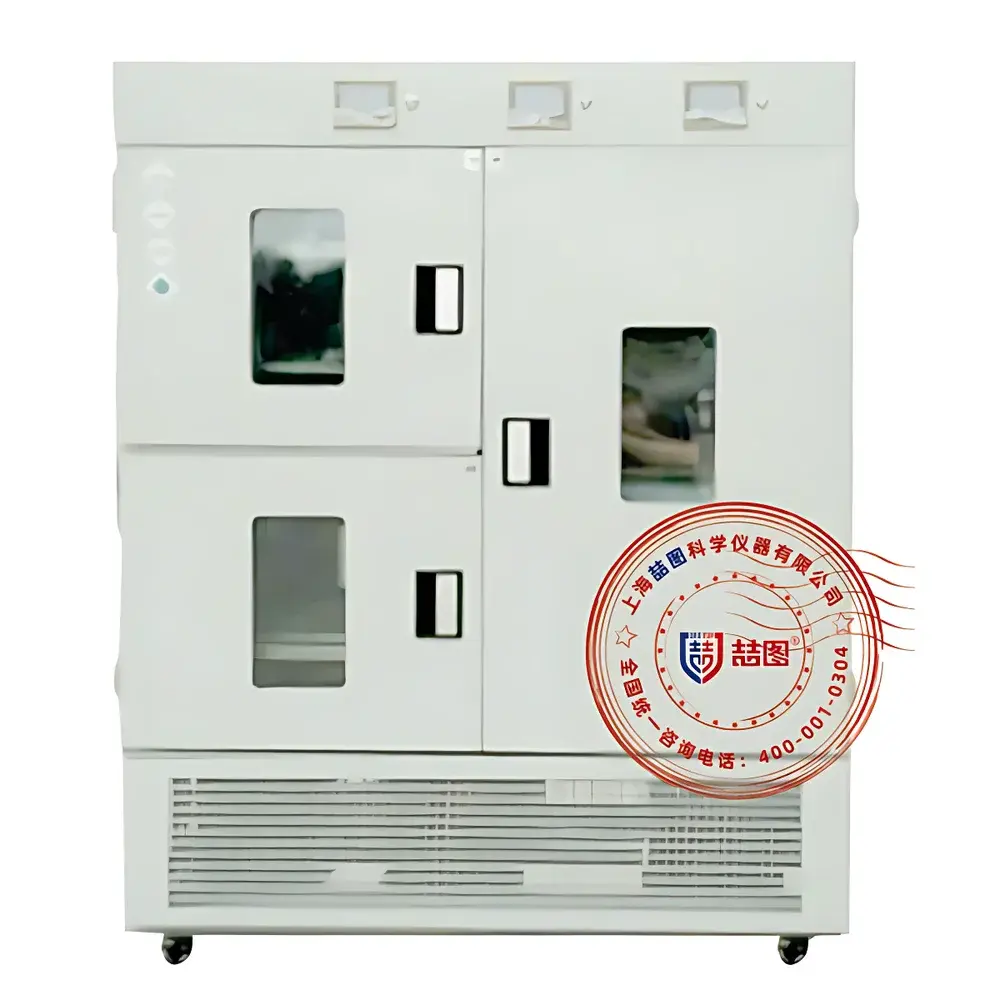
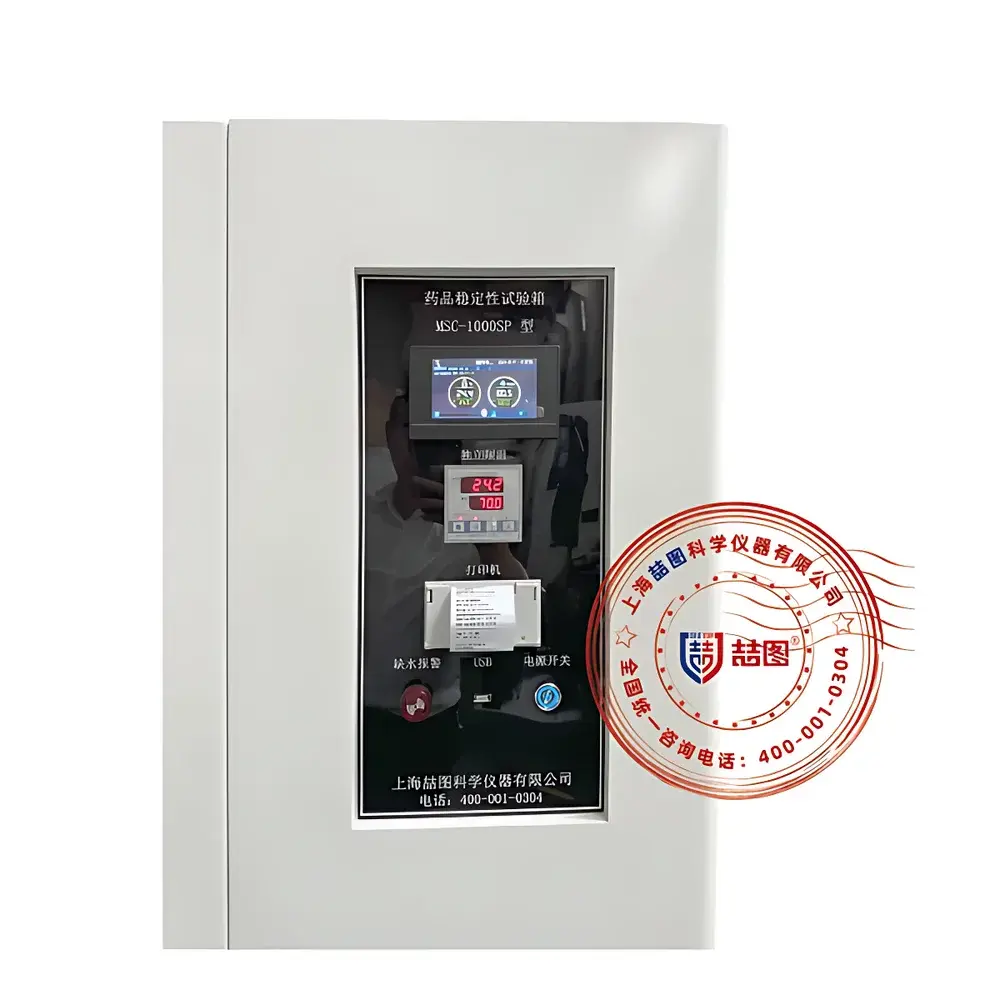
DRETOP XGMC-150 Multi-Spectral Drug Stability Testing Chamber
| Brand | DRETOP |
|---|---|
| Origin | Shanghai, China |
| Manufacturer Type | Direct Manufacturer |
| Country of Origin | China |
| Model | XGMC-150 |
| Temperature Control Range | 0–65°C |
| Temperature Uniformity | ±1.5°C |
| Temperature Fluctuation | ±0.5°C |
| Humidity Control Range | 30–95% RH (customizable to 20–98% RH) |
| Humidity Deviation | ±3–5% RH |
| Illuminance Range | 0–25,000 lx |
| Light Spectrum Configuration | UV (320–400 nm), Visible (400–760 nm), IR (760–1000 nm) |
| Light Distribution | Triple-side LED illumination |
| Internal Volume | 150 L |
| Internal Dimensions (W×D×H) | 500 × 400 × 750 mm |
| Power Supply | AC 220 V, 50 Hz |
| Input Power | 2.2 kW |
| Compressor Configuration | Single or dual (II-type optional) |
| Standard Interfaces | RS485 (Modbus), 25 mm test port |
| Data Logging | USB-exportable CSV/Excel with timestamps, audit trail, alarm events |
| Compliance | Designed for ICH Q1–Q5, USP <1151>, EP 2.9.40, and Chinese Pharmacopoeia 2015 Edition stability testing requirements |
Overview
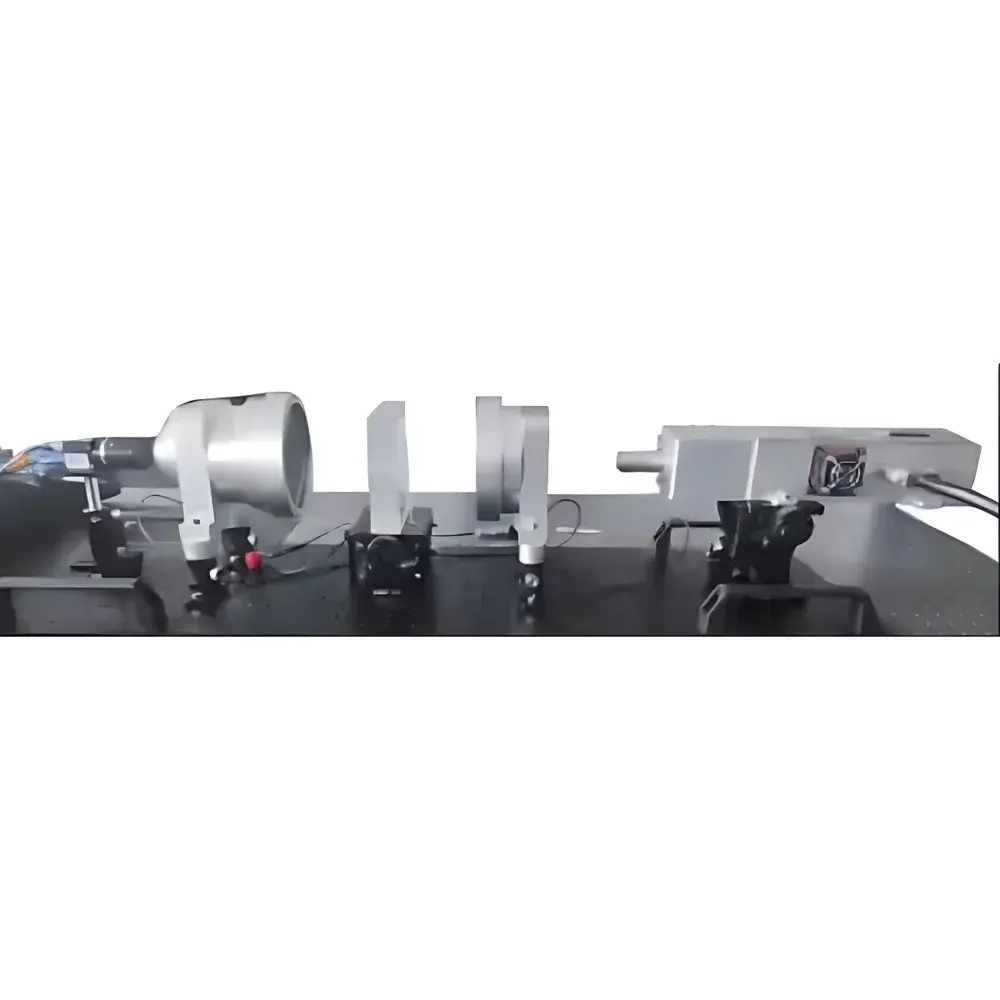
The DRETOP XGMC-150 Multi-Spectral Drug Stability Testing Chamber is an engineered environmental simulation system designed to meet the stringent regulatory and scientific demands of pharmaceutical stability studies under ICH Q1A(R3), Q5C, and national pharmacopoeial guidelines (e.g., Chinese Pharmacopoeia 2015 Edition). It integrates precise temperature and humidity control with programmable multi-wavelength light exposure—spanning ultraviolet (320–400 nm), visible (400–760 nm), and near-infrared (760–1000 nm) spectra—to replicate real-world degradation stressors acting on active pharmaceutical ingredients (APIs) and finished dosage forms. Unlike conventional single-spectrum chambers, the XGMC-150 enables controlled photostability assessment per ICH Q5B and ICH Q1B, supporting forced degradation studies, photolysis pathway identification, and light-sensitive formulation optimization. Its robust architecture supports uninterrupted operation across long-term (12-month), accelerated (40°C/75% RH, 6 months), high-humidity (92.5% RH), and strong-light (≥4500 lx) protocols—critical for registration dossiers submitted to FDA, EMA, NMPA, and PMDA.
Key Features
- Triple-spectrum LED illumination system with independent digital intensity control for UV, visible, and IR bands—enabling spectral-selective stress testing without lamp replacement or filter swapping.
- 7-inch color touchscreen HMI with bilingual (English/Chinese) interface, graphical real-time trend display of temperature, humidity, and irradiance, and intuitive program editing for up to 999 multi-segment cycles (each with 100 steps).
- Three-tier user permission management (Operator / Administrator / Engineer) with password-protected parameter locking, electronic signature support, and full audit trail compliant with FDA 21 CFR Part 11 and EU Annex 11 requirements.
- PID auto-tuning algorithm ensures temperature stability within ±0.5°C and uniformity of ±1.5°C across the 150 L stainless-steel (304) chamber; humidity maintained at ±3–5% RH deviation over 30–95% RH range.
- Dual-compressor configuration (XGMC-150-II variant) provides fault-tolerant operation: automatic switchover upon primary compressor failure, eliminating data gaps during GMP-critical trials.
- GMP-ready hardware design: electrostatically coated exterior, rounded-corner 304 stainless steel interior, removable adjustable shelves, silicone door gasket ensuring >95% sealing integrity, and 25 mm pass-through port for in-chamber sensor cabling or gas supply.
Sample Compatibility & Compliance
The XGMC-150 accommodates diverse sample formats—including blister packs, vials, ampoules, syringes, sachets, and stability-indicating reference standards—within its 500 × 400 × 750 mm chamber volume. Its triple-side LED illumination eliminates shadowing artifacts common in top-down lighting systems, while spectral fidelity is verified per CIE S 012/E:2002 and ISO/CIE 13370:2005. The system conforms to key international standards: ICH Q1A(R3) for long-term/accelerated testing conditions; ICH Q1B for photostability protocols (Option 1 & 2); USP “Stability Considerations for Pharmaceutical Products”; and GB/T 10586–2006 “Environmental Test Chambers – General Specifications.” Optional 3Q validation packages (IQ/OQ/PQ) are available with traceable CNAS-accredited calibration certificates (MC), supporting regulatory inspections and internal quality audits.
Software & Data Management
Data integrity is enforced through embedded firmware supporting ALCOA+ principles (Attributable, Legible, Contemporaneous, Original, Accurate, Complete, Consistent, Enduring, Available). All operational parameters—including setpoints, actual readings, alarm states, user actions, and timestamped events—are logged continuously to internal memory and exportable via USB to CSV or Excel formats. The RS485 Modbus RTU interface enables bidirectional communication with laboratory MES/LIMS platforms and cloud-based monitoring dashboards. Optional remote cloud control (Y module) allows real-time status viewing, parameter adjustment, and historical trend retrieval from mobile devices. The integrated micro-printer provides immediate hard-copy output for shift handovers or SOP-mandated documentation.
Applications
- ICH-compliant long-term stability studies at 25°C ± 2°C / 60% RH ± 5% RH (12 months) and accelerated testing at 40°C ± 2°C / 75% RH ± 5% RH (6 months).
- Photostability evaluation per ICH Q1B: exposure to UV and visible light at ≥1.2 million lux·hr and ≥200 W·hr/m², with spectral irradiance monitoring.
- Forced degradation studies investigating hydrolytic, oxidative, thermal, and photolytic pathways in APIs and drug products.
- Excipient compatibility screening under combined thermo-hygrometric-light stress.
- GMP batch release stability testing and shelf-life assignment for biologics, vaccines, and small-molecule therapeutics.
- Method development and validation for stability-indicating assays (e.g., HPLC, UPLC, dissolution).
FAQ
What regulatory guidelines does the XGMC-150 support?
It is configured to execute protocols aligned with ICH Q1A(R3), Q1B, Q5C, USP , EP 2.9.40, and the Chinese Pharmacopoeia 2015 Edition.
Can the chamber operate unattended for extended periods?
Yes—equipped with power-fail recovery, automatic compressor failover (II-type), and 999-program storage, it supports fully autonomous execution of multi-week stability protocols.
Is the light spectrum calibrated and traceable?
UV/Vis/IR irradiance is digitally monitored in real time; optional CNAS-certified calibration (MC) provides NIST-traceable verification of spectral output and uniformity.
How is data integrity ensured for regulatory submissions?
All data logs include immutable timestamps, user IDs, electronic signatures, and change history—fully compliant with FDA 21 CFR Part 11 and EU Annex 11 data governance requirements.
What customization options are available for GMP validation?
Factory-provided IQ/OQ/PQ documentation packages (TQ code), installation of UV germicidal modules (UV), vertical illumination kits (V), and third-party 3Q execution support are available upon request.