
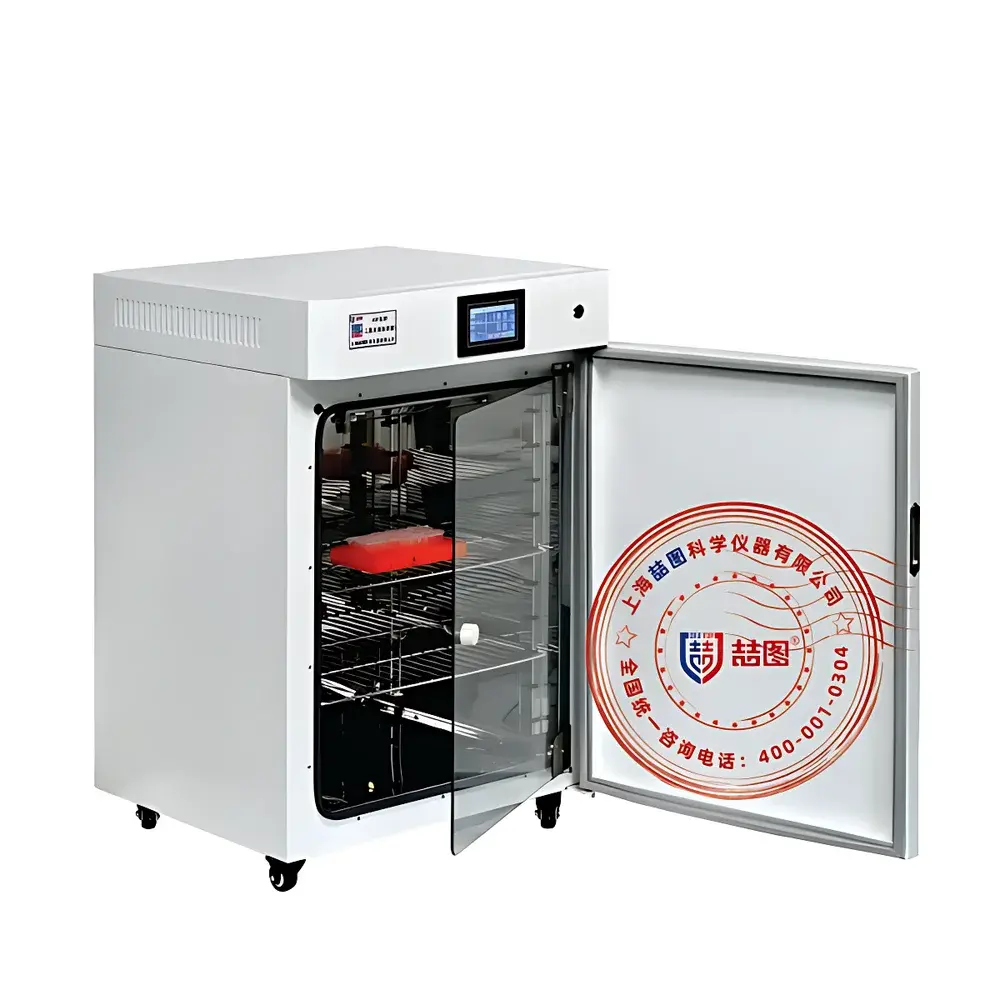
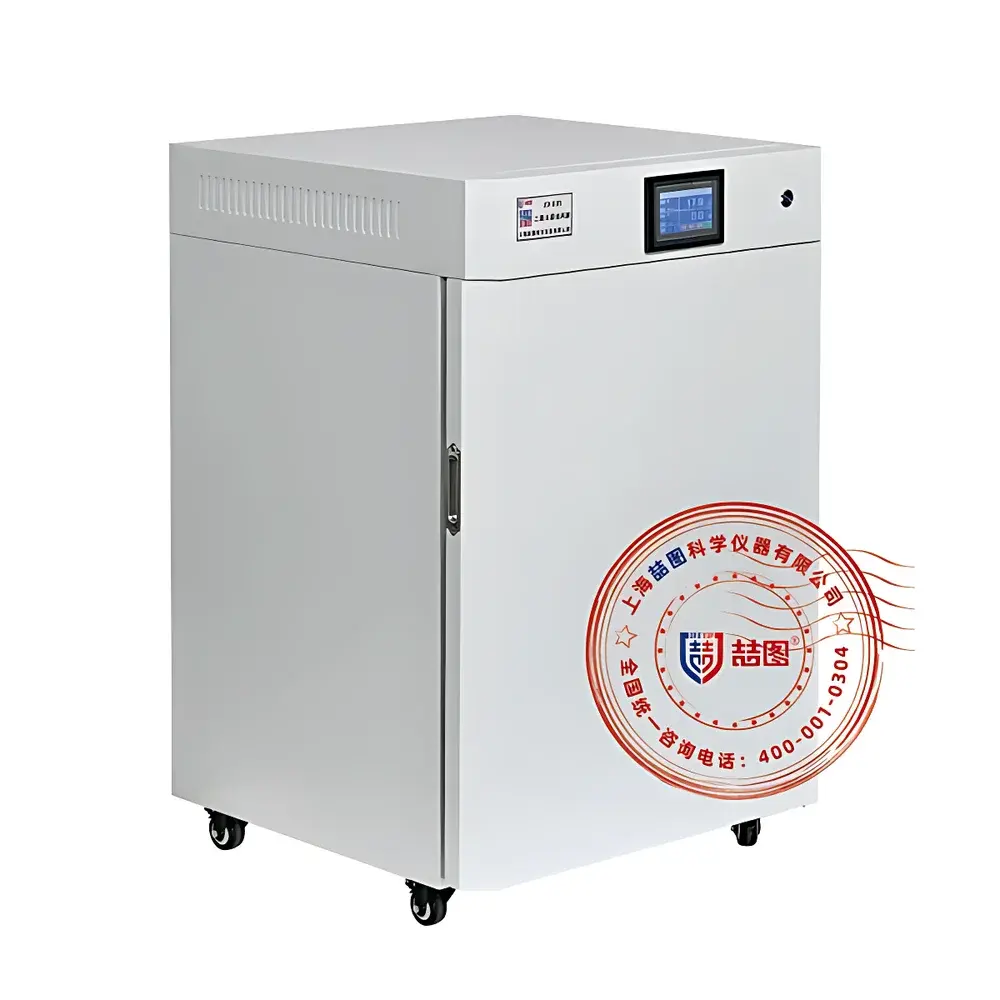
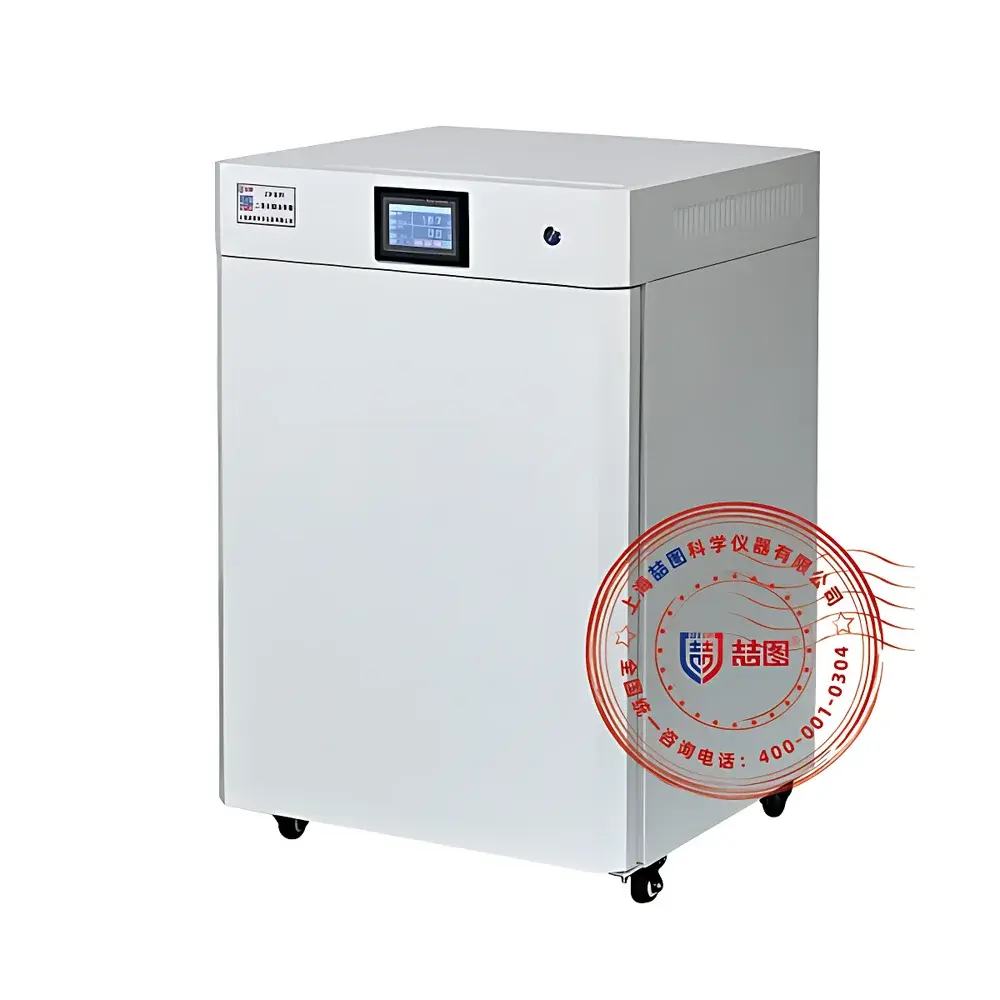
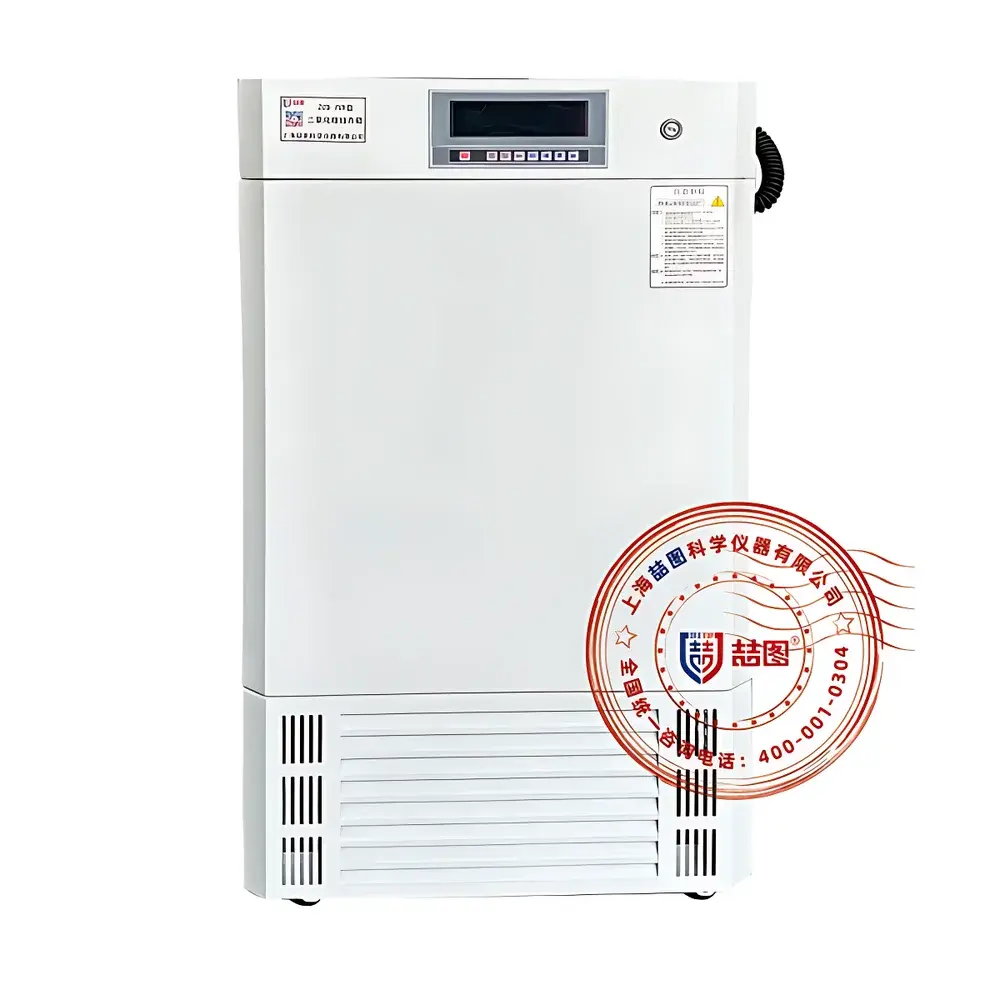
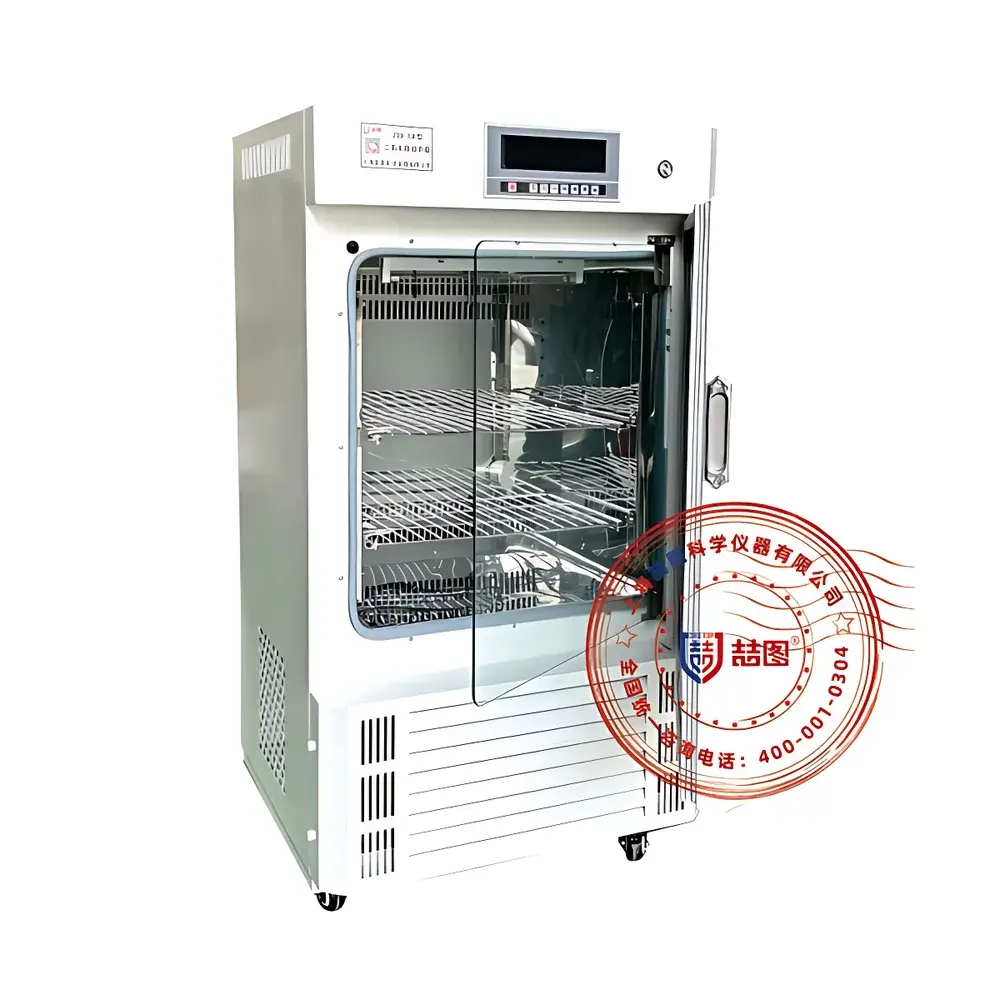
DRETOP ZCQ-270 CO₂ Incubator
| Brand | DRETOP |
|---|---|
| Origin | Shanghai, China |
| Manufacturer Type | Direct Manufacturer |
| Instrument Type | Air-Jacketed CO₂ Incubator |
| CO₂ Detection | Infrared (IR) Sensor |
| Temperature Control Range & Accuracy | RT + 5°C to 60°C |
| CO₂ Concentration Control Range & Accuracy | 0–20% vol, ±0.1% vol |
| Humidity Control | 95% RH ±3% RH (Natural Evaporation) |
| Chamber Capacity | 270 L |
| External Dimensions (W×D×H) | 600 × 600 × 750 mm |
| Standard Configuration | UV Germicidal Lamp (Optional: 90°C High-Temperature Humid Heat Sterilization) |
Overview
The DRETOP ZCQ-270 CO₂ Incubator is an air-jacketed, microprocessor-controlled environmental chamber engineered for precise, long-term cultivation of mammalian cells, hybridomas, stem cells, and sensitive primary cultures under physiologically relevant conditions. It maintains tightly regulated parameters—temperature (RT + 5°C to 60°C), CO₂ concentration (0–20% vol, ±0.1% vol), and relative humidity (95% RH ±3% RH)—to replicate in vivo tissue microenvironments. Unlike water-jacketed designs, the ZCQ-270 employs a rapid-response air-jacket heating system with independent PID-controlled heaters surrounding the chamber walls, enabling fast thermal recovery (<6 min to 37°C after 30-sec door opening) and stable setpoint maintenance during frequent access. Its infrared CO₂ sensor operates independently of ambient temperature and humidity fluctuations, eliminating oxygen dependency and catalytic poisoning risks common in thermal conductivity or electrochemical sensors—ensuring continuous accuracy across extended operation cycles.
Key Features
- High-efficiency IR CO₂ sensor with auto-zero calibration, temperature compensation, and overvoltage/reverse-polarity protection for long-term stability and traceable measurement integrity.
- Intelligent dual-mode control interface: large backlit LCD display with menu-driven navigation; supports runtime timing, isothermal/isohygrometric hold, and programmable ramp-soak profiles.
- Integrated HEPA-grade air filtration (≥99.998% efficiency for particles ≥0.3 µm) on all intake pathways to minimize airborne contamination ingress.
- Reservoir-style stainless steel humidification pan with expanded surface area ensures rapid humidity recovery (<3 min to 95% RH post-door-open) and uniform vapor distribution.
- Anti-tilt slide-out shelves maintain horizontal orientation at 50% extension, preventing medium spillage and cross-contamination between culture vessels.
- Electropolished mirror-finish 304 stainless steel interior with seamless quarter-radius corners facilitates complete cleaning, disinfection, and compliance with ISO 14644-1 Class 5 cleanroom-compatible workflows.
- Dual-stage door heating system prevents condensation on inner glass surfaces—mitigating microbial adhesion and biofilm formation risks associated with moisture accumulation.
Sample Compatibility & Compliance
The ZCQ-270 accommodates standard T-flasks (up to T225), multi-well plates (6–96-well), Petri dishes, roller bottles, and custom bioreactor inserts within its 270 L working volume. Its design conforms to key regulatory expectations for cell culture infrastructure: temperature uniformity meets ASTM E145 Class II performance criteria; CO₂ measurement uncertainty aligns with ISO 8573-1:2010 Annex B for gas purity monitoring; and operational logging capabilities support GLP/GMP documentation requirements when paired with optional RS485 data export. While not certified to IEC 61010-1 or UL 61010-1 out-of-box, the unit incorporates over-temperature cutoff, low-water-level interlock (for optional humidification reservoir monitoring), and configurable alarm thresholds for temperature, CO₂, and door-open duration—enabling lab-specific risk mitigation per ISO/IEC 17025 Clause 7.2.2.
Software & Data Management
The embedded controller records real-time temperature, CO₂, and door-status events with timestamped logging (non-volatile memory, 30-day buffer). Optional RS485 interface enables integration with LabVantage, Thermo Fisher SampleManager, or custom SCADA systems for centralized monitoring and audit-trail generation. Though no native FDA 21 CFR Part 11-compliant software is bundled, the device’s deterministic response behavior, parameter lockout modes, and manual calibration log fields allow laboratories to implement compliant electronic record procedures using validated third-party platforms. All firmware updates are delivered via secure USB load—no cloud connectivity or remote access functionality is included, preserving network isolation per NIH biosafety guidelines.
Applications
This incubator serves core workflows in academic, clinical, and industrial life science settings: routine maintenance of adherent and suspension cell lines (e.g., HeLa, CHO-K1, Jurkat); monoclonal antibody production via hybridoma expansion; embryonic and induced pluripotent stem cell (iPSC) passaging under hypoxia-mimetic CO₂ setpoints; in vitro fertilization (IVF) embryo culture; 3D organoid development requiring stable humidity and gas composition; and toxicology screening where metabolic activity must be preserved across multi-day exposures. Its rapid recovery kinetics make it especially suitable for high-throughput labs performing serial transfections, CRISPR editing validations, or co-culture assays involving repeated observational interventions.
FAQ
Is the ZCQ-270 suitable for GMP-compliant manufacturing environments?
It supports foundational GMP infrastructure requirements (traceable calibration, alarm logging, physical security features), but full compliance requires integration with validated data acquisition systems and site-specific SOPs.
Can the IR CO₂ sensor be recalibrated onsite?
Yes—zero-point calibration is user-accessible via service menu; span calibration requires certified reference gas (5% CO₂ in N₂) and is documented in the maintenance log.
What is the recommended maintenance schedule for the humidification system?
The reservoir pan should be emptied, rinsed with deionized water, and inspected weekly; distilled water refills are mandatory to prevent mineral scaling and sensor drift.
Does the unit include validation documentation (IQ/OQ)?
Factory-assembled units ship with a basic performance verification report; full IQ/OQ protocols must be executed on-site by qualified personnel per ISO 13485 or ASTM E2500.
How does the air-jacket design compare to water-jacketed alternatives during power interruptions?
Air-jacketed systems offer faster recovery but less thermal inertia; for facilities with unstable grid supply, supplemental uninterruptible power (UPS) for controller and sensor circuits is advised to preserve setpoint integrity.





