
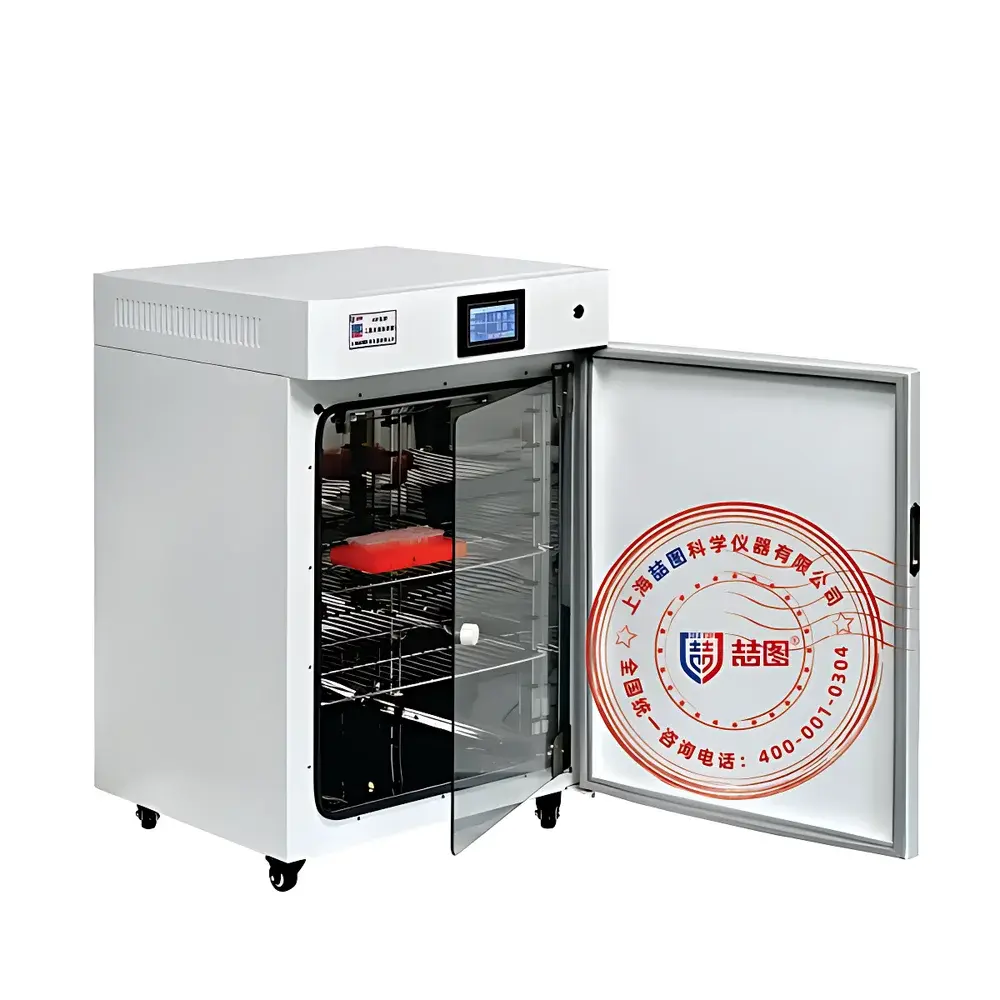
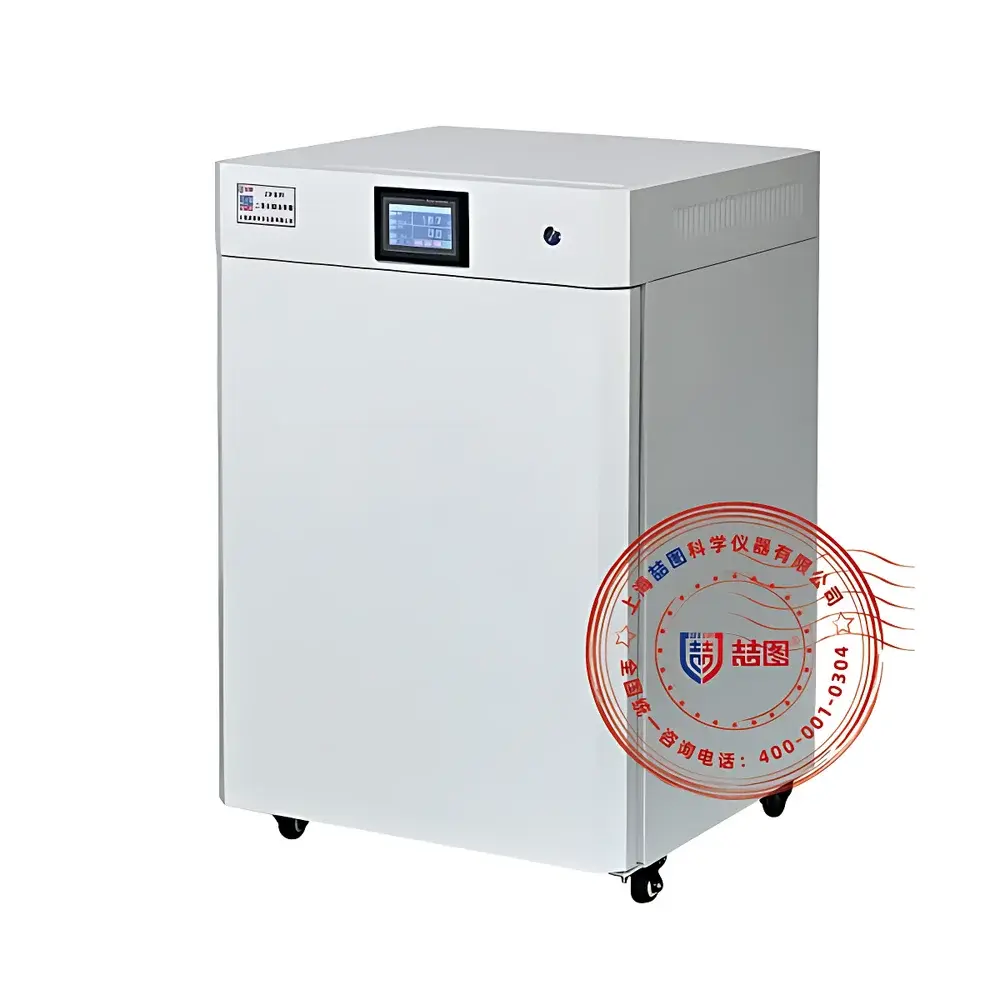
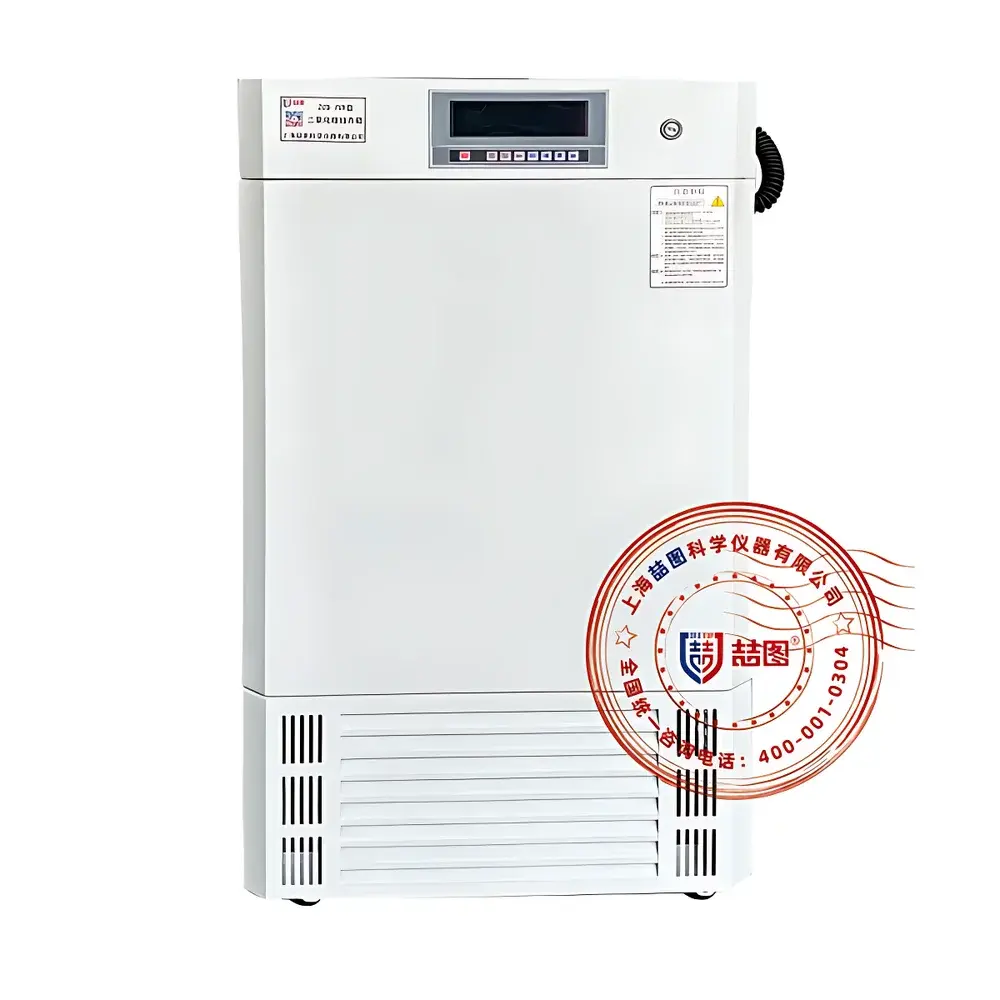
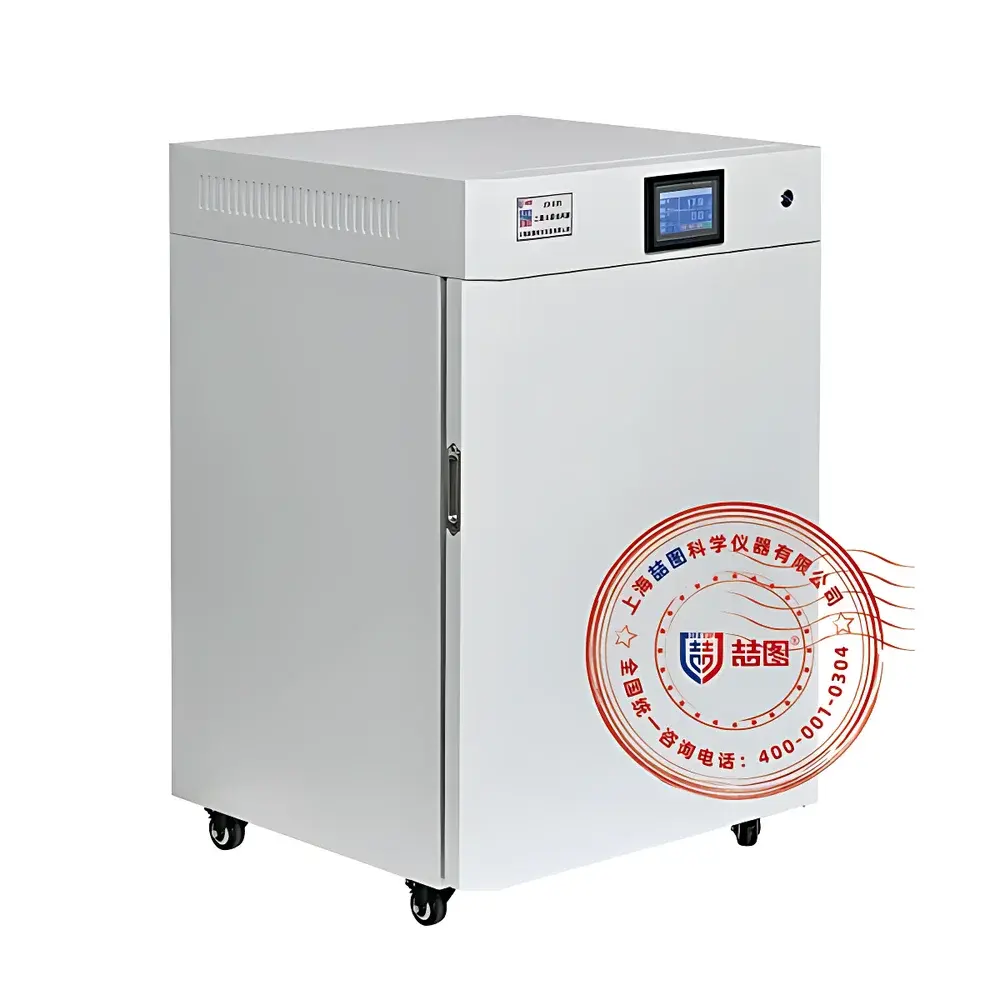
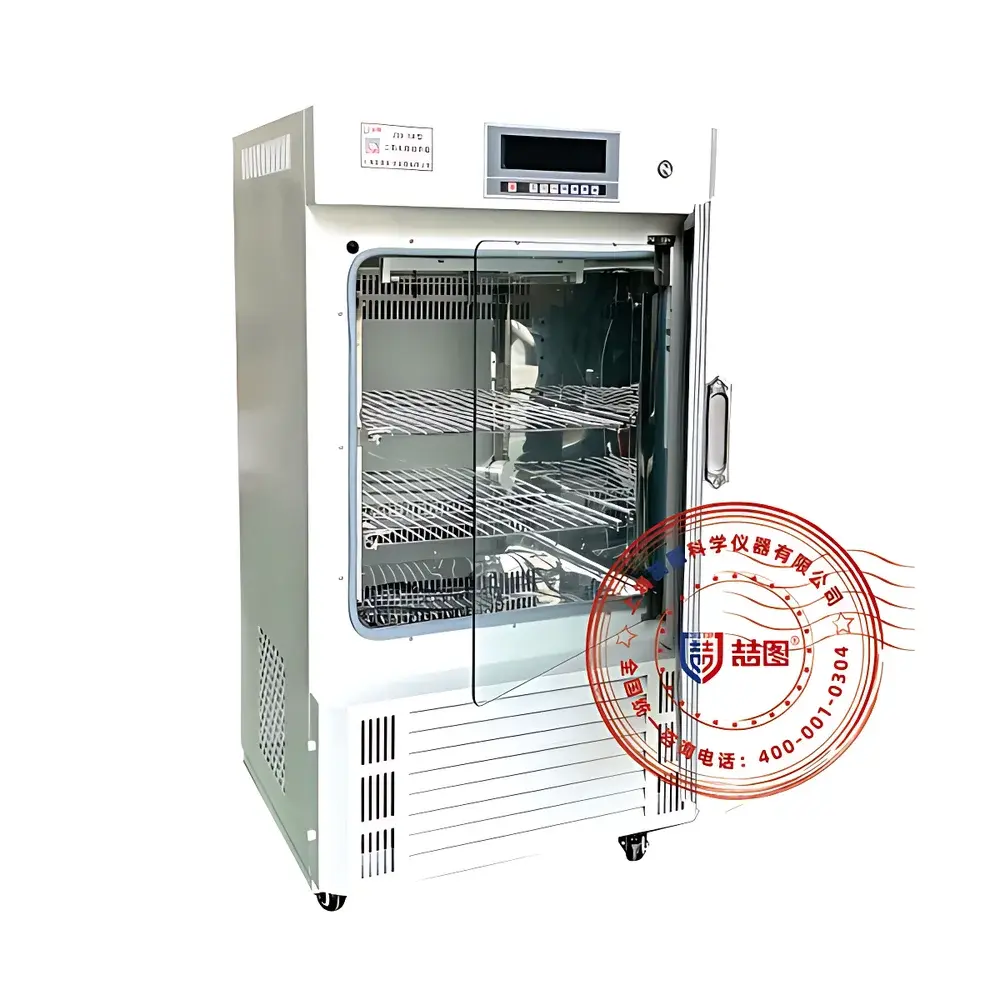
DRETOP ZCQ-50T CO₂ Incubator
| Brand | DRETOP |
|---|---|
| Origin | Shanghai, China |
| Manufacturer Type | Direct Manufacturer |
| Instrument Type | Air-Jacketed CO₂ Incubator |
| CO₂ Detection | Infrared (IR) Sensor |
| Temperature Control Range & Accuracy | RT + 5°C to 60°C |
| CO₂ Concentration Control Range & Accuracy | 0–20% vol, ±0.1% vol |
| Humidity Control | 95% RH ±3% RH (Natural Evaporation) |
| Chamber Volume | 50 L |
| External Dimensions (W×D×H) | 475 × 496 × 735 mm |
| Internal Dimensions (W×D×H) | 345 × 355 × 410 mm |
| Standard Configuration | UV Germicidal Lamp (Optional: 90°C High-Temperature Humid Heat Sterilization) |
Overview
The DRETOP ZCQ-50T CO₂ Incubator is an air-jacketed, microprocessor-controlled environmental chamber engineered for reliable, long-term cell and tissue culture under physiologically relevant conditions. It maintains precise control over three critical parameters—temperature, CO₂ concentration, and relative humidity—to replicate the in vivo microenvironment required for mammalian cell viability, proliferation, and functional integrity. Operating on the principle of convective air heating via independent jacketed heating elements, the ZCQ-50T ensures rapid thermal recovery following door openings—a key performance requirement in high-throughput labs where frequent access is unavoidable. Its infrared CO₂ sensor delivers drift-free, oxygen-independent measurement with built-in temperature compensation and zero-point auto-calibration, eliminating catalytic sensor poisoning and ensuring stability across variable ambient conditions. Designed for GLP-compliant workflows, the incubator supports traceable operation through event logging, alarm history, and user-accessible calibration records.
Key Features
- Air-jacketed heating architecture enables fast temperature recovery: ≤6 minutes to re-stabilize at 37°C after a 30-second door opening.
- Infrared (IR) CO₂ sensor with ±0.1% vol accuracy and immunity to O₂ interference; includes automatic temperature compensation and zero-point calibration.
- High-efficiency particulate air (HEPA) filtration (≥0.3 µm, 99.998% capture efficiency) on intake air path to minimize airborne contamination.
- Reservoir-style stainless steel water pan with large evaporation surface area ensures rapid humidity recovery to 95% RH ±3% RH after door cycles.
- Anti-tilt adjustable shelving system maintains horizontal orientation even when fully extended, preventing media spillage during handling.
- Electropolished mirror-finish 304 stainless steel interior with seamless, radius-cornered construction for optimal cleanability and microbial resistance.
- Door-heating circuit prevents condensation on inner glass, reducing moisture-mediated microbial ingress risk.
- Microprocessor-based controller with backlit LCD interface; supports multiple timing modes (run timer, hold timer, humidity timer, combined temp/humidity timer).
Sample Compatibility & Compliance
The ZCQ-50T accommodates standard T-25, T-75, and multi-well plates, as well as Petri dishes and roller bottles up to 100 mm diameter. Its 50 L working volume (345 × 355 × 410 mm internal) supports up to two removable stainless steel shelves. The unit complies with IEC 61010-1:2010 for laboratory equipment safety and meets electromagnetic compatibility requirements per EN 61326-1:2013. While not certified to ISO 13485 or FDA 21 CFR Part 11 out-of-the-box, its audit-ready data logging (optional RS485 interface), password-protected parameter settings, and configurable alarm thresholds support integration into GMP/GLP environments when paired with validated SOPs and external electronic lab notebook (ELN) systems.
Software & Data Management
The embedded controller stores up to 1,000 event logs—including temperature excursions, CO₂ deviations, door-open durations, and alarm triggers—with timestamps and operator IDs (if enabled). Data export is supported via optional RS485 serial interface (Modbus RTU protocol) for integration with building management systems (BMS) or centralized monitoring platforms such as LabArchives or Thermo Fisher Connect. Firmware updates are performed locally via USB port (not included). No cloud connectivity or proprietary software suite is provided; all configuration and diagnostics are accessible directly through the front-panel interface without external dependencies.
Applications
This incubator serves core applications in academic research, biopharmaceutical development, and clinical diagnostics laboratories. It is routinely deployed in: primary and immortalized mammalian cell line maintenance (e.g., HEK293, HeLa, CHO); hybridoma culture for monoclonal antibody production; in vitro fertilization (IVF) embryo incubation; stem cell expansion and differentiation assays; 3D organoid culture; cytotoxicity and drug screening studies; and microbiological work involving capnophilic organisms (e.g., Helicobacter pylori, Neisseria gonorrhoeae). Its stable 5% CO₂ / 37°C / 95% RH setpoint is optimized for routine passage and assay readouts requiring high reproducibility across replicates and operators.
FAQ
What is the difference between air-jacketed and water-jacketed CO₂ incubators?
Air-jacketed models like the ZCQ-50T use electric heaters surrounding the chamber to warm circulating air—enabling faster temperature recovery and lower maintenance. Water-jacketed units (e.g., DRETOP ZCW series) rely on heated water reservoirs for superior thermal stability during power interruptions but require regular water level monitoring and decontamination.
Is the UV lamp ozone-free?
Yes—the standard UV germicidal lamp operates at 254 nm and produces no measurable ozone, making it safe for continuous use inside occupied laboratory spaces.
Can humidity be monitored in real time?
The ZCQ-50T maintains humidity via passive evaporation and does not include a built-in RH sensor; however, optional external humidity display modules are available via RS485 integration.
Does the incubator support regulatory-compliant data integrity?
It provides timestamped event logs and configurable alarm thresholds. For full 21 CFR Part 11 compliance, users must implement supplementary controls—including role-based access, electronic signatures, and third-party validation protocols.
What sterilization options are available?
Standard UV irradiation (254 nm) targets airborne and surface microbes. Optional 90°C humid heat sterilization cycle (requires water pan fill and extended runtime) achieves ≥6-log reduction of bacterial endospores, validated per ISO 14644-1 Class 5 cleanroom standards.





