
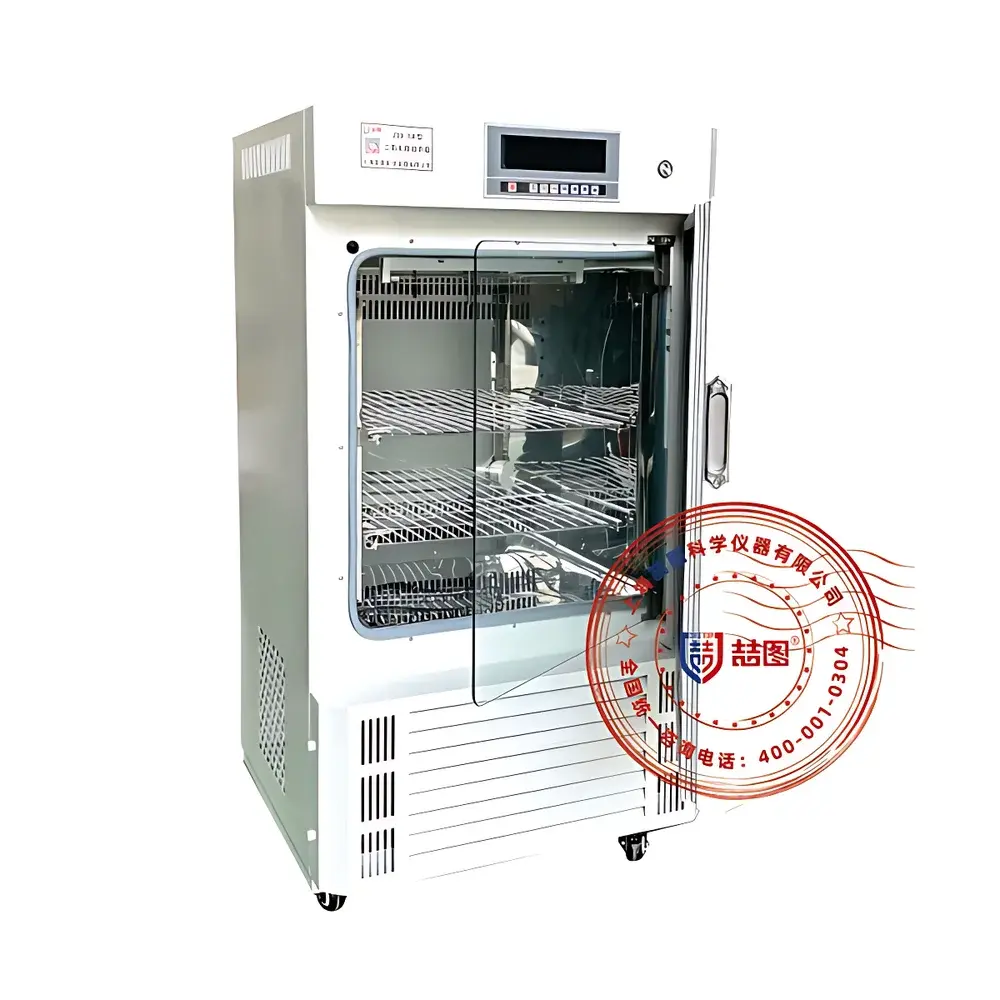
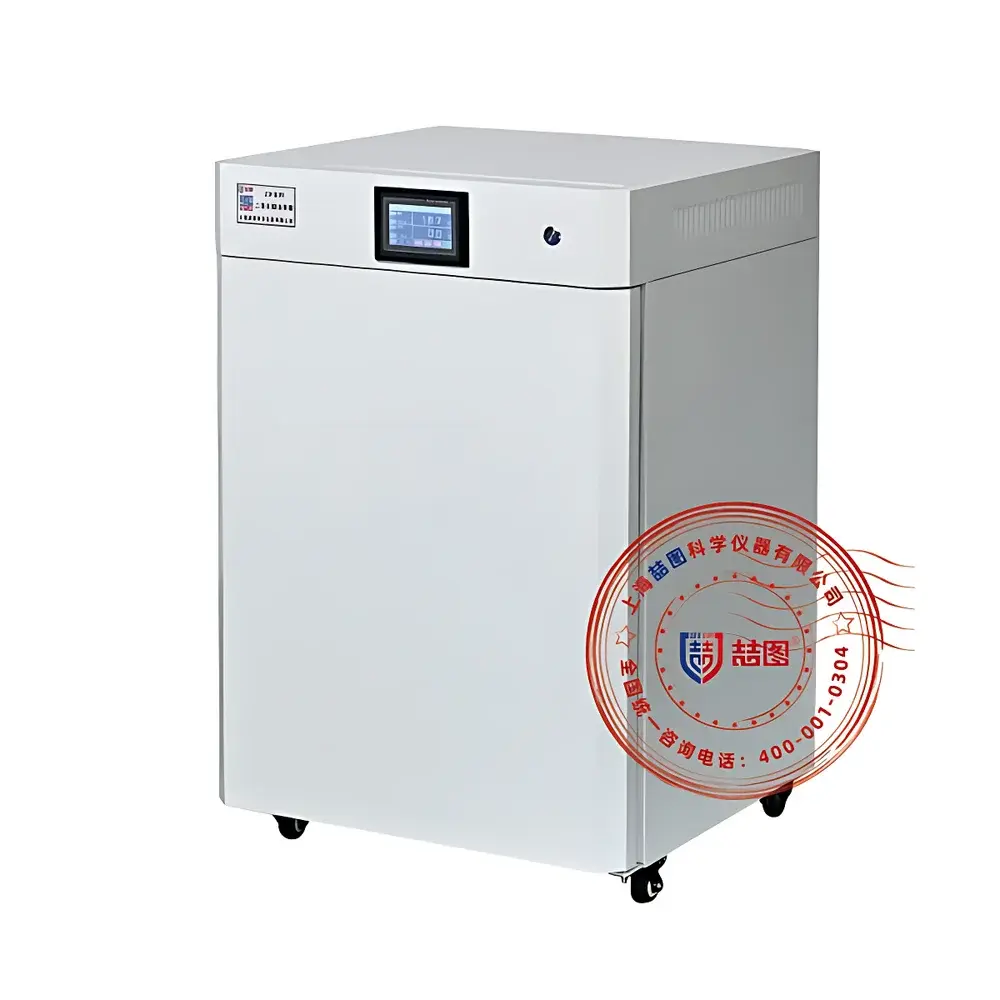
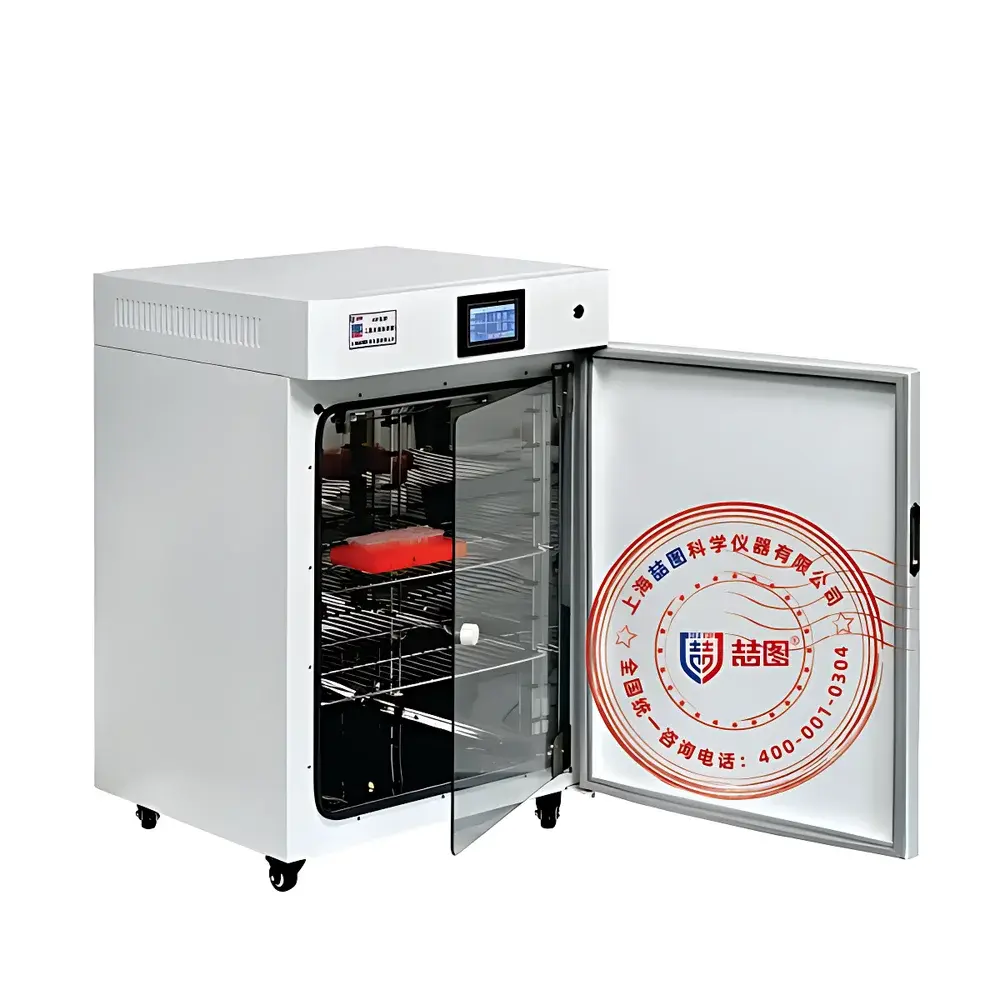
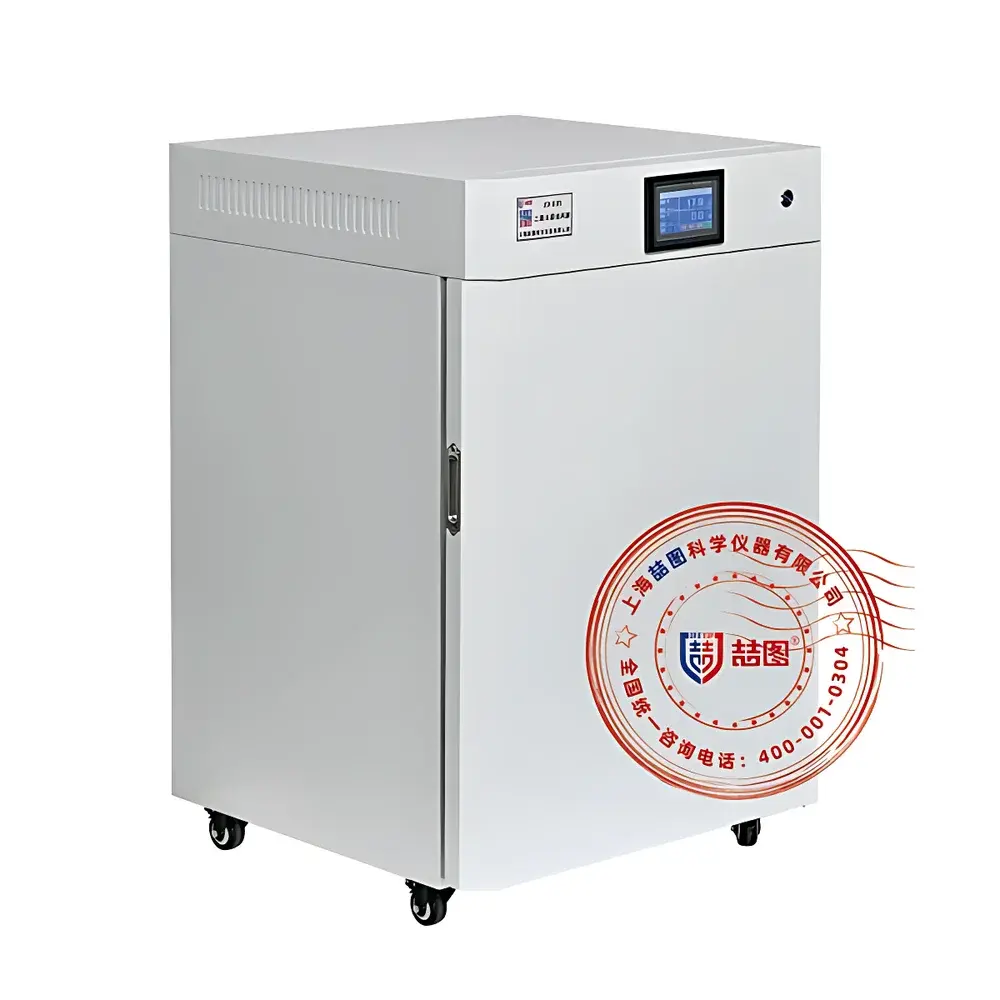
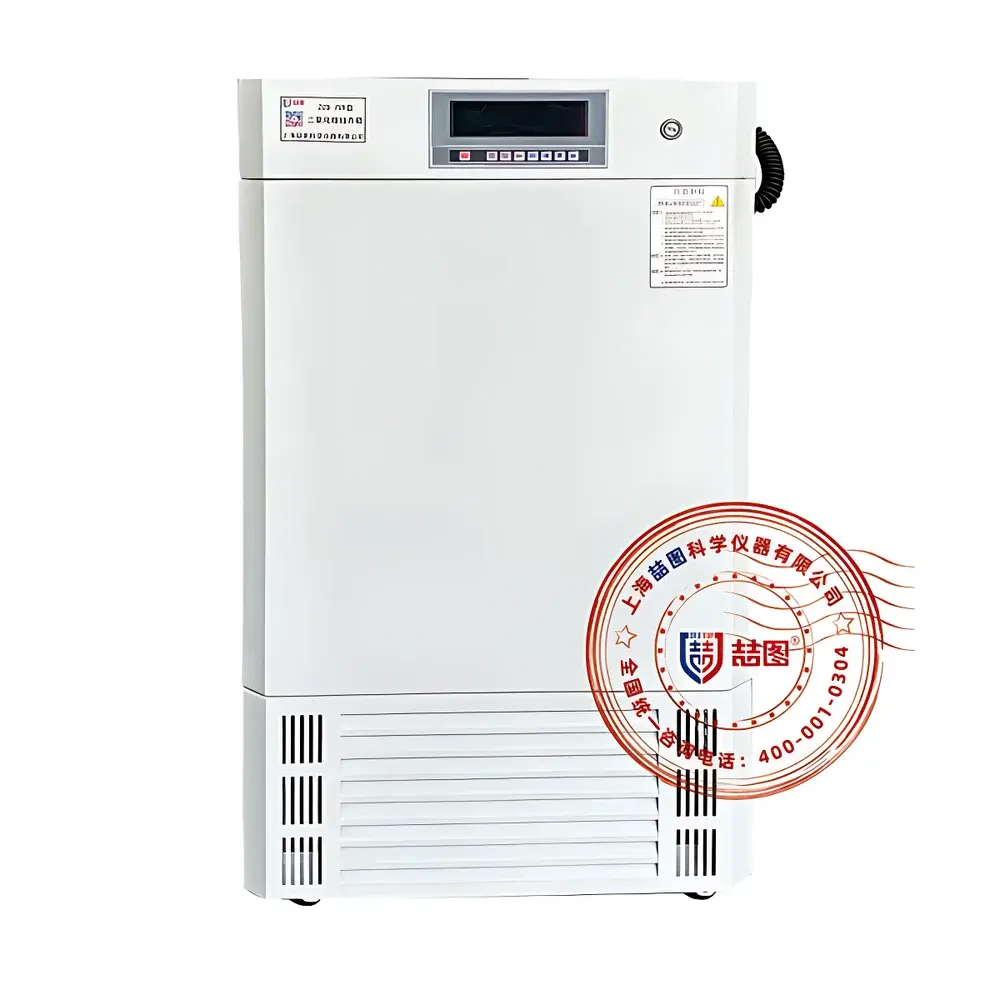
DRETOP ZCW-160 Water-Jacketed CO₂ Incubator
| Brand | DRETOP |
|---|---|
| Origin | Shanghai, China |
| Manufacturer Type | Direct Manufacturer |
| Instrument Type | Water-Jacketed CO₂ Incubator |
| CO₂ Detection | Infrared (IR) Sensor |
| Temperature Control Range & Accuracy | RT + 5°C to 60°C |
| CO₂ Concentration Control Range & Accuracy | 0–20% vol, ±0.1% vol |
| Humidity Control | 95% RH ±3% RH |
| Chamber Capacity | 160 L |
| External Dimensions (W×D×H) | 500 × 500 × 650 mm |
| Standard Configuration | UV Germicidal Lamp (Optional 90°C High-Temperature Humid Heat Sterilization) |
Overview
The DRETOP ZCW-160 is a precision-engineered water-jacketed CO₂ incubator designed for reliable, long-term cell and tissue culture under physiologically relevant conditions. It maintains tightly controlled environmental parameters—temperature (RT + 5°C to 60°C), CO₂ concentration (0–20% vol, ±0.1% vol), and relative humidity (95% RH ±3% RH)—to replicate in vivo microenvironments essential for mammalian cell proliferation, stem cell expansion, hybridoma antibody production, IVF procedures, and regenerative medicine workflows. Unlike forced-air (air-jacketed) systems, the ZCW-160 employs a thermally buffered water jacket surrounding the inner chamber, enabling exceptional thermal stability during power interruptions and minimizing temperature fluctuations caused by door openings. Its infrared CO₂ sensor operates independently of ambient O₂ levels and exhibits no catalytic poisoning—ensuring consistent accuracy across extended operational cycles and high-use laboratory environments.
Key Features
- Water-jacketed thermal architecture with ceramic fiber insulation and mirror-polished stainless-steel interior (304 grade), featuring seamless, radius-cornered construction for full cleanability and microbial resistance.
- Integrated IR-based CO₂ sensing with automatic zero-point calibration, temperature compensation, and overvoltage/reverse-polarity protection—optimized for rapid recovery (≤3 min to 5% CO₂ after 30-sec door opening).
- Large-area reservoir-style humidification system with natural evaporation design; achieves ≥95% RH and recovers humidity rapidly post-door access due to maximized water surface area and optimized airflow distribution.
- Anti-tilt adjustable shelving: shelves remain level even when extended halfway, preventing media spillage during routine handling.
- Dual-stage door heating system eliminates condensation on the inner glass panel—critical for preventing microbial ingress via moisture film formation.
- Comprehensive safety suite including low-water-level cutoff, independent over-temperature alarm with user-defined thresholds, power-failure memory retention, and real-time monitoring of chamber integrity.
Sample Compatibility & Compliance
The ZCW-160 supports standard SBS-format multiwell plates (6–384-well), T-flasks (25–225 cm²), Petri dishes, roller bottles, and custom bioreactor inserts. Its stainless-steel chamber and UV-compatible interior materials comply with ISO 13485–aligned manufacturing practices. While not certified to IEC 61010-1 or UL 61010-1 out-of-box, the unit meets foundational electrical safety requirements for Class II laboratory equipment. Optional RS485 interface enables integration into GLP/GMP-compliant data logging networks supporting 21 CFR Part 11 audit trails when paired with validated third-party software. All sterilization functions—including 90°C humid heat cycle and ozone-free UV irradiation—align with ISO 14644-1 cleanroom-grade decontamination protocols for Class B/C environments.
Software & Data Management
The ZCW-160 features an intuitive LCD interface with menu-driven navigation, supporting three operational modes: constant setpoint, day/night cycling, and programmable multi-step profiles. Time-based event logging records temperature, CO₂, and humidity at user-configurable intervals (1–60 min). Optional RS485 output allows connection to SCADA platforms or centralized LIMS for automated data capture, trend analysis, and deviation alerting. Firmware supports firmware-upgradable calibration coefficients and retains all parameter settings and runtime history during power loss—eliminating manual reconfiguration after outages. No proprietary cloud platform is required; raw serial data is ASCII-formatted for direct parsing into Excel, Python, or LabVIEW environments.
Applications
This incubator serves core applications requiring stringent environmental fidelity: primary human cell line maintenance (e.g., HEK293, MCF-7, iPSCs), monoclonal antibody development via hybridoma culture, preimplantation embryo culture in assisted reproductive technology (ART), 3D organoid differentiation protocols, cytotoxicity screening under controlled hypoxia (via CO₂/N₂ blending), and long-duration pharmacokinetic assays. Its water-jacketed design makes it particularly suited for facilities with unstable grid supply or where uninterrupted thermal continuity is mandated—for example, continuous bioprocess monitoring or GMP-aligned cell banking operations. The absence of fan-forced air circulation minimizes shear stress on delicate suspension cultures and reduces cross-contamination risk between adjacent vessels.
FAQ
What distinguishes water-jacketed from air-jacketed CO₂ incubators?
Water-jacketed models use a surrounding water bath to stabilize internal temperature, offering superior thermal inertia and extended hold time during power failure—typically 5–8× longer than air-jacketed units.
Is the IR CO₂ sensor susceptible to drift or poisoning?
No. Unlike thermal conductivity or catalytic bead sensors, the IR detector is unaffected by O₂ concentration, H₂S, or volatile organic compounds, and requires only annual zero-point verification.
Can humidity be monitored in real time?
The standard configuration maintains 95% RH via passive evaporation; optional external humidity probe kits (sold separately) enable live RH feedback and closed-loop control.
Does the unit support regulatory compliance documentation?
Yes—factory calibration certificates, material traceability reports, and IQ/OQ protocol templates are available upon request for FDA, EMA, or PMDA submissions.
What maintenance is required for the water jacket?
Deionized water must be refilled every 2–4 weeks depending on ambient evaporation rate; annual descaling with citric acid solution is recommended to prevent mineral buildup.




