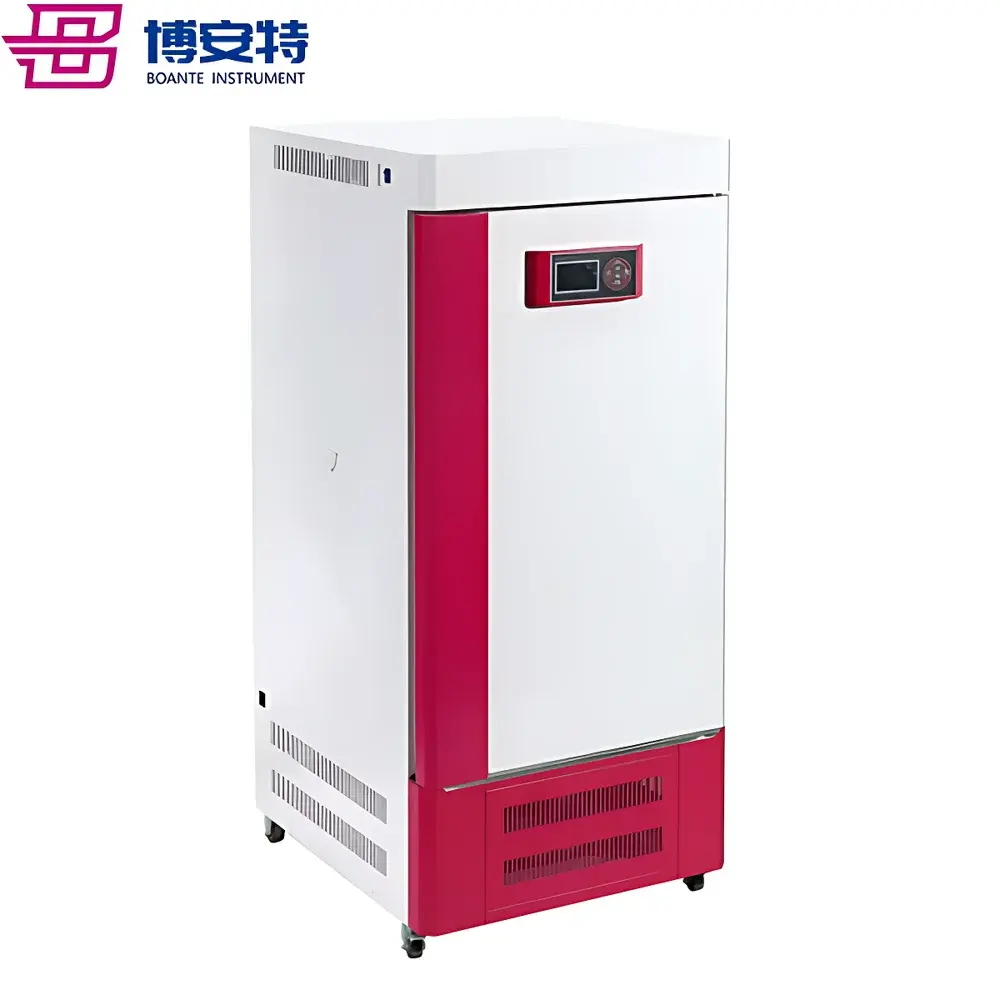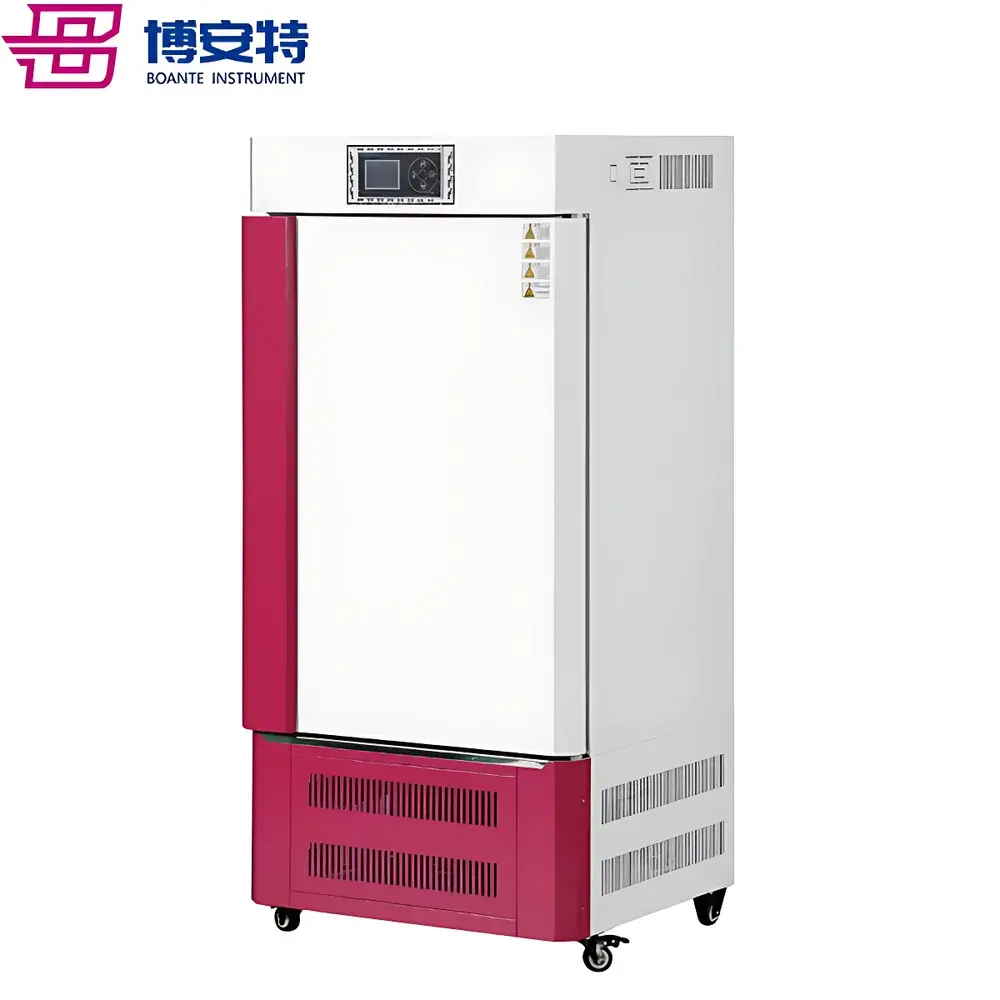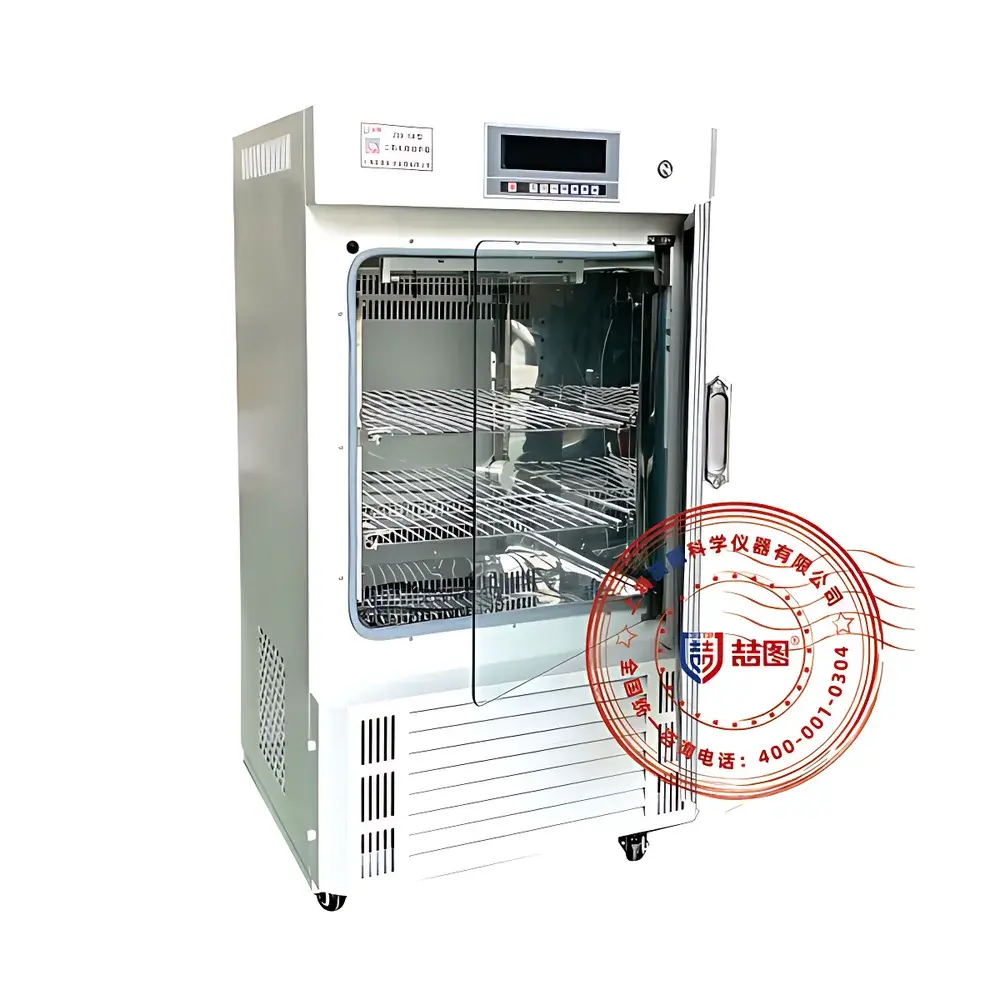
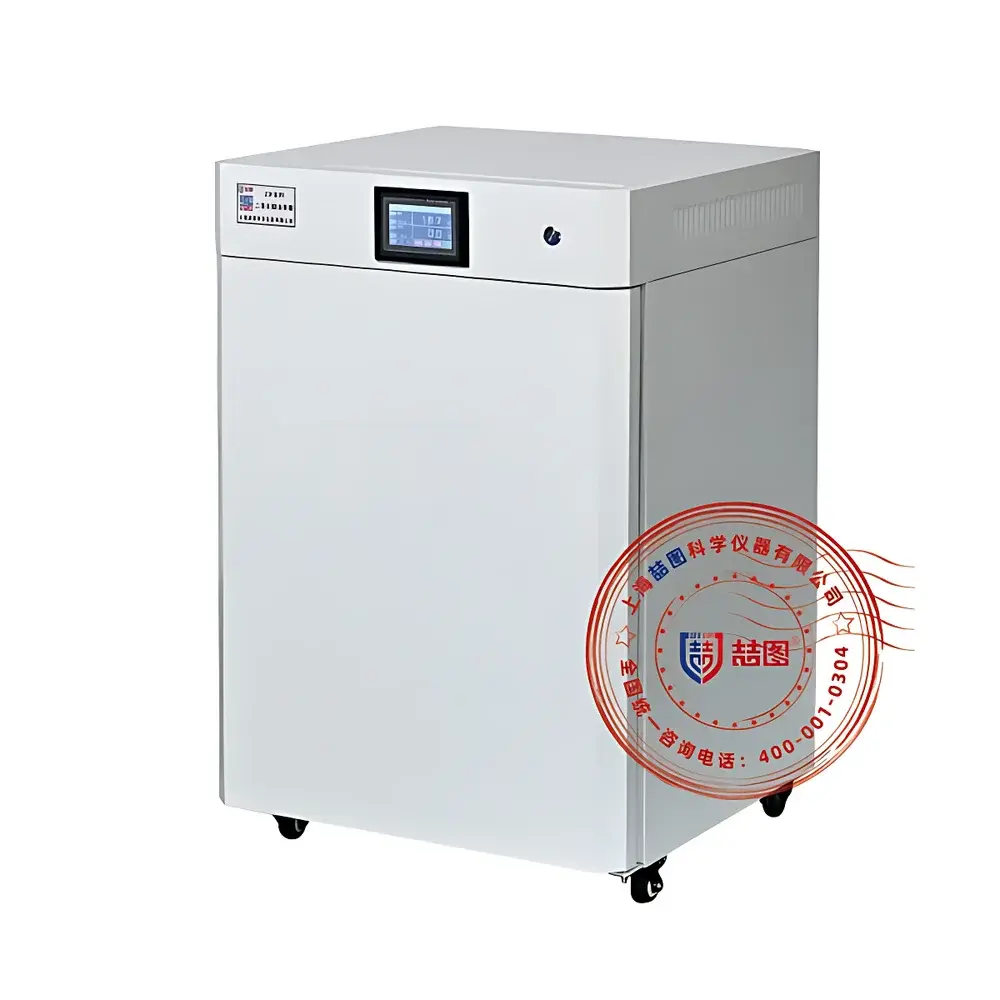
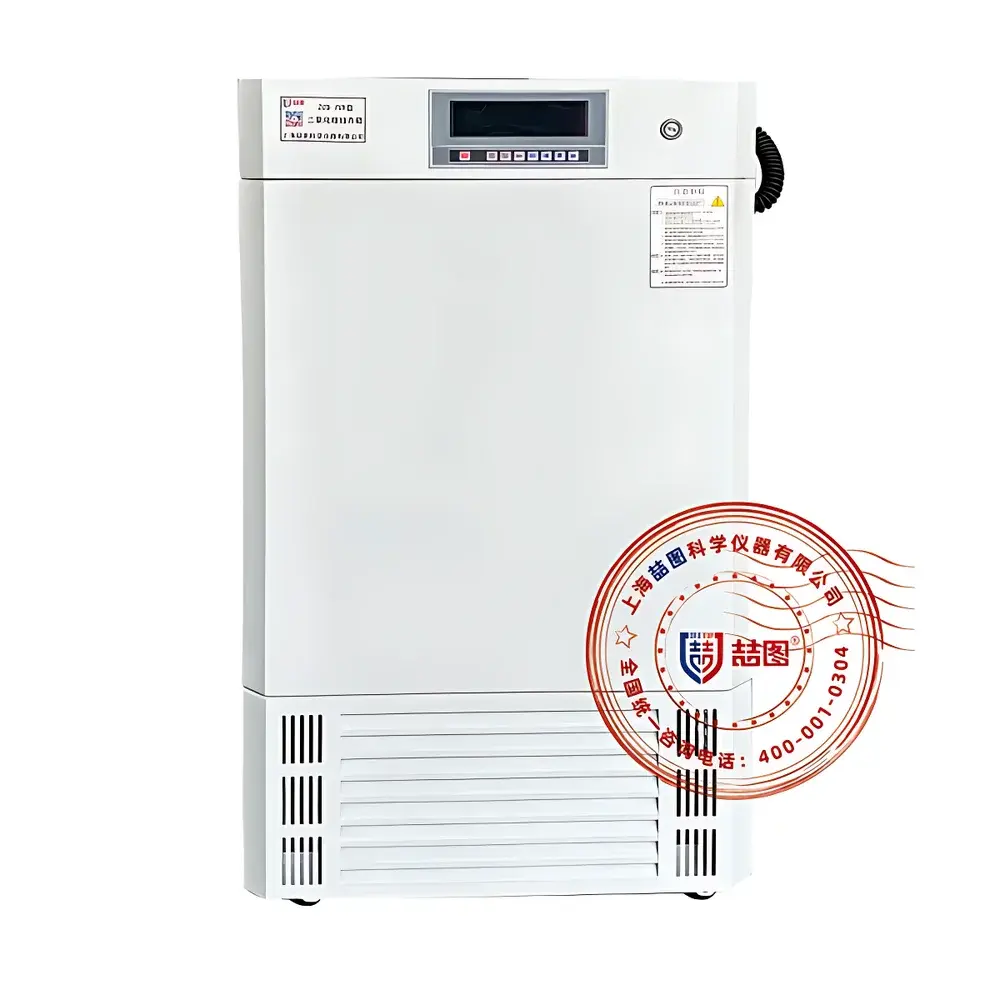
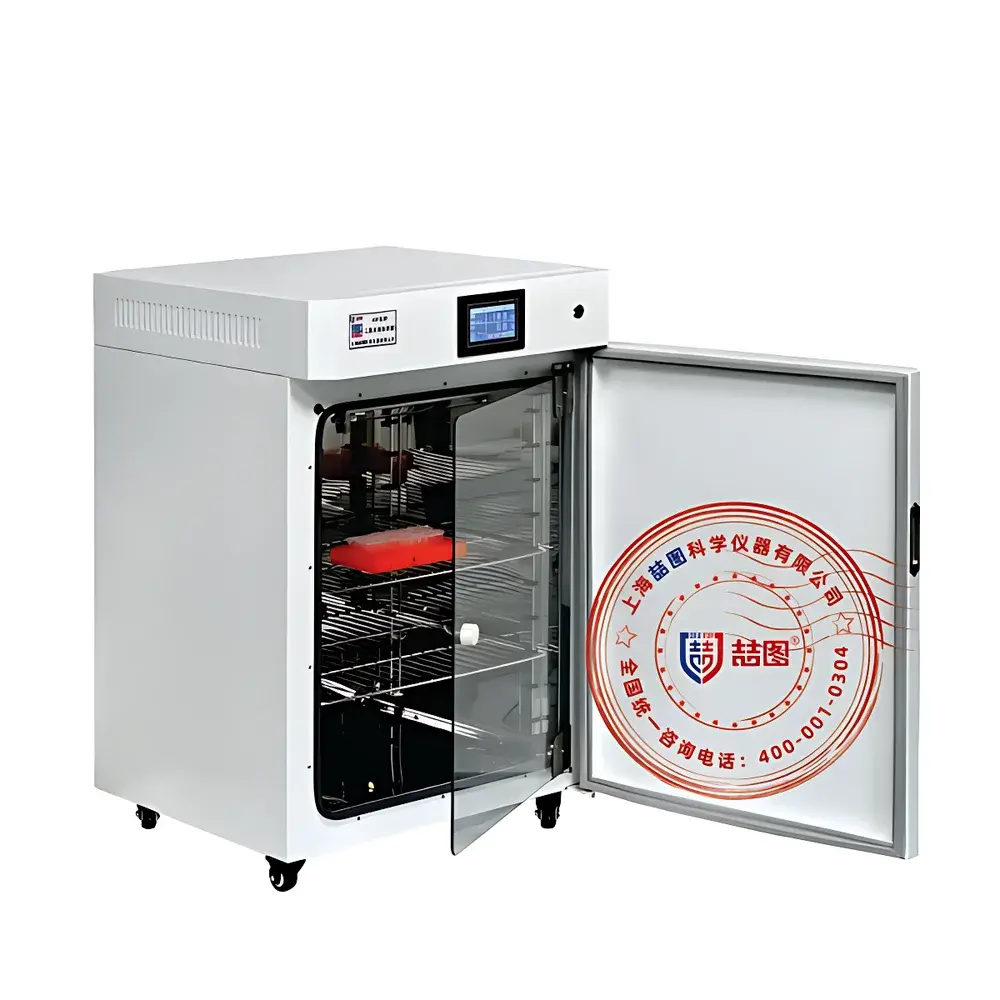
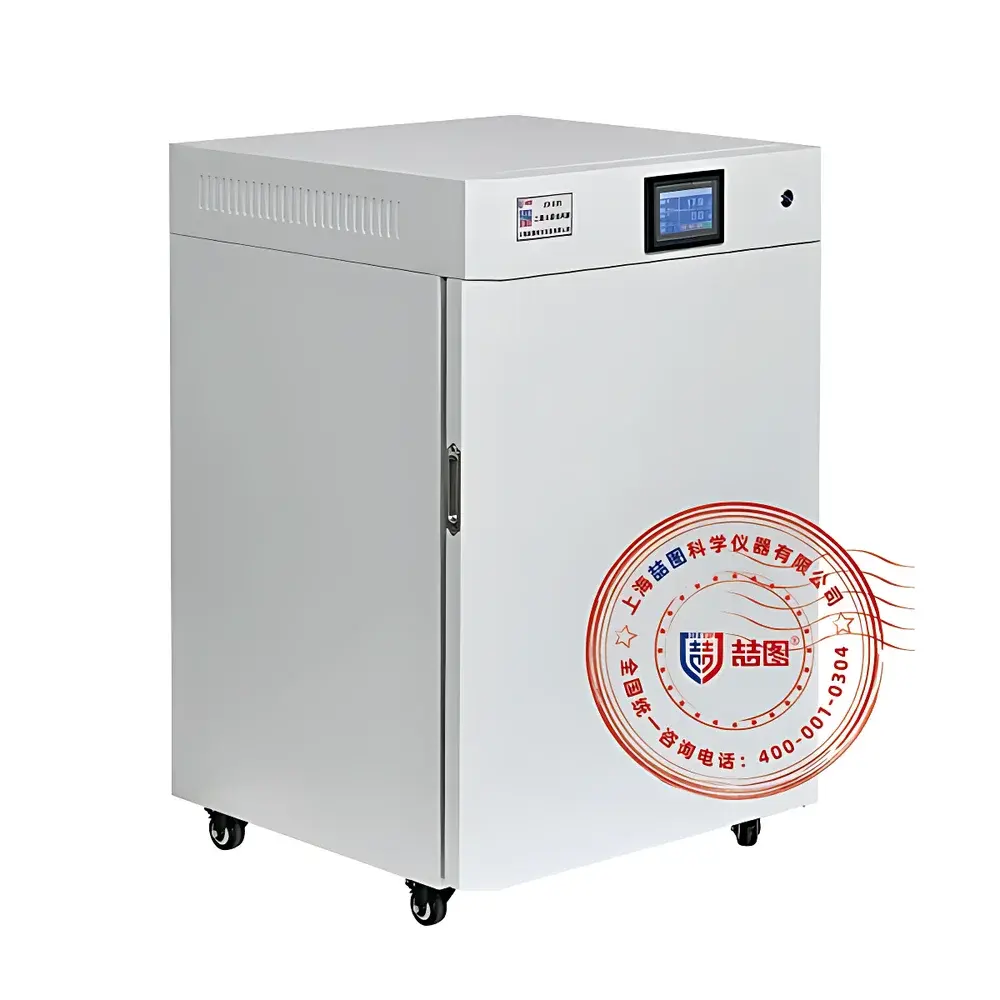
DRETOP ZCW-270 Water-Jacketed CO₂ Incubator
| Brand | DRETOP |
|---|---|
| Origin | Shanghai, China |
| Manufacturer Type | Direct Manufacturer |
| Instrument Type | Water-Jacketed CO₂ Incubator |
| CO₂ Detection | Infrared (IR) Sensor |
| Temperature Control Range & Accuracy | RT +5°C to 60°C, ±0.2°C |
| Temperature Uniformity | Not specified in datasheet |
| CO₂ Concentration Control Range & Accuracy | 0–20% vol, ±0.1% vol |
| Humidity Control | 95% RH ±3% RH (natural evaporation) |
| Chamber Volume | 270 L |
| External Dimensions (W×D×H) | 775 × 765 × 1050 mm |
| Internal Dimensions (W×D×H) | 600 × 600 × 750 mm |
| Standard Configuration | UV Germicidal Lamp (optional 90°C High-Temperature Humid Heat Sterilization) |
Overview
The DRETOP ZCW-270 is a precision-engineered water-jacketed CO₂ incubator designed for reliable, long-term mammalian cell culture under physiologically relevant conditions. It maintains tightly regulated environmental parameters—temperature (RT +5°C to 60°C), CO₂ concentration (0–20% vol), and relative humidity (95% RH ±3% RH)—to replicate the in vivo microenvironment essential for sensitive primary cells, stem cells, hybridomas, and engineered cell lines. Unlike forced-air (air-jacketed) systems, the ZCW-270 employs a thermally buffered water jacket surrounding the inner chamber, providing exceptional thermal stability and minimizing temperature fluctuations during power interruptions or frequent door openings. This architecture is particularly suited for laboratories operating in regions with unstable grid supply or where uninterrupted incubation integrity is critical—for example, in GLP-compliant bioproduction, IVF labs, or long-duration cytotoxicity assays. The system integrates an IR-based CO₂ sensor with automatic zero-point calibration and temperature compensation, ensuring measurement fidelity independent of ambient O₂ levels or catalytic poisoning—a known limitation of traditional thermal conductivity sensors.
Key Features
- Water-jacketed thermal design delivers superior temperature stability (±0.2°C fluctuation) and extended thermal holdover (>8 hours at 37°C post-power-loss), significantly exceeding air-jacketed alternatives.
- Infrared CO₂ sensing technology provides high-accuracy control (±0.1% vol) with rapid recovery: ≤3 minutes to re-establish 5% CO₂ after a 30-second door opening, validated per ISO 13408-1 Annex B protocols.
- Large-capacity stainless steel chamber (600 × 600 × 750 mm internal; 270 L volume) features mirror-finish 304 stainless steel interior with seamless quarter-radius corners, facilitating complete decontamination and reducing microbial harborage points.
- Integrated humidity management via reservoir-style water pan ensures consistent 95% RH output with fast recovery (<15 min after door opening), supported by anti-tilt adjustable shelving that remains level even when partially extended.
- Dual-stage safety architecture includes water-level monitoring with auto-shutoff, door-heated inner glass to prevent condensation-mediated contamination, and configurable high/low temperature alarms compliant with IEC 61010-1 safety standards.
- User interface comprises a backlit LCD display with intuitive menu navigation, supporting multiple timing modes (run timer, constant-temp timer, constant-humidity timer) and programmable alarm thresholds.
Sample Compatibility & Compliance
The ZCW-270 supports standard T-75, T-150, and 100-mm Petri dishes, multi-well plates, roller bottles, and gas-permeable culture flasks. Its chamber geometry accommodates up to four full-size shelves (standard configuration: two stainless steel trays, fully removable and autoclavable). All wetted surfaces are electropolished 304 stainless steel, compatible with common sterilants including 70% ethanol, hydrogen peroxide vapor (HPV), and 1–2% sodium hypochlorite solutions. Optional 90°C humid heat sterilization (with integrated water reservoir heating) achieves ≥6-log reduction of bacterial endospores (e.g., Bacillus stearothermophilus) per ISO 14644-1 Class 5 cleanroom validation requirements. UV germicidal irradiation (254 nm, ozone-free lamp) targets airborne and surface-borne microorganisms in recirculated air and evaporative water vapor, aligning with USP environmental monitoring guidelines for aseptic processing areas.
Software & Data Management
While the base ZCW-270 operates via embedded firmware without cloud connectivity, it supports RS485 serial communication (optional add-on) for integration into centralized lab monitoring systems compliant with FDA 21 CFR Part 11. Data logging—including real-time temperature, CO₂ %, RH %, and alarm events—can be exported via external USB data loggers or third-party SCADA platforms. All parameter settings retain memory after power interruption (non-volatile EEPROM), satisfying GLP audit requirements for traceability and reproducibility. Optional accessories include independent over-temperature cut-off controllers (UL-listed), calibrated reference thermometers for IQ/OQ validation, and pressure-relief valves for CO₂ gas line integration in accordance with CGA V-9 and EN ISO 8573-1 compressed gas purity standards.
Applications
This incubator is routinely deployed in academic research labs studying cancer biology, immunology, and regenerative medicine; contract manufacturing organizations (CMOs) performing monoclonal antibody production in CHO or HEK293 cells; clinical IVF centers maintaining oocyte and blastocyst viability; and pharmaceutical QA/QC units conducting cytotoxicity screening per OECD TG 492 and ISO 10993-5. Its stable CO₂ and humidity profiles support demanding applications such as organoid differentiation, co-culture systems with stromal cells, and long-term CRISPR-edited cell line expansion where phenotypic drift must be minimized. The water-jacketed thermal mass also enhances reproducibility in circadian rhythm studies requiring precise diurnal temperature modulation.
FAQ
What distinguishes water-jacketed from air-jacketed CO₂ incubators?
Water-jacketed designs use a surrounding water bath for thermal inertia, offering superior temperature uniformity and resilience during power loss—ideal for unattended overnight runs or facilities with unreliable electricity.
Is the IR CO₂ sensor subject to drift or cross-sensitivity?
No. The non-dispersive infrared (NDIR) sensor incorporates automatic baseline correction and temperature compensation, eliminating O₂ interference and catalytic poisoning risks inherent in TC sensors.
Can the ZCW-270 meet ISO 13408 or USP environmental control requirements?
Yes—when equipped with optional UV sterilization, 90°C humid heat cycle, and validated cleaning SOPs, it satisfies core environmental controls for sterile compounding and cell therapy manufacturing.
What maintenance is required for the water jacket?
Biannual inspection of water level, periodic replacement of deionized water (every 3–6 months), and annual descaling using citric acid solution per manufacturer-recommended procedures.
Does the unit support regulatory-compliant data archiving?
With RS485 interface and compatible SCADA software, it enables ALCOA+ compliant electronic records including user ID, timestamp, parameter values, and event logs—fully auditable for FDA or EMA inspections.