
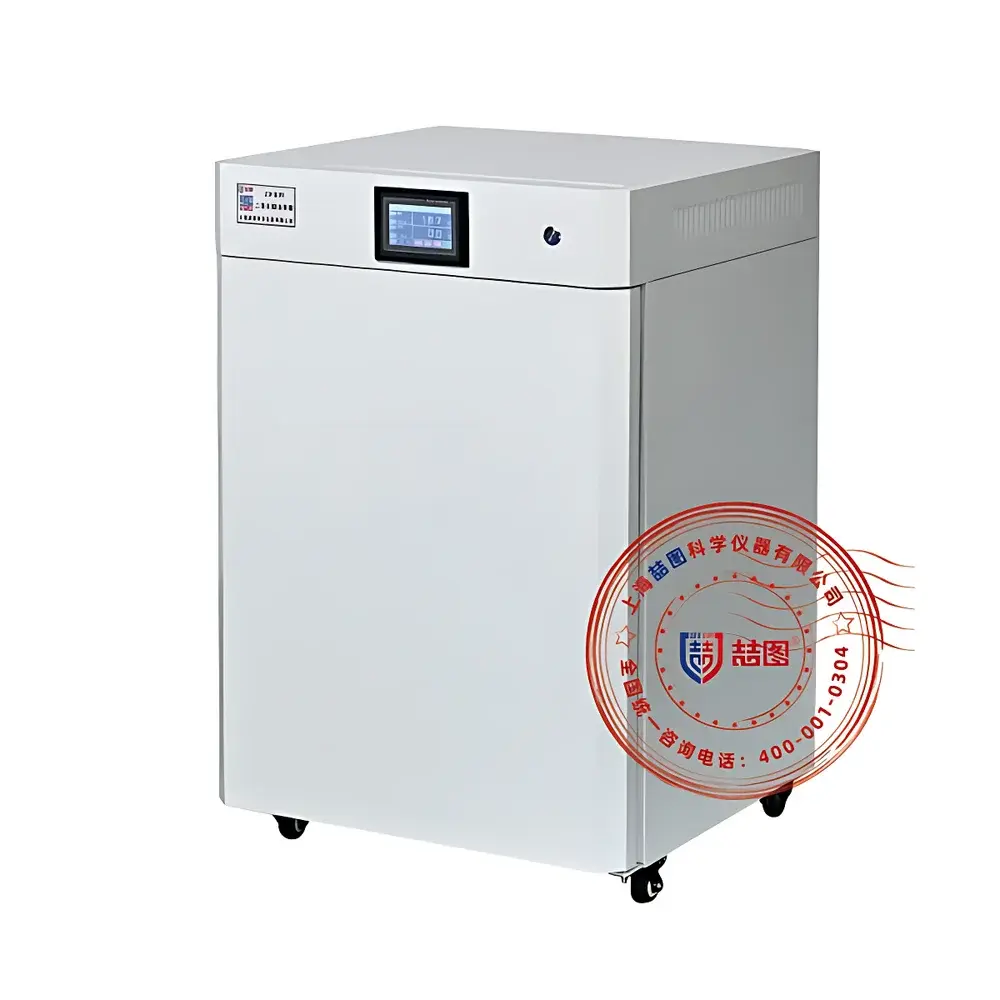
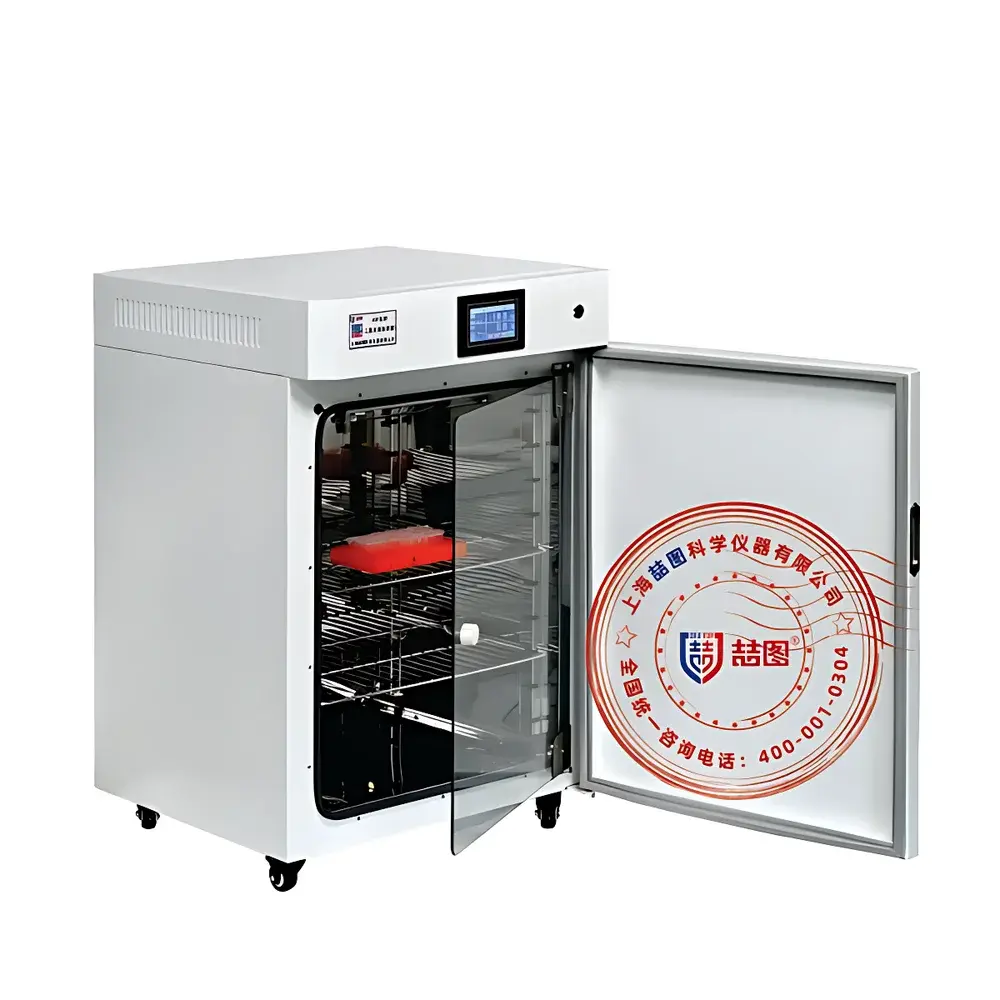
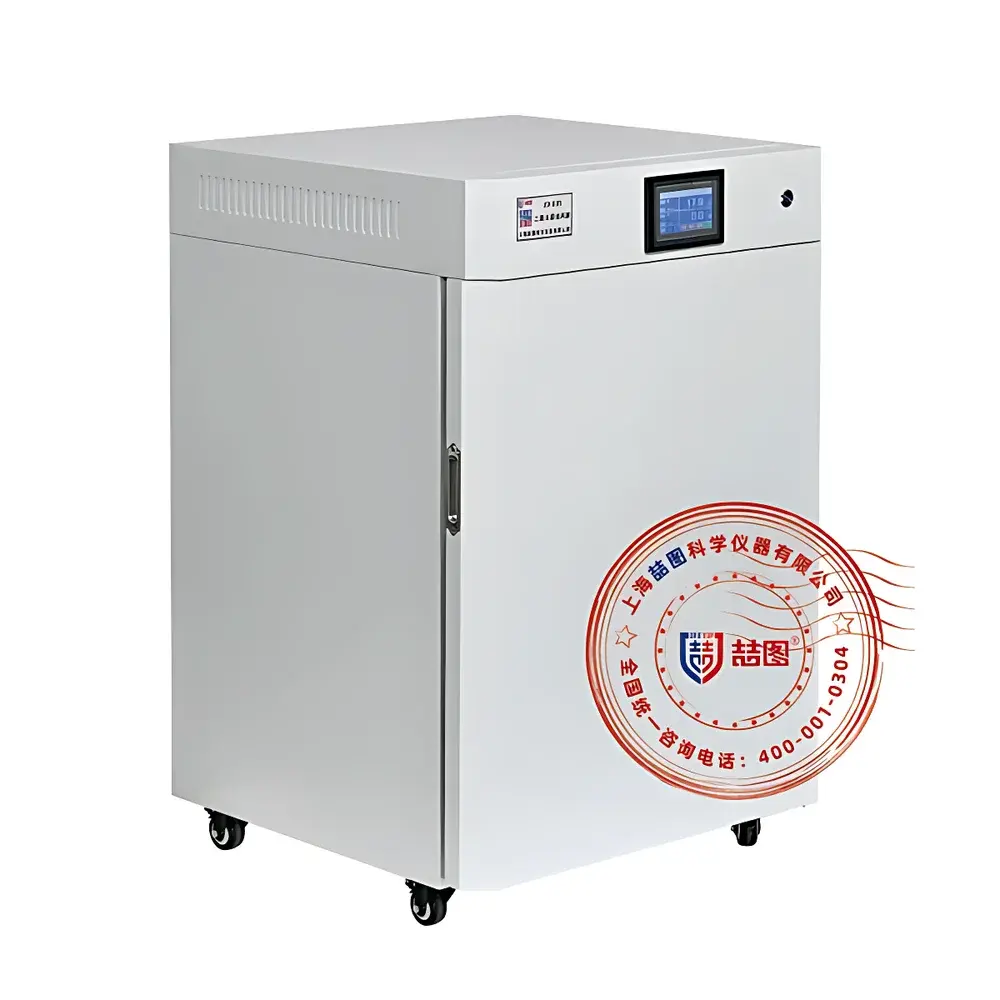
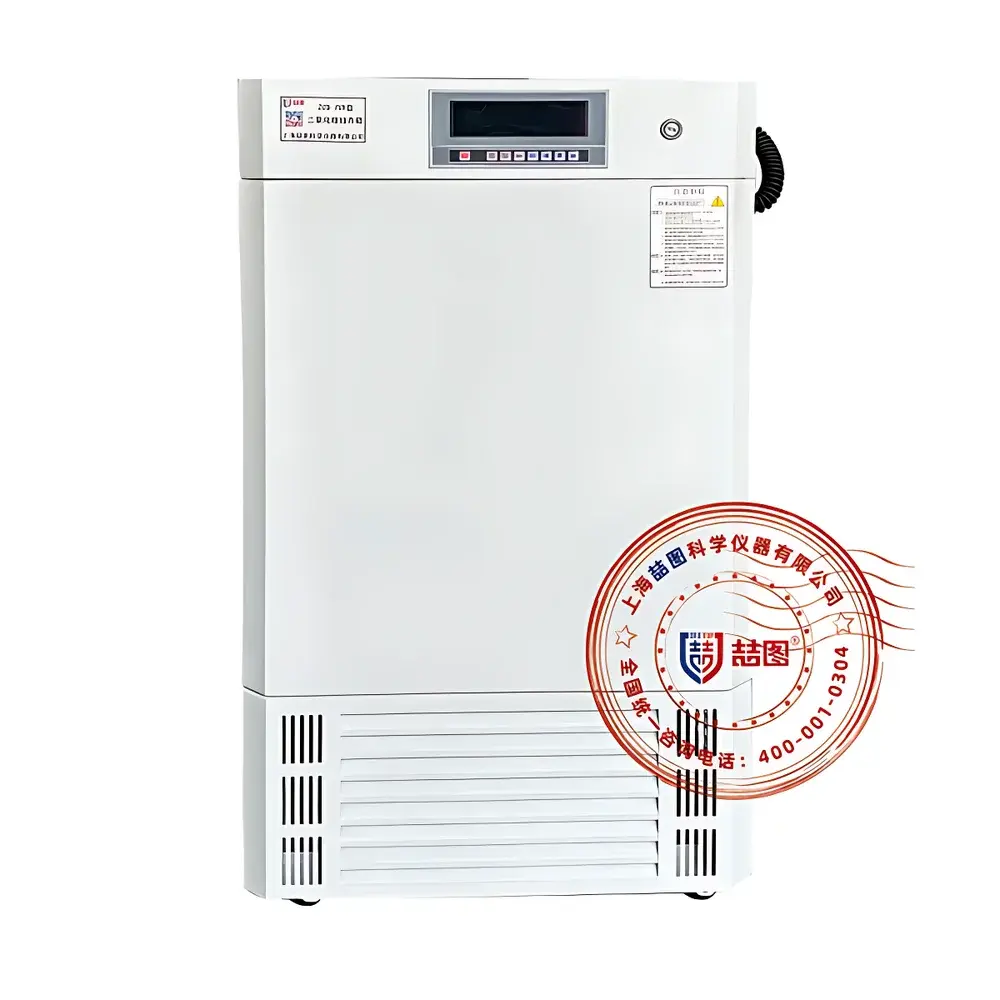
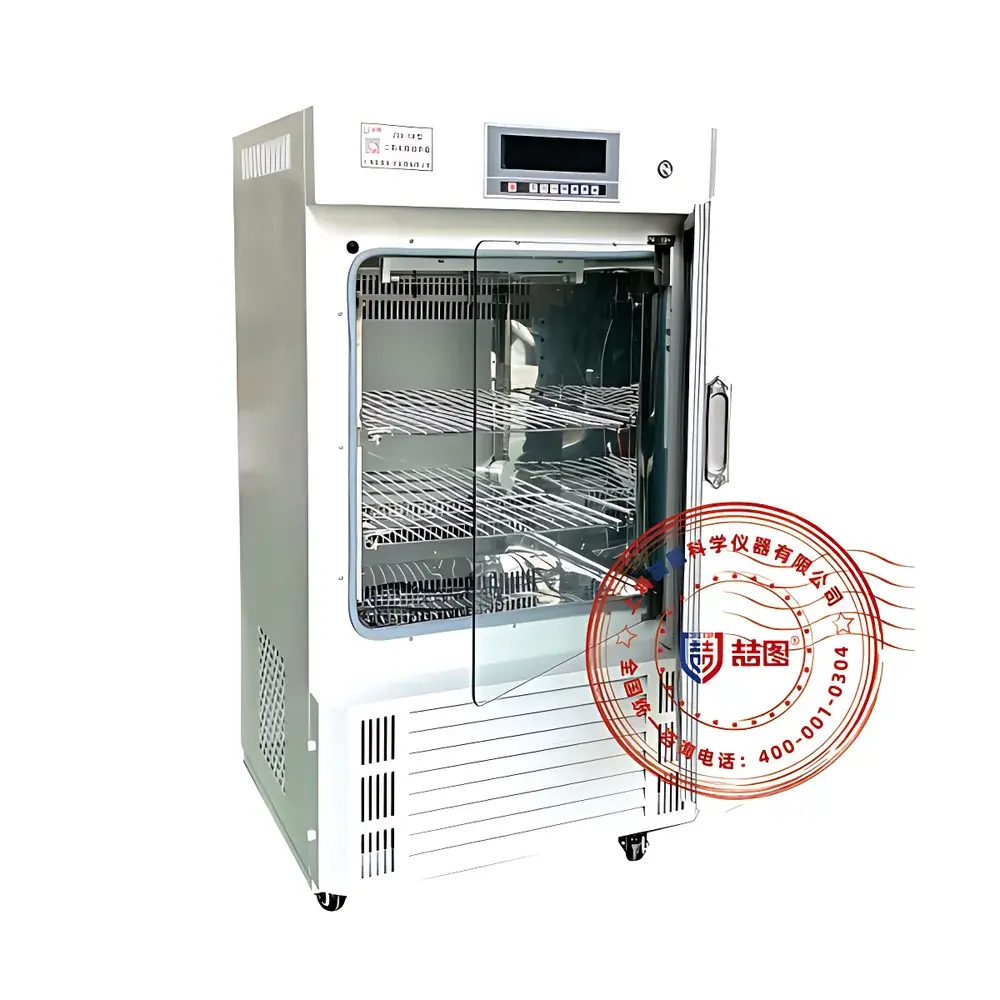
DRETOP ZCW-50 Water-Jacketed CO₂ Incubator
| Brand | DRETOP |
|---|---|
| Origin | Shanghai, China |
| Manufacturer Type | Direct Manufacturer |
| Instrument Type | Water-Jacketed CO₂ Incubator |
| CO₂ Detection | Infrared (IR) Sensor |
| Temperature Control Range & Accuracy | RT+5°C to 60°C, ±0.2°C uniformity |
| CO₂ Concentration Control Range & Accuracy | 0–20% vol, ±0.1% vol |
| Humidity Control | Natural evaporation, ≥95% RH (±3% RH) |
| Capacity | 50 L |
| External Dimensions (W×D×H) | 475 × 496 × 735 mm |
| Internal Dimensions (W×D×H) | 345 × 355 × 410 mm |
| Standard Configuration | UV Germicidal Lamp (Ozone-Free), Stainless Steel Reservoir-Type Humidity Pan, Heated Inner Glass Door, Water Level Monitoring System |
Overview
The DRETOP ZCW-50 is a precision-engineered water-jacketed CO₂ incubator designed for stable, contamination-controlled mammalian cell culture under physiologically relevant conditions. It maintains tightly regulated environmental parameters—temperature (RT+5°C to 60°C), CO₂ concentration (0–20% vol), and relative humidity (≥95% RH)—via independent feedback control loops grounded in fundamental thermal and gas mass-transfer principles. Unlike forced-air (air-jacketed) systems, the ZCW-50 employs a passive water jacket surrounding the inner chamber; heat is transferred via natural convection and radiant exchange, delivering exceptional thermal inertia and stability during power interruptions or frequent door openings. This architecture ensures minimal temperature fluctuation (±0.2°C uniformity) and rapid recovery—≤6 minutes to 37°C and ≤3 minutes to 5% CO₂ after a 30-second door opening—critical for sensitive applications including stem cell expansion, hybridoma culture, and IVF workflows.
Key Features
- Water-jacketed thermal design with integrated stainless-steel reservoir pan for high-capacity natural humidity generation and rapid post-door-opening RH recovery
- Infrared (IR) CO₂ sensor with zero-point auto-calibration, temperature compensation, and immunity to O₂ interference or catalyst poisoning—ensuring long-term measurement integrity without periodic recalibration
- Heated inner glass door with anti-condensation control to prevent microbial ingress via surface moisture accumulation
- Ozone-free UV germicidal lamp targeting airborne and aqueous-phase microorganisms in recirculated air and humidification reservoir
- Microprocessor-based controller with large backlit LCD interface, menu-driven navigation, and multiple timing modes (run timer, hold timer, humidity timer)
- Robust safety architecture: dual-limit temperature protection, low-water-level cutoff, door-open alarm, and power-failure memory retention
- Electropolished mirror-finish stainless steel interior with radius-corner geometry and removable shelf supports for seamless cleaning and ISO 14644-compliant maintenance
Sample Compatibility & Compliance
The ZCW-50 supports standard T-25, T-75, and multi-well plates, Petri dishes, and roller bottles within its 50 L working volume. Its sealed chamber and HEPA-filtered (≥99.998% @ 0.3 µm) intake airflow meet core biosafety requirements for non-pathogenic cell lines under CLSI M29-A3 and ISO 13485-aligned laboratory practices. While not certified to FDA 21 CFR Part 11 out-of-the-box, the system’s event-logged operational parameters—including temperature, CO₂, door status, and alarm triggers—support GLP/GMP documentation when paired with external audit-trail software. The unit complies with IEC 61010-1:2010 for electrical safety and EN 60335-1:2012 for household and similar equipment, adapted for laboratory use.
Software & Data Management
The embedded controller records time-stamped operational data (setpoints, actuals, alarms) to internal non-volatile memory with configurable retention (up to 30 days). Optional RS485 interface enables Modbus RTU communication for integration into centralized lab monitoring platforms (e.g., LabVantage, Siemens Desigo). No proprietary cloud service or subscription is required; raw log exports are compatible with CSV parsing for statistical process control (SPC) analysis per ASTM E2500-13. Firmware updates are performed via USB—no internet dependency—preserving network isolation in secure research environments.
Applications
This incubator is routinely deployed in academic and industrial life science settings for: primary and immortalized mammalian cell line maintenance; monoclonal antibody production via hybridoma culture; embryonic and induced pluripotent stem cell (iPSC) propagation; in vitro fertilization (IVF) embryo incubation; cytotoxicity and drug screening assays; tissue engineering scaffold seeding; and microbiological studies requiring CO₂-enriched anaerobic niches (e.g., Campylobacter jejuni). Its thermal stability makes it especially suitable for long-duration experiments (>72 h) where ambient HVAC fluctuations or intermittent utility supply may compromise air-jacketed alternatives.
FAQ
What distinguishes water-jacketed from air-jacketed CO₂ incubators?
Water-jacketed designs provide superior thermal mass and insulation, maintaining chamber temperature within specification for >4 hours during complete power loss—typically 3–5× longer than air-jacketed units. They are preferred in regions with unstable electricity or for critical overnight cultures.
Does the ZCW-50 support humidity monitoring or closed-loop RH control?
It delivers ≥95% RH via passive reservoir evaporation but does not include a built-in RH sensor or active humidification system. Humidity uniformity is validated at ±3% RH across the chamber per ISO 15184:2022 Annex B protocols.
Can the IR CO₂ sensor be calibrated in-house?
Yes—the controller provides user-accessible zero-point calibration using ambient air (0% CO₂ reference) and optional span calibration with certified 5% CO₂ gas, eliminating reliance on third-party service for routine verification.
Is the UV lamp programmable or manually operated?
UV irradiation is manually initiated via front-panel keypress and automatically deactivates after 30 minutes to prevent quartz sleeve degradation and ozone buildup—consistent with IEC 62471 photobiological safety guidelines.
What maintenance intervals are recommended for the water jacket?
Distilled water must be refilled weekly; full drainage, descaling (with 5% citric acid), and inspection of water-level probes are required every 3 months to prevent mineral deposition and ensure sensor reliability.



