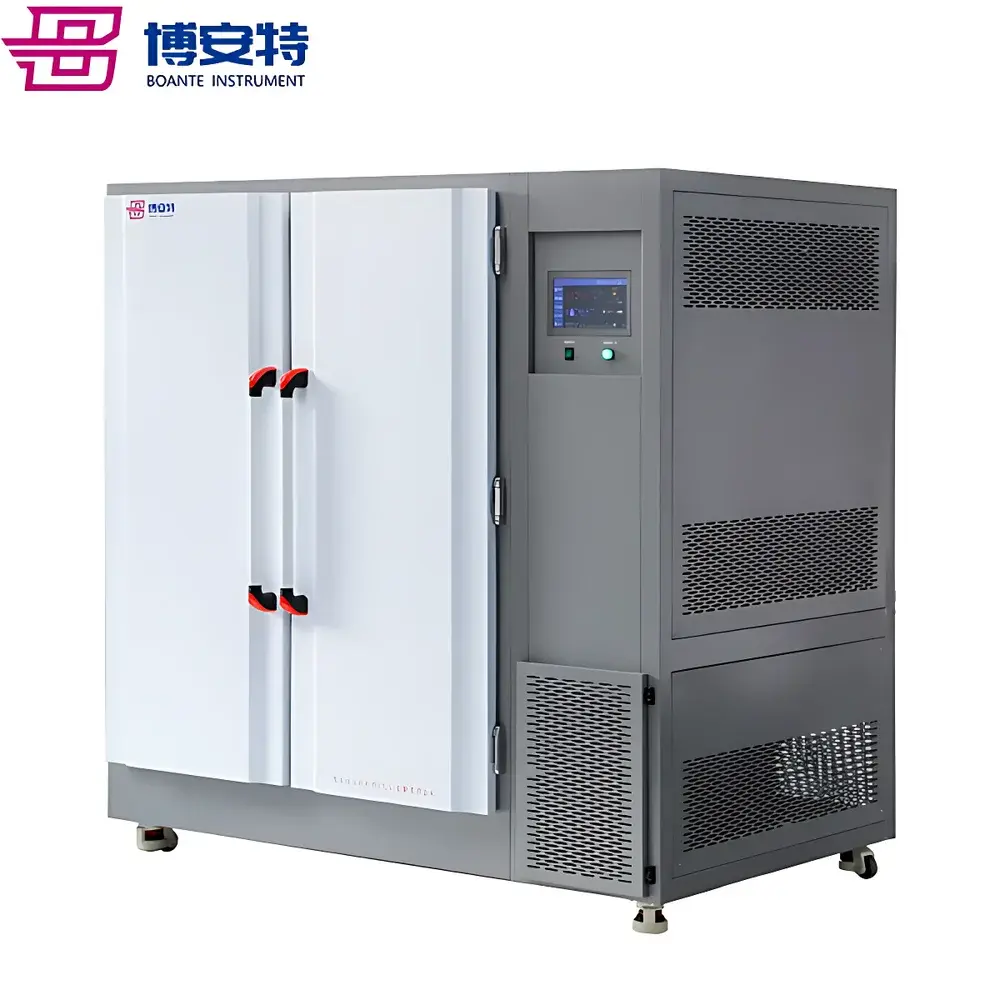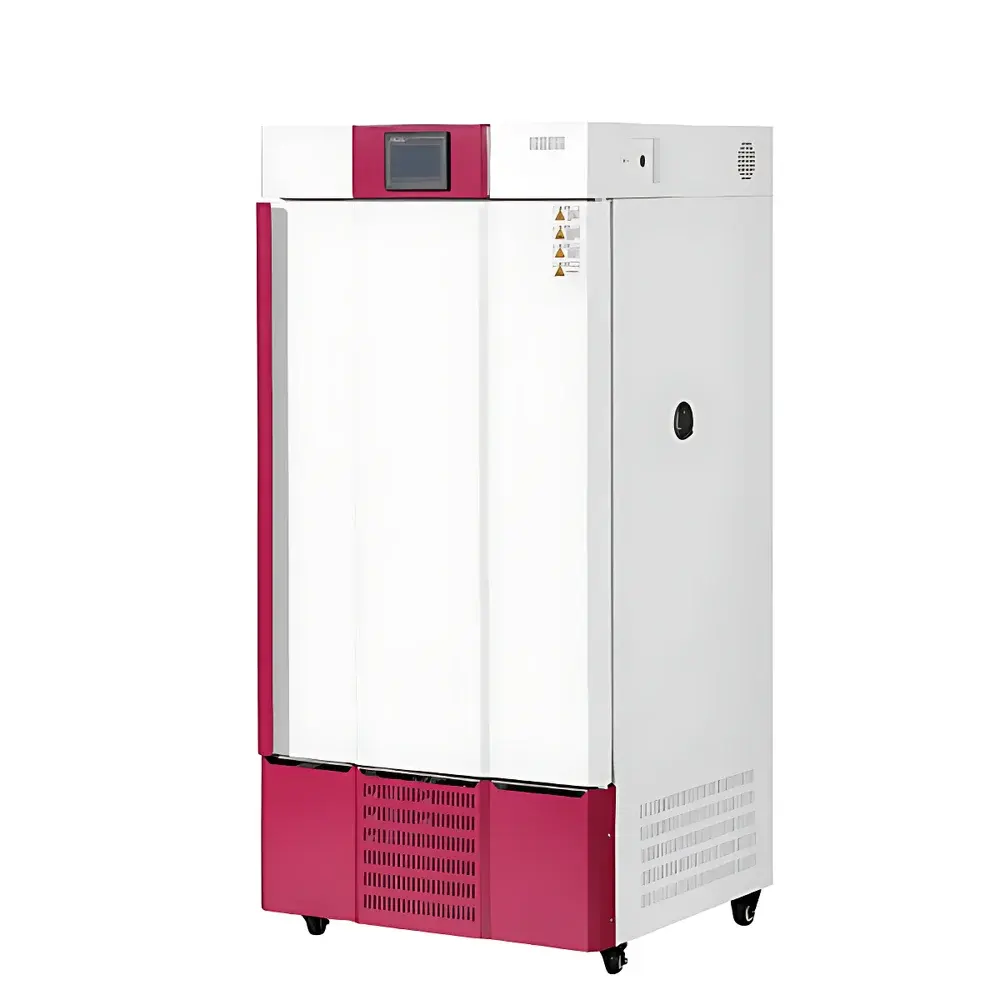
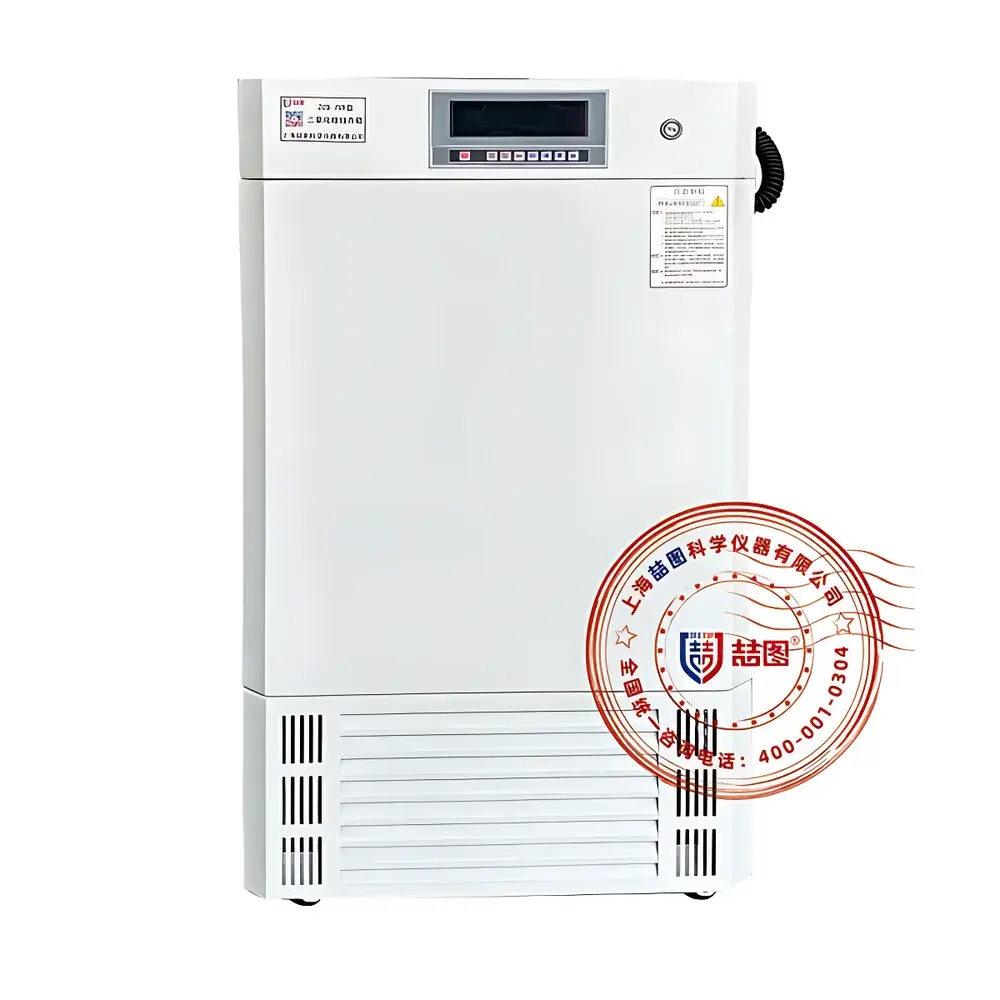
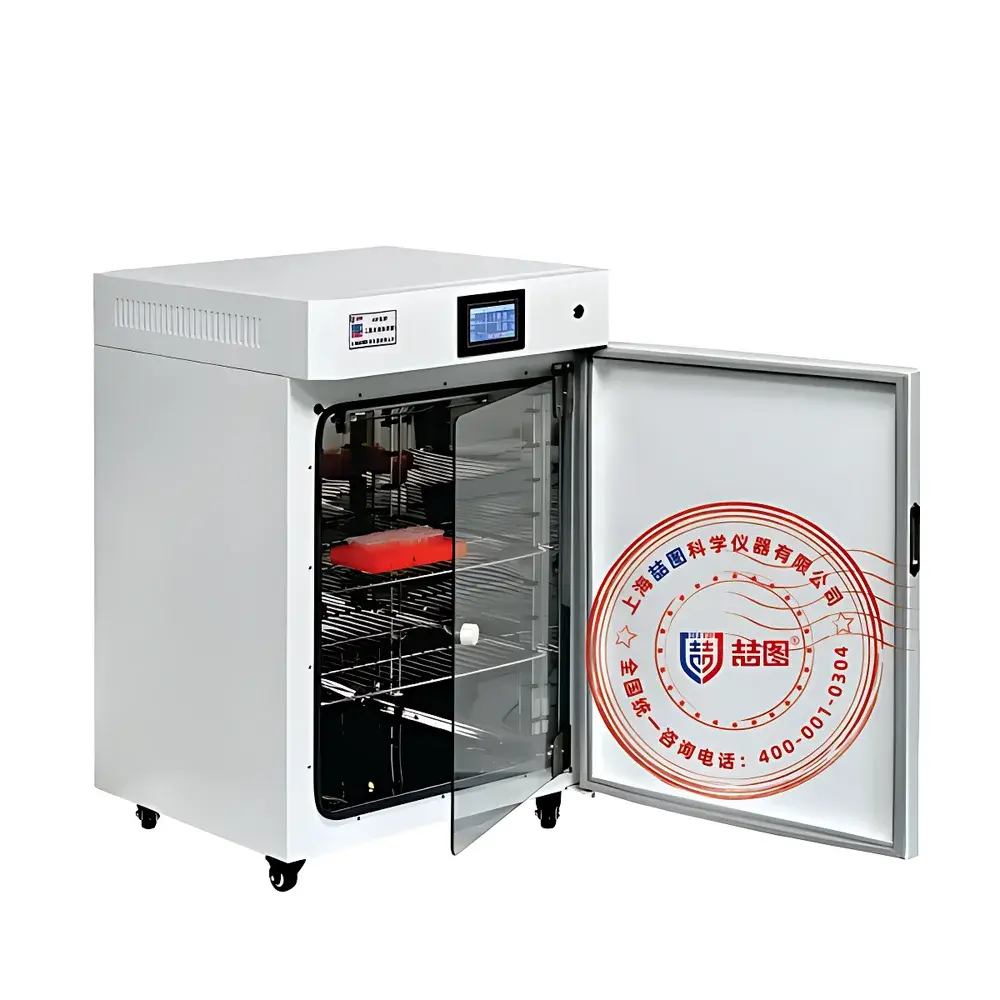
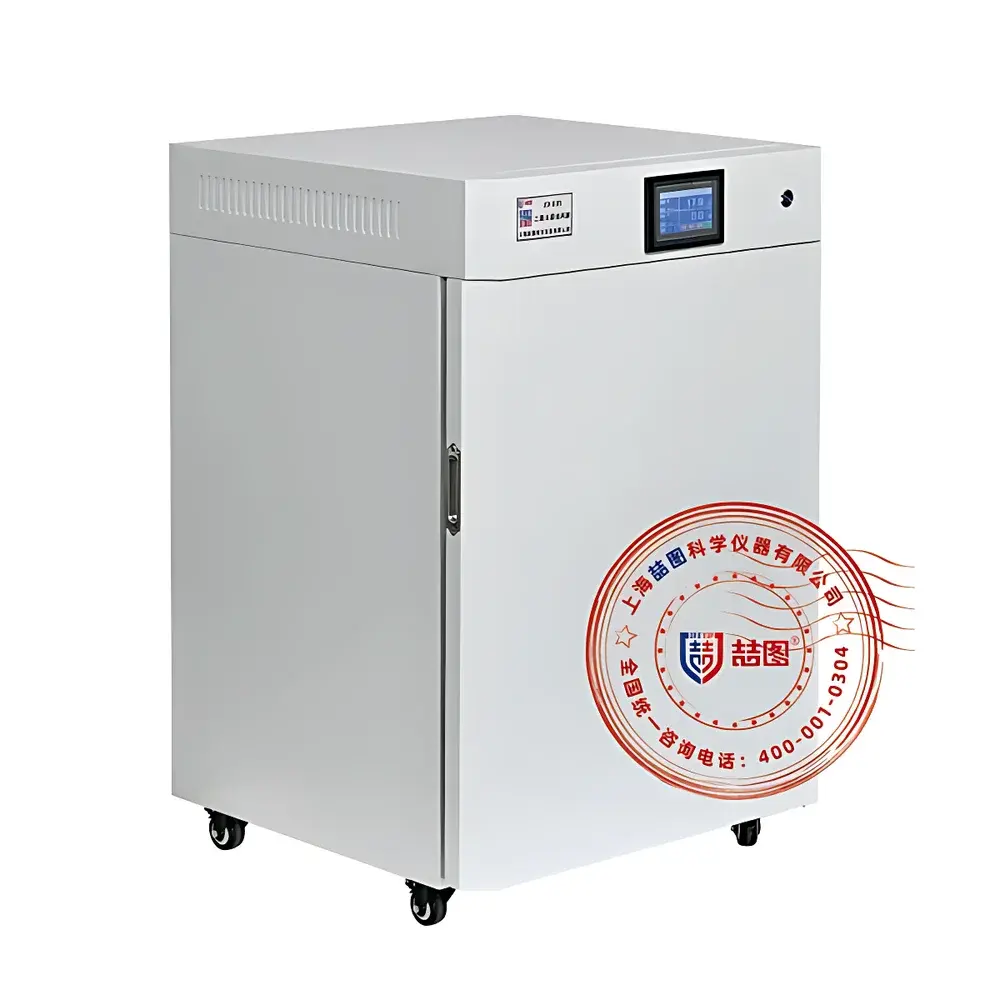
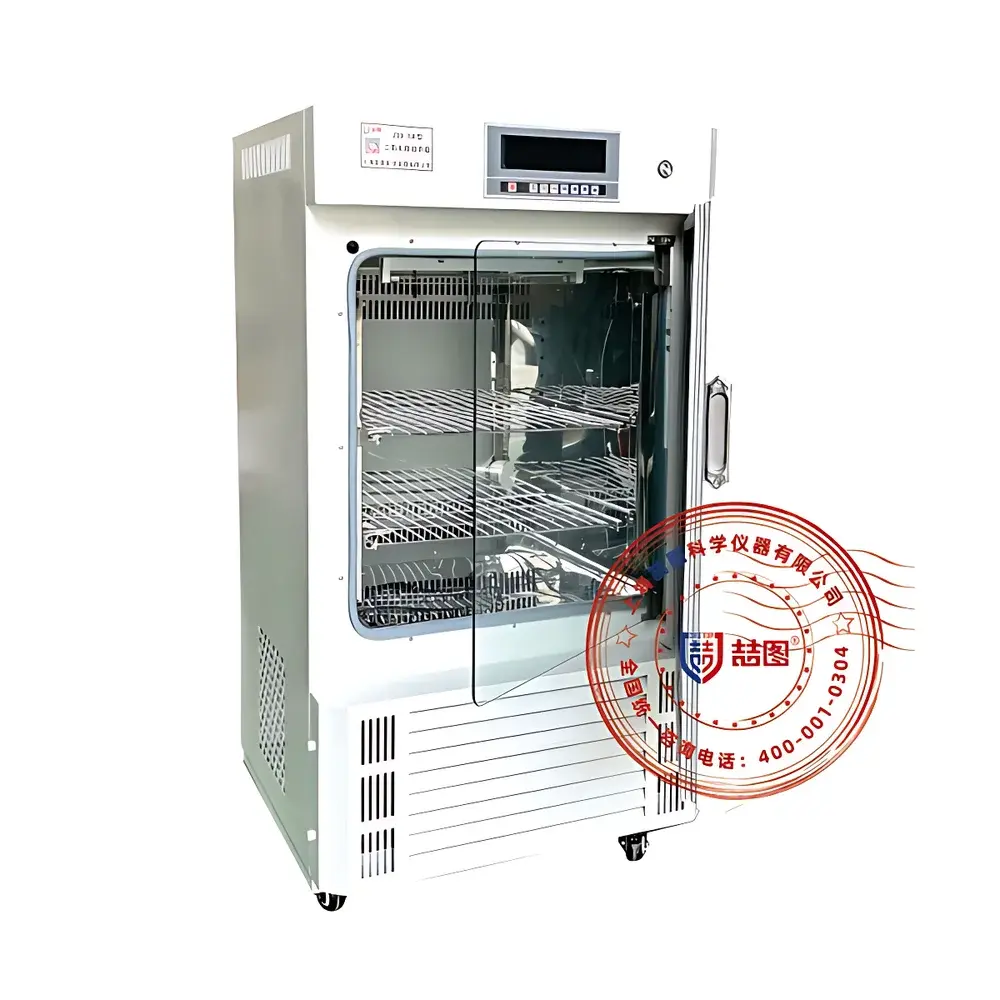
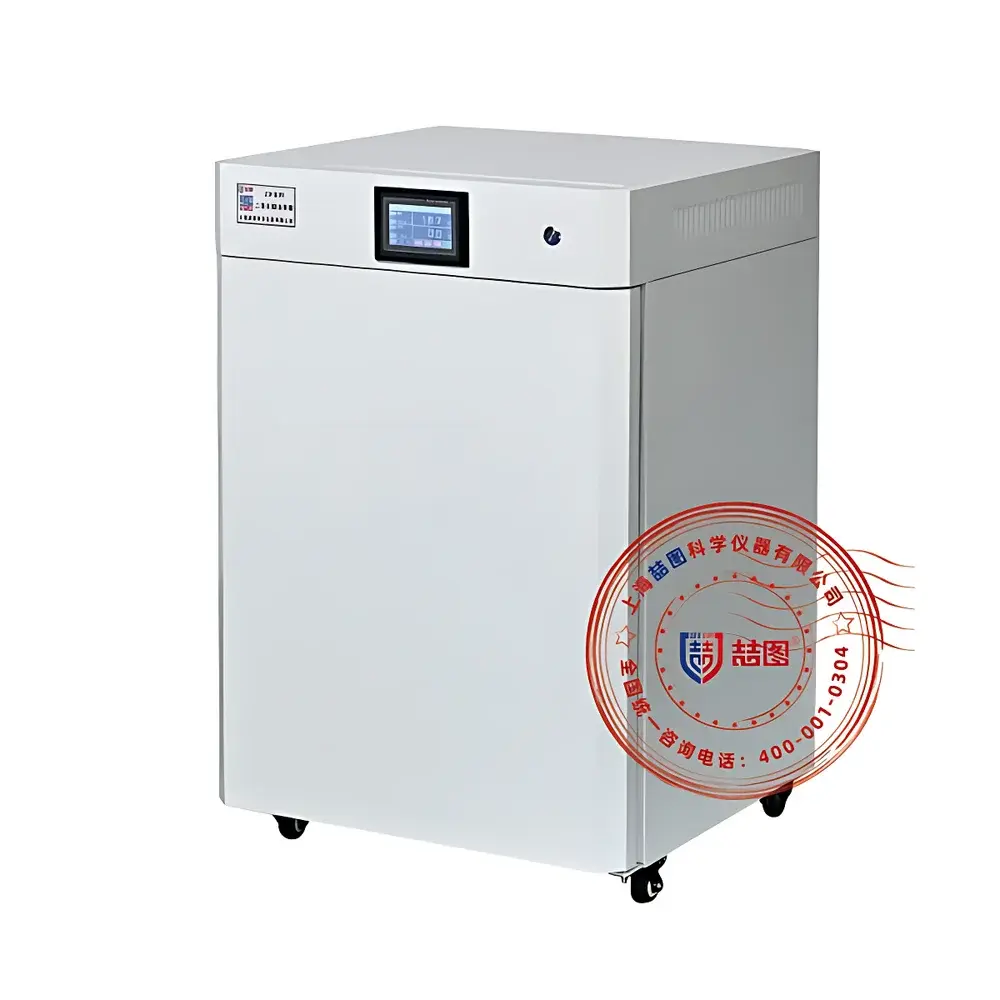
DRETOP ZCW-80T Water-Jacketed CO₂ Incubator
| Brand | DRETOP |
|---|---|
| Origin | Shanghai, China |
| Manufacturer Type | Direct Manufacturer |
| Instrument Type | Water-Jacketed CO₂ Incubator |
| CO₂ Detection | Infrared (IR) Sensor |
| Temperature Control Range & Accuracy | RT+5°C to 60°C |
| Temperature Uniformity | ±0.2°C |
| CO₂ Concentration Range & Accuracy | 0–20% vol, ±0.1% vol |
| Humidity Control | 95% RH ±3% RH |
| Chamber Capacity | 80 L |
| External Dimensions (W×D×H) | 530 × 505 × 785 mm |
| Standard Configuration | UV Germicidal Lamp |
Overview
The DRETOP ZCW-80T is a precision-engineered water-jacketed CO₂ incubator designed for stable, contamination-controlled cell and tissue culture under physiologically relevant conditions. It maintains tightly regulated environmental parameters—temperature (typically 37°C), CO₂ concentration (commonly 5% v/v), and high relative humidity (≥95% RH)—to replicate the in vivo microenvironment essential for mammalian cell proliferation, hybridoma antibody production, stem cell expansion, IVF procedures, and toxicology assays. Unlike forced-air (air-jacketed) systems, the ZCW-80T employs a thermally buffered water jacket surrounding the inner chamber, leveraging water’s high specific heat capacity to deliver exceptional thermal stability and prolonged temperature retention during power interruptions—a critical advantage in regions with unreliable grid infrastructure or for long-term unattended experiments.
Key Features
- Water-Jacketed Thermal Architecture: A sealed outer water reservoir encloses the stainless-steel inner chamber, enabling passive, uniform heat distribution via natural convection and radiant transfer. This design ensures ±0.2°C temperature uniformity and minimizes thermal gradients across the working volume.
- Infrared CO₂ Sensing: Non-dispersive infrared (NDIR) sensor provides continuous, oxygen-independent CO₂ monitoring with ±0.1% vol accuracy. The system features automatic zero-point calibration, temperature compensation, and immunity to catalytic poisoning—ensuring long-term drift-free operation without routine recalibration.
- Rapid Environmental Recovery: Following a 30-second door opening event, the incubator restores 37°C within ≤6 minutes and re-establishes 5% CO₂ concentration within ≤3 minutes—critical for minimizing culture stress during routine handling.
- Humidity Management System: Reservoir-based natural evaporation delivers sustained 95% RH ±3% RH. The large-surface-area water pan and optimized chamber geometry accelerate humidity recovery post-door opening, reducing condensation-related contamination risks.
- Contamination Mitigation: Integrated 254 nm UV-C germicidal lamp sterilizes recirculated air and water vapor; optional 90°C moist-heat decontamination cycle eliminates bacterial endospores on interior surfaces. Dual-pane heated glass door prevents condensation and associated microbial ingress.
- Robust Construction: Mirror-finish 304 stainless-steel interior with seamless, radius-cornered welds facilitates cleaning and inhibits biofilm formation. Ceramic fiber insulation and leak-tested gasketing ensure thermal integrity and CO₂ retention efficiency.
Sample Compatibility & Compliance
The ZCW-80T supports standard T-flasks, Petri dishes, multi-well plates, roller bottles, and bioreactor vessels up to 80 L total chamber volume. Its design complies with fundamental requirements of ISO 13485 (medical device quality management) and aligns with Good Laboratory Practice (GLP) principles for documented environmental control. While not pre-certified to FDA 21 CFR Part 11, the instrument’s data logging capabilities (via optional RS485 interface) support audit-trail implementation when integrated into validated laboratory information management systems (LIMS). UV sterilization and HEPA-filtered air intake (≥99.998% efficiency at 0.3 µm) meet common biosafety Level 1/2 containment expectations per WHO and CDC guidelines.
Software & Data Management
Equipped with an intuitive LCD interface, the ZCW-80T offers programmable operation modes—including constant-setpoint, day/night cycling, and multi-step timed protocols—for temperature, CO₂, and humidity. Real-time parameter display includes current values, setpoints, elapsed run time, and alarm status. Optional RS485 serial output enables integration with SCADA platforms or custom Python/MATLAB scripts for automated data capture. All configuration changes are timestamped, and the system retains user-defined settings after power loss (non-volatile memory). For regulated environments, third-party validation packages—including IQ/OQ documentation templates and sensor calibration certificates—are available upon request.
Applications
This incubator serves core workflows in academic research, biopharmaceutical development, and clinical diagnostics laboratories. Key use cases include: maintenance of adherent and suspension mammalian cell lines (e.g., HeLa, CHO, HEK293); monoclonal antibody production via hybridoma culture; human embryonic and induced pluripotent stem cell (iPSC) expansion; in vitro fertilization (IVF) embryo culture; 3D organoid development; cytotoxicity and drug screening assays; and microbiological studies requiring precise CO₂-dependent growth (e.g., Campylobacter, Helicobacter). Its thermal resilience makes it especially suitable for resource-constrained facilities where electrical continuity cannot be guaranteed.
FAQ
What distinguishes water-jacketed from air-jacketed CO₂ incubators?
Water-jacketed models use a surrounding water bath for thermal mass, providing superior temperature stability and extended hold time during outages—ideal for overnight or weekend runs. Air-jacketed units respond faster to setpoint changes but exhibit greater thermal fluctuation under dynamic load conditions.
Is the IR CO₂ sensor affected by humidity or temperature fluctuations?
No—the NDIR sensor incorporates real-time temperature and pressure compensation algorithms, ensuring consistent measurement accuracy regardless of chamber humidity or ambient temperature shifts.
How often does the water jacket require maintenance?
The reservoir should be drained, cleaned, and refilled with distilled water every 3–6 months to prevent mineral buildup and microbial growth. Automatic low-water-level detection triggers audible/visual alarms and disables heating to prevent dry-run damage.
Can the UV lamp operate while samples are inside?
UV irradiation is intended for decontamination cycles only and must be performed with the chamber empty. Interlock mechanisms prevent UV activation when the door is open or when internal sensors detect presence of personnel.
Does the unit support GLP-compliant data archiving?
With the optional RS485 module and compatible software, users can export timestamped logs of temperature, CO₂, and humidity at configurable intervals (e.g., every 60 seconds), fulfilling raw-data retention requirements for GLP audits.