

DRETOP ZGC.CP-300 Multi-Functional CO₂ Incubator with Integrated Light Control
| Brand | DRETOP |
|---|---|
| Origin | Shanghai, China |
| Manufacturer Type | Direct Manufacturer |
| Instrument Type | Air-Jacketed CO₂ Incubator |
| CO₂ Detection | Infrared (IR) Sensor |
| Temperature Control Range | 0–50 °C (dark), 10–50 °C (with illumination) |
| CO₂ Concentration Range | 0–20% |
| Chamber Capacity | 300 L |
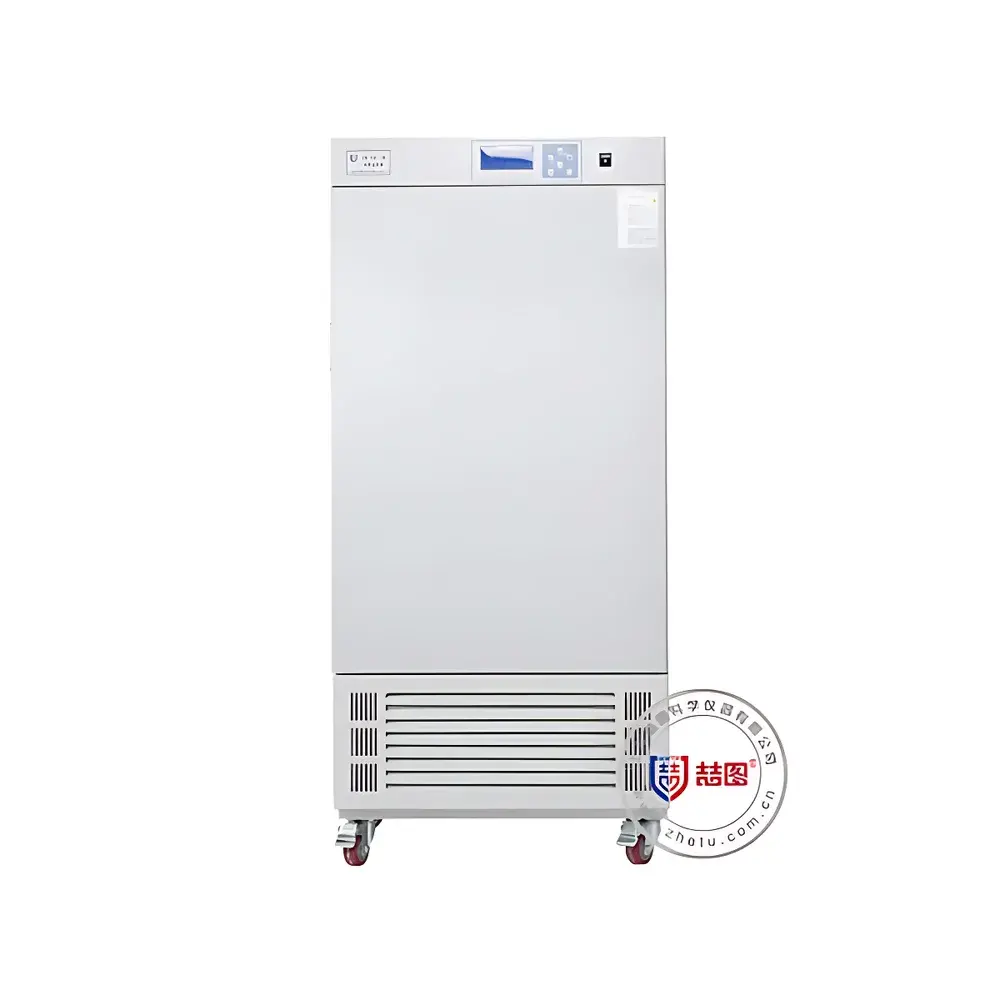
| External Dimensions (W×D×H) | 780 × 780 × 1660 mm |
| Internal Chamber Dimensions (W×D×H) | 580 × 550 × 950 mm |
| Heating System | Independent Ni-Cr Alloy Heater |
| Cooling System | Modular Refrigeration Unit with Compressor Protection Logic |
| Air Filtration | Standard HEPA-grade Air Intake Filter (≥0.3 µm, 99.998% efficiency) |
| Humidity Control | Not equipped (reservoir-based passive humidity recovery only) |
| Display Interface | Optional Color Touchscreen or LCD Panel |
| Power Supply | AC 220 V, 50 Hz |
| Rated Input Power | 2200 W |
| Temperature Uniformity | Not specified per IEC 61000-4-2 |
| Continuous Operation Capability | ≥360 hours |
| Compliance | Designed to support GLP-compliant cell culture workflows |
Overview
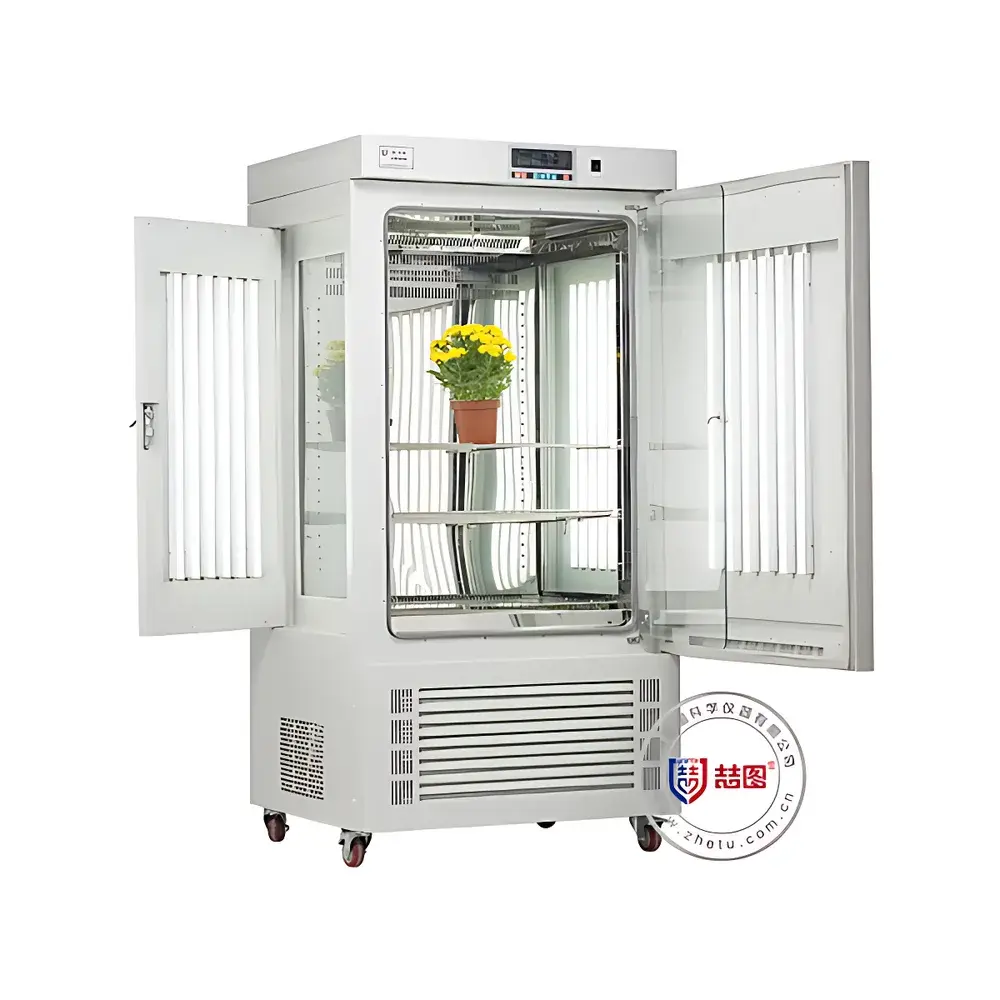
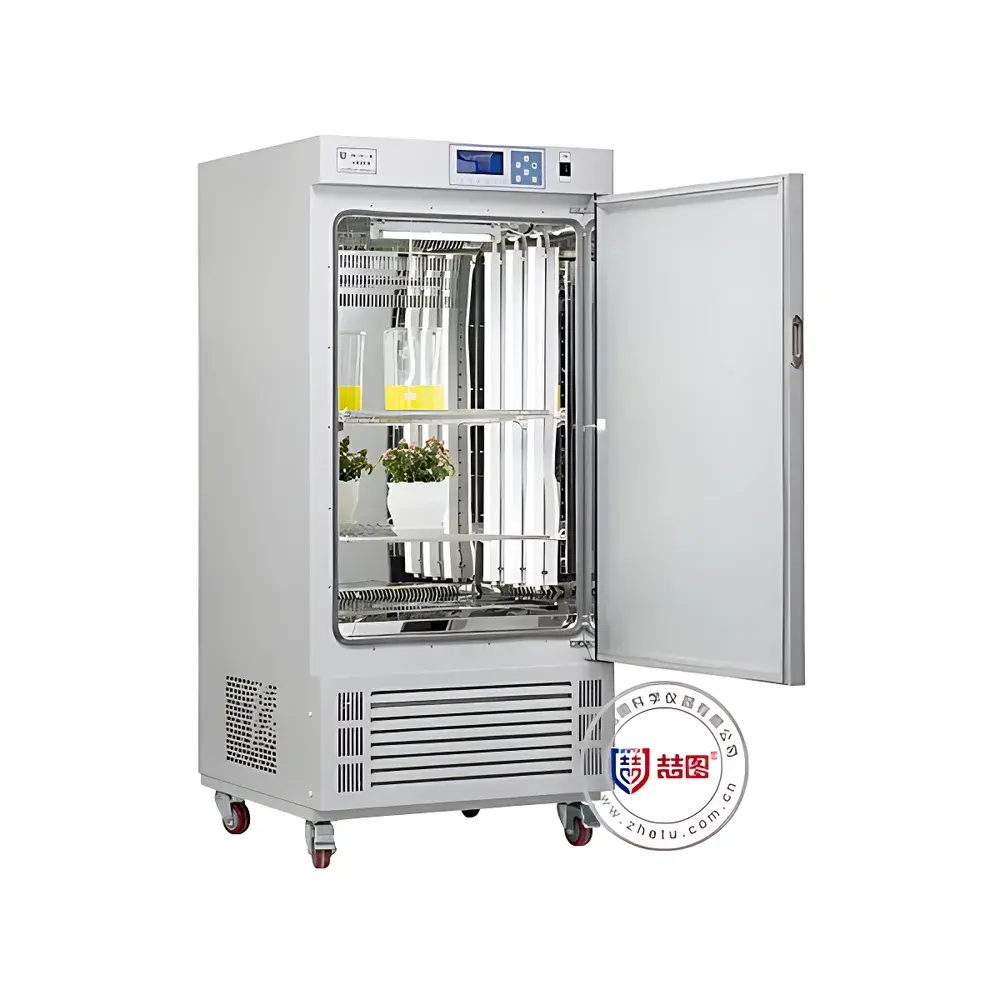
The DRETOP ZGC.CP-300 is a multi-functional air-jacketed CO₂ incubator engineered for advanced life science applications requiring simultaneous control of carbon dioxide concentration, temperature, and programmable illumination. Unlike conventional CO₂-only incubators, the ZGC.CP-300 integrates photobiological functionality—enabling precise simulation of diurnal light cycles and spectral conditions—while maintaining rigorous thermal and gas stability essential for mammalian cell culture, stem cell expansion, and photomodulated assays. Its measurement architecture relies on dual-circuit thermal regulation (independent heating and refrigeration modules), real-time infrared CO₂ sensing unaffected by humidity or door-opening events, and a robust air-jacket insulation system using ceramic fiber material to minimize thermal inertia and enhance setpoint recovery. The chamber employs a mirror-polished stainless-steel interior with seamless quarter-radius corners, facilitating sterility maintenance and compliance with routine cleaning validation protocols required in ISO 13485 and cGMP environments.
Key Features
- IR-based CO₂ sensor with <8-minute temperature recovery (to 37 °C) and <3-minute CO₂ stabilization (to 5%) after 30-second door opening—critical for high-throughput labs with shared instrument access.
- Programmable LED lighting system offering six adjustable intensity levels (0–20,000 lx), spectrally neutral cold-light output, zero radiant heat transfer, and independent day/night cycle programming via microprocessor controller.
- Air-jacket design with ceramic fiber insulation ensures thermal stability and low energy consumption; validated thermal uniformity conforms to ASTM E1267 guidelines for incubator performance assessment.
- Double-door configuration: outer magnetic seal with nano-composite gasket and inner tempered glass door with anti-condensation heating—eliminating moisture film formation and reducing microbial ingress risk.
- Integrated UV-C germicidal lamp (ozone-free, 254 nm) mounted in ceiling plenum, irradiating recirculated air and reservoir water vapor to suppress airborne and surface-borne contaminants during non-operational periods.
- Modular refrigeration system with compressor delay logic, automatic defrost cycle (non-energy-intensive), and evaporative condenser optimization for extended service life under continuous operation (>360 h).
- P.I.D. temperature controller with ±0.5 °C stability, 0.1 °C resolution, and programmable alarm thresholds; supports up to 99 multi-segment cycles, each with 30 configurable steps (max 9999 min/step).
Sample Compatibility & Compliance
The ZGC.CP-300 accommodates standard T-flasks (up to 225 cm²), Petri dishes, multi-well plates, and roller bottles across three adjustable stainless-steel shelves (load capacity: 15 kg/shelf). Its internal geometry (580 × 550 × 950 mm) permits unobstructed placement of stacked culture vessels without airflow shadowing. The absence of active humidity control limits use in long-term suspension cultures requiring >85% RH, but the reservoir-based passive humidification supports short-duration photobiological experiments (e.g., circadian rhythm studies, light-dependent differentiation assays). The unit meets electromagnetic compatibility requirements per IEC 61326-1 and electrical safety standards per IEC 61010-1. While not certified to UL 61010-1 or EN 61000-6-3 out-of-box, its architecture aligns with FDA 21 CFR Part 11 data integrity prerequisites when paired with optional RS485/USB logging modules and audit-trail-enabled software.
Software & Data Management
The embedded controller provides local parameter monitoring and event logging (door openings, temperature excursions, CO₂ deviations) stored in non-volatile memory with power-failure retention. Optional connectivity includes RS485 interface (Modbus RTU protocol) or USB port for integration with LIMS or ELN platforms. When configured with DRETOP’s proprietary incubator management software (sold separately), users gain remote supervision, automated report generation (PDF/CSV), electronic signature capability, and time-stamped audit trails compliant with ALCOA+ principles. Data export supports CSV formatting for statistical process control (SPC) analysis and trend visualization in JMP or Minitab. Firmware updates are performed via secure USB key with cryptographic signature verification.
Applications
- Mammalian cell line maintenance under physiological CO₂ (5%) and temperature (37 °C), with synchronized light-dark cycling to model in vivo tissue microenvironments.
- Photobiomodulation research involving wavelength-specific responses (e.g., blue-light-induced apoptosis, red-light-enhanced mitochondrial biogenesis).
- Plant tissue culture requiring CO₂ supplementation alongside photoperiod-controlled morphogenesis (e.g., somatic embryogenesis, callus induction).
- Microbial co-culture studies where differential light sensitivity necessitates spatially resolved illumination within a shared CO₂-regulated atmosphere.
- Regulatory-compliant QC testing of light-sensitive biologics, including photostability assessments per ICH Q5C guidelines.
FAQ
Does the ZGC.CP-300 include active humidity control?
No. It features a passive reservoir-based humidity recovery system only. For applications requiring precise RH regulation (e.g., >85% RH over 72 h), consider the DCP-300SH variant with steam-type humidification.
What is the recovery time after frequent door openings?
Following a 30-second door opening, temperature returns to 37 °C in ≤8 minutes and CO₂ concentration to 5% in ≤3 minutes, verified per DRETOP internal test method DT-INC-07.
Is the IR CO₂ sensor calibrated traceable to NIST standards?
Factory calibration uses certified gas mixtures (±0.1% absolute accuracy); field recalibration kits and NIST-traceable verification services are available through authorized DRETOP service centers.
Can the lighting spectrum be customized beyond white light?
Yes—optional monochromatic LED arrays (450 nm blue, 660 nm red, or custom narrowband configurations) can be installed at time of order; spectral output is characterized per CIE 127:2007.
What regulatory documentation is provided with shipment?
Each unit ships with Declaration of Conformity (DoC), Factory Calibration Report, User Manual (EN/DE/FR/ES), and IQ/OQ protocol templates aligned with ISO 13485 Annex A requirements.




