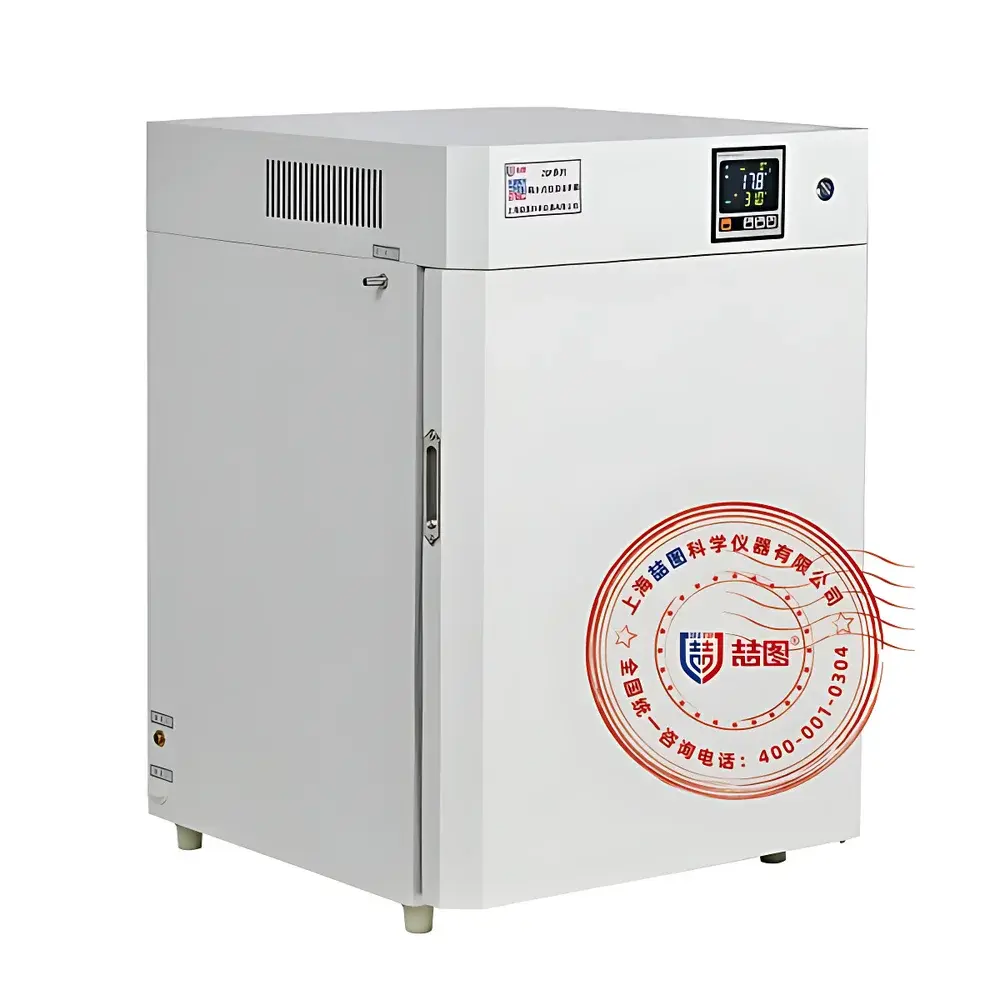
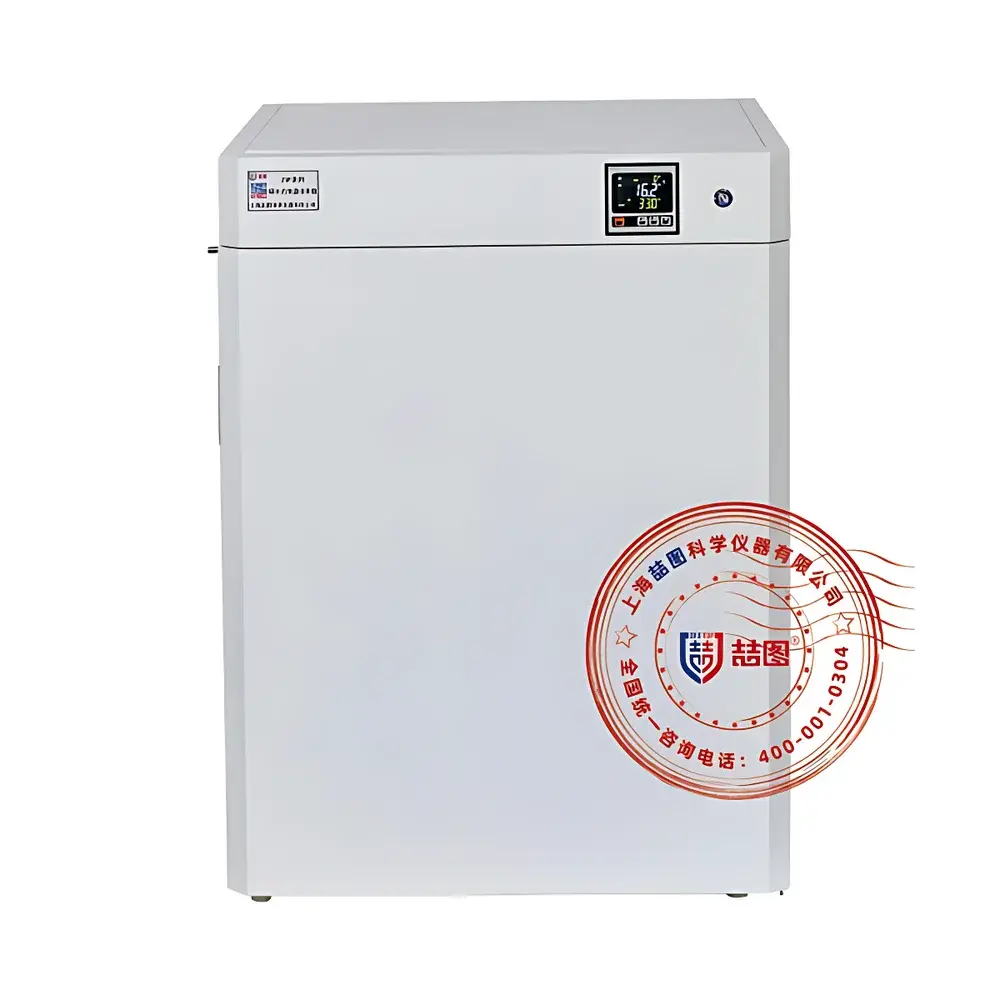
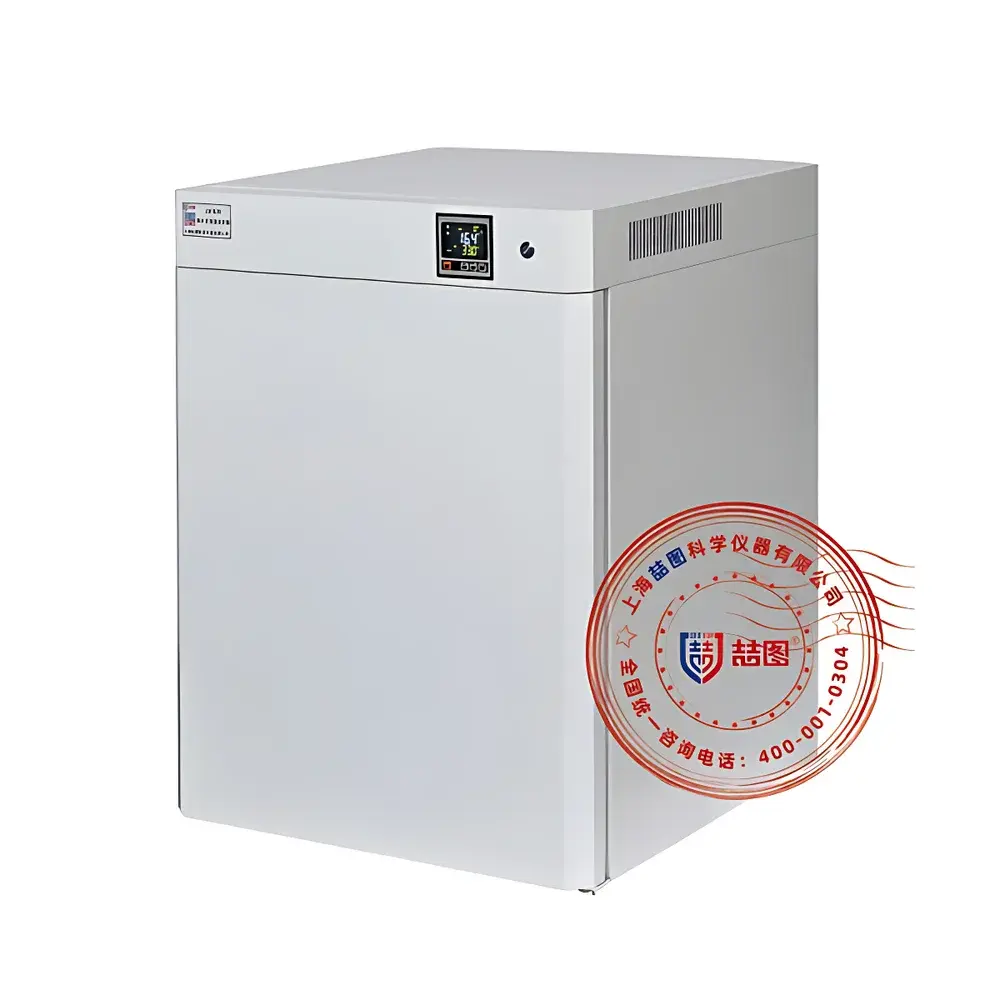
DRETOP ZGP-9050 Water-Jacketed Constant Temperature Incubator
| Brand | DRETOP |
|---|---|
| Origin | Shanghai, China |
| Manufacturer Type | Direct Manufacturer |
| Model | ZGP-9050 |
| Control Method | Digital PID Temperature Control |
| Temperature Range | RT+2°C to 65°C |
| Temperature Control Accuracy | ±0.1°C |
| Temperature Uniformity | ±0.5°C (empty chamber @ 37°C) |
| Temperature Fluctuation | ±0.2°C |
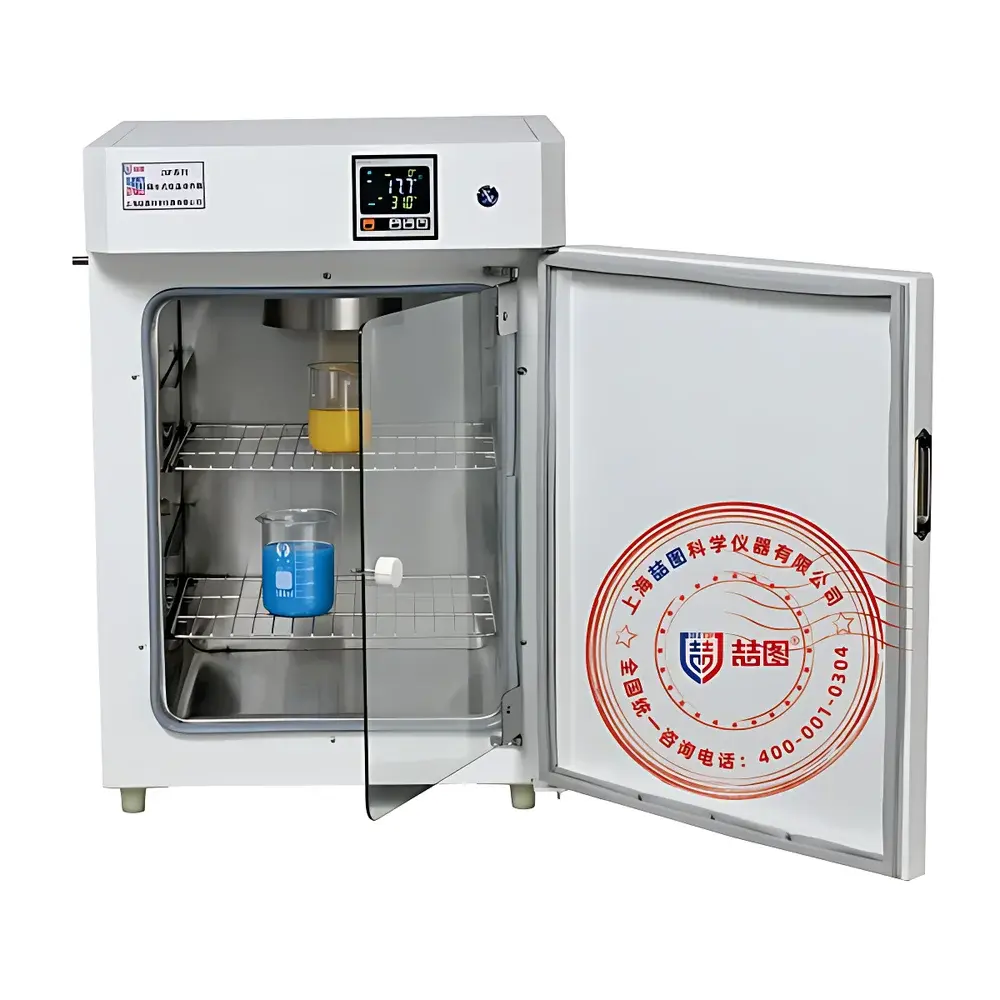
| Chamber Capacity | 50 L |
| External Dimensions (W×D×H) | 527 × 515 × 705 mm |
| Power Input | 450 W |
| Heating Method | Water-Jacketed (Electrically Heated Water Jacket) |
| Display | Large LCD Panel with Multi-Parameter Readout |
| Safety Features | Over-Temperature Alarm, Power-Fail Data Retention, Auto-Recovery Function |
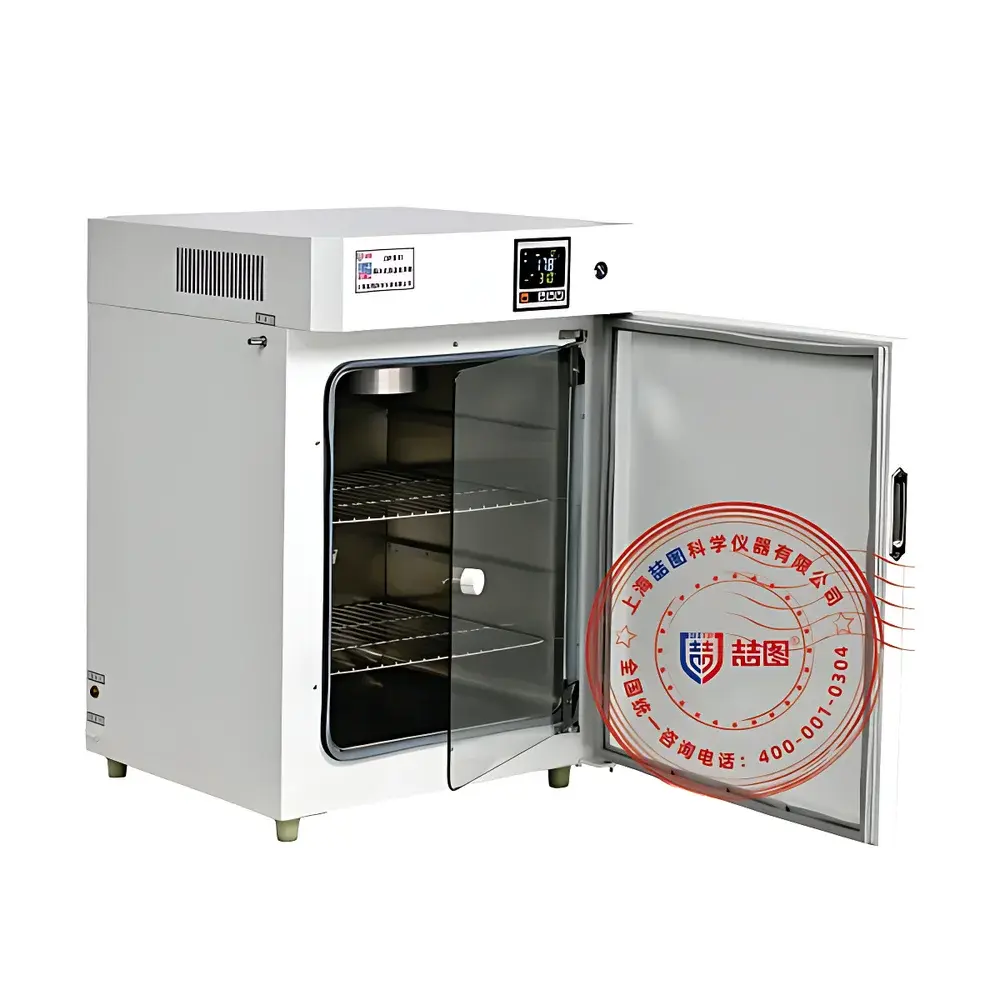
| Construction | Stainless Steel Interior, Electrostatic Powder-Coated Exterior, Double-Glazed Observation Window with Magnetic Seal |
| Water Jacket | Integrated Overflow Protection, Fill/Drain Ports, Thermal Inertia for Extended Hold Time During Power Interruption |
Overview
The DRETOP ZGP-9050 Water-Jacketed Constant Temperature Incubator is an engineered solution for laboratories requiring high-stability thermal environments in microbiological culture, cell propagation, enzymatic assays, and long-duration incubation protocols. Unlike forced-air incubators, this model employs a water-jacketed heating architecture—where a sealed outer chamber circulates thermally buffered water around the inner stainless steel working chamber. This design leverages water’s high specific heat capacity and low thermal conductivity to deliver exceptional temperature stability and minimal spatial gradients. The system operates within a controlled range of RT+2°C to 65°C, with a typical temperature fluctuation of ±0.2°C and uniformity of ±0.5°C at 37°C (measured per ISO 15189–aligned internal validation protocols). Its 50 L working volume accommodates standard Petri dishes, multi-well plates, flasks, and test tubes—optimized for routine use in clinical microbiology labs, pharmaceutical QC units, and academic life science research facilities.
Key Features
- Water-jacketed thermal management system with electrically heated water reservoir and integrated overflow safety valve—ensures consistent thermal inertia and extended hold time (>90 min) during unexpected power loss.
- Digital PID temperature controller with 0.1°C resolution and real-time display of setpoint, actual chamber temperature, and elapsed time on a large backlit LCD interface.
- Stainless steel interior (304 grade) with removable, height-adjustable shelves; smooth, crevice-free corners and fully welded seams facilitate autoclave-compatible cleaning and validated decontamination cycles.
- Dual-pane observation window: inner layer of tempered glass, outer magnetic gasket seal—minimizing radiant heat loss while maintaining visual access without door opening.
- Optimized air circulation via a low-turbulence rear-mounted fan and baffle-guided convection path—designed to avoid direct airflow onto delicate cultures or agar surfaces.
- Embedded safety logic includes programmable over-temperature cutoff, automatic alarm activation (audible + visual), parameter memory retention, and cold-start recovery without manual reconfiguration.
Sample Compatibility & Compliance
The ZGP-9050 supports a broad spectrum of biological sample formats—including aerobic/anaerobic bacterial cultures (e.g., E. coli, S. aureus), fungal isolates, mammalian cell monolayers (HEK293, CHO-K1), and enzymatic reaction mixtures. Its stable thermal profile meets foundational requirements for CLSI M22-A3, ISO 8570 (microbiological incubator performance), and USP <1117> environmental control guidelines. While not inherently certified to IEC 61010-1 or FDA 21 CFR Part 11, the unit’s hardware architecture (non-volatile memory, deterministic alarm triggers, physical key-lock option) supports integration into GLP/GMP workflows when paired with validated SOPs and external audit-trail logging systems.
Software & Data Management
The base configuration operates via embedded firmware with no external software dependency—ensuring deterministic response and regulatory simplicity. Optional RS485 serial interface enables connection to centralized building management systems (BMS) or SCADA platforms for remote monitoring (temperature log export, alarm status polling). An optional programmable timer (1–9999 minutes) supports unattended start/stop sequencing. For enhanced traceability, the optional color touchscreen controller adds event logging (start/stop, door open/close, alarm triggers) with timestamping compliant with ALCOA+ data integrity principles when exported to CSV or printed via optional thermal printer module.
Applications
- Routine bacteriological culture in clinical diagnostics labs (e.g., urine, wound, blood culture incubation per CLSI M02-A12).
- Long-term stability testing of biologics and vaccines under accelerated conditions (ICH Q5C).
- Fungal growth studies requiring precise moisture retention and minimal thermal drift.
- Enzyme kinetics experiments where thermal perturbation must remain below ±0.3°C over 24+ hour durations.
- Quality control of media preparation and sterility assurance testing (ISO 11137, USP <71>).
- Plant tissue culture initiation phases sensitive to convective drying or thermal shock.
FAQ
What is the primary advantage of water-jacketed over air-jacketed incubation?
Water-jacketed systems provide superior thermal mass and reduced sensitivity to ambient fluctuations—ideal for environments with variable room temperature or frequent door openings.
Can the ZGP-9050 be used for CO₂-independent cell culture?
Yes—this model maintains temperature only; it does not regulate CO₂ or humidity. It is suitable for short-term maintenance of non-CO₂-dependent lines or as a secondary incubation stage after CO₂ equilibration.
Is calibration documentation provided with shipment?
Factory calibration certificate (traceable to NIST standards) is available upon request; users are responsible for periodic verification per ISO/IEC 17025 or internal quality protocols.
How often should the water jacket be refilled or replaced?
Distilled water should be inspected monthly; replacement is recommended every 6 months or if discoloration, scaling, or microbial growth is observed.
Does the unit support validation protocols such as IQ/OQ/PQ?
Yes—the mechanical and thermal design permits full qualification using standard thermocouple mapping, alarm testing, and stability challenge protocols aligned with Annex 15 of EU GMP.
Related Products