

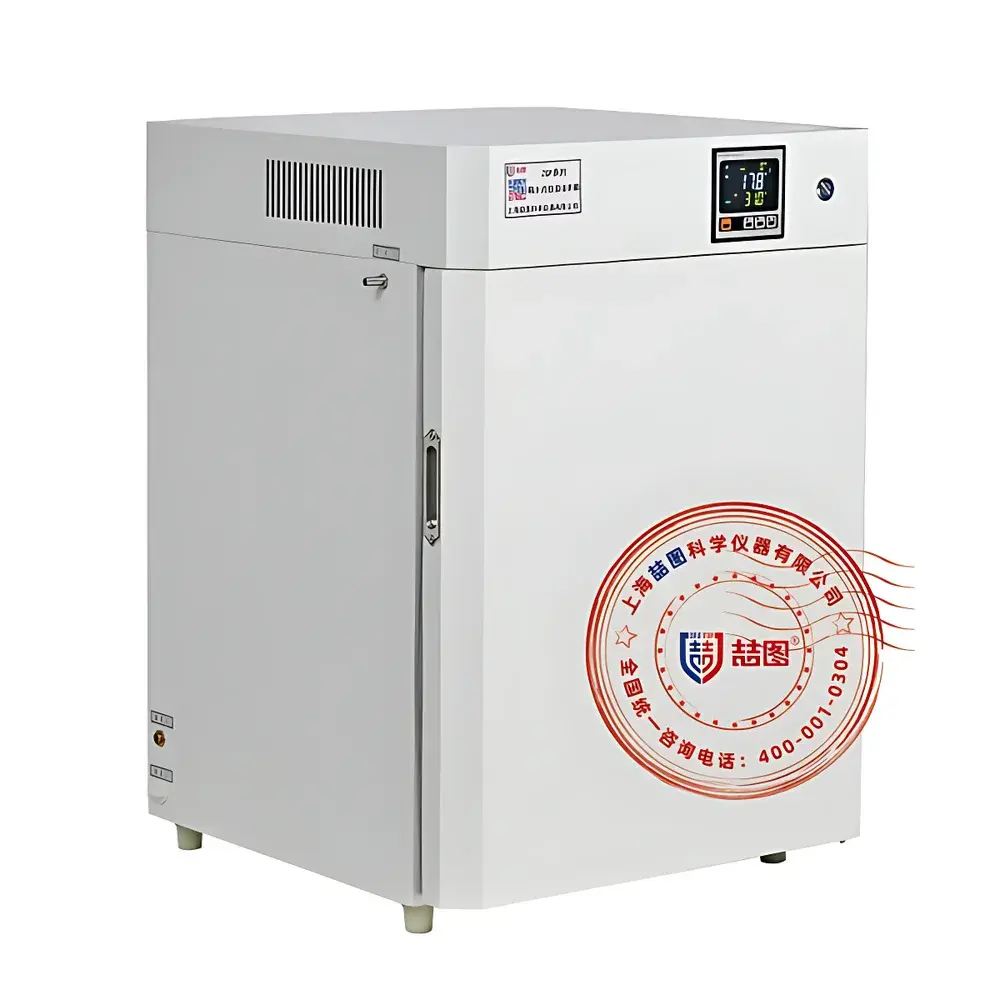
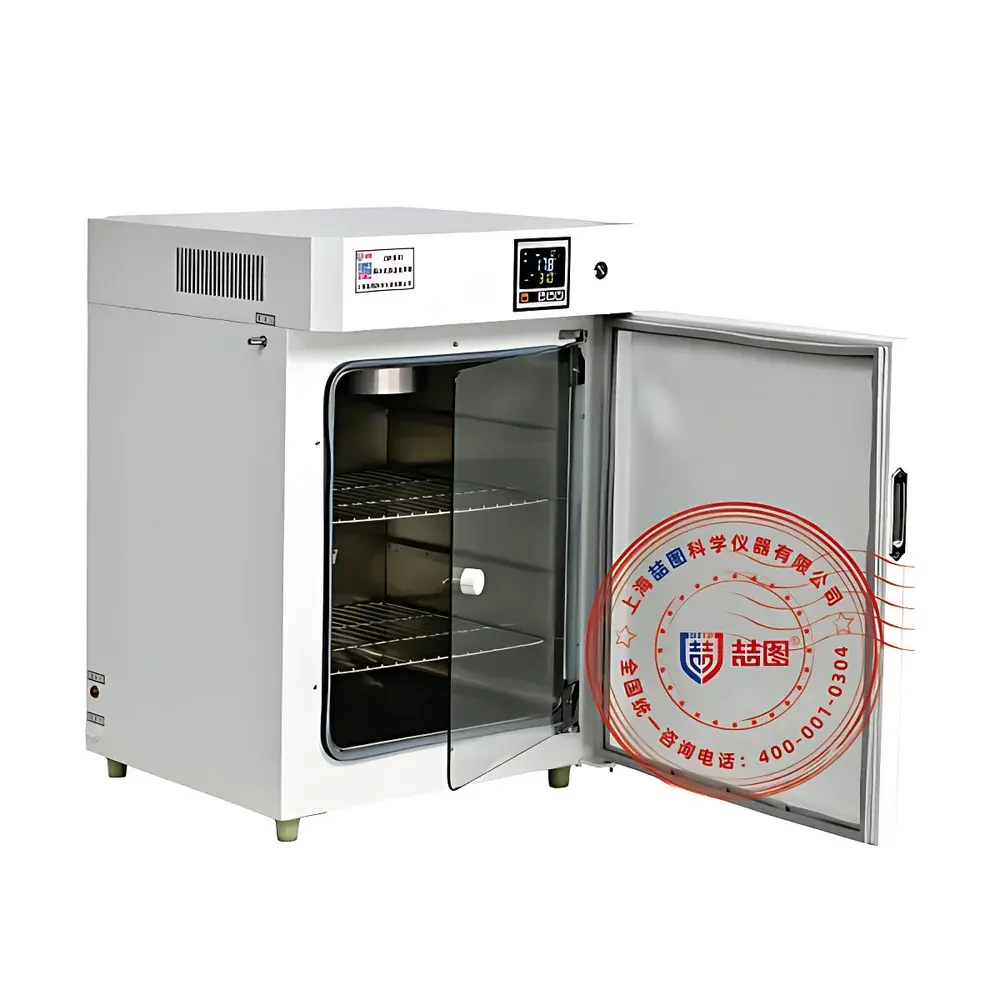
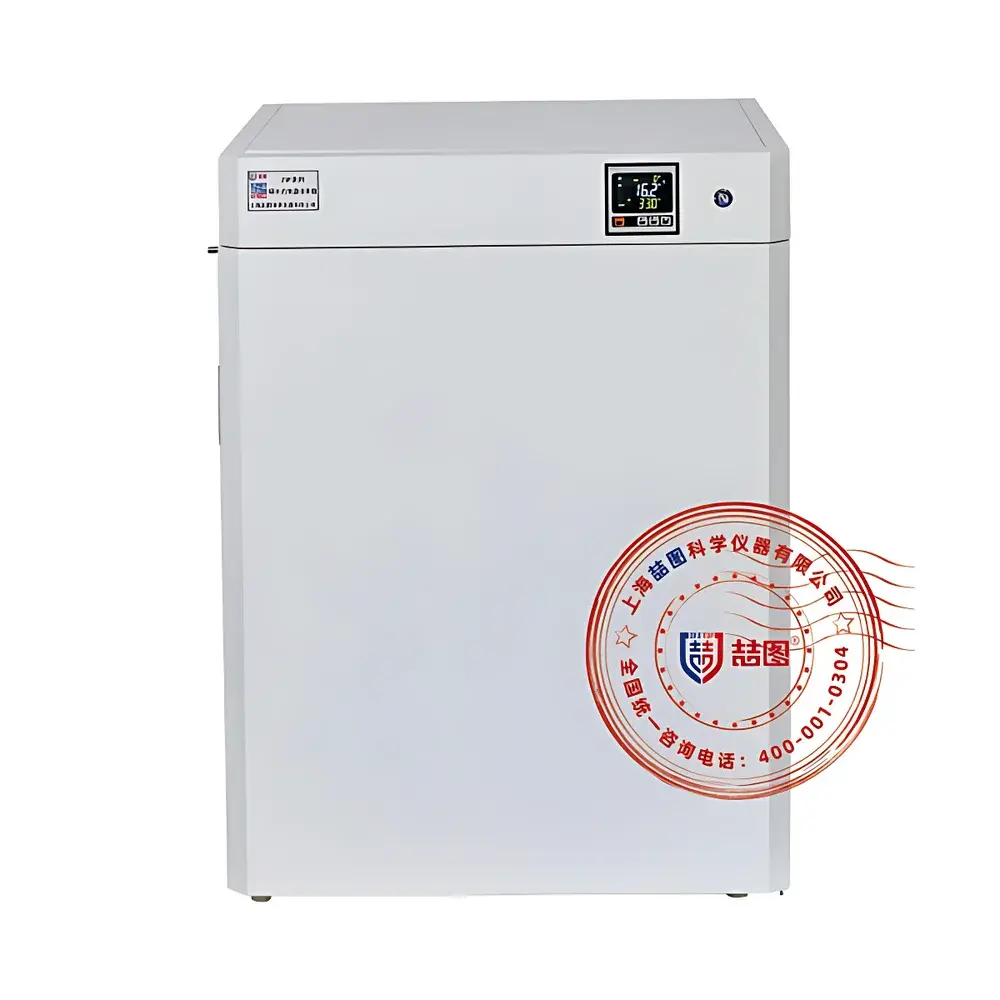
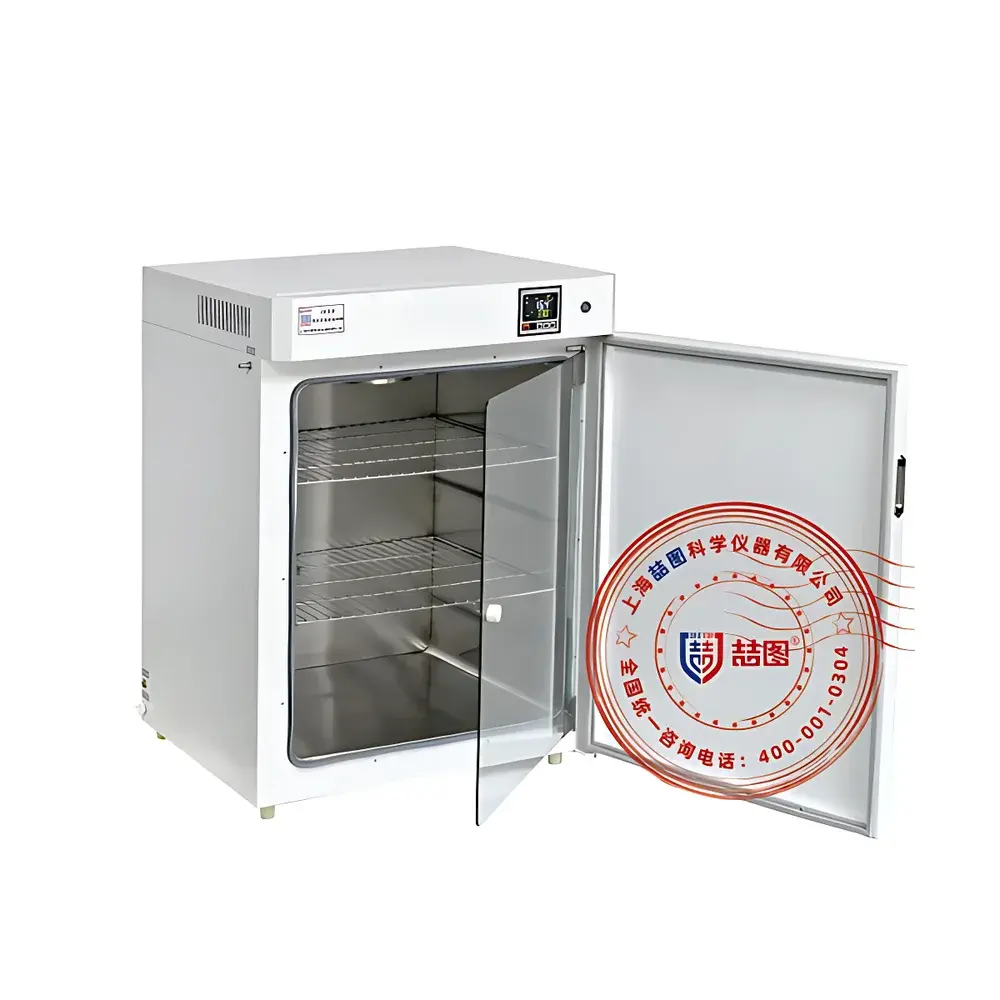
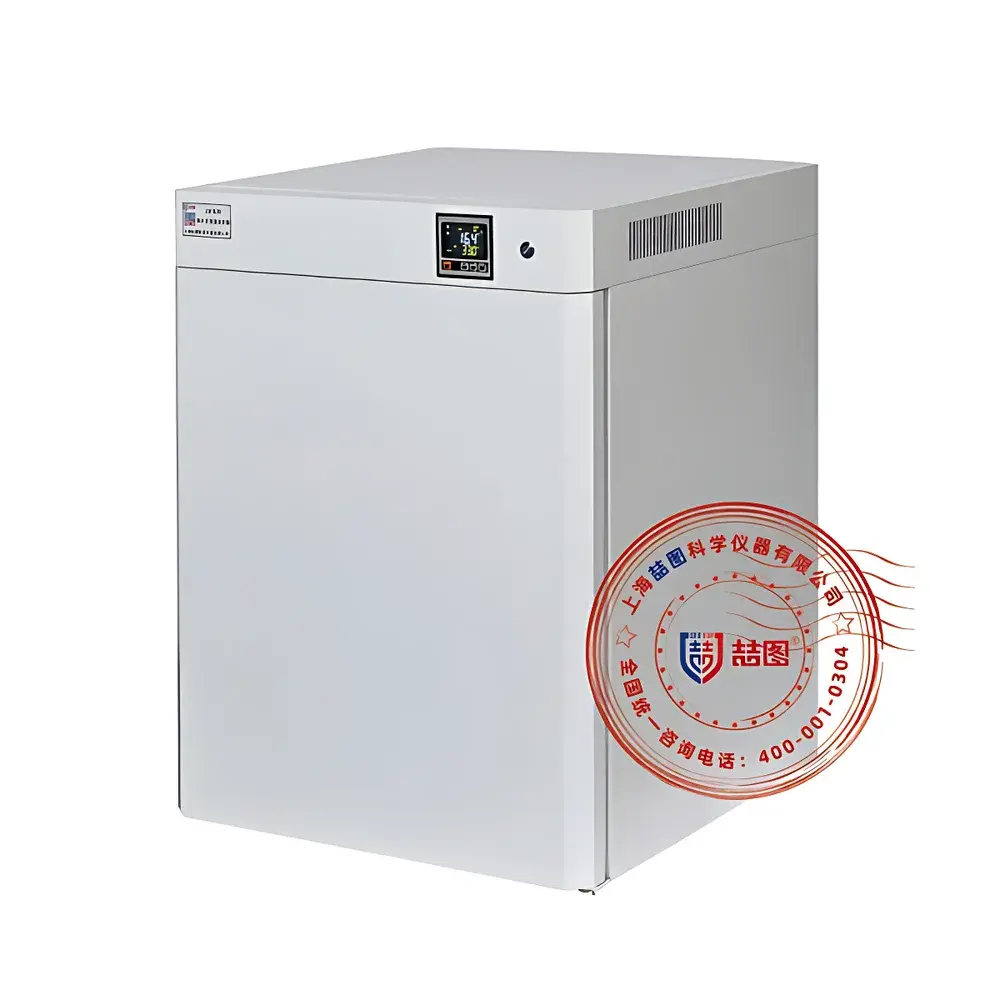
DRETOP ZGP-9160 Water-Jacketed Constant Temperature Incubator
| Brand | DRETOP |
|---|---|
| Origin | Shanghai, China |
| Manufacturer Type | Direct Manufacturer |
| Product Category | Domestic |
| Model | ZGP-9160 |
| Price Range | USD 850–1,400 (FOB) |
| Air Circulation | Forced Convection |
| Control Method | Digital PID Temperature Control |
| Temperature Range | RT + 2°C to 65°C |
| Temperature Control Accuracy | ±0.1°C |
| Temperature Uniformity | ±0.5°C (empty chamber, at 37°C) |
| Temperature Fluctuation | ±0.2°C |
| Chamber Capacity | 160 L |
| External Dimensions | 675 × 660 × 950 mm |
| Heating Method | Water-Jacketed |
| Power Input | 850 W |
| Internal Chamber Dimensions (W×D×H) | 500 × 500 × 650 mm |
| Shelf Capacity | 2 adjustable stainless steel shelves |
| Timer Range | 1–9999 minutes |
Overview
The DRETOP ZGP-9160 Water-Jacketed Constant Temperature Incubator is an engineered solution for laboratories requiring high-stability thermal environments for sensitive biological processes. Unlike forced-air incubators, this model employs a water-jacketed heating architecture—where a sealed outer chamber filled with deionized or distilled water surrounds the inner working chamber. Heat is transferred via conduction and natural convection through the water medium, resulting in exceptional thermal inertia, minimal temperature overshoot, and superior recovery after door openings. This design is especially critical for long-term cell culture, microbial fermentation, mycological studies, and stability testing where even transient fluctuations can compromise assay integrity. The unit operates within a validated range of RT + 2°C to 65°C, with digital PID control ensuring setpoint adherence under varying ambient conditions (e.g., lab temperature shifts between 18–28°C). Its construction conforms to IEC 61010-1 safety standards for laboratory equipment and supports GLP-compliant workflows through traceable parameter logging and configurable alarm thresholds.
Key Features
- Water-jacketed thermal architecture with integrated overflow protection system—includes dedicated inlet and overflow ports to prevent overfilling and ensure consistent water level maintenance.
- Digital PID temperature controller with 0.1°C resolution and real-time display of chamber temperature, setpoint, and elapsed timer on a backlit LCD interface.
- Forced convection air circulation system with optimized duct geometry and rear-mounted fan—designed to minimize turbulence while maximizing uniformity across the full 160 L working volume.
- Stainless steel interior chamber (304 grade) with removable, height-adjustable shelves; smooth-welded corners and seamless seams facilitate autoclave-compatible cleaning and ISO 14644-1 Class 5 cleanroom-compatible disinfection protocols.
- Dual-door observation window: inner tempered glass panel with low-emissivity coating + outer magnetic seal door—reducing radiant heat loss and improving energy efficiency by up to 22% versus single-door designs.
- Intelligent safety functions including programmable over-temperature alarm, power-fail memory retention, auto-restart upon voltage recovery, and independent mechanical backup thermostat (optional).
Sample Compatibility & Compliance
The ZGP-9160 accommodates standard microbiological and cell culture vessels—including Petri dishes (up to 150 mm), multiwell plates (6–96-well), Erlenmeyer flasks (up to 2 L), and roller bottles—without airflow interference. Its stable thermal profile meets ASTM E122-22 requirements for precision in environmental chamber validation and aligns with ISO 20387:2018 (Biobanking) recommendations for temperature-controlled storage of living biospecimens. While not certified for medical device manufacturing per ISO 13485, it satisfies general-purpose incubation needs under CLIA, CAP, and APHL guidelines when operated within documented SOPs. Optional UV-C germicidal irradiation (254 nm) and RS485 Modbus RTU communication enable integration into centralized lab monitoring systems compliant with FDA 21 CFR Part 11 data integrity requirements.
Software & Data Management
The base configuration includes local data logging with timestamped temperature records stored internally for up to 30 days (1-min intervals). Optional upgrades include RS485 serial interface for connection to SCADA or LIMS platforms, analog 4–20 mA output for PLC integration, and a color touchscreen HMI with built-in trend graphing and export-to-CSV functionality. All firmware versions support audit trail generation for critical parameters (setpoint changes, alarm events, door openings), satisfying GLP documentation requirements. No cloud connectivity is embedded—data remains on-device unless explicitly exported, supporting institutional cybersecurity policies.
Applications
- Bacterial and fungal cultivation in pharmaceutical QC labs (e.g., E. coli, S. aureus, A. niger) per USP & EP microbiological test methods.
- Mammalian and insect cell line maintenance (HEK293, CHO-K1, Sf9) during passage, transfection, and pre-harvest conditioning.
- Enzyme activity assays and protein stability studies requiring sustained isothermal conditions over 24–168 hr durations.
- Agricultural seed germination trials and plant tissue culture under controlled photoperiod-independent thermal regimes.
- Environmental simulation for accelerated aging of biopolymer scaffolds and hydrogel-based delivery systems.
FAQ
What is the recommended water type for the jacket?
Deionized or distilled water is required to prevent mineral scaling and corrosion of the stainless steel jacket chamber. Tap water must be avoided.
How often should the water jacket be refilled or replaced?
Under normal operation (no leaks), the water level remains stable for ≥6 months. A visual inspection is advised monthly; top-up only if level falls below the minimum mark.
Can the incubator operate without water in the jacket?
No—dry operation will cause irreversible damage to the heating elements and void the warranty. The unit includes a low-water sensor that disables heating if insufficient fluid is detected.
Is external calibration supported?
Yes—the internal PT100 sensor is accessible via a calibrated reference port (optional accessory); NIST-traceable calibration certificates are available upon request.
What is the warm-up time to reach 37°C from ambient?
Approximately 45–55 minutes under no-load conditions, depending on ambient temperature and initial water jacket temperature.



