
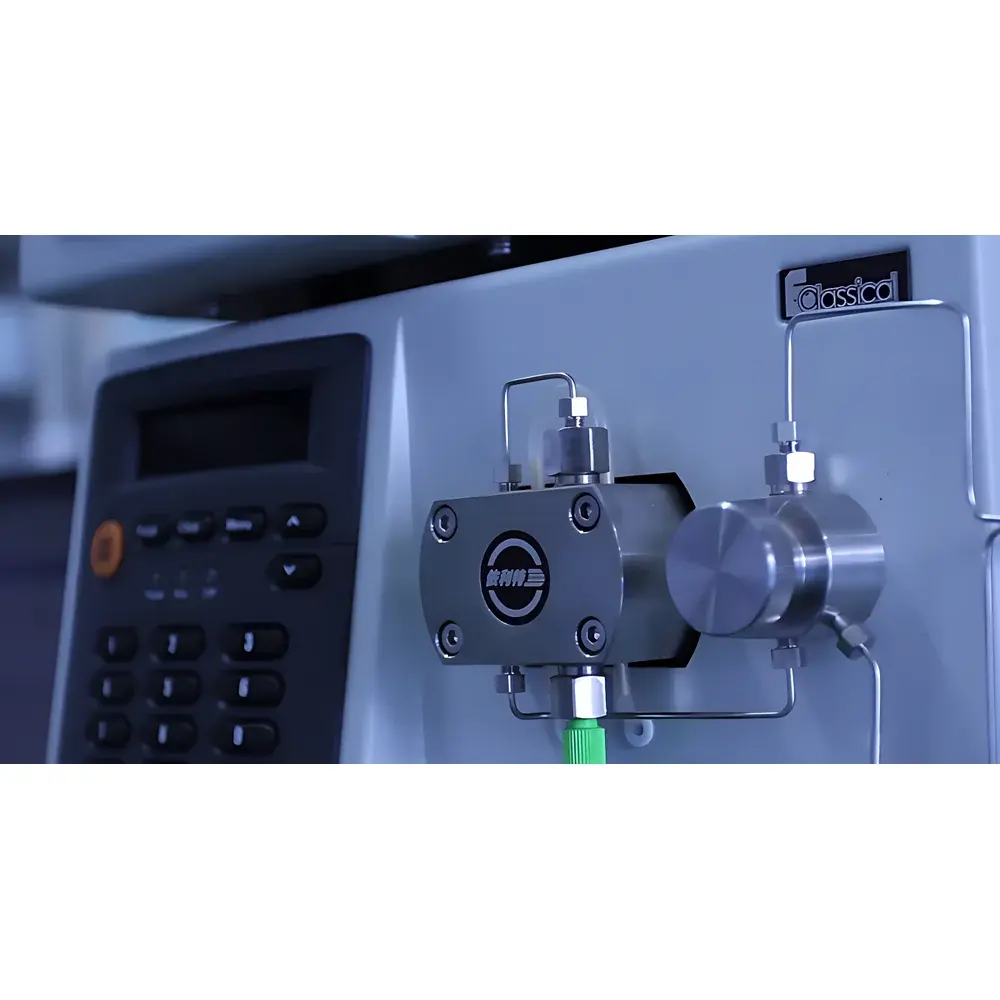
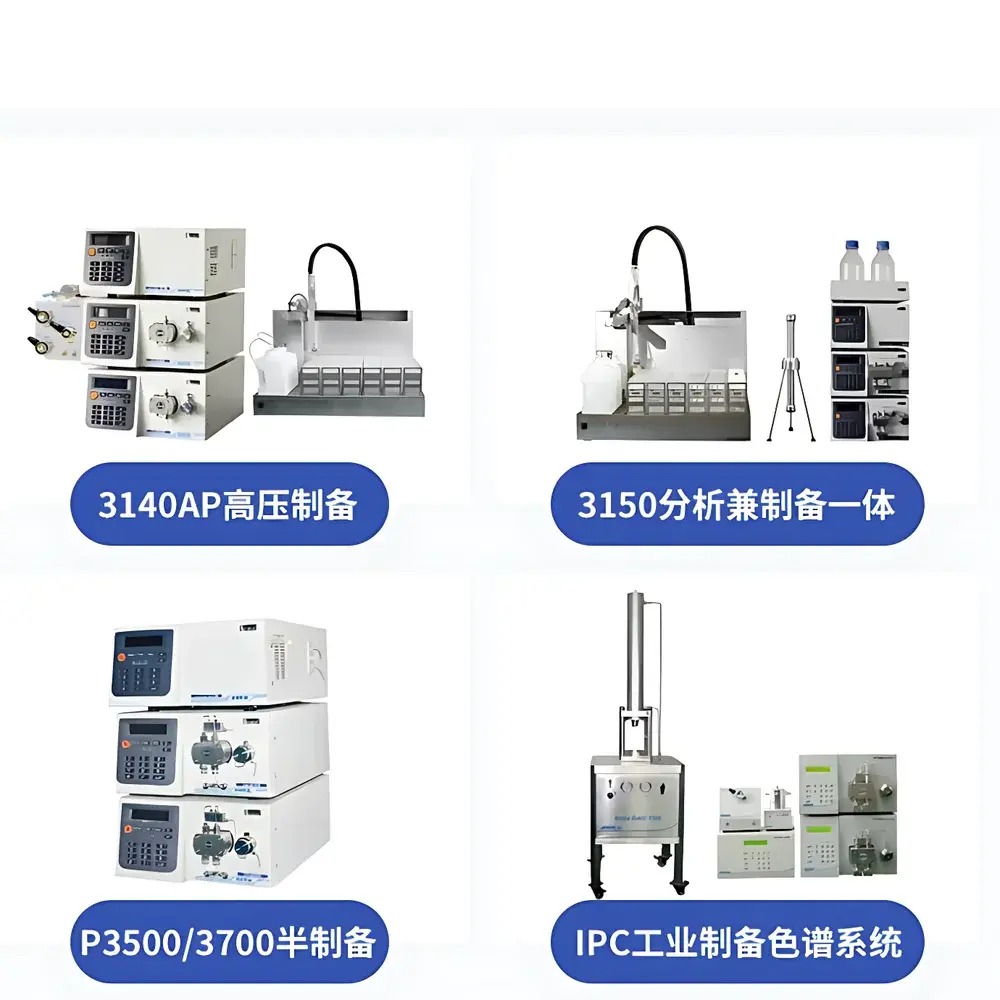
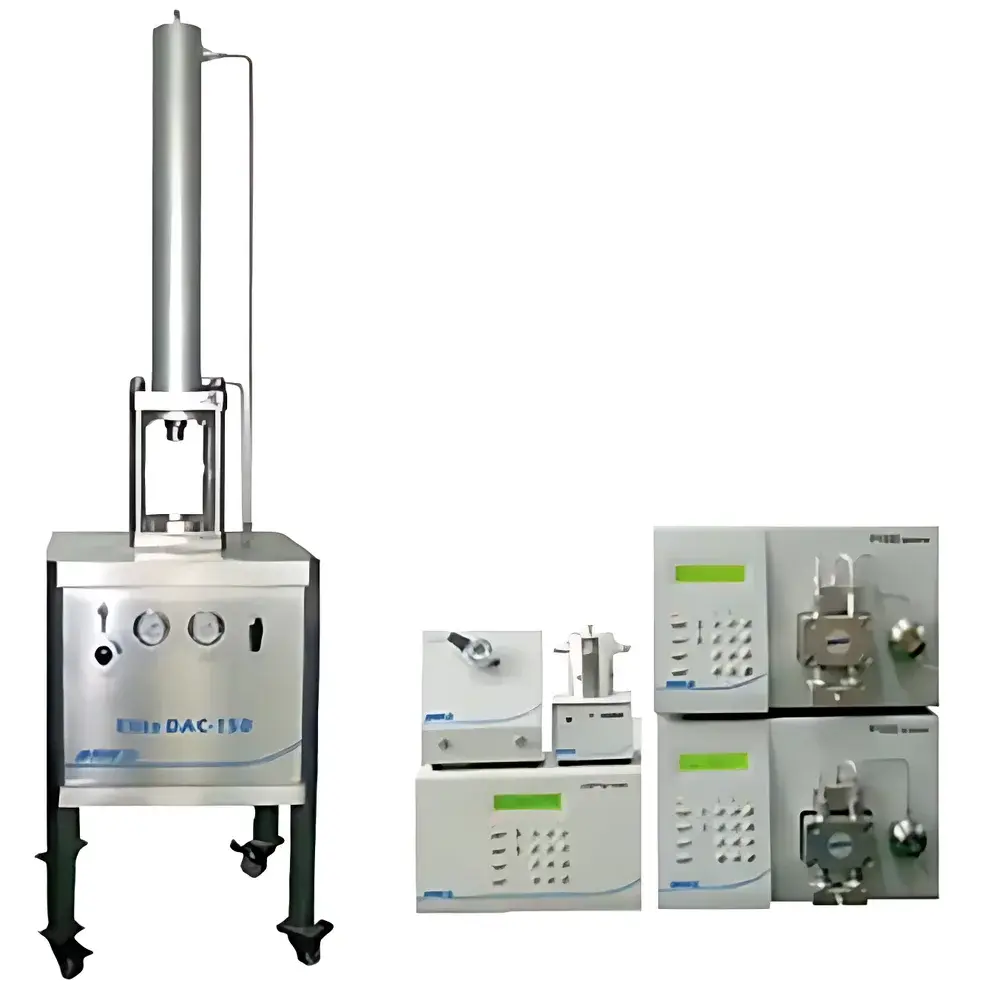
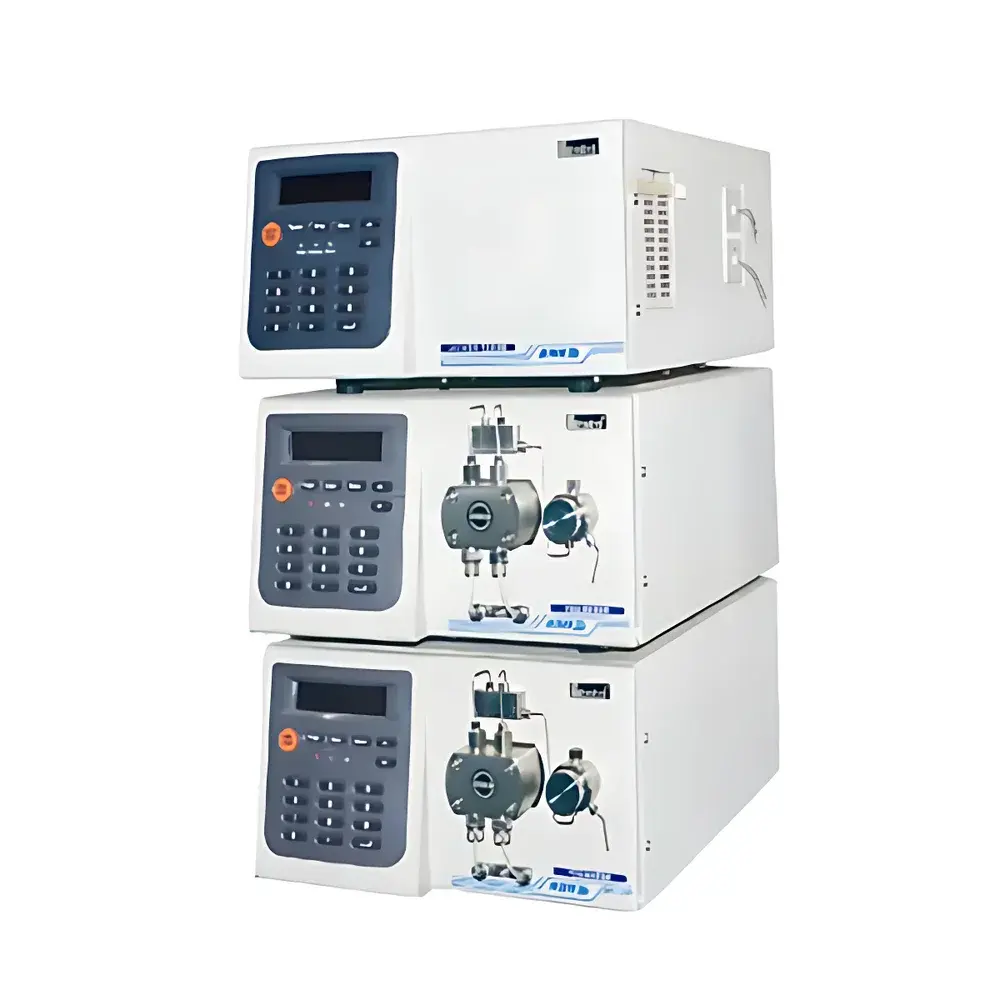
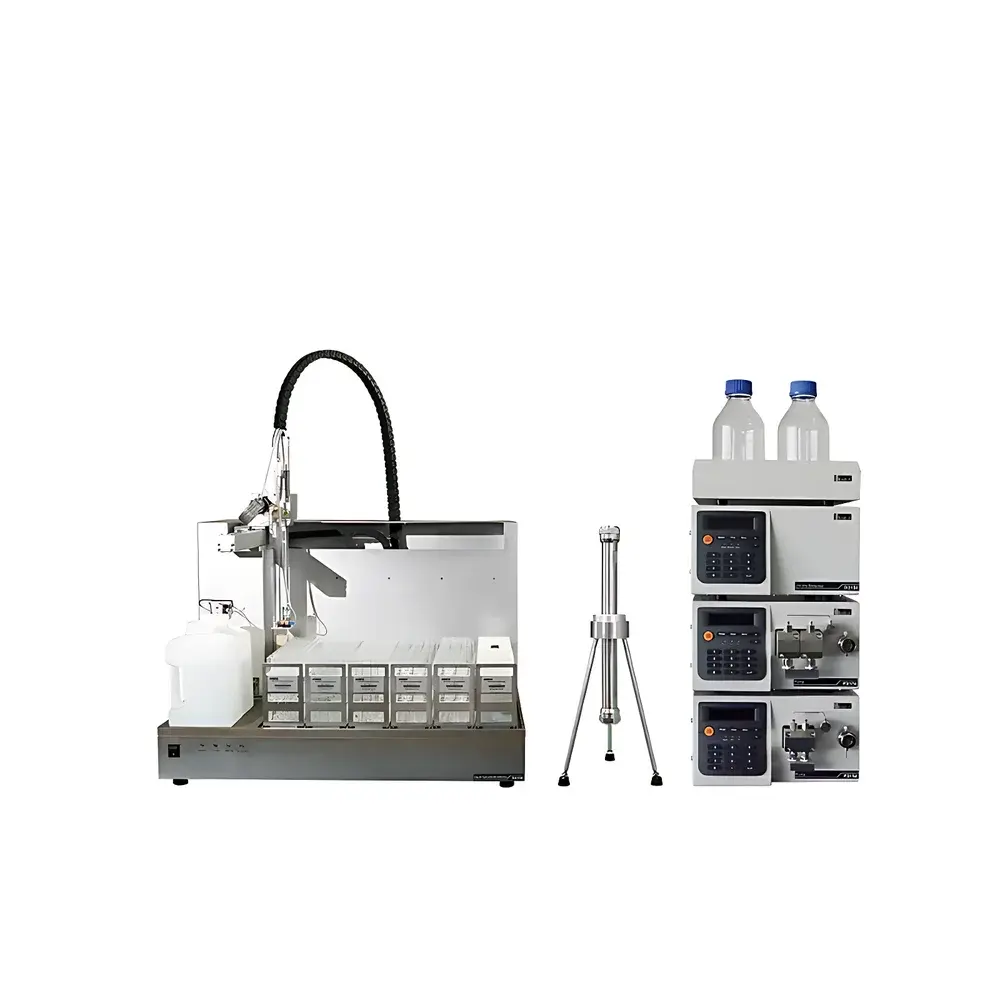
Elite EClassical 3140AP / 3500 / 3700 High-Pressure Preparative Liquid Chromatography Systems
| Brand | Elite |
|---|---|
| Origin | Jiangsu, China |
| Manufacturer Type | Direct Manufacturer |
| Product Origin | Domestic (China) |
| Models | EClassical 3140AP, 3500, 3700 |
| Price Range | USD 14,000 – 28,000 (FOB) |
| Application Level | Laboratory-Scale |
| Instrument Type | High-Pressure Preparative HPLC System |
| Flow Rate Range | 1–100 mL/min |
| Flow Accuracy | ≤3% |
| Flow Precision (RSD) | ≤±1.0% |
| Maximum Pressure | 30 MPa |
| Wavelength Range | 190–700 nm |
| Wavelength Reproducibility | RSD ≤0.3% |
| Baseline Noise | ≤±0.5×10⁻⁵ AU |
Overview
The Elite EClassical 3140AP, 3500, and 3700 high-pressure preparative liquid chromatography (HPLC) systems are engineered for scalable, reproducible compound isolation and purification in laboratory environments. These instruments operate on the fundamental principle of high-pressure liquid chromatography—utilizing precisely controlled mobile phase delivery, column-based separation under elevated backpressure, and UV-Vis detection—to resolve complex mixtures into discrete, collectable fractions. Designed with dual-purpose architecture, the 3140AP integrates analytical and semi-preparative capabilities within a single platform, enabling seamless method translation from analysis to milligram-to-gram scale purification. The 3500 and 3700 models are dedicated semi-preparative systems optimized for robustness, gradient stability, and long-term operational consistency—particularly suited for iterative purification workflows in natural product isolation, synthetic intermediate refinement, and reference standard preparation.
Key Features
- Modular high-pressure pump system delivering stable flow across 1–100 mL/min with ≤±1.0% RSD flow precision—critical for retention time reproducibility and fraction homogeneity.
- UV-Vis detector with 190–700 nm wavelength range, ≤0.3% RSD wavelength reproducibility, and low baseline noise (≤±0.5×10⁻⁵ AU), ensuring reliable peak identification and quantitation during collection-triggered fractionation.
- Maximum operating pressure of 30 MPa (4350 psi), compatible with both conventional 10–25 µm particle-packed columns and select sub-2 µm superficially porous media for enhanced resolution at elevated flow rates.
- Automated fraction collection with time-, peak-, or threshold-based triggering—supporting unattended operation for multi-hour purification runs.
- Integrated system control via dedicated HPLC software with audit-trail-enabled method storage, parameter logging, and user-access-level management—designed to support GLP-compliant documentation practices.
- Front-panel touchscreen interface with real-time pressure, flow, and absorbance monitoring—enabling rapid troubleshooting and on-the-fly parameter adjustment without PC dependency.
Sample Compatibility & Compliance
The EClassical series accommodates a broad spectrum of sample matrices—including polar and non-polar small molecules, peptides, alkaloids, flavonoids, and synthetic organic intermediates—when paired with reversed-phase (C18, C8), normal-phase (silica), or ion-exchange columns. All models meet essential electrical safety standards (IEC 61010-1) and electromagnetic compatibility (EMC) requirements per CISPR 11. While not certified to FDA 21 CFR Part 11 out-of-the-box, the software architecture supports configuration for electronic signature implementation, secure user authentication, and full audit trail generation—facilitating alignment with ISO/IEC 17025, USP , and internal GMP/GLP validation protocols upon site-specific qualification.
Software & Data Management
Elite’s proprietary chromatography data system (CDS) provides intuitive method development, real-time chromatogram visualization, and automated fraction assignment based on UV threshold crossing or peak apex detection. Raw data is stored in vendor-neutral .cdf format (compatible with OpenLab CDS, Chromeleon, and Empower import utilities). All acquisition and processing events—including method edits, injection sequences, calibration updates, and manual fraction overrides—are timestamped and logged with operator ID. Optional database integration enables centralized instrument scheduling, batch tracking, and LIMS interoperability via ODBC or REST API endpoints—supporting traceability across multi-user academic or contract research laboratories.
Applications
- Purification of bioactive compounds from plant extracts (e.g., ginsenosides, curcuminoids) in traditional medicine R&D.
- Isolation of reaction intermediates and final products in medicinal chemistry synthesis pipelines.
- Preparation of certified reference materials (CRMs) for environmental testing labs requiring trace-level purity verification (per ISO Guide 35).
- Desalting and buffer exchange of peptides prior to MS characterization.
- High-precision metering applications—leveraging the pump’s stability and low pulsation for feeding microfluidic reactors or crystallization modules.
- Teaching chromatographic theory and method optimization in undergraduate and graduate analytical chemistry laboratories.
FAQ
What is the maximum column internal diameter supported by the EClassical 3500/3700 systems?
Standard configurations support columns up to 30 mm ID; optional high-flow manifolds enable use with 50 mm ID columns when operated below 50 mL/min.
Can the EClassical 3140AP perform analytical injections without switching hardware?
Yes—the system includes a dual-position injection valve and configurable flow-splitting capability, allowing direct analytical-mode operation at ≤5 mL/min without mechanical reconfiguration.
Is gradient mixing performed at high or low pressure?
All EClassical models employ low-pressure (quaternary) gradient mixing with proportional solenoid valves, offering flexibility in solvent selection and precise composition control from 0–100% in 0.1% increments.
Does the system support pH-sensitive mobile phases?
Stainless steel fluidic paths are standard; optional PEEK or titanium components are available for extended compatibility with acidic (pH 10) eluents.
What validation documentation is provided with shipment?
Each unit ships with Factory Acceptance Test (FAT) report, IQ/OQ-ready protocol templates, and a Certificate of Conformance listing as-delivered specifications per model.
Related Products




