
English Product Name
| Brand | Other Brands |
|---|---|
| Origin | Imported |
| Manufacturer Type | General Distributor |
| Price | USD 3,100 (approx.) |
| Compliance | GB/T 5170.2–1996, GB/T 5170.5–1996, GB 2423.1–1989, GB 2423.2–1989, GB 2423.22–1987, GB 10589–1989, GB 10592–1989, GB 11158–1989 |
Overview
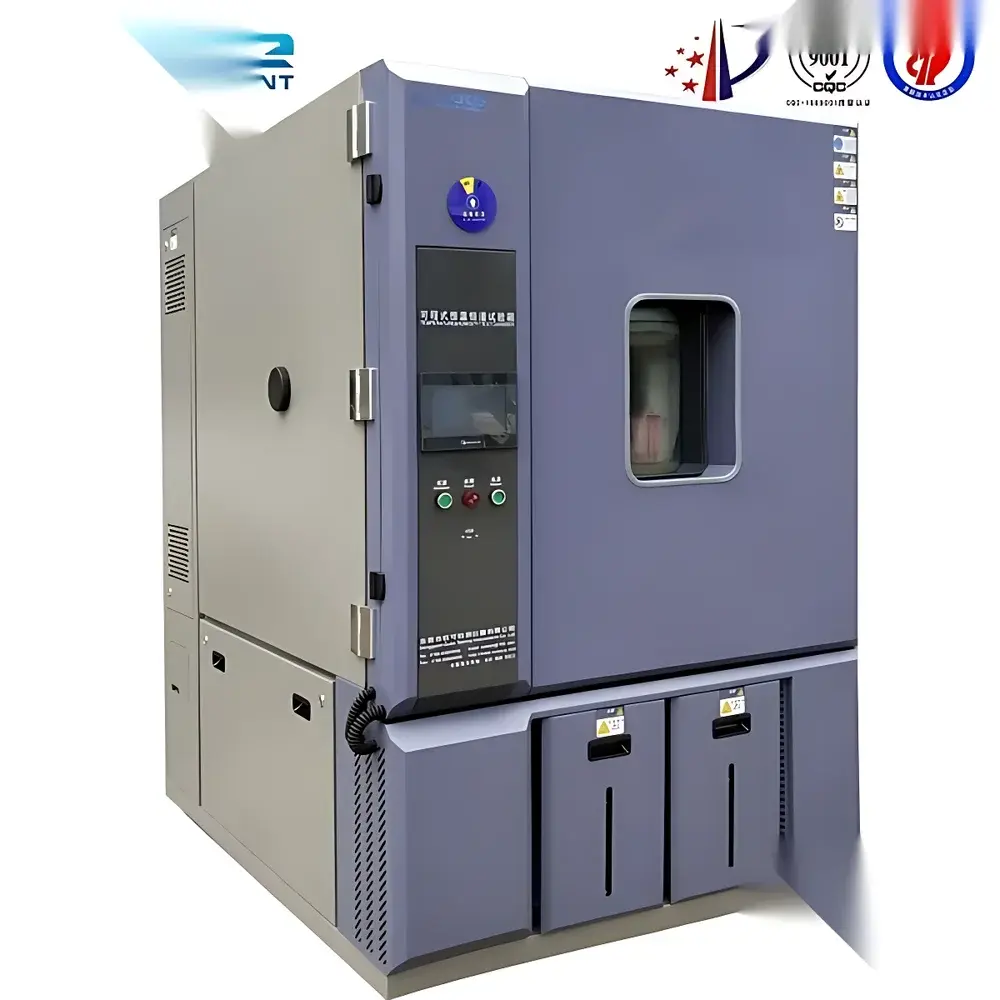
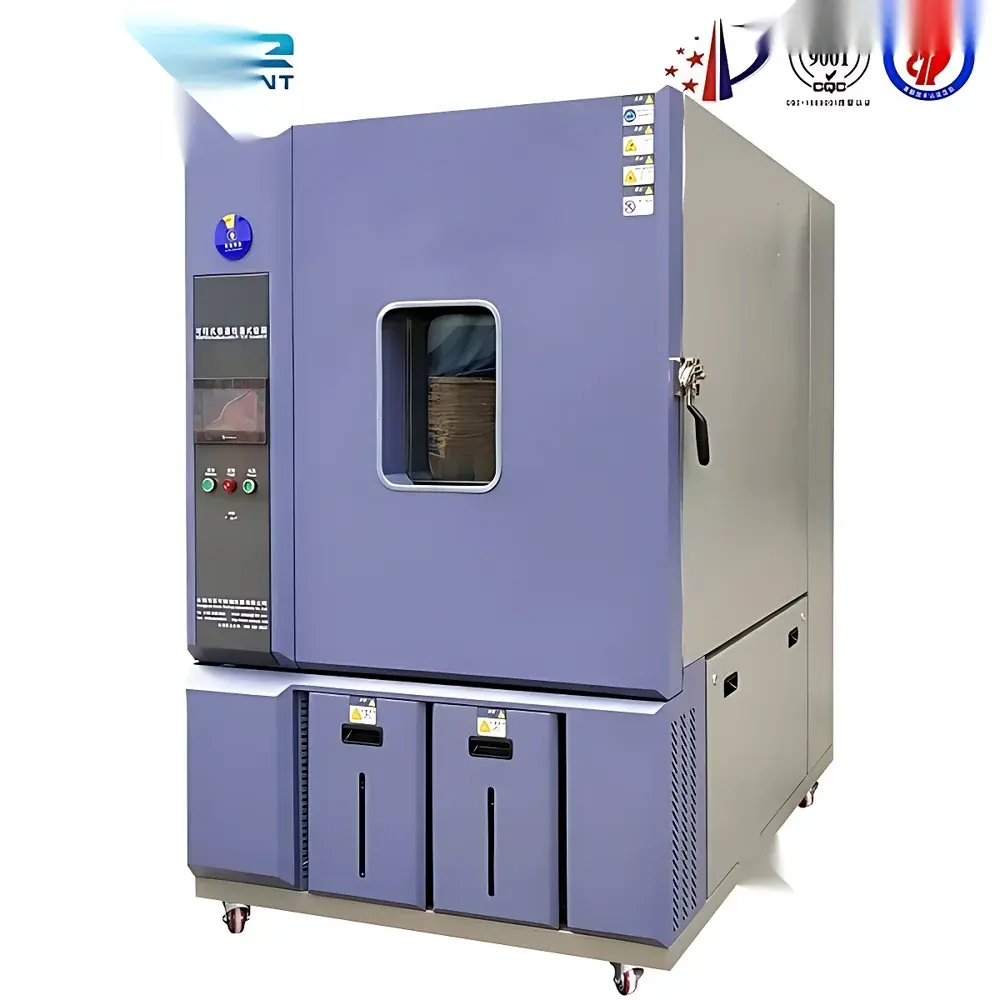
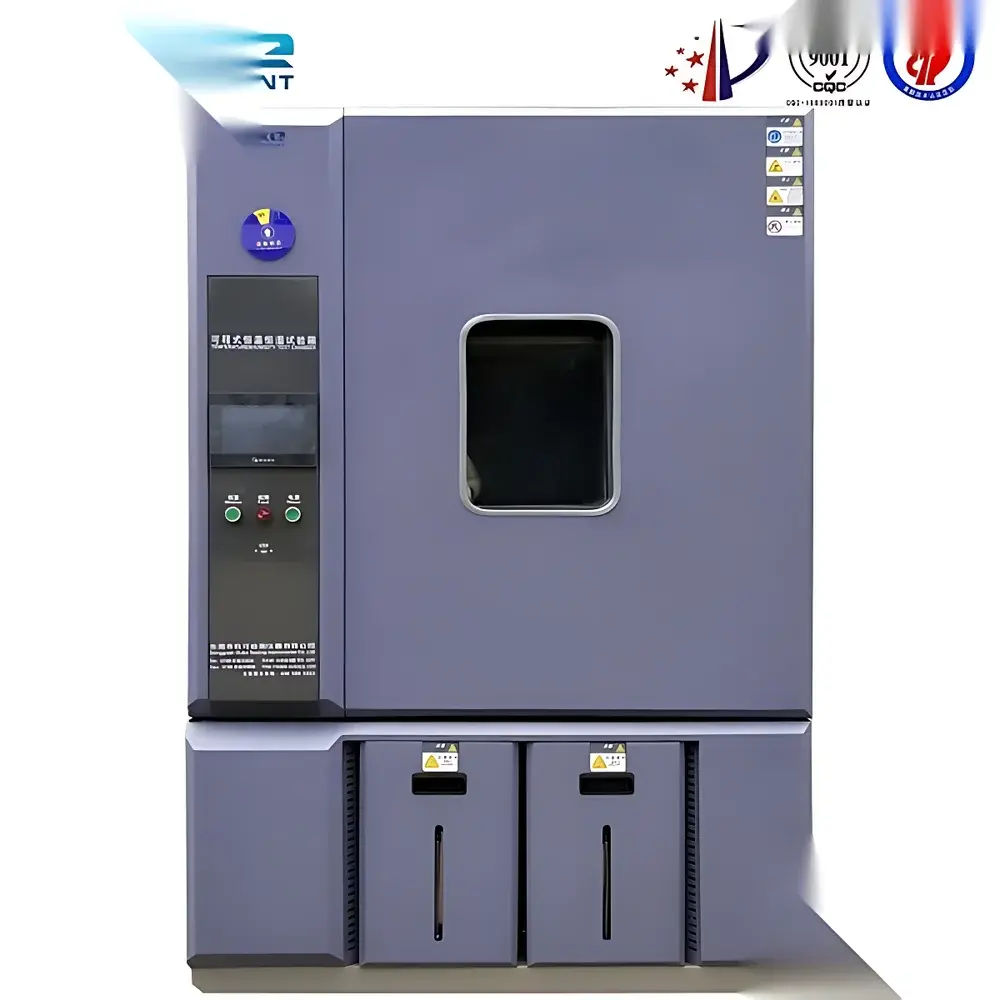
The Environmental Test Chamber for Temperature and Humidity Cycling is a precision-engineered climatic chamber designed to simulate dynamic environmental conditions for reliability validation of electronic components, automotive parts, packaging materials, and industrial assemblies. It operates on the principle of forced-air convection combined with dual independent control loops for temperature and relative humidity—enabling precise, repeatable cycling profiles across defined operational ranges. Unlike static conditioning chambers, this system supports programmable ramp-and-soak sequences, including rapid transitions between sub-zero and elevated temperature zones while maintaining tight humidity setpoints. Its architecture complies with internationally recognized test standards governing thermal shock, damp heat, and cyclic environmental stress screening—making it suitable for qualification testing under IEC 60068-2 series, MIL-STD-810H (Method 502.7 & 507.6), and harmonized EN/IEC 60068-2-14. The chamber’s core function is not merely stabilization but controlled, traceable variation—essential for accelerated life testing, failure mode analysis, and design verification in R&D and production QA environments.
Key Features
- Advanced Balanced Temperature and Humidity Control (BTHC) system employing PID-regulated SSR outputs to dynamically match heating/cooling and humidification/dehumidification energy inputs against real-time thermal and moisture load demands.
- Full-capillary refrigeration circuit with automatic capacity modulation—eliminating mechanical expansion valve hysteresis and improving temperature stability (< ±0.5°C) and humidity uniformity (< ±3% RH) across the working volume.
- Touchscreen-based controller with multi-segment programming capability (up to 99 cycles, 999 steps per cycle), data logging at user-defined intervals, and USB export functionality.
- High-efficiency air circulation design featuring tangential blower and optimized duct geometry to ensure spatial uniformity (±1.5°C temp, ±5% RH) per GB/T 5170.2 and GB/T 5170.5 calibration protocols.
- Structural integrity reinforced with double-wall insulated construction (polyurethane foam, ≥100 mm thickness), seamless stainless steel interior, and corrosion-resistant exterior finish.
Sample Compatibility & Compliance
This chamber accommodates test specimens up to standard walk-in configurations or custom-built footprints, supporting both benchtop and floor-standing installations. Load compatibility includes PCB assemblies, lithium-ion battery modules, polymer enclosures, medical device housings, and optical sensors—provided thermal mass and surface emissivity remain within specified limits for accurate chamber response modeling. All performance claims—including temperature range (-70°C to +150°C), humidity range (20–98% RH), and ramp rates (e.g., 3°C/min average from -40°C to +85°C)—are validated under no-load, ambient reference conditions (25°C ±6°C). Calibration and verification procedures align with ISO/IEC 17025-accredited methodologies and support GLP/GMP audit requirements, including full traceability of sensor certificates (PT100 Class A), controller firmware versioning, and environmental parameter history logs.
Software & Data Management
The embedded controller provides local operation via intuitive graphical interface with password-protected access levels (Operator, Engineer, Administrator). Optional PC-based software enables remote monitoring, real-time trend visualization, alarm event annotation, and automated report generation compliant with FDA 21 CFR Part 11 (electronic signatures, audit trail, data integrity safeguards). Raw measurement data (temperature, humidity, time-stamped setpoint deviations) are stored internally for ≥30 days and exportable in CSV or XML formats. System diagnostics include compressor runtime tracking, refrigerant pressure monitoring, and heater duty cycle analytics—supporting predictive maintenance scheduling and root cause analysis during nonconformance investigations.
Applications
- Qualification of aerospace avionics per DO-160 Section 4 (Temperature Variation) and Section 5 (Humidity).
- Validation of automotive ECUs under ISO 16750-4 (Climate Loads) and SAE J2223 (Environmental Stress Screening).
- Accelerated aging of pharmaceutical primary packaging per ICH Q1A(R2) guidelines.
- Thermal cycling endurance testing of photovoltaic modules per IEC 61215-2 MQT10.
- Material compatibility assessment for adhesives, conformal coatings, and elastomeric seals under combined thermal-hygric stress.
FAQ
What is the typical cooling water requirement for optimal chamber performance?
Cooling water must be maintained between 10°C and 28°C with stable pressure of 0.1–0.3 MPa to ensure consistent condenser heat rejection and rated cooling capacity.
Are temperature and humidity ramp rates guaranteed under loaded conditions?
Ramp rates are specified under no-load reference conditions. Actual performance varies based on specimen thermal mass, surface area, and internal airflow obstruction; users should perform load-specific characterization per ASTM E2654.
Can the chamber be integrated into an existing MES or LIMS environment?
Yes—via optional Modbus TCP or Ethernet/IP protocol modules, enabling bi-directional communication with manufacturing execution systems for automated test initiation, status reporting, and electronic batch record linkage.
Does the system support validation documentation packages (IQ/OQ/PQ)?
Comprehensive validation templates—including installation qualification checklists, operational qualification test scripts, and performance qualification protocols aligned with ISO 13485 and GAMP5—are available upon request.
Is remote firmware update capability supported?
Firmware updates require secure USB media upload and manual initiation with administrative credentials; network-based over-the-air updates are disabled by default for cybersecurity compliance.



