
English Product Name
| Temperature Range | –40 °C to +150 °C (optional: –120 °C to +150 °C) |
|---|---|
| Humidity Range | 30–98% RH (optional: 5–98% RH) |
| Temperature Resolution | 0.01 °C |
| Humidity Resolution | 0.1% RH |
| Temperature Uniformity | ±0.5 °C |
| Temperature Deviation | ≤±2 °C |
| Humidity Deviation | ≤±2.5% RH |
| Heating Rate | 2.0–3.0 °C/min |
| Cooling Rate | 0.7–1.0 °C/min |
| Control System | TEMI880 Color LCD Touchscreen Controller |
| Power Supply | 380 V ±5%, 50 Hz, 3P+N+G (customizable to 220 V) |
| Interior Material | SUS304 Stainless Steel |
| Exterior Material | SUS304 Stainless Steel or A3 Steel with Electrostatic Powder Coating |
Overview
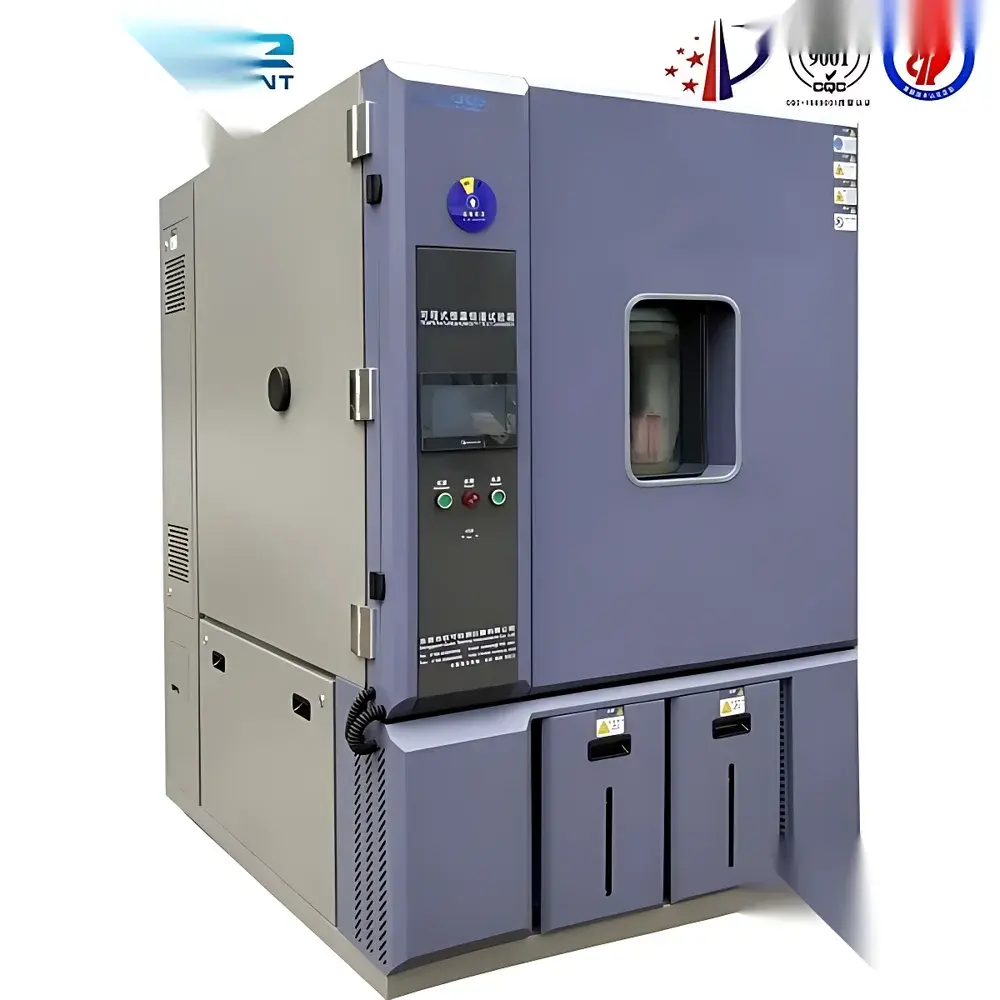
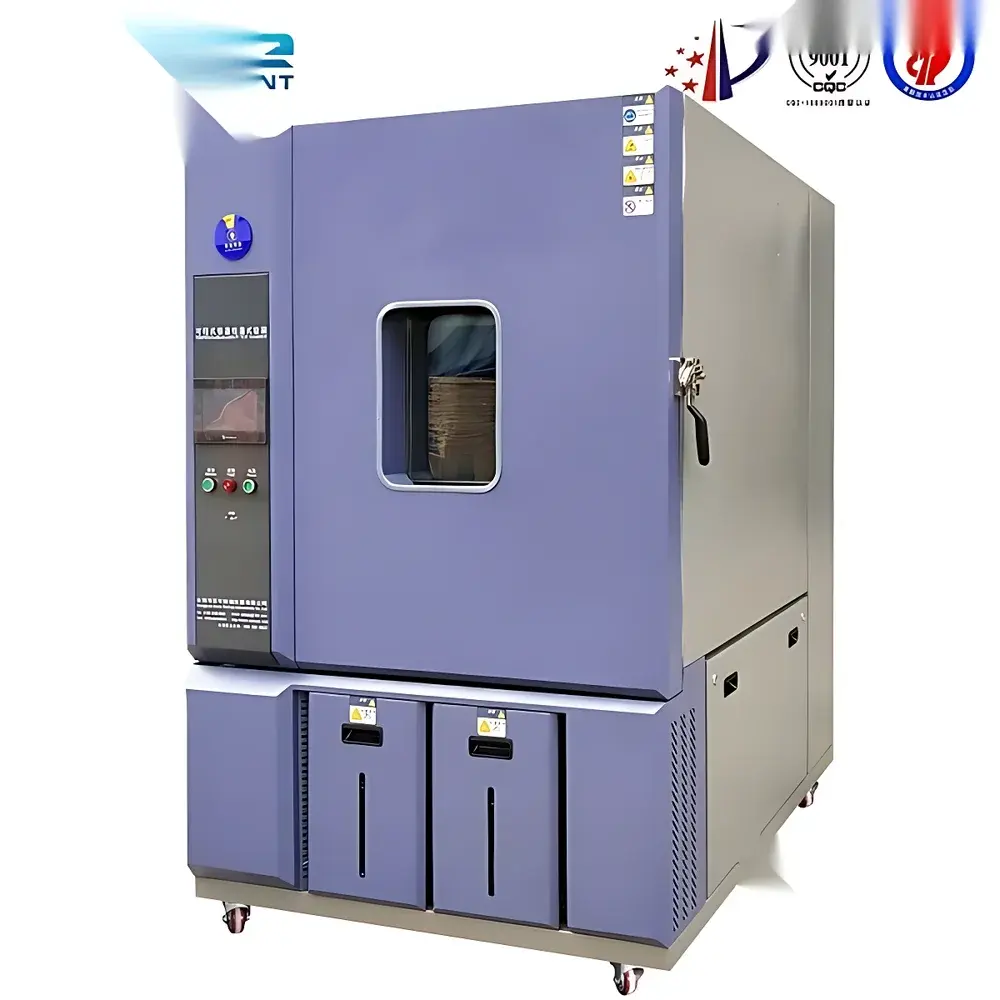
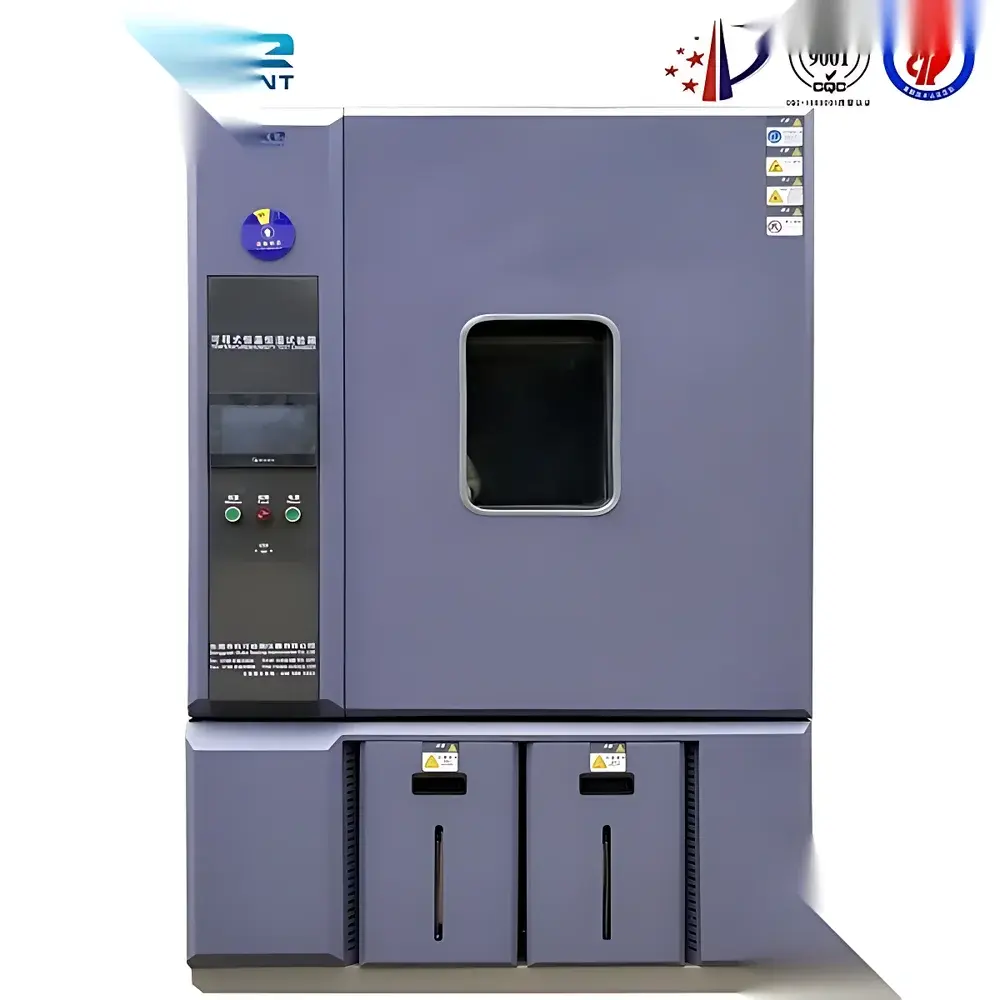
The OKEO Environmental Test Chamber is an engineered precision instrument designed for controlled simulation of temperature and humidity conditions in laboratory and quality assurance environments. Based on dual-refrigeration and steam-humidification principles, it delivers stable, repeatable thermal and hygric profiles essential for evaluating material stability, product reliability, and component performance under defined climatic stress. The chamber operates across a standard temperature range of –40 °C to +150 °C and a relative humidity range of 30–98% RH—expandable to –120 °C and 5–98% RH with optional configurations. Its design complies with core international test standards including IEC 60068-2, ISO 16750-4, and ASTM D4332, ensuring compatibility with environmental qualification protocols required by automotive, electronics, aerospace, and pharmaceutical industries. All performance specifications—including temperature uniformity (±0.5 °C), humidity deviation (≤±2.5% RH), and ramp rates—are validated under no-load, ambient conditions at 25 °C ±6 °C per IEC 60068-3-5.
Key Features
- High-precision TEMI880 color LCD touchscreen controller with intuitive multi-segment programmability, real-time trend logging, and alarm history retention.
- Dual-stage refrigeration system with cascade cooling architecture for extended low-temperature capability down to –120 °C (optional).
- Steam-based humidification system with PID-controlled stainless-steel boiler and deionized water reservoir, minimizing mineral deposition and enabling rapid RH response.
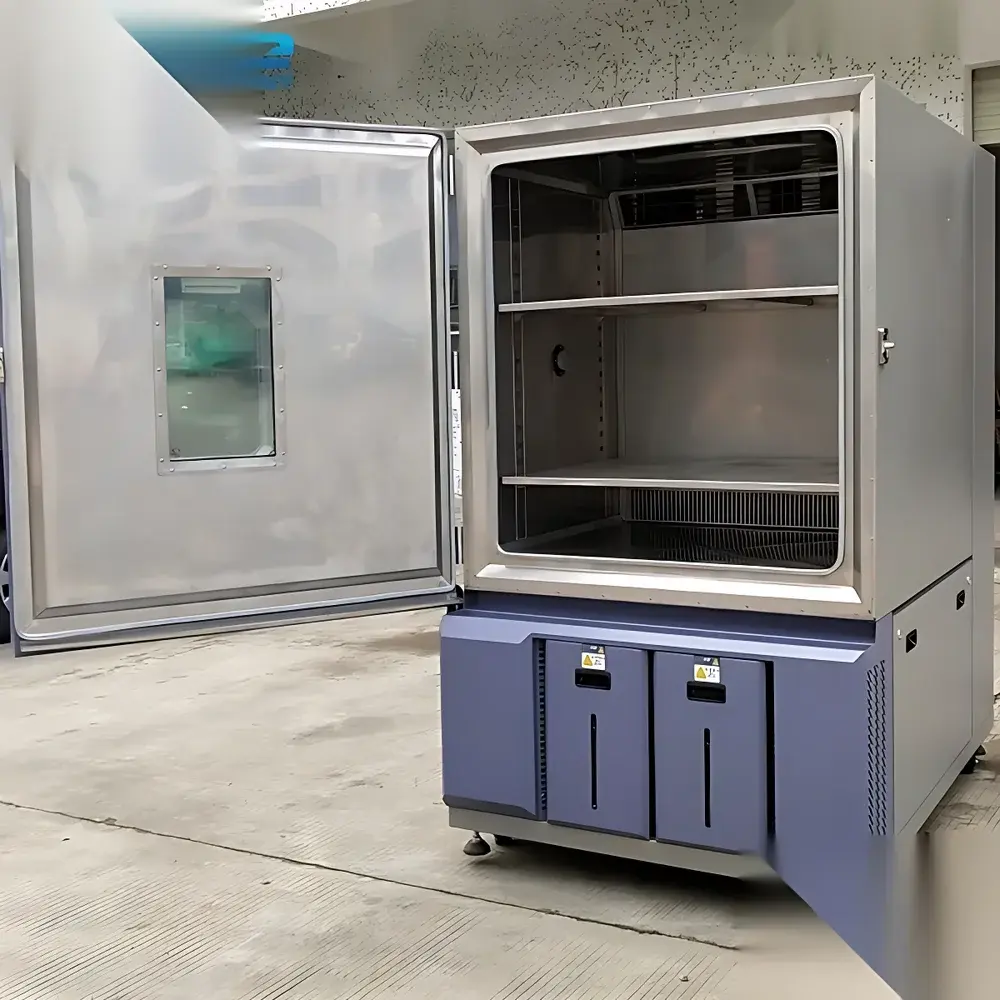
- Double-wall construction with high-density polyurethane insulation (≥100 mm thickness) and vacuum-sealed door gasket to minimize thermal leakage and improve energy efficiency.
- SUS304 stainless steel interior chamber and work surface—corrosion-resistant, non-outgassing, and compliant with ISO 14644-1 Class 5 cleanroom-compatible handling requirements.
- Modular electrical architecture supporting 380 V/50 Hz three-phase five-wire (3P+N+G) supply; optional 220 V single-phase configuration available upon request.
Sample Compatibility & Compliance
The chamber accommodates a broad spectrum of physical samples—from printed circuit boards and polymer enclosures to pharmaceutical packaging and lithium-ion battery modules—without compromising environmental fidelity. Internal dimensions are fully customizable, including walk-in configurations for large-scale assemblies. All operational parameters adhere to the metrological validation frameworks outlined in ISO/IEC 17025 and support GLP/GMP-aligned testing workflows. Calibration traceability is maintained via NIST-traceable reference sensors (Pt100 class A), and the system supports audit-ready documentation for FDA 21 CFR Part 11 compliance when integrated with validated software platforms. It meets the technical requirements of GB/T 5170.2–1996 (temperature equipment verification), GB/T 5170.5–1996 (humidity equipment verification), and GB 2423 series (environmental testing methods for electrotechnical products).
Software & Data Management
The TEMI880 controller provides embedded data logging with up to 10,000-cycle program storage and timestamped CSV export via USB. Optional Ethernet or RS485 interfaces enable remote monitoring and integration into centralized MES or LIMS infrastructure. When paired with OKEO’s certified LabControl Suite (v3.2+), users gain access to electronic signatures, change control logs, and 21 CFR Part 11-compliant audit trails—including user authentication, action timestamps, and immutable record retention. Real-time deviation alerts trigger automatic email/SMS notifications, and historical test profiles can be replayed for root-cause analysis or regulatory submission packages.
Applications
- Accelerated aging studies of adhesives, coatings, and elastomers under cyclic temperature–humidity stress.
- Environmental stress screening (ESS) of electronic assemblies prior to HALT/HASS qualification.
- Stability testing of medical devices and primary packaging per ISO 11607 and ICH Q1 guidelines.
- Validation of thermal management systems in EV battery modules under combined thermal shock and humidity soak conditions.
- Material compatibility testing for aerospace composites exposed to tropical or arctic climate profiles.
- Calibration and verification of secondary environmental sensors used in production line monitoring.
FAQ
What is the difference between temperature uniformity and temperature deviation?
Uniformity refers to spatial variation across the working volume (±0.5 °C), while deviation indicates the maximum offset between setpoint and actual chamber mean temperature (≤±2 °C) under steady-state conditions.
Can the chamber operate continuously at –70 °C?
Yes—when equipped with the optional ultra-low-temperature cascade refrigeration system and supplied with cooling water at 10–28 °C and 0.1–0.3 MPa pressure, continuous operation at –70 °C is supported per IEC 60068-2-1.
Is validation documentation included with shipment?
A factory calibration certificate with as-tested values is provided. IQ/OQ protocol templates and on-site PQ support are available as optional services.
How does load affect ramp rate performance?
Ramp rates (e.g., 2.0–3.0 °C/min heating) are specified under no-load conditions. Actual rates decrease proportionally with thermal mass, surface emissivity, and airflow obstruction—per ASTM D4332 Annex A guidance.
Can the chamber be integrated into an existing building management system (BMS)?
Yes—via Modbus RTU (RS485) or BACnet/IP (Ethernet) interface, enabling real-time status polling, alarm forwarding, and centralized HVAC coordination.



