
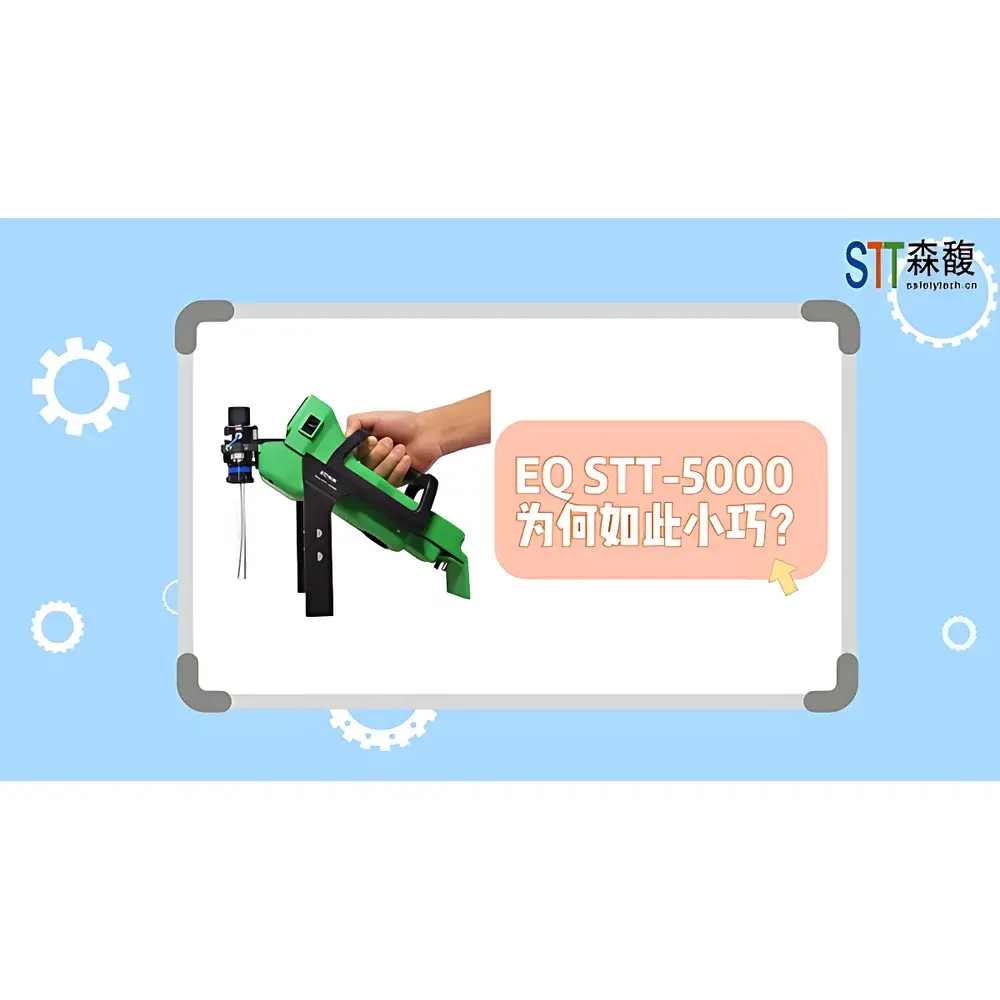
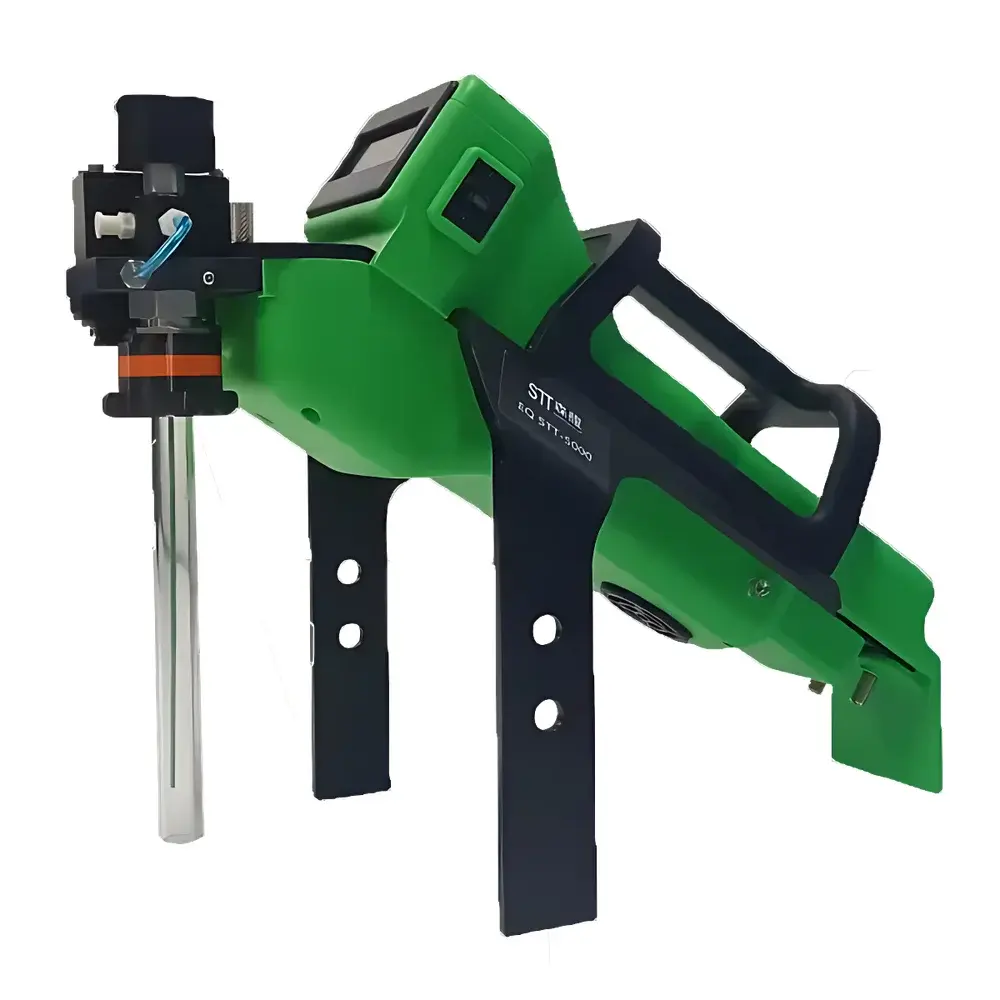
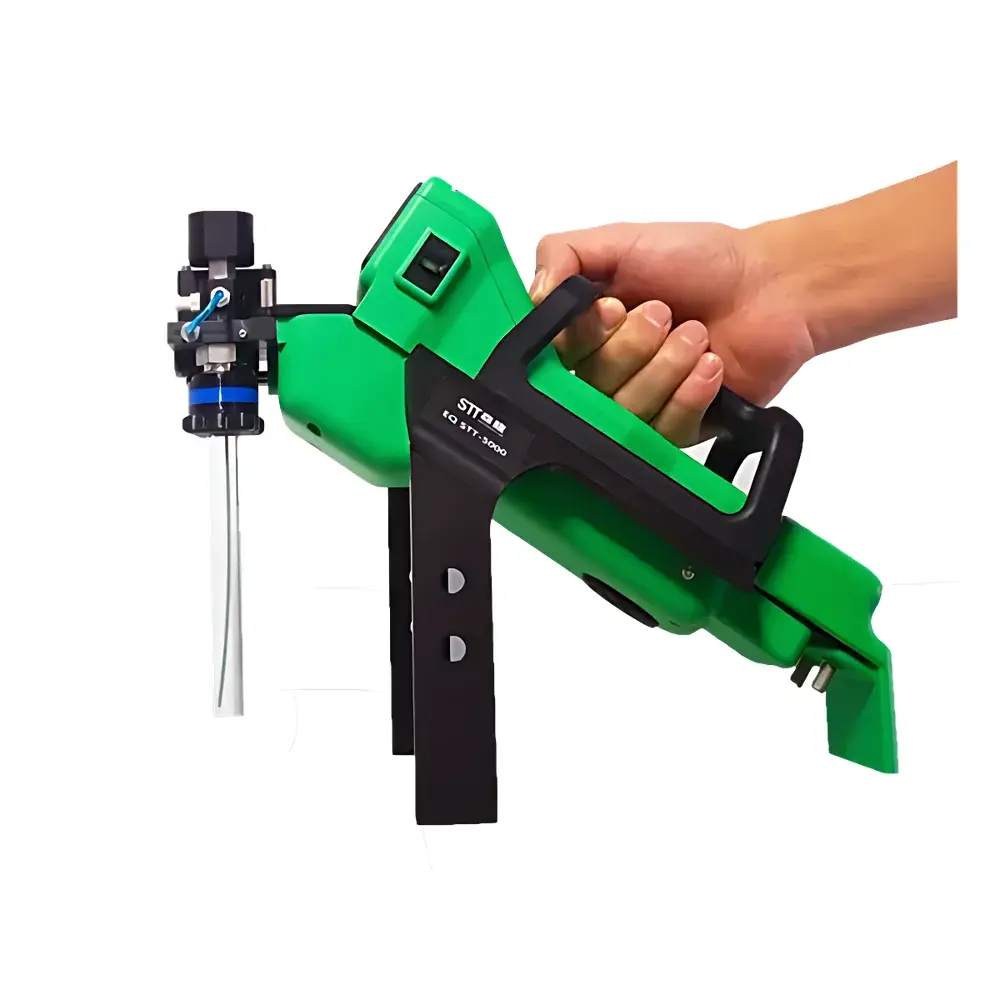
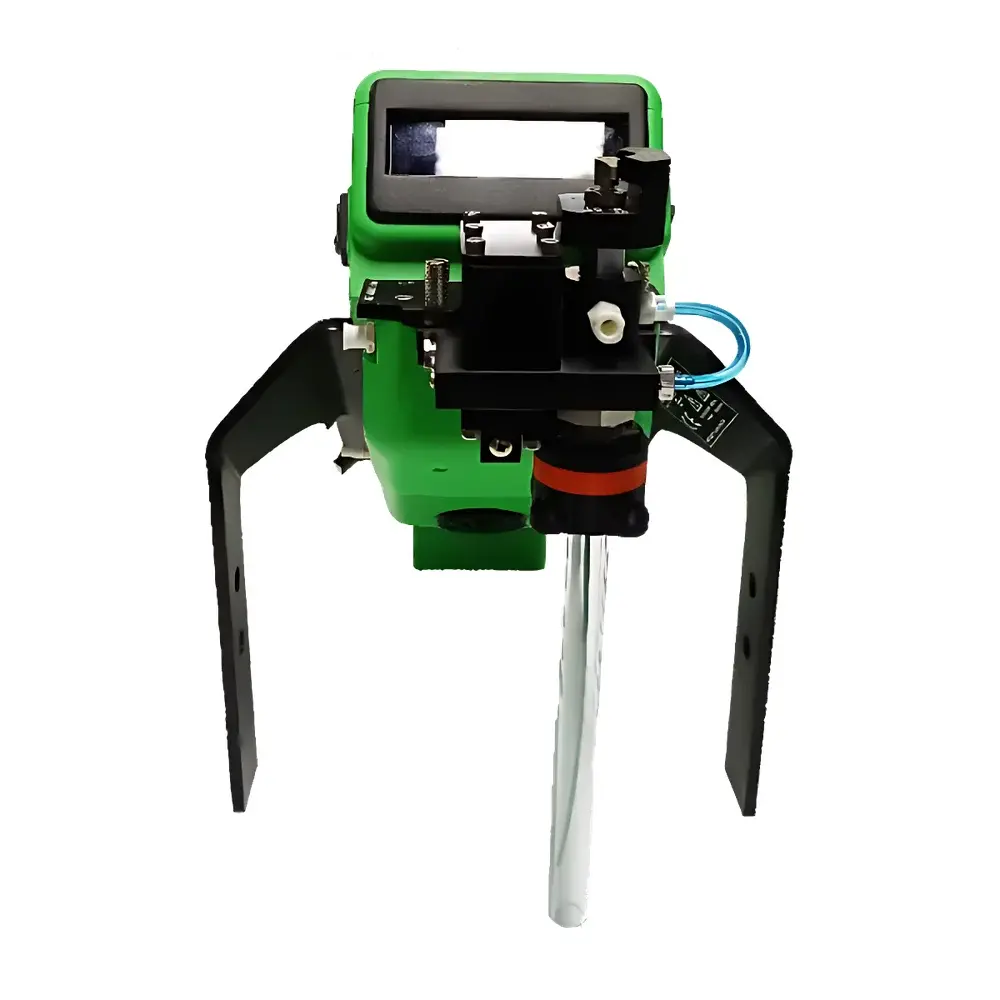
EQ STT-5000 Portable Gas Chromatograph
| Brand | STT |
|---|---|
| Origin | Beijing, China |
| Manufacturer | STT Senfu Technology |
| Model | EQ STT-5000 |
| Detection Limit | 0.1 ppb for benzene (0.0003 mg/m³) |
| Weight | 2.2 kg |
| Dimensions | 267 × 197 × 308 mm |
| Column | MEMS-based microfabricated capillary column |
| Detector | 10.6 eV Photoionization Detector (PID) |
| Measurement Range | 0.1–300 ppb (low-range mode) or 50 ppb–10 ppm (high-range mode) for benzene |
| Accuracy | ±1% FS |
| Carrier Gas | Ambient air (filtered via activated carbon + molecular sieve) |
| Battery Life | >9 h |
| Analysis Time | ≤10 min per sample |
| Compliance | GB/T 18883–2022 Annex C.3, EPA Method 5035, EPA Method 8021 |
Overview
The EQ STT-5000 Portable Gas Chromatograph is an engineered field-deployable analytical instrument designed for rapid, on-site qualitative and quantitative analysis of volatile organic compounds (VOCs) in air, water, and soil matrices. It operates on the principle of gas chromatography coupled with a 10.6 eV photoionization detector (PID), enabling selective ionization of aromatic and unsaturated hydrocarbons—including benzene, toluene, ethylbenzene, xylenes (BTEX), trichloroethylene, tetrachloroethylene, vinyl chloride, and 2-methylnaphthalene—without fragmenting molecular ions. The system integrates a MEMS-fabricated micro-column module, pre-concentration trap, and embedded thermal desorption unit within a single compact chassis. Its architecture eliminates reliance on external laboratory infrastructure, supporting real-time decision-making during indoor air quality assessments, vehicular cabin monitoring, environmental emergency response, and industrial hygiene surveys.
Key Features
- Field-ready design: Weighing only 2.2 kg and measuring 267 × 197 × 308 mm, the EQ STT-5000 meets IEC 60529 IP54 ingress protection requirements for dust and splash resistance.
- Integrated pre-concentration: A thermally controlled sorbent trap enables analyte enrichment from ambient air volumes (100–500 mL), extending effective detection limits to 0.1 ppb for benzene (equivalent to 0.0003 mg/m³).
- Self-contained operation: Onboard color LCD display, rechargeable lithium-ion battery (>9 h runtime), and internal data storage (≥10,000 spectra) eliminate dependency on external PCs or network connectivity.
- Dual-range quantification: Switchable measurement modes support low-concentration environmental compliance testing (0.1–300 ppb) and higher-level industrial exposure assessment (50 ppb–10 ppm).
- Carrier gas independence: Utilizes filtered ambient air as carrier gas—conditioned by dual-stage filtration (activated carbon for VOC removal, molecular sieve for moisture control)—reducing consumables and logistical overhead.
- Rapid cycle time: Full chromatographic separation, detection, and result reporting completed in ≤10 minutes per sample under standard operating conditions.
Sample Compatibility & Compliance
The EQ STT-5000 is validated for direct headspace analysis of gaseous samples and supports optional accessories for aqueous and solid-phase extraction: a purge-and-trap module for water samples (per EPA Method 5035) and a thermal desorption tube adapter for soil gas/vapor sampling (aligned with ASTM D6196 and ISO 16017-1). Analytical performance conforms to GB/T 18883–2022 Annex C.3 for indoor air benzene determination and satisfies key regulatory benchmarks including EPA Methods 8021 (halogenated VOCs) and 8260D (semi-volatile organics). Instrument firmware maintains audit trails compliant with GLP data integrity requirements, including timestamped method parameters, calibration history, and operator ID logging.
Software & Data Management
Embedded firmware supports method configuration, automatic baseline correction, peak integration using modified Gaussian deconvolution, and library-based compound identification against a built-in spectral database of >120 VOCs. Data export is available via USB 2.0 or Bluetooth 5.0 in CSV and XML formats compatible with LIMS platforms. Optional desktop software provides advanced reporting templates aligned with ISO/IEC 17025 documentation standards, including uncertainty estimation per GUM (Guide to the Expression of Uncertainty in Measurement) principles. All data files are digitally signed and include cryptographic hash verification to ensure forensic-grade traceability.
Applications
- Indoor Air Quality (IAQ) Monitoring: Routine screening of residential, office, and school environments per GB/T 18883–2022 and WHO guidelines.
- Emergency Response: First-responder deployment for chemical release incidents, landfill gas leaks, or post-fire VOC profiling.
- Occupational Health: Personal exposure assessment in petrochemical facilities, paint manufacturing, and adhesive application zones.
- Environmental Site Assessment: Screening of vadose zone vapors, groundwater plume delineation, and brownfield characterization.
- Automotive Cabin Air Testing: Evaluation of off-gassing from interior trim materials under ISO 12219-4 protocols.
FAQ
What regulatory standards does the EQ STT-5000 comply with?
It meets GB/T 18883–2022 Annex C.3, EPA Methods 5035 and 8021, and supports workflows aligned with ASTM D6196 and ISO 16017-1.
Can the instrument analyze water or soil samples without external lab equipment?
Yes—when paired with the optional purge-and-trap module or thermal desorption tube interface, it performs fully field-based VOC extraction and analysis.
How is carrier gas purity ensured in uncontrolled field environments?
Ambient air is continuously drawn through a dual-stage filter: activated carbon removes background VOCs, and a 3 Å molecular sieve eliminates moisture interference.
Is the 0.1 ppb detection limit for benzene achievable in real-world field conditions?
Yes—the specified limit is validated under ISO 17025-accredited conditions using certified reference standards and representative matrix interferences (e.g., humidity up to 85% RH, temperature range 5–40°C).
Does the system support remote data synchronization or cloud upload?
No—data remains locally stored to maintain chain-of-custody integrity; transfer occurs only via encrypted USB or Bluetooth to authorized endpoints.
Related Products





