
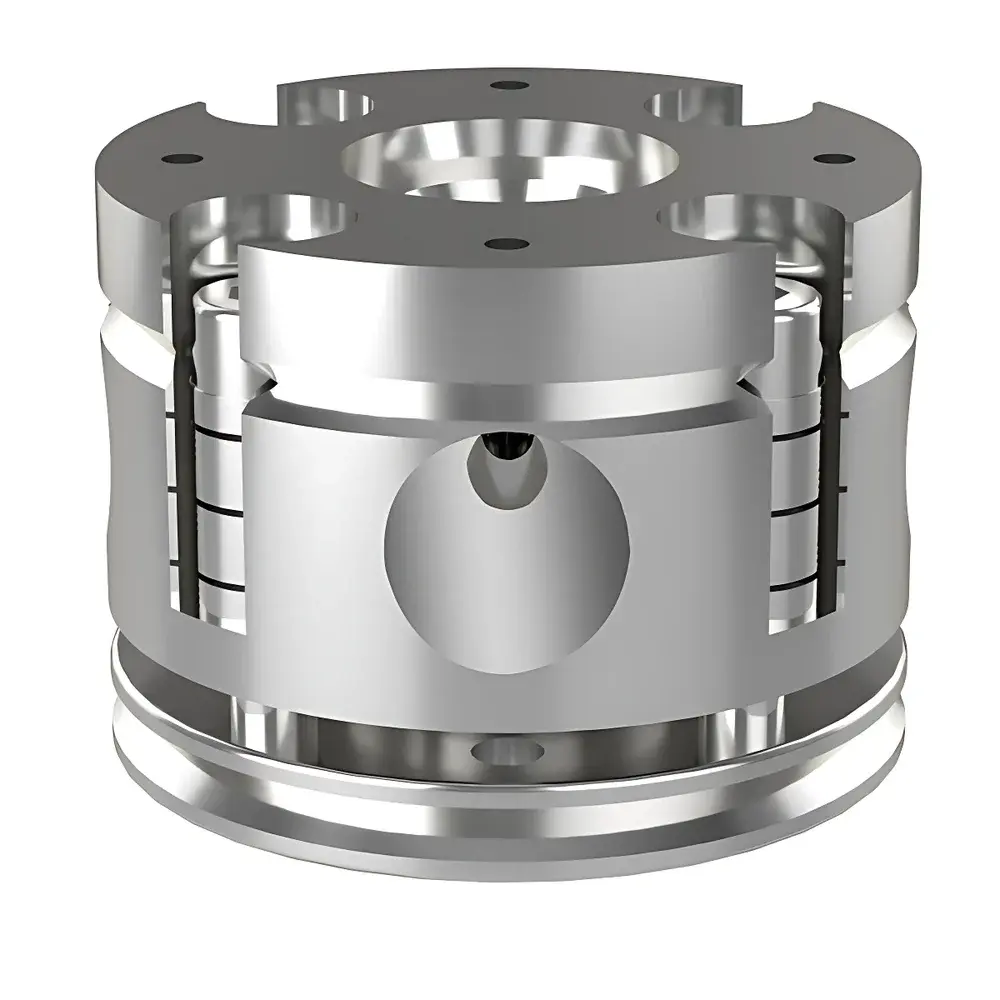
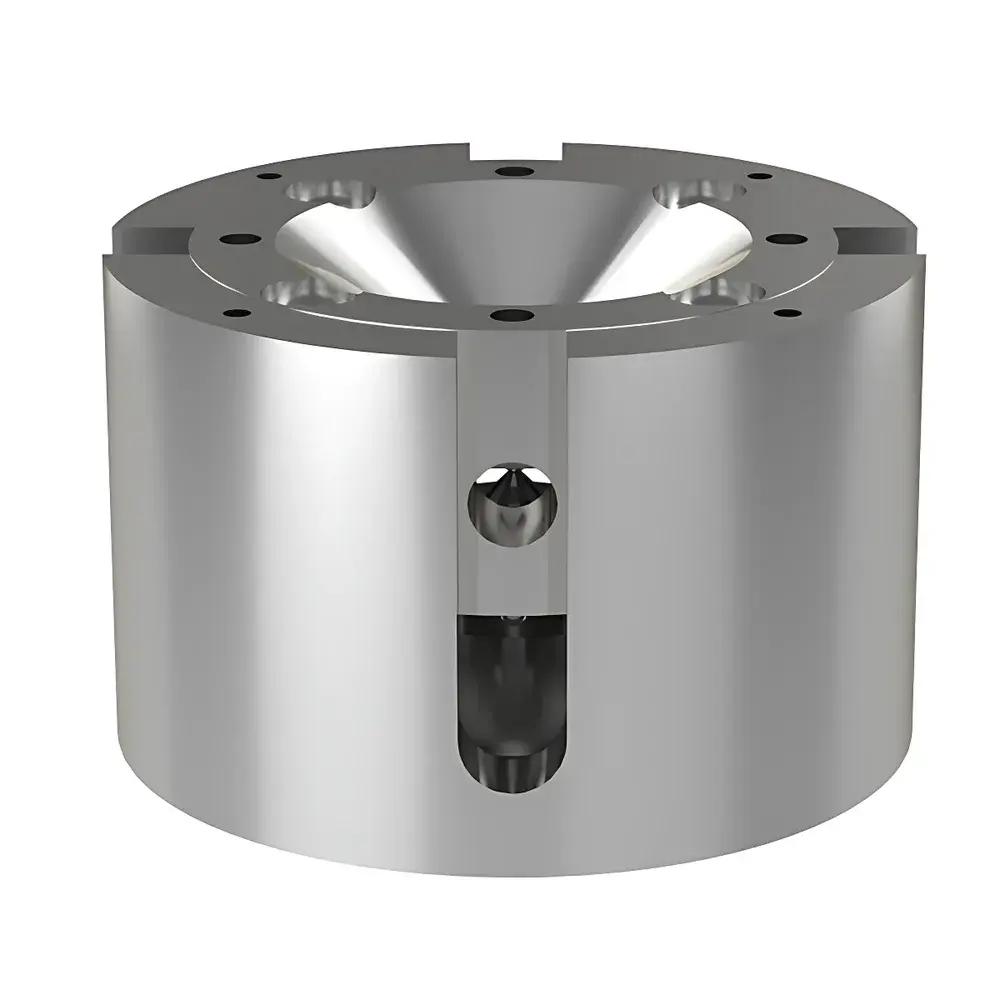
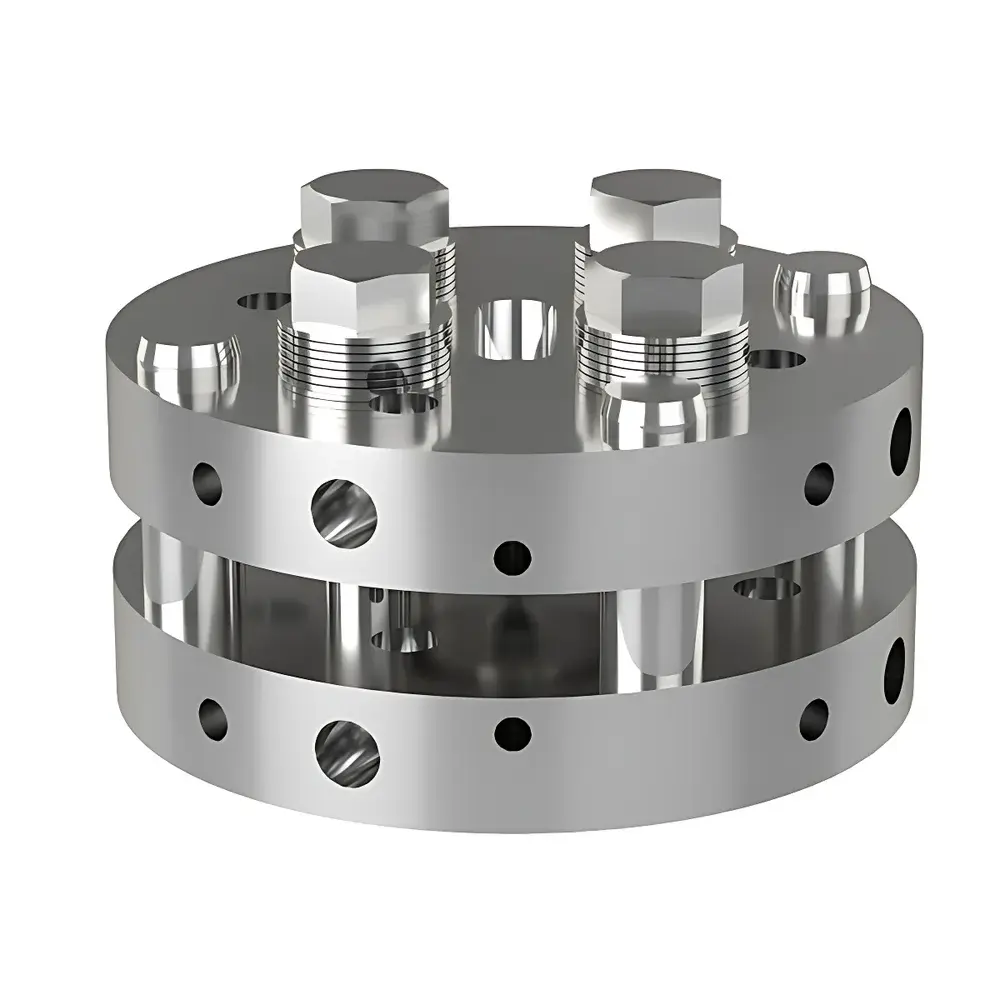
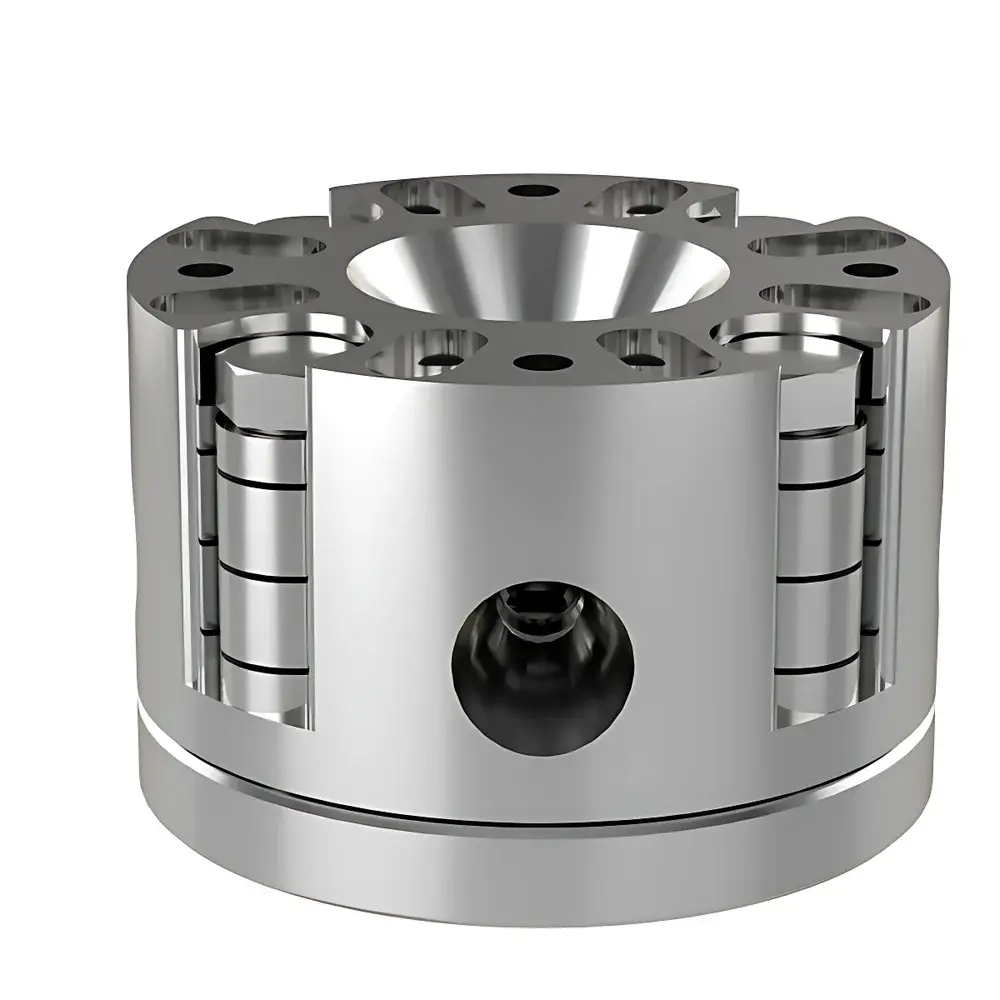
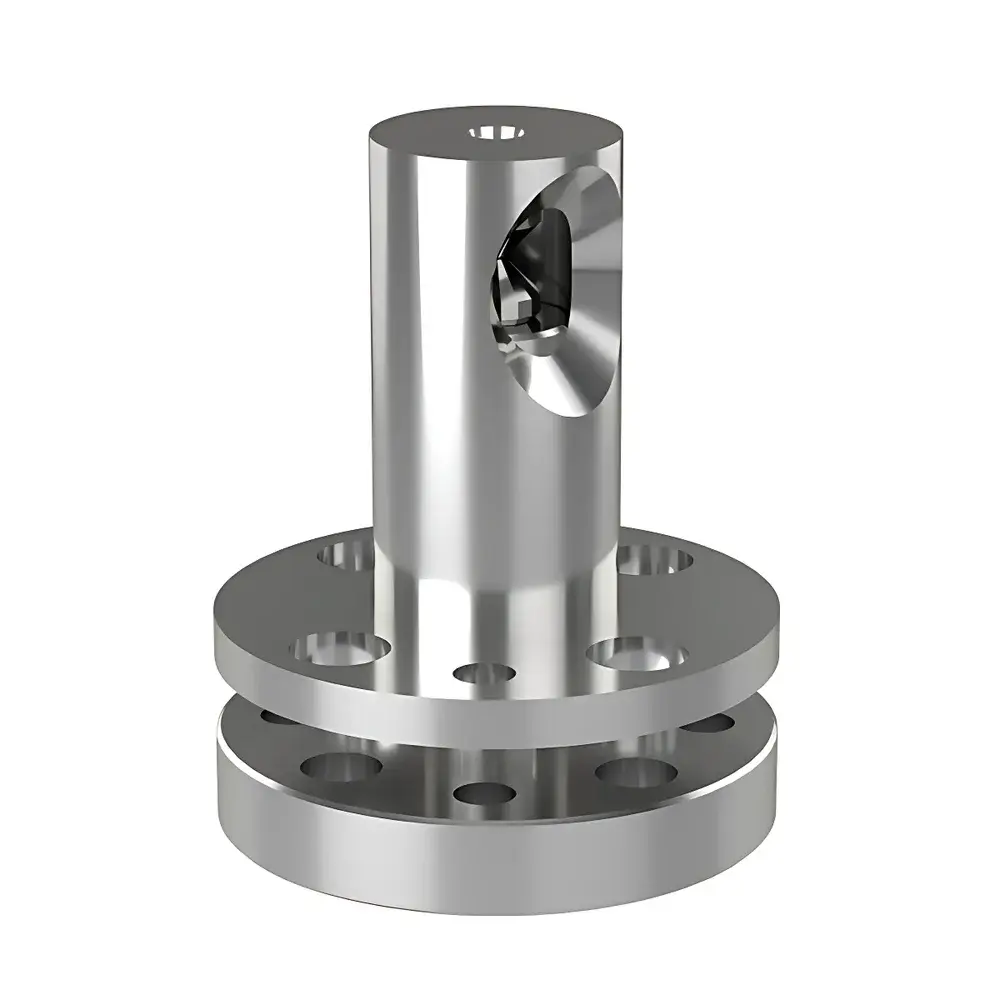
GKINST Customizable Diamond Anvil Cell (DAC) System
| Brand | GKINST |
|---|---|
| Origin | Anhui, China |
| Manufacturer Type | Authorized Distributor |
| Country of Origin | China |
| Model | Customizable DAC |
| Pricing | Available Upon Request |
| Maximum Pressure | Up to 300 GPa (under proper operation and calibration) |
| Symmetric Configuration | Standard |
| High-Temperature Capability | Custom-integrated |
| Maximum Diffraction Angle | ≥50° |
| Alignment Precision | ≤3 µm |
| Interference Fringe Count (Post-Alignment) | ≤1.5 fringes |
| Dual-Function Compatibility | Simultaneous high-pressure and electrical transport measurements |
Overview
The GKINST Customizable Diamond Anvil Cell (DAC) System is a precision-engineered high-pressure research platform designed for synchrotron X-ray diffraction (XRD), Raman spectroscopy, optical absorption, and in situ electrical transport measurements under extreme thermodynamic conditions. Based on the fundamental principle of hydrostatic or quasi-hydrostatic pressure generation via opposed diamond anvils—typically type Ia natural or high-quality synthetic diamonds—the system compresses microscale samples (typically 10–50 µm in diameter) within a gasketed chamber to achieve pressures exceeding 300 GPa. This performance envelope places the DAC among the most capable static high-pressure devices available for condensed-matter physics, geochemistry, materials science, and planetary science laboratories. The device operates on the well-established Bridgman anvil principle, where force applied through precision-machined mechanical components (e.g., piston sleeves, loading screws, and backing plates) is concentrated over the culet area of the diamonds, enabling pressure amplification by several orders of magnitude relative to the input load.
Key Features
- Modular, fully customizable architecture supporting symmetric and non-symmetric configurations for diverse experimental geometries.
- Sub-micron alignment capability: Achieves ≤3 µm positional tolerance between opposing diamond culets, verified via real-time interferometric monitoring (≤1.5 interference fringes post-alignment).
- Integrated high-temperature compatibility: Optional resistive or laser-heated variants support in situ thermal control up to >2500 K, with precise thermocouple or pyrometric readout integration.
- Dual-functional design: Engineered to accommodate simultaneous high-pressure X-ray diffraction and four-probe electrical transport measurements without compromising mechanical stability or beam access.
- Optimized diffraction geometry: Enables maximum accessible scattering angles ≥50°, ensuring sufficient Q-space coverage for structural refinement of compressed phases—including low-symmetry and amorphous systems.
- Robust mechanical construction: Piston sleeves, gasket holders, and load-transfer components are fabricated from high-strength stainless steel or maraging steel, ensuring long-term dimensional stability and reproducibility across repeated compression cycles.
Sample Compatibility & Compliance
The GKINST DAC accommodates a broad range of sample media—including single crystals, polycrystalline powders, thin films, liquids, and reactive gases—when sealed within inert gasket materials (e.g., rhenium, tungsten, or borosilicate glass). Gasket thickness and hole geometry are user-selectable to balance pressure transmission efficiency and sample volume. All standard DAC configurations comply with common synchrotron beamline interface specifications (e.g., APS 16-ID-D, ESRF ID27, SPring-8 BL10XU), including standard kinematic mounts and vacuum-compatible flanges (CF-35/CF-63). For regulated research environments, the system supports documentation traceability per GLP/GMP-aligned workflows; while the DAC itself is not a medical device, its use in materials qualification for aerospace or nuclear applications aligns with ASTM E29, ISO/IEC 17025 measurement uncertainty frameworks, and pressure calibration protocols traceable to NIST SRM standards.
Software & Data Management
Although the DAC is a passive mechanical platform, GKINST provides optional integration support for third-party control and data acquisition ecosystems. This includes compatibility with LabVIEW-based pressure ramping scripts, Python-driven motorized stage controllers (e.g., Thorlabs KDC101), and synchronization triggers for time-resolved XRD or pump-probe optical setups. All custom DAC builds include comprehensive mechanical drawings, alignment SOPs, and pressure calibration lookup tables (based on ruby fluorescence or gold equation-of-state references). Audit-ready metadata logging—including timestamped alignment records, gasket deformation metrics, and load-cell readings—is supported when interfaced with compliant DAQ hardware meeting FDA 21 CFR Part 11 requirements for electronic records.
Applications
- Equation-of-state determination of Earth’s lower-mantle minerals (e.g., bridgmanite, ferropericlase) under geophysically relevant P–T conditions.
- In situ phase transition studies of quantum materials (e.g., hydrogen sulfide, iron-based superconductors) at multi-Mbar pressures.
- High-pressure catalysis and reaction kinetics in confined nanoreactors using gas-loaded DACs with membrane-sealed chambers.
- Structural characterization of metastable polymorphs synthesized under non-ambient conditions, validated via Rietveld refinement of synchrotron XRD patterns.
- Correlative high-pressure spectroscopy: simultaneous collection of XRD, Raman, and resistivity data to decouple electronic and lattice responses during compression.
FAQ
What is the maximum static pressure achievable with this DAC system?
Under optimal alignment, appropriate gasket geometry, and verified ruby fluorescence calibration, pressures up to 300 GPa have been reliably attained in peer-reviewed experiments using this DAC architecture.
Can the DAC be used for combined X-ray diffraction and electrical transport measurements?
Yes—symmetric configurations include dedicated electrode feedthroughs and low-noise wiring pathways compatible with standard cryogenic probe stations and lock-in amplifiers.
Is high-temperature capability standard or optional?
High-temperature modules (resistive heating, laser heating, or hybrid schemes) are offered as configurable options based on user-defined P–T targets and beamline constraints.
Does GKINST provide pressure calibration services or reference standards?
Each DAC shipment includes a calibrated ruby chip set and documented pressure–wavelength lookup tables aligned with the Mao et al. (1986) and Dorogokupets & Oganov (2007) equations of state.
Are technical drawings and assembly instructions provided with custom orders?
Yes—all custom DAC deliveries include full CAD models (STEP/IGES), annotated assembly diagrams, torque specifications for loading screws, and interferometric alignment protocols.





