
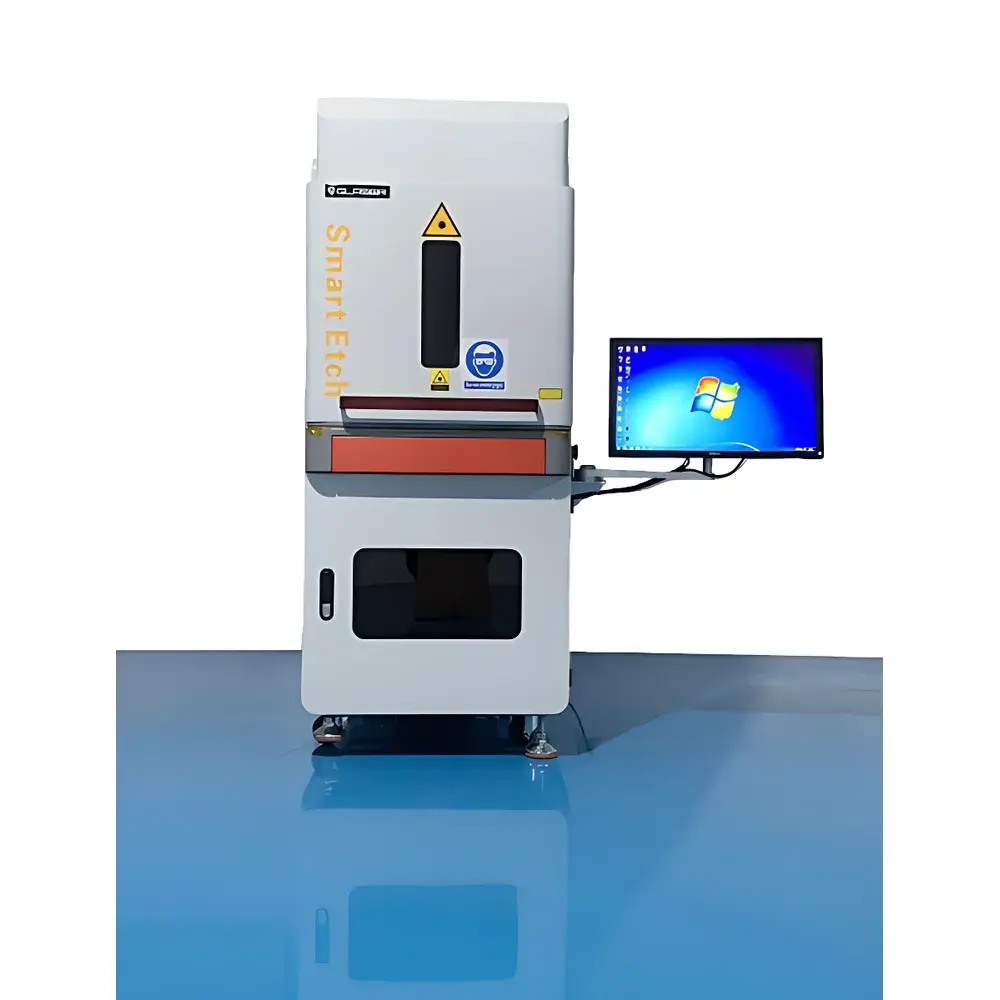
GLASER SMART ETCH UV Laser Delidding System for Semiconductor Failure Analysis
| Brand | GLASER |
|---|---|
| Origin | Jiangsu, China |
| Model | SMART ETCH UV |
| Laser Wavelength | 355 nm |
| Pulse Width | 10 ± 5 ns @ 40 kHz, 20 ± 5 ns @ 100 kHz |
| Average Power | 7 W @ 60 kHz |
| Pulse Energy | 125 µJ |
| Output Power Range | 1–100% |
| Max Scanning Area | 110 mm × 110 mm |
| Beam Quality (M²) | ≤ 1.2 |
| Scan Speed | 13,000 mm/s |
| Delidding Speed | ≥ 3,000 mm/s |
| Single-Pass Depth Control | 0.01–1.0 mm |
| Sample Height Range | 0.5–70 mm |
| Camera Resolution | 20 MP color CCD |
| Filtration Efficiency | >98% for particles ≥ 0.3 µm |
| Operating Gas | Compressed air or N₂, 0.3 MPa |
| Safety Class | Class I (interlocked) |
| Dimensions (W×D×H) | 730 × 1100 × 1600 mm |
| Weight | 280 kg |
Overview
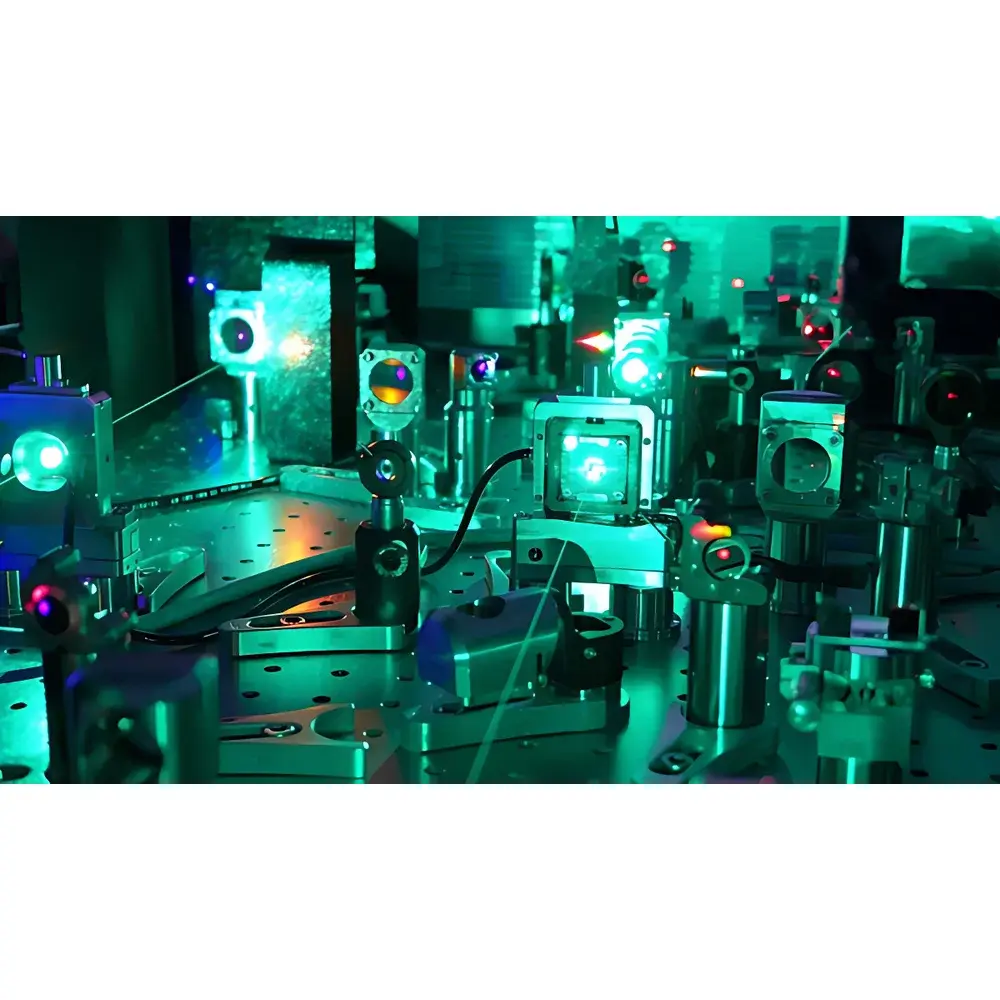
The GLASER SMART ETCH UV Laser Delidding System is a precision-engineered tool designed for non-destructive, localized removal of epoxy mold compound (EMC) and other encapsulation materials from semiconductor packages. It operates on the principle of ultraviolet (355 nm) pulsed laser ablation—where high-peak-power nanosecond pulses selectively decompose polymer matrices through photochemical bond scission and mild thermal interaction, minimizing heat-affected zones and preserving underlying die structures, bond wires (Cu, Au, Ag), and interconnect integrity. Unlike wet chemical decapsulation—which involves hazardous acids (e.g., fuming nitric or sulfuric acid) and carries risks of corrosion, residue entrapment, and process variability—the SMART ETCH UV enables dry, maskless, and spatially programmable delidding under ambient conditions. Its co-axial, confocal optical architecture integrates the laser delivery path with a high-resolution 20 MP color imaging system, ensuring real-time visual feedback and “what-you-see-is-what-you-ablate” operational fidelity—critical for failure analysis (FA) labs conducting root-cause investigations per JEDEC JESD22-A108, IPC-J-STD-033, and AEC-Q200 reliability standards.
Key Features
- UV nanosecond laser source (355 nm) with stable pulse energy (125 µJ) and adjustable repetition rate (single-shot to 200 kHz), optimized for low-thermal-load ablation of EMC, silicone gels, and underfill materials.
- Co-axial and confocal optical design: laser beam and imaging axis share the same optical path, enabling precise in-situ monitoring without parallax error or manual re-alignment.
- Intuitive graphical user interface with drag-and-drop pattern drawing, automated focus calibration, ROI-based parameter mapping, and barcode-assisted sample registration.
- Direct import capability for X-ray CT or acoustic micro-imaging (SAT) overlays—enabling pixel-accurate targeting of subsurface defects (e.g., voids, delamination, wire sweep) prior to ablation.
- Integrated high-efficiency particulate filtration system (HEPA + activated carbon), achieving >98% capture efficiency for airborne epoxy particulates ≥ 0.3 µm—ensuring operator safety and cleanroom compatibility (ISO Class 5–7).
- Class I laser safety enclosure with dual-channel hardware interlocks, emergency stop circuitry, and real-time beam shutter control compliant with IEC 60825-1:2014.
Sample Compatibility & Compliance
The SMART ETCH UV accommodates a broad range of package formats including QFP, BGA, CSP, WLCSP, SiP, and stacked-die configurations with substrate heights from 0.5 mm to 70 mm. It supports both rigid PCB-mounted devices and bare dies mounted on custom carriers. The system meets essential regulatory and quality requirements for analytical laboratories: full traceability of ablation parameters (power, speed, dwell time, layer count) with timestamped logs; audit-ready data export (CSV, TIFF, JSON); and optional 21 CFR Part 11-compliant software modules for electronic signatures and change control. All operational protocols align with JEDEC failure analysis guidelines and support GLP/GMP documentation workflows.
Software & Data Management
The proprietary SMART ETCH Control Suite provides deterministic, repeatable process execution via layered recipe management—allowing storage of multi-step ablation sequences (e.g., coarse removal → fine trenching → edge cleaning). Each session generates a structured metadata bundle containing laser settings, camera snapshots, stage coordinates, and environmental sensor readings (temperature, humidity). Data export conforms to FA lab LIMS integration standards, supporting direct ingestion into platforms such as Thermo Fisher Scientific’s Pathology Workflow Manager or Bruker’s ESPRIT. Software updates are delivered via secure HTTPS with cryptographic signature verification.
Applications
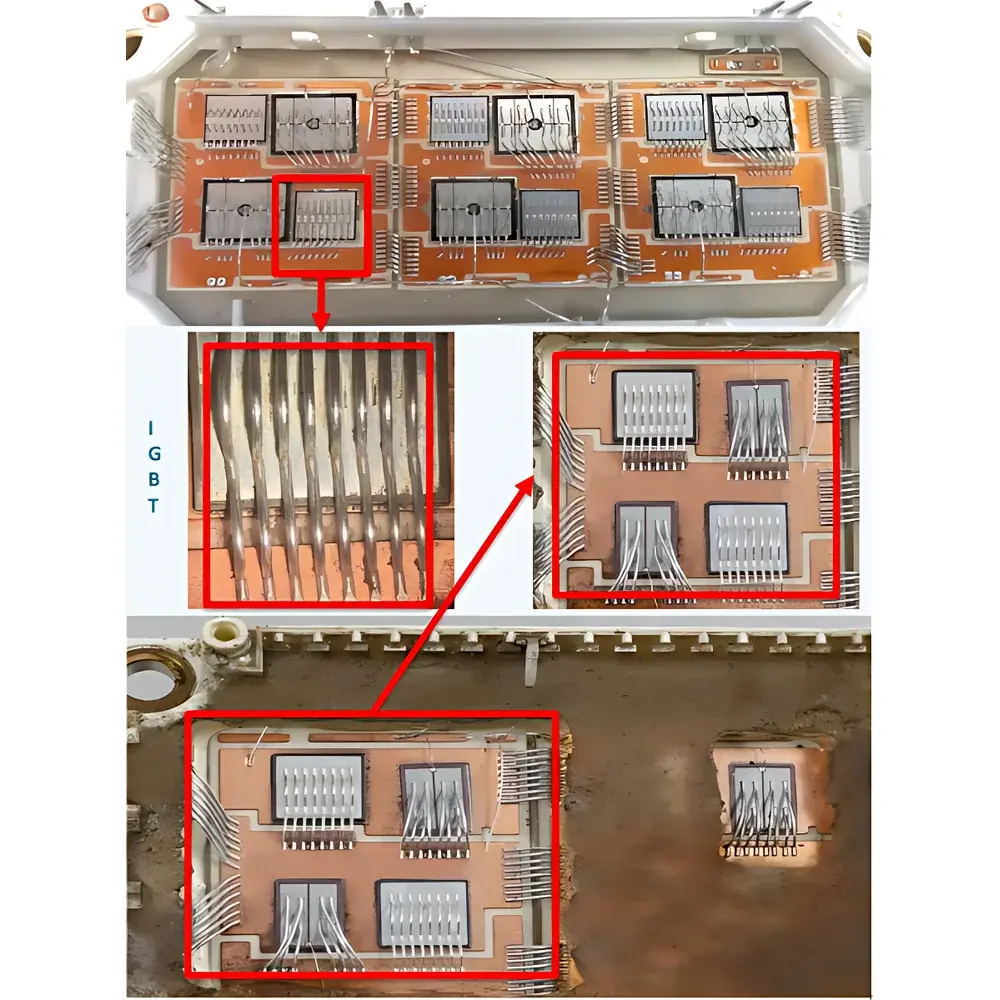
Primary use cases include: cross-sectional analysis of solder joint integrity post-thermal cycling; identification of bond wire lift-off or cratering; localization of moisture-induced corrosion beneath molding compound; validation of underfill coverage in flip-chip assemblies; and preparation of samples for subsequent SEM/EDS, FIB-SEM, or nano-IR spectroscopy. The system also supports controlled material removal for probe pad exposure in IC reverse engineering and functional test access—without compromising electrical continuity or inducing latent damage.
FAQ
Is the SMART ETCH UV compatible with lead-free and halogen-free encapsulants?
Yes—its 355 nm UV ablation mechanism effectively processes modern low-alpha, high-Tg, and halogen-free EMC formulations without charring or carbonization.
Can the system perform depth-controlled ablation through multiple layers (e.g., mold compound → underfill → die passivation)?
Yes—layer-by-layer ablation is achievable using programmable depth stepping, with real-time visual confirmation at each interface.
What maintenance is required for long-term optical stability?
Annual calibration of beam alignment and focus position is recommended; laser source lifetime exceeds 20,000 hours under standard operating conditions.
Does the system support automated batch processing of identical packages?
Yes—via CSV-driven sample mapping and recipe auto-loading, enabling unattended operation across up to 99 units per run.
Is nitrogen purge necessary during ablation?
Nitrogen assist is optional but recommended for oxygen-sensitive die surfaces (e.g., Al metallization); compressed air suffices for most routine decapsulation tasks.
Related Products



