
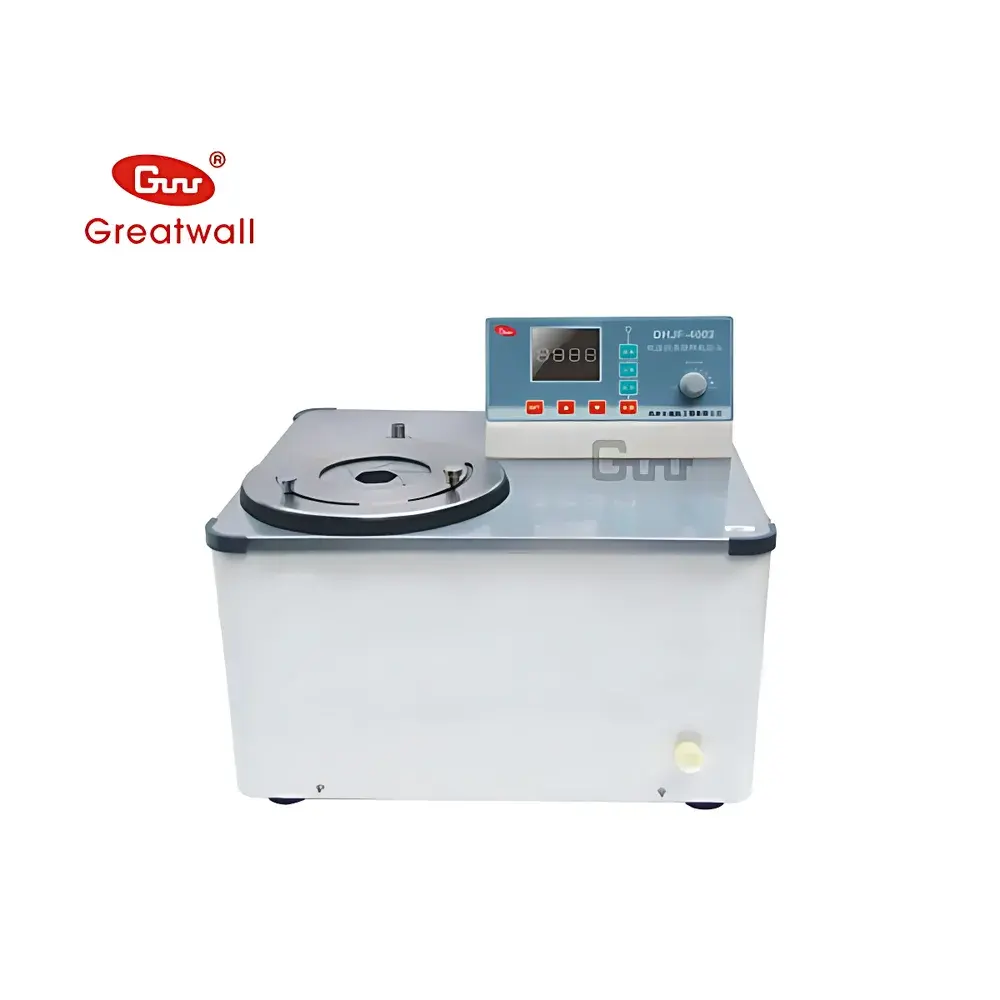
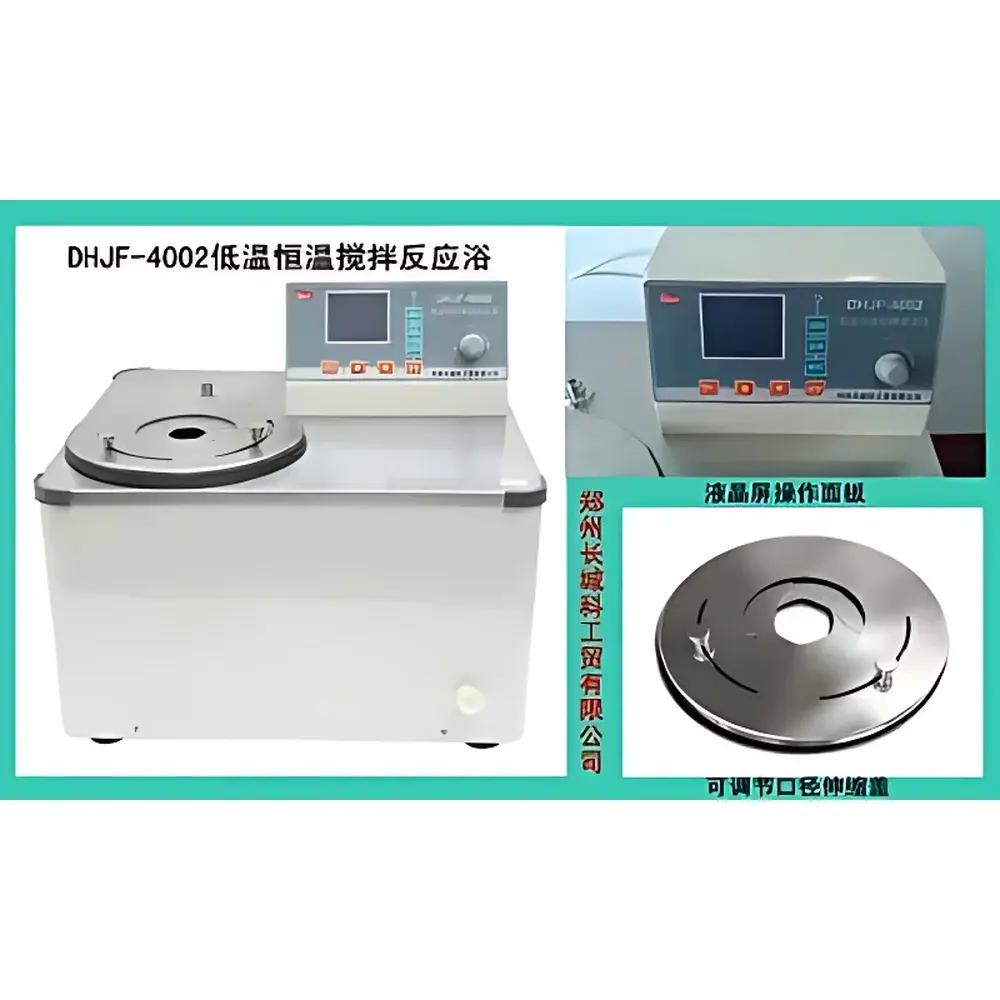
The Great Wall DHJF-4002 Low-Temperature Constant-Temperature Stirring Bath
| Brand | The Great Wall |
|---|---|
| Origin | Henan, China |
| Manufacturer Type | Direct Manufacturer |
| Product Category | Domestic |
| Model | DHJF-4002 |
| Instrument Type | Circulating Constant-Temperature Bath |
| Circulation Mode | External Circulation |
| Temperature Control | Refrigeration & Heating Dual-Mode |
| Bath Volume | 2 L |
| Temperature Range | −40 °C to +99 °C |
| Temperature Stability | ±0.2 °C |
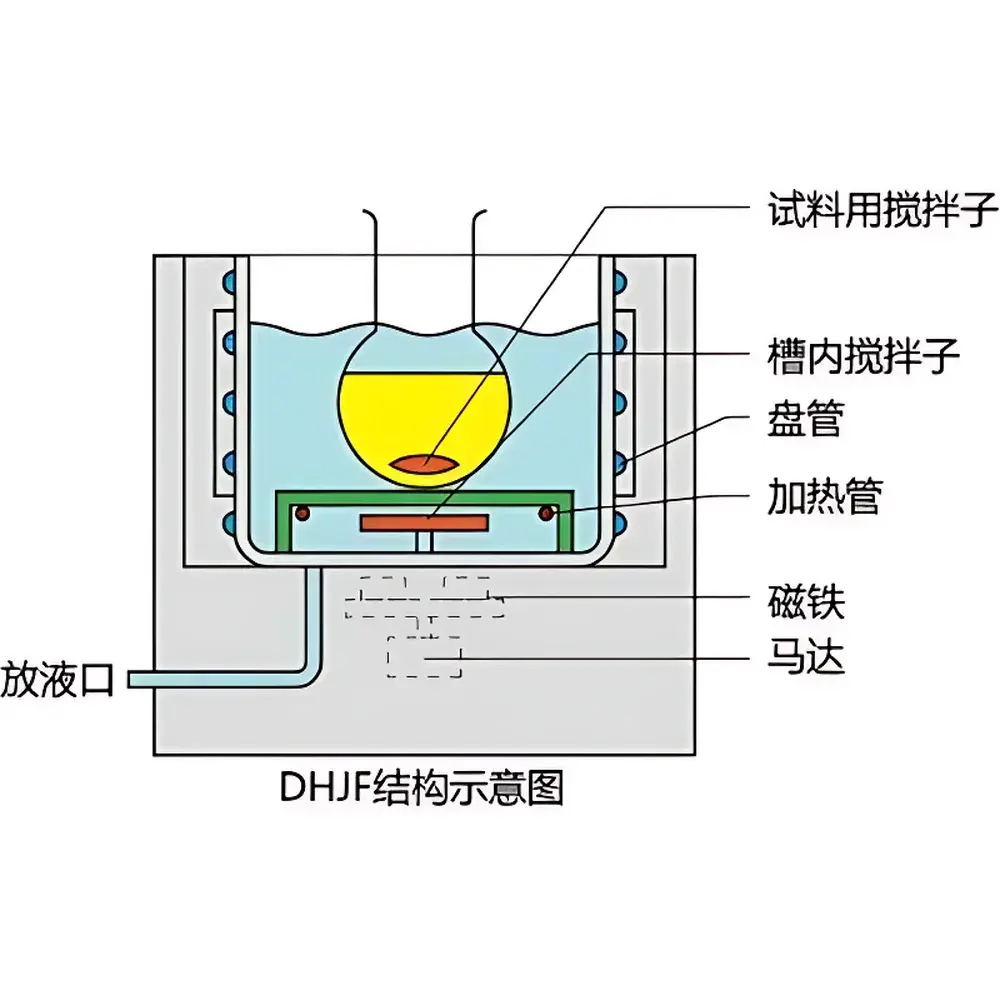
| Stirring System | Sealed Magnetic Stirrer with Optional Internal Secondary Stirring |
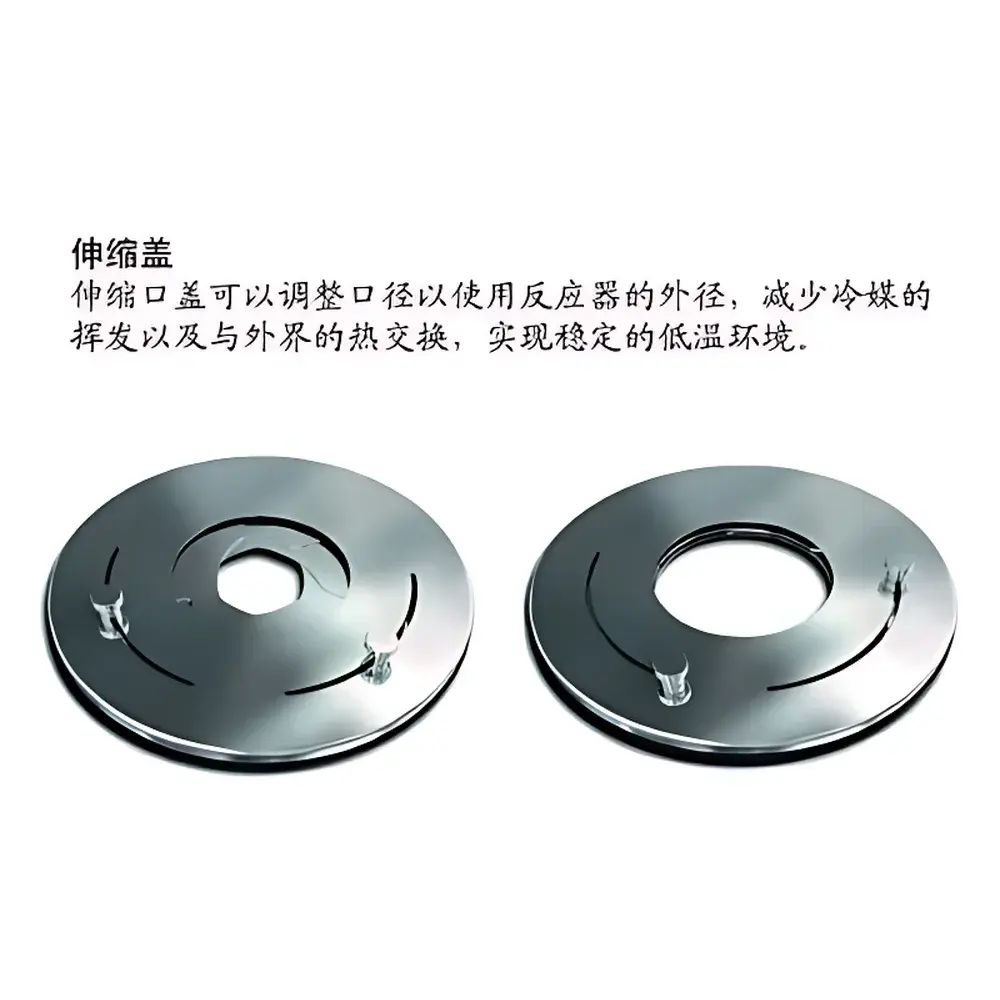
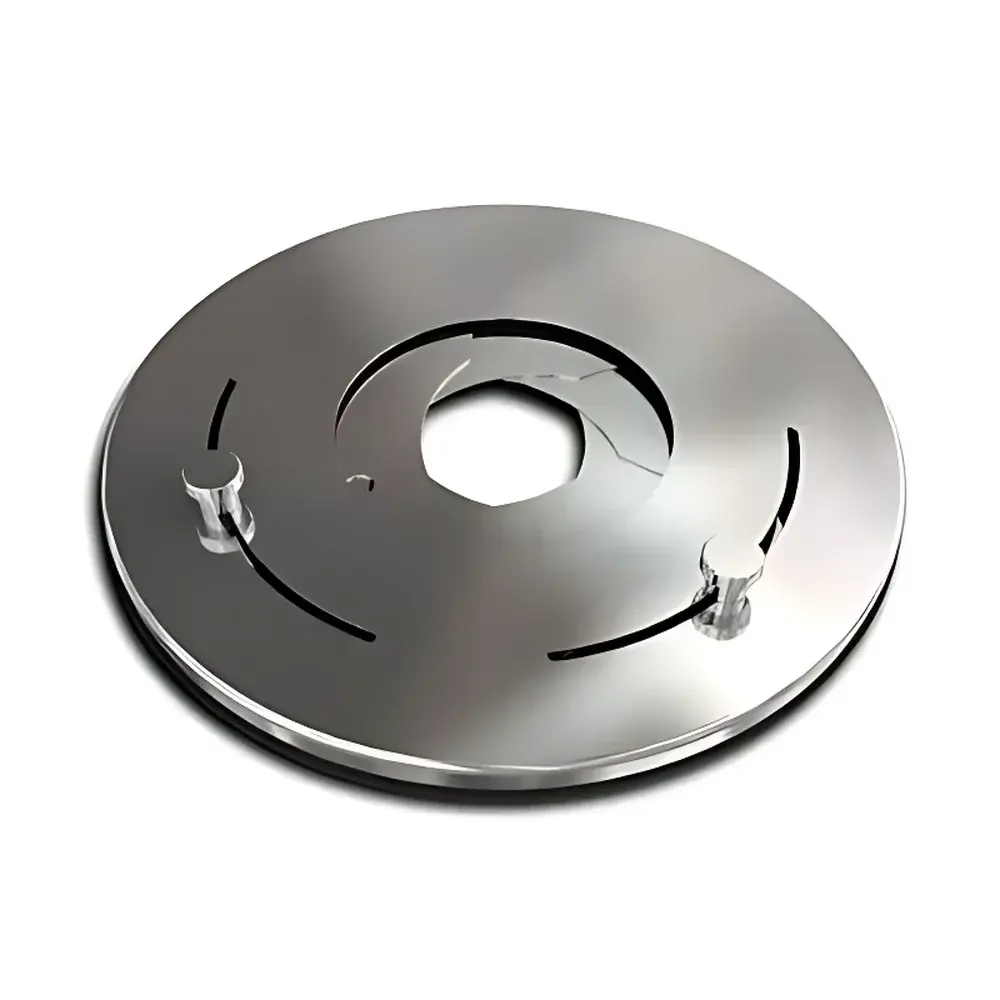
| Bath Lid | Adjustable Aperture |
| Drain Port | Integrated Drain Valve |
| Compressor | Industrial-Grade Hermetic Compressor |
| Mounting Fixture | Standard Rod Holder for Probes, Burettes, and Sensors |
Overview
The Great Wall DHJF-4002 Low-Temperature Constant-Temperature Stirring Bath is a precision-engineered laboratory thermal management system designed for active temperature control and homogeneous mixing of reaction vessels in demanding scientific applications. Unlike passive cooling methods such as dry ice or liquid nitrogen baths—which introduce thermal gradients, handling hazards, and limited operational duration—the DHJF-4002 employs a closed-loop refrigeration-heating cycle combined with dual-stage magnetic agitation to maintain stable, reproducible thermal conditions across the entire sample volume. Its operating range spans from −40 °C to +99 °C, enabling low-temperature enzymatic assays, cryochemical synthesis, controlled crystallization, and high-temperature kinetic studies—all within a single compact unit. The bath integrates a hermetically sealed compressor, high-efficiency heat exchanger, and PID-controlled digital thermostat to deliver ±0.2 °C temperature stability over time—critical for protocols requiring strict thermal compliance per ISO/IEC 17025 or GLP guidelines.
Key Features
- Integrated dual-mode thermal control: simultaneous refrigeration and heating via a robust hermetic compressor and resistive heating element, eliminating need for external chillers or hot plates.
- Sealed magnetic stirring mechanism with adjustable speed (0–1200 rpm typical range), ensuring consistent torque transmission without seal wear or fluid contamination.
- Optional secondary internal stirring configuration: compatible with standard PTFE-coated stir bars placed directly inside reaction vessels, enabling synchronized agitation between bath medium and sample—minimizing radial and axial thermal stratification.
- Adjustable bath lid aperture: reduces evaporation and cryogen consumption during sub-zero operation while accommodating various vessel neck diameters (e.g., 24/40, 29/32 ground glass joints).
- Dedicated mounting rod holder: standardized 12 mm diameter vertical support rod with locking collar, facilitating secure positioning of pH electrodes, temperature probes, burettes, or condenser assemblies.
- Front-panel digital interface: LED display with keypad input for precise setpoint entry, real-time bath temperature readout, and status indicators for compressor, heater, and stirrer activation.
- Drain valve integrated at base: brass quick-release valve positioned for complete, tool-free bath fluid evacuation—essential for maintenance, coolant replacement, or cross-contamination prevention between experiments.
Sample Compatibility & Compliance
The DHJF-4002 accommodates standard laboratory glassware including round-bottom flasks (up to 2 L), jacketed reactors, beakers, and test tubes—provided external dimensions fit within the 2 L bath chamber (approx. Ø180 × H150 mm). Its stainless-steel inner tank resists corrosion from water, ethanol/water mixtures, silicone oils, and ethylene glycol-based coolants. The unit complies with IEC 61010-1:2010 for electrical safety in laboratory equipment and meets CE marking requirements for electromagnetic compatibility (EMC Directive 2014/30/EU). While not certified for Class I Division 1 hazardous locations, its sealed compressor and non-sparking stir motor make it suitable for general-purpose chemistry labs operating under standard OSHA and local institutional safety protocols.
Software & Data Management
The DHJF-4002 operates as a standalone instrument with no proprietary software dependency. All operational parameters—including setpoint, actual temperature, stir speed, and run time—are accessible via the front-panel interface. For integration into automated workflows, an optional RS-232 or analog 0–5 V output module (sold separately) enables connection to SCADA systems, LIMS platforms, or data loggers compliant with ASTM E2500-18 for equipment qualification. Audit trails, calibration records, and preventive maintenance logs must be maintained manually per institutional GLP/GMP requirements; the device supports traceable calibration using NIST-traceable reference thermometers per ISO/IEC 17025 Clause 6.5.
Applications
- Enzyme kinetics and protein stability assays requiring precise sub-zero incubation (e.g., lactate dehydrogenase activity at −20 °C).
- Catalytic hydrogenation and Grignard reactions conducted under cryogenic conditions to suppress side reactions.
- Calibration of thermocouples, RTDs, and infrared sensors against a stable thermal reference source.
- Quality control testing of pharmaceutical excipients where polymorphic transitions occur between −30 °C and +80 °C.
- Material science studies involving thermal expansion coefficients of composites or phase-change behavior of shape-memory alloys.
- Teaching laboratories performing Arrhenius plot determinations across broad temperature domains.
FAQ
What coolant fluids are compatible with the DHJF-4002 at −40 °C?
Ethanol/water (30/70 v/v) or commercial low-temperature heat transfer fluids rated for −50 °C service (e.g., Dowtherm J) are recommended. Avoid pure water below 0 °C or glycerol above 60 °C due to viscosity and degradation risks.
Can the DHJF-4002 be used for external jacketed reactor temperature control?
Yes—via its external circulation port (G1/4″ BSP thread), it supports closed-loop recirculation to jacketed vessels up to 5 L capacity when paired with appropriate tubing and flow regulators.
Is the temperature sensor calibrated to NIST standards?
The built-in Pt100 sensor is factory-calibrated; users must perform periodic verification using a NIST-traceable reference thermometer per their internal SOPs.
Does the unit meet FDA 21 CFR Part 11 requirements?
No—this is a non-networked, non-auditable device. Electronic records generated externally (e.g., via connected data loggers) must implement Part 11 controls independently.
What maintenance intervals are recommended for the compressor?
Inspect refrigerant lines and clean condenser coils every 6 months; schedule professional compressor performance validation annually per ISO 5171 guidelines.



