
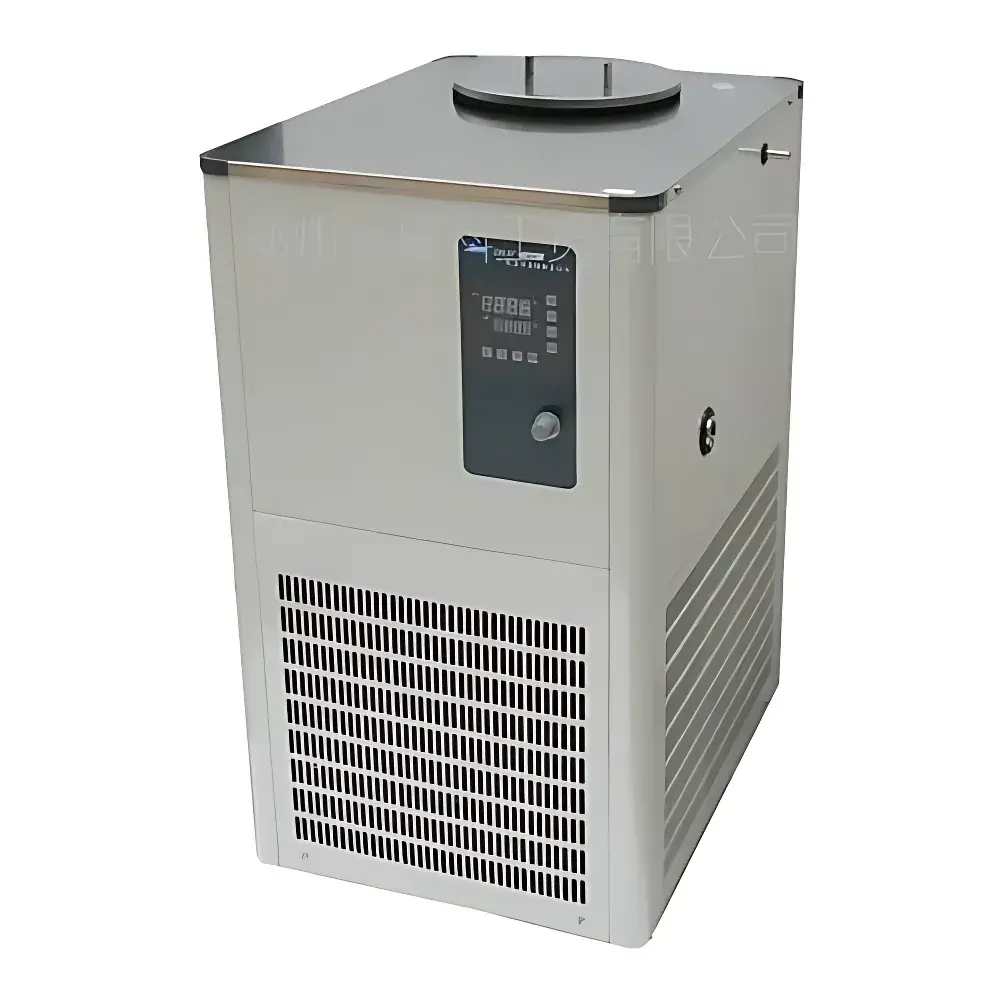
The Great Wall DHJF-4010 Low-Temperature Constant-Temperature Stirring Reaction Bath
| Brand | The Great Wall |
|---|---|
| Origin | Henan, China |
| Manufacturer Type | Direct Manufacturer |
| Product Category | Domestic Instrument |
| Model | DHJF-4010 |
| Instrument Type | Constant-Temperature Bath |
| Circulation Function | External Circulation |
| Temperature Control Mode | Refrigeration & Heating |
| Bath Volume | 10 L |
| Temperature Range | −40 °C to +99 °C |
| Temperature Stability | ±0.2 °C |
Overview
The Great Wall DHJF-4010 Low-Temperature Constant-Temperature Stirring Reaction Bath is an integrated thermal management system engineered for precise temperature control and uniform heat transfer in laboratory-scale chemical synthesis, enzymatic assays, and low-temperature reaction kinetics. Unlike conventional water baths or dry ice/liquid nitrogen setups, this unit employs a closed-loop refrigeration-heating cycle with dual-mode thermoelectric regulation—enabling stable operation across a wide dynamic range from −40 °C to +99 °C. Its core architecture combines a hermetically sealed scroll compressor (from a globally recognized OEM supplier), high-efficiency copper-aluminum evaporator/condenser assembly, and PID-controlled digital thermostatic regulation. The bath operates via forced convection through external recirculation, delivering consistent thermal energy exchange between the reservoir and externally connected reactors—making it suitable for jacketed glassware, coil-cooled vessels, and immersion-based sensor calibration protocols.
Key Features
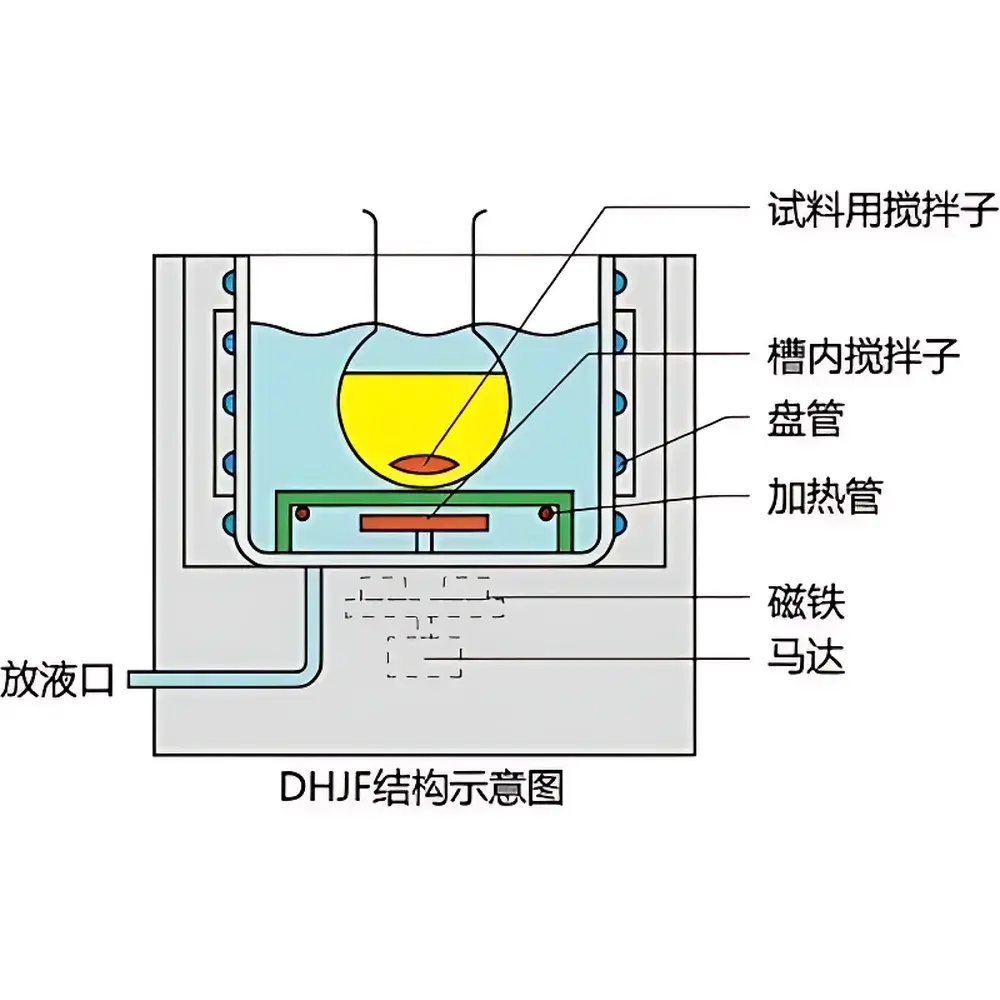
- Full-sealed magnetic stirring mechanism with adjustable speed (0–1200 rpm) and torque compensation, ensuring mechanical stability without seal leakage or vapor intrusion.
- Integrated secondary internal stirring option: compatible with standard PTFE-coated magnetic stir bars placed directly inside reaction vessels, enabling synchronized thermal homogenization across both bath medium and sample matrix.
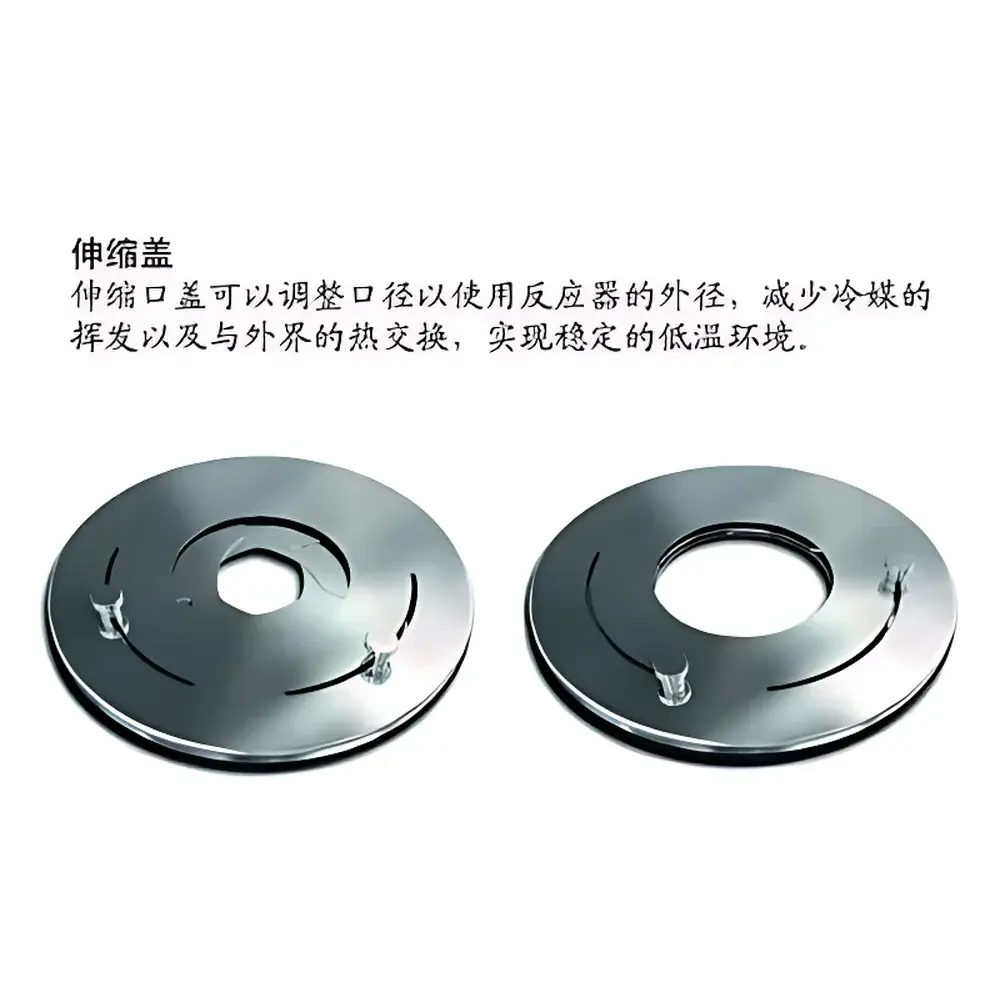
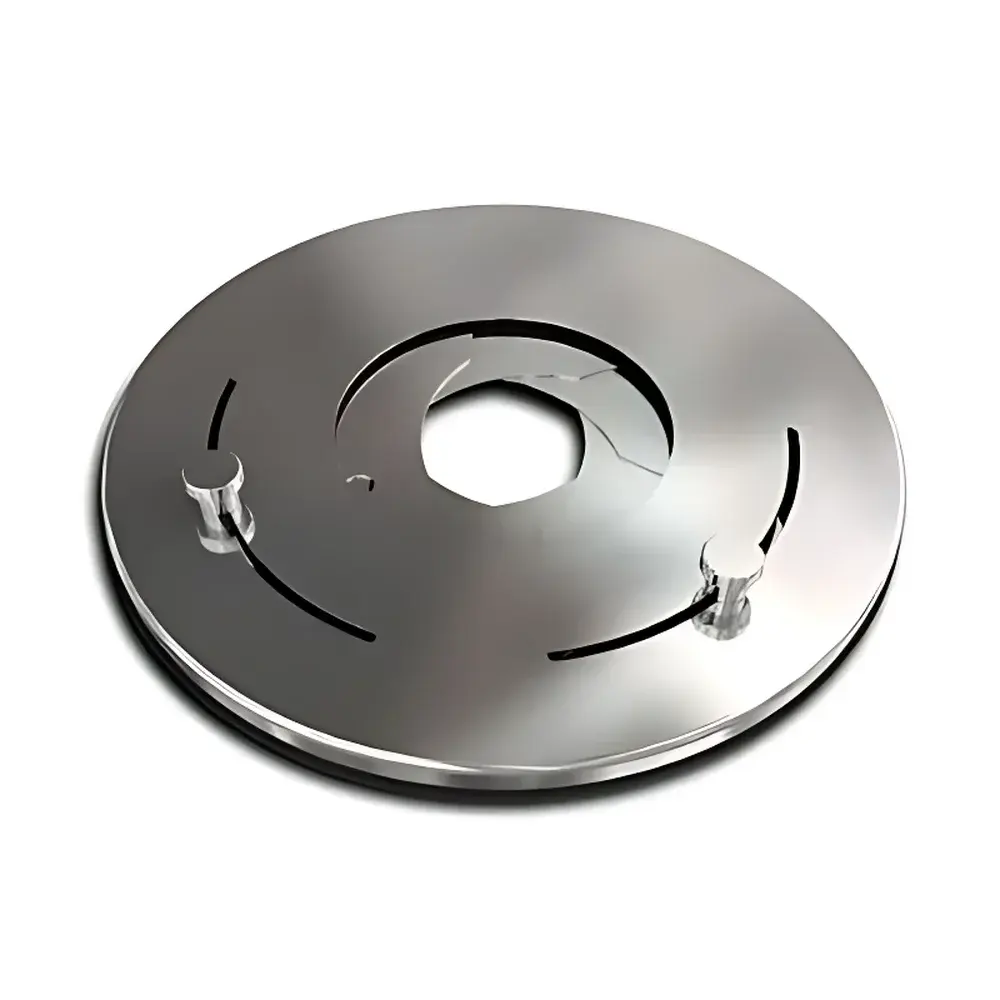
- Adjustable aperture lid with silicone gasket sealing—reduces cryogen evaporation and minimizes ambient heat ingress during sub-zero operation.
- Dual-point temperature monitoring: one sensor embedded in the bath fluid reservoir, another optional PT100 probe port for direct in-vessel measurement (GLP-compliant traceability).
- Ergonomic service design: front-mounted drain valve with quick-release fitting for safe, spill-free coolant replacement; reinforced stainless-steel mounting rod system for secure positioning of burettes, pH electrodes, reflux condensers, or fiber-optic temperature probes.
- Industrial-grade enclosure: cold-rolled steel housing with electrostatic epoxy powder coating (corrosion-resistant per ISO 9227 neutral salt spray test ≥500 h).
Sample Compatibility & Compliance
The DHJF-4010 supports standard laboratory glassware including round-bottom flasks (up to 3 L capacity), jacketed beakers, and immersion-type reaction tubes. Its open-bath geometry accommodates custom adapters for DIN/ISO-standard ports and vacuum line integration. The system complies with IEC 61010-1:2010 safety requirements for electrical equipment used in laboratory environments. All temperature setpoints and operational logs can be recorded in accordance with ALCOA+ principles when paired with validated third-party data acquisition software. While not pre-certified for FDA 21 CFR Part 11, its analog/digital I/O interface enables integration into compliant LIMS or ELN platforms supporting electronic signature and audit trail functionality.
Software & Data Management
The unit features a backlit 4.3-inch TFT LCD interface with intuitive menu navigation and real-time graphical display of temperature trajectory, setpoint deviation, and compressor duty cycle. All parameters—including ramp rate, hold time, and alarm thresholds—are programmable and stored in non-volatile memory (retains settings after power loss). Optional RS485 Modbus RTU output allows bidirectional communication with SCADA systems or LabVIEW-based controllers. Data export is supported via USB flash drive (CSV format), including timestamped temperature readings at user-defined intervals (1 s to 60 min resolution). No proprietary software installation is required; raw logs are natively readable in Excel or Python Pandas for statistical process control (SPC) analysis.
Applications
- Controlled-rate crystallization studies in pharmaceutical intermediate purification.
- Enzyme activity profiling under defined thermal stress conditions (e.g., lactate dehydrogenase kinetics at 4 °C vs. 37 °C).
- Catalytic hydrogenation reactions requiring strict exotherm suppression below −20 °C.
- Calibration of platinum resistance thermometers (PRTs) and thermocouples across ITS-90 reference points.
- Pre-cooling of NMR sample probes prior to acquisition to reduce thermal noise baseline drift.
- Sustained low-temperature storage of sensitive biological reagents during multi-hour assay workflows.
FAQ
What refrigerant is used in the DHJF-4010 system?
R-404A (ASHRAE classification A1, zero ozone depletion potential), charged to ASME BPVC Section VIII Div. 1 specifications.
Can the bath operate continuously at −40 °C?
Yes—under ambient conditions ≤25 °C and relative humidity ≤60%, with recommended minimum coolant volume of 8 L to ensure adequate heat sink capacity.
Is the external circulation pump compatible with organic solvents?
The standard FKM (Viton®) seals and stainless-steel impeller permit use with alcohols, acetone, and chlorinated hydrocarbons; for THF or DMF, optional EPDM wetted parts are available upon request.
Does the unit support remote start/stop via digital input?
Yes—dry-contact terminals (24 VDC logic level) are provided for integration into automated reactor control sequences.
What maintenance intervals are recommended for long-term reliability?
Compressor oil inspection every 2000 operating hours; annual replacement of air intake filter and coolant fluid (use certified synthetic polyol ester oil and inhibited ethylene glycol/water mix).



