
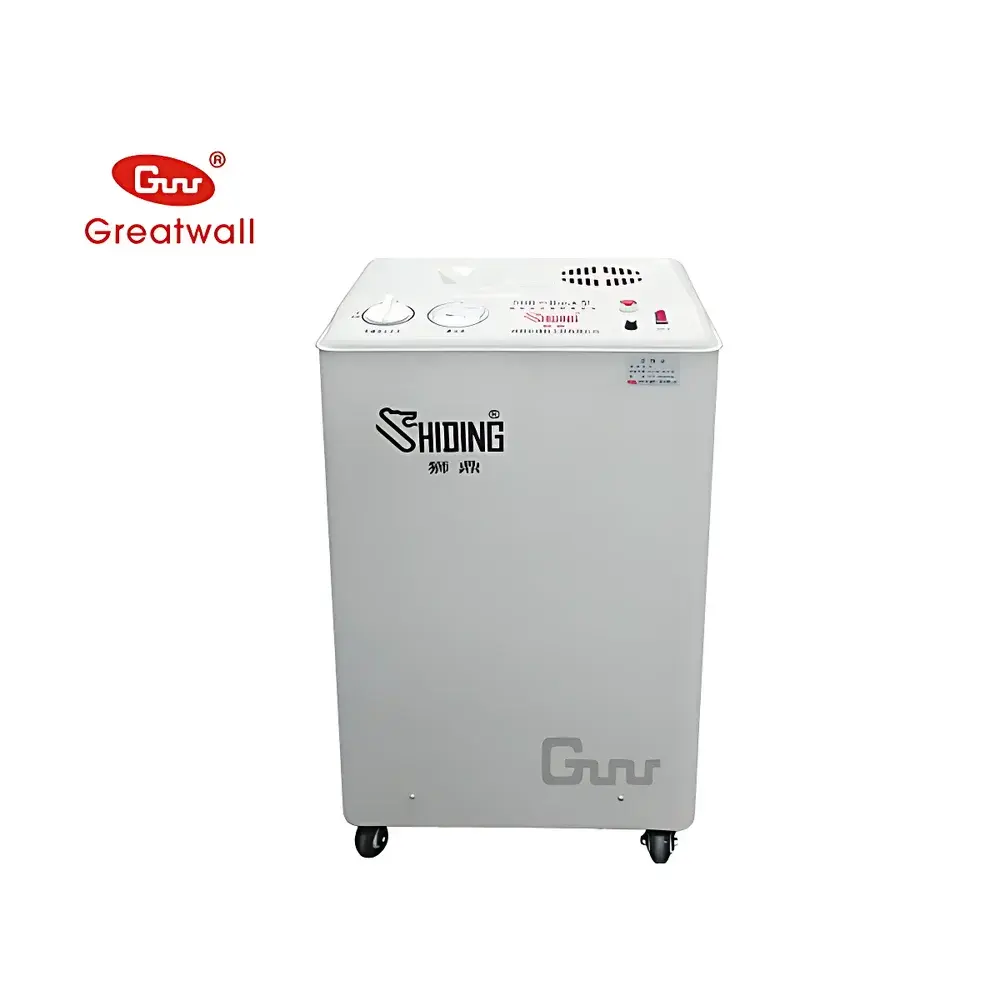
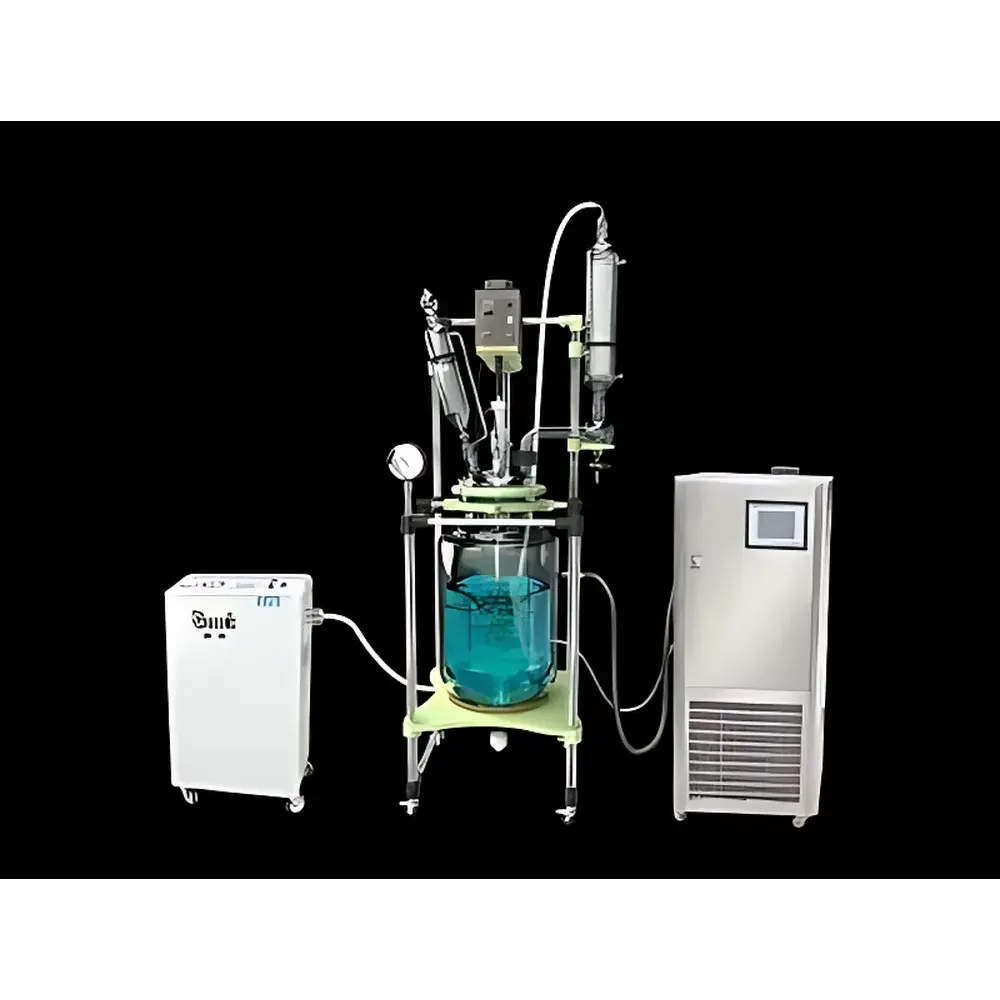
Great Wall SHB-B95A Vertical Circulating Water Vacuum Pump
| Brand | The Great Wall |
|---|---|
| Origin | Henan, China |
| Manufacturer Type | Direct Manufacturer |
| Product Type | Oil-Free Circulating Water Vacuum Pump |
| Model | SHB-B95A |
| Vacuum Degree | −0.098 MPa (absolute) |
| Flow Rate | 100 L/min |
| Single-Port Flow Rate | 10 L/min |
| Number of Vacuum Ports | 5 |
| Water Tank Capacity | 57 L |
| Tank Material | PVC |
| Pump Body & Impeller Material | Stainless Steel (SUS Standard) |
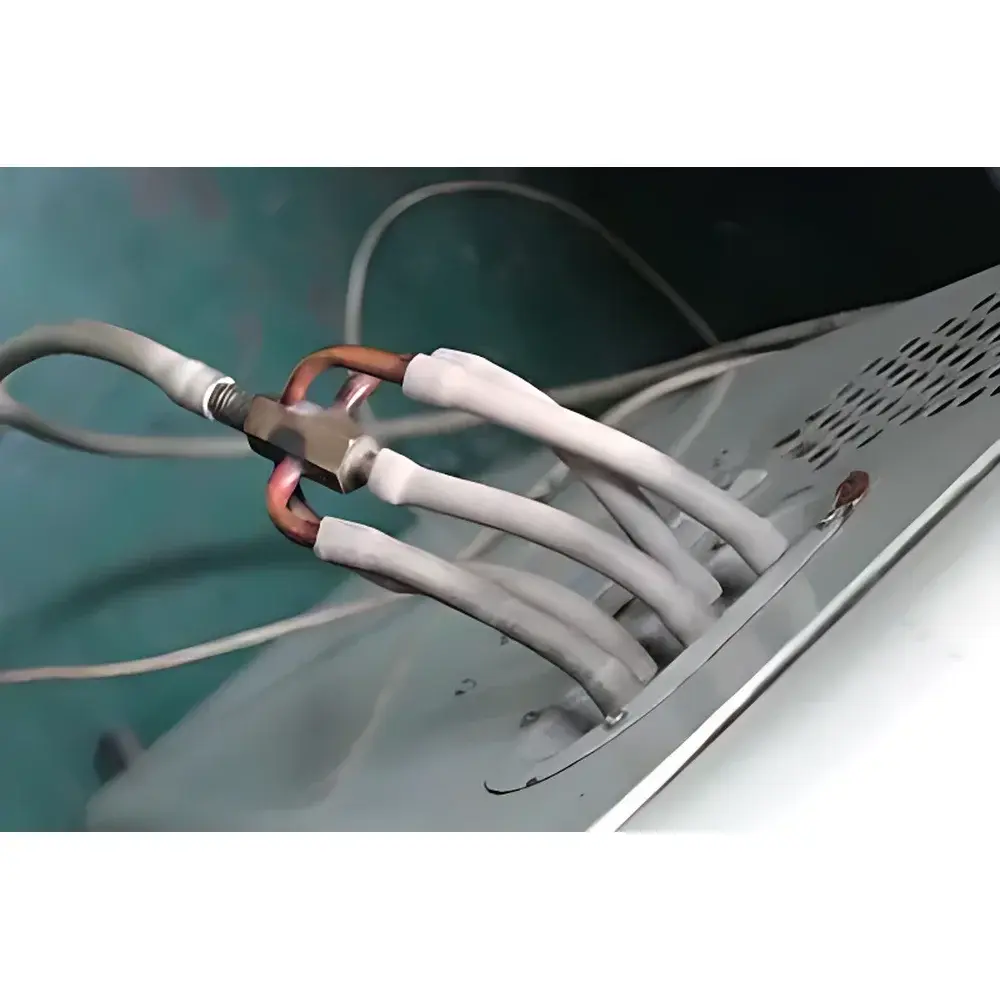
| Ejector Material | Brass |
| Fittings (Tee, Check Valve, Nozzle) | Polypropylene (PP) |
| Motor | ODM-Supplied Specialized Motor with Fluoroelastomer Seals |
| Power | 550 W |
| Voltage/Frequency | 220 V / 50 Hz |
| Max. Lift Head | 12 m |
| Safety Feature | Integrated Backflow Prevention Valve |
| Dimensions (L×W×H) | 450 × 350 × 820 mm |
| Weight | 36 kg |
| Housing Material | 304 Stainless Steel |
| Casters | Equipped for Mobility |
Overview
The Great Wall SHB-B95A is a vertical, oil-free circulating water vacuum pump engineered for stable, corrosion-resistant vacuum generation in academic research laboratories, pilot-scale synthesis facilities, and quality control environments. It operates on the principle of water-jet aspiration: ambient water is circulated under pressure through brass ejectors to induce vacuum via the Venturi effect. Unlike mechanical or diaphragm pumps, it requires no lubricating oil—eliminating hydrocarbon contamination risks—and leverages water as both working fluid and coolant. Its −0.098 MPa (≈735 Torr) ultimate vacuum and 100 L/min total flow capacity make it suitable for applications demanding moderate vacuum levels with high volumetric throughput, including rotary evaporation of heat-sensitive solvents, vacuum filtration of aggressive reagents, and inert-gas purging prior to air-sensitive reactions. The unit’s vertical architecture minimizes footprint while optimizing gravity-assisted water return and thermal dissipation.
Key Features
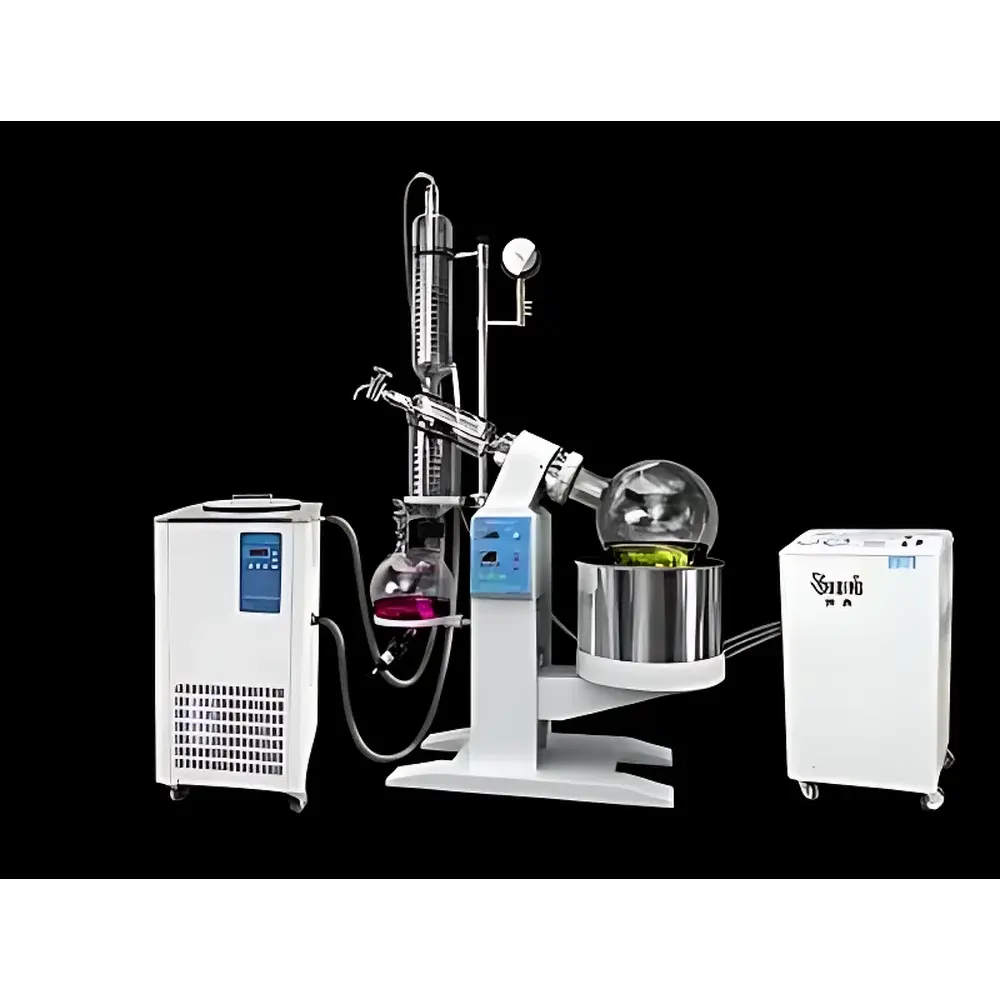
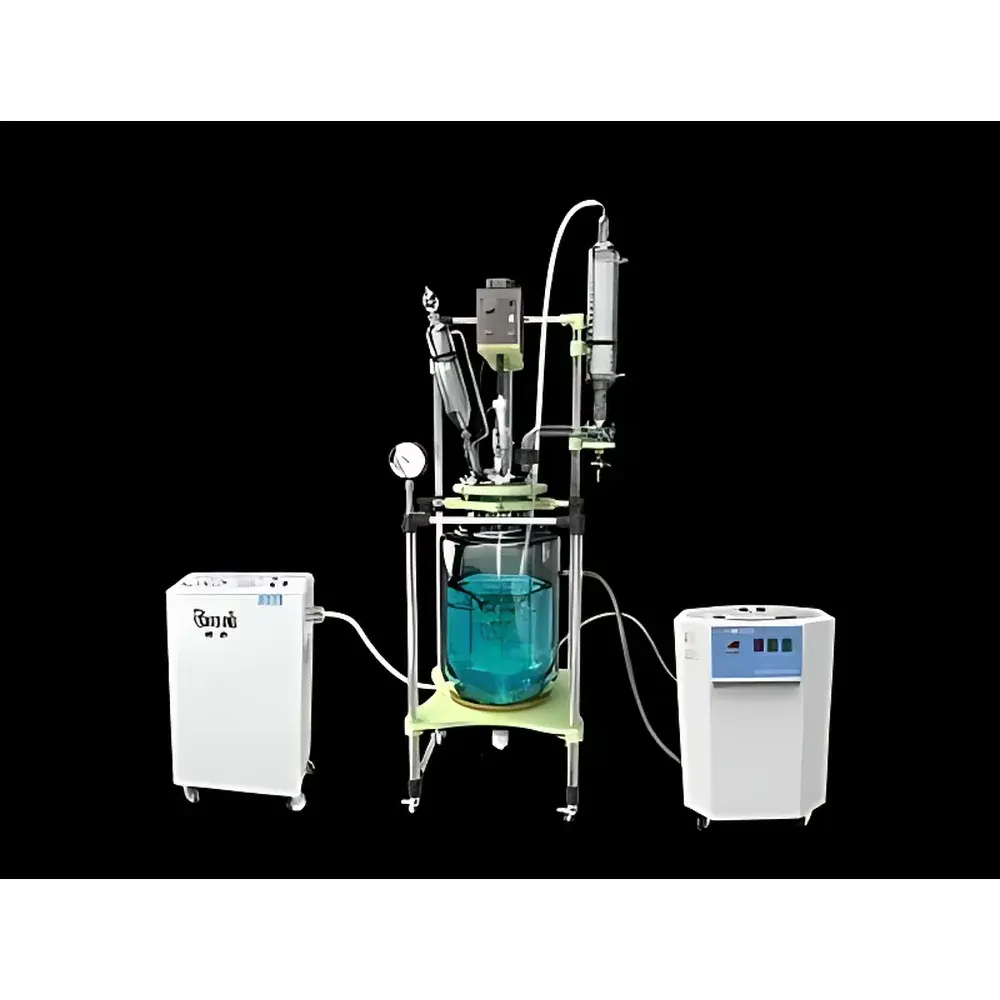
- Five independently controllable vacuum ports (10 L/min each), configurable in parallel using optional PVC five-way manifolds to support multi-vessel setups such as dual rotary evaporators or jacketed reactor systems.
- Corrosion-resistant construction: 304 stainless steel housing, SUS-grade stainless steel pump body and impeller, brass ejectors, and PP (polypropylene) fluid-path components—including T-fittings, check valves, and suction nozzles—ensuring compatibility with mildly acidic, alkaline, or halogenated vapors.
- ODM-sourced sealed motor with fluoroelastomer (FKM) gaskets prevents ingress of corrosive condensates or solvent vapors, extending service life under intermittent duty cycles typical in synthetic chemistry workflows.
- Integrated backflow prevention valve mitigates risk of water siphoning into connected apparatus during power interruption or shutdown—critical for protecting expensive glassware and reaction mixtures.
- Ergonomic mobility: Locking casters enable repositioning across lab benches, fume hoods, or production floors without disassembly; vertical orientation facilitates alignment with overhead condensers and floor-mounted reactors.
- PVC water reservoir (57 L) allows extended operation between maintenance intervals; transparent sidewalls permit visual monitoring of water clarity and particulate accumulation.
Sample Compatibility & Compliance
The SHB-B95A is routinely deployed in applications involving volatile organic solvents (e.g., acetone, ethyl acetate, dichloromethane), aqueous acid/base solutions (pH 2–12), and low-concentration halogenated compounds. While not rated for continuous HCl or HF vapor exposure, its PP and brass components tolerate short-term contact when water exchange frequency is increased (e.g., every 4–6 hours vs. daily). The pump meets general-purpose laboratory safety requirements per GB/T 22988–2008 (Chinese national standard for water-ring vacuum pumps) and aligns with ISO 5801 for fan/pump performance testing methodology. As a non-explosion-proof device, it is intended for use in non-hazardous locations per IEC 60079-0 guidelines. No CE or UL certification is provided; users must verify local electrical code compliance prior to installation.
Software & Data Management
This is a manually operated, analog vacuum system with no embedded microcontroller, digital interface, or data logging capability. Vacuum level is inferred indirectly via connected gauges (e.g., Bourdon tube or digital capacitance manometers); flow rate is fixed by hydraulic design and inlet water temperature/pressure. For GLP/GMP-aligned workflows requiring auditability, external recording of operating parameters (water temperature, replacement schedule, port usage logs) is recommended. Documentation templates—including preventive maintenance checklists and water quality verification logs—are available upon request from Great Wall Technical Support.
Applications
- Rotary evaporation of thermolabile natural products and pharmaceutical intermediates under controlled vacuum (50–200 mbar range).
- Vacuum-assisted crystallization and hot filtration of metal-organic frameworks (MOFs) and coordination polymers.
- Deaeration of polymer precursor solutions prior to casting or electrospinning.
- Reduced-pressure drying of lyophilized biologics samples in stoppered vials.
- Gas scavenging in Schlenk-line pre-conditioning and glovebox antechamber evacuation.
- Supporting multi-port vacuum manifolds for parallel small-scale hydrogenation or catalytic screening reactors.
FAQ
What is the recommended water replacement interval?
Under standard organic solvent evaporation conditions, replace deionized water every 8–12 hours. For corrosive vapors (e.g., acetic anhydride, thionyl chloride), reduce interval to 4–6 hours and monitor pH drift; maintain pH >6.5 to prevent brass corrosion.
Can this pump be used with a cold trap?
Yes—install a dry ice/acetone or liquid nitrogen cold trap upstream to condense volatile solvents before they enter the water reservoir, significantly extending water service life and reducing maintenance frequency.
Is the pump compatible with ASTM D2879 or ISO 2160 vacuum distillation methods?
It satisfies the vacuum stability and flow rate prerequisites for these standards but lacks integrated pressure regulation or certified calibration traceability; users must validate system-level vacuum performance with NIST-traceable instrumentation.
Does the unit include a water level sensor or auto-shutoff?
No—operation requires manual monitoring of reservoir level. Low-water operation may cause cavitation damage to the impeller and overheating of the motor windings.
What maintenance is required beyond water changes?
Quarterly inspection of PP check valves for cracking, annual cleaning of brass ejector orifices with dilute nitric acid (rinse thoroughly), and biannual verification of caster locking mechanism integrity.



