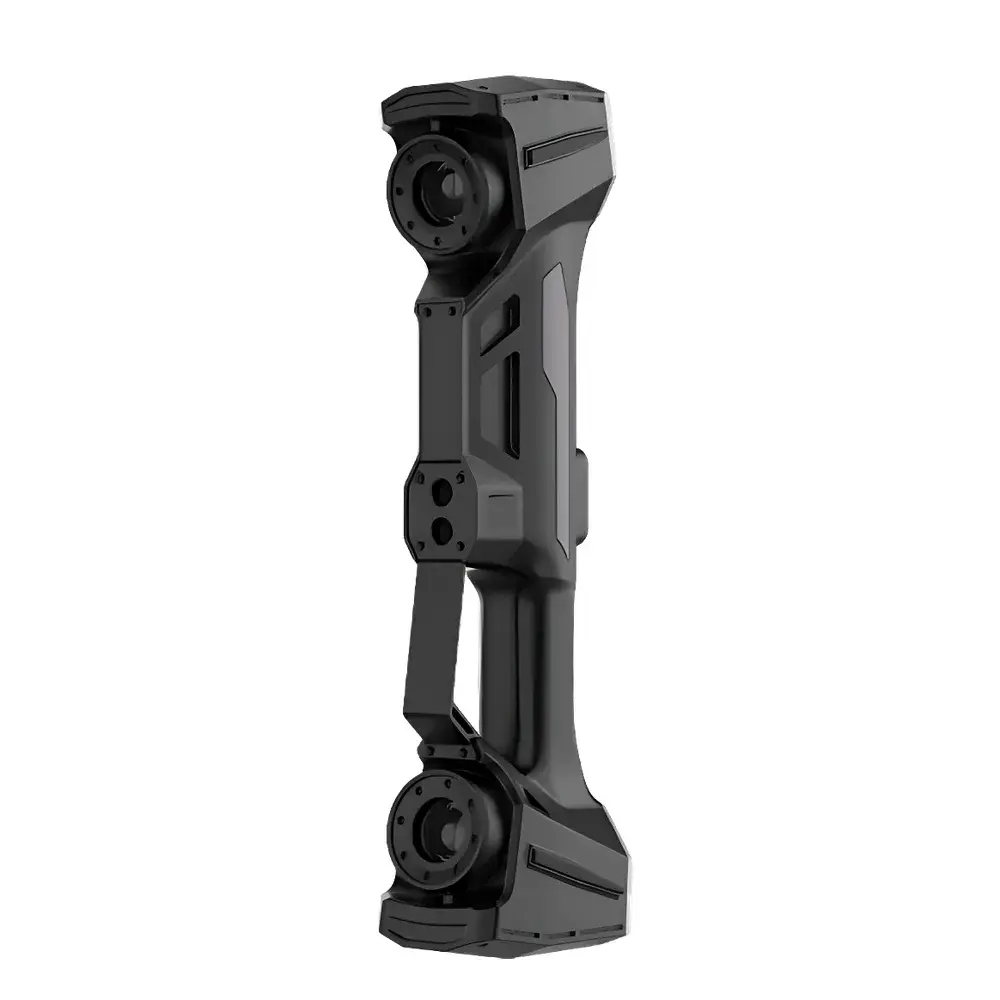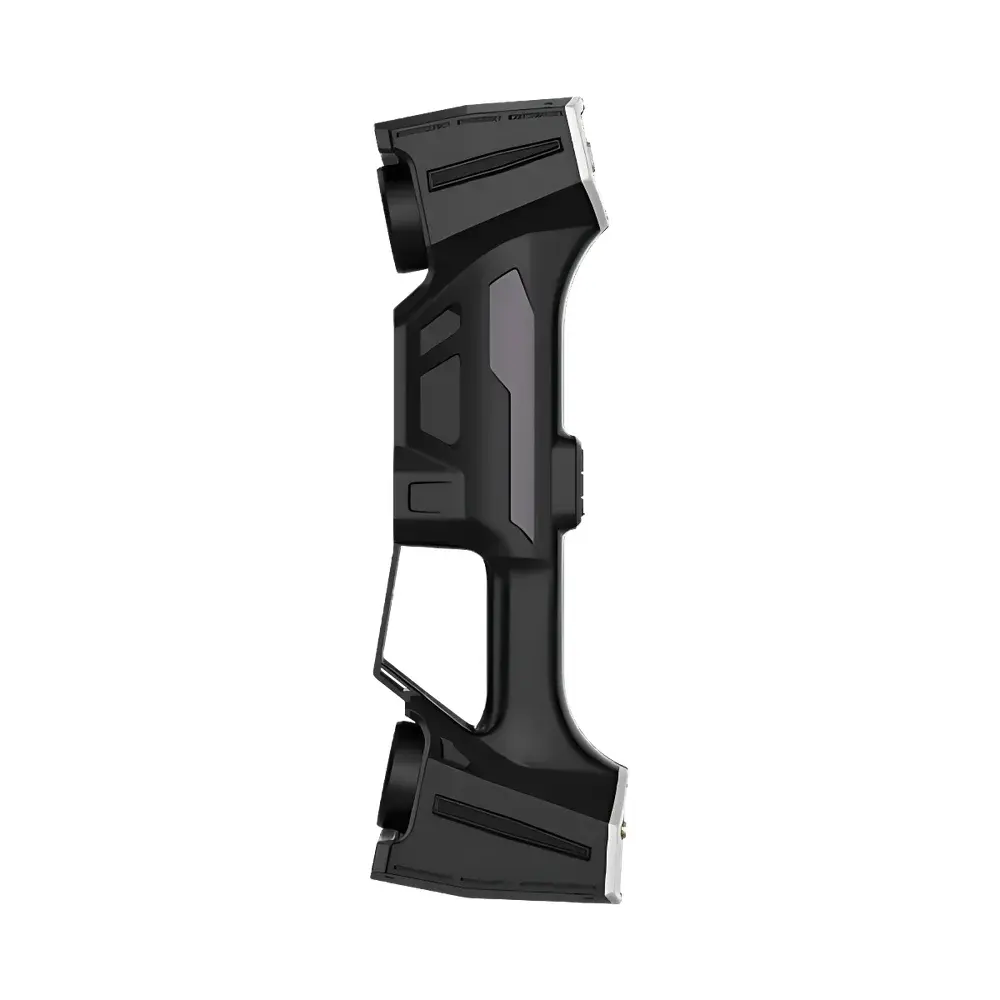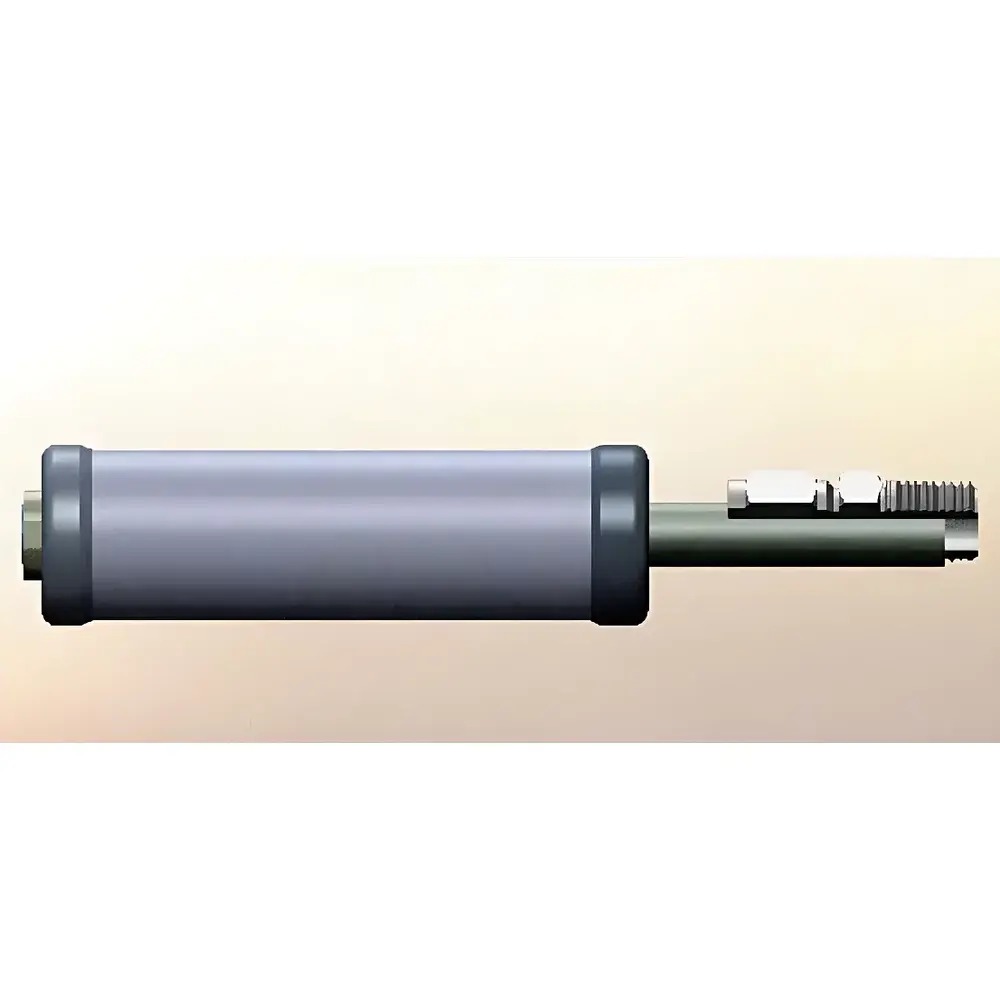
H2SCAN HY-OPTIMA 420 High-Temperature Hydrogen Gas Sensor
| Brand | H2SCAN |
|---|---|
| Origin | USA |
| Manufacturer Type | Authorized Distributor |
| Origin Category | Imported |
| Model | HY-OPTIMA 420 |
| Pricing | Available Upon Request |
Overview
The H2SCAN HY-OPTIMA 420 is a high-temperature, electrochemical hydrogen (H₂) gas sensor engineered for continuous, real-time detection of molecular hydrogen in demanding thermal environments. Unlike broad-spectrum gas detectors, this sensor employs a proprietary solid-electrolyte-based amperometric sensing principle—specifically optimized for H₂ selectivity at elevated operating temperatures up to 200 °C. Its core architecture eliminates cross-sensitivity to common interferents including CO, CO₂, CH₄, NH₃, H₂S, and hydrocarbons, ensuring measurement integrity in complex process streams typical of petrochemical reforming, ammonia synthesis loops, fuel cell stack monitoring, and high-temperature metallurgical annealing atmospheres. The device operates on the principle of catalytic dissociation of H₂ molecules at a noble-metal electrode surface, followed by proton conduction through a stabilized zirconia-based electrolyte and quantifiable current generation proportional to H₂ partial pressure—enabling linear, low-drift response across its calibrated range.
Key Features
- True hydrogen-specific detection with <0.1% cross-sensitivity to non-hydrogen gases under ISO 10156-compliant test conditions
- Extended operational temperature range: –40 °C to +200 °C ambient; sensor element rated continuously at 150 °C, peak-rated to 200 °C
- Stainless steel 316L housing with IP67 ingress protection and NPT 1/4″ male process connection for direct line integration
- Low-power analog output (4–20 mA, 2-wire loop-powered) compatible with industrial DCS/PLC systems; optional RS-485 Modbus RTU digital interface available
- No warm-up time required—stable baseline achieved within 30 seconds after power-on
- Calibration stability maintained for ≥6 months under continuous operation; field-calibratable using certified zero air and 1% H₂-in-N₂ standard gas
- Designed for SIL 2-capable system integration per IEC 61508 when deployed with appropriate safety controllers
Sample Compatibility & Compliance
The HY-OPTIMA 420 is validated for use in dry or moderately humid (≤80% RH, non-condensing) hydrogen-containing process gases—including syngas, cracked reformate, furnace purge streams, and inerted battery enclosure headspace. It is not intended for use in corrosive halogenated atmospheres, reducing sulfur-rich environments (>1 ppm H₂S), or oxidizing mixtures exceeding 21% O₂ without external dilution. Regulatory compliance includes CE marking per EU Directive 2014/30/EU (EMC) and 2014/34/EU (ATEX Category II 2G, Ex d IIB T4 Gb), RoHS 2011/65/EU, and UL/cULus Recognized Component status (E492285). The sensor meets functional safety requirements referenced in ISA-84.00.01 (IEC 61511) for SIS applications when integrated into certified logic solvers.
Software & Data Management
While the HY-OPTIMA 420 operates as a stand-alone analog transmitter, it integrates seamlessly with H2SCAN’s optional SensorLink™ configuration and diagnostics software (Windows-based, USB or Ethernet-connected). This tool enables remote zero/span calibration verification, real-time signal trending, alarm threshold configuration, and audit-trail logging compliant with FDA 21 CFR Part 11 requirements—including electronic signatures, user access controls, and immutable event history. Data export supports CSV and XML formats for traceability in GLP/GMP-regulated environments. Firmware updates are performed via secure signed binary packages with checksum validation.
Applications
- Leak detection in high-temperature hydrogen piping networks and flange joints in refineries and chemical plants
- In-situ monitoring of H₂ concentration in steam methane reformer (SMR) exit streams and shift reactor effluents
- Process control feedback for hydrogen partial pressure regulation in vacuum brazing and sintering furnaces
- Safety interlock triggering for ventilation activation in enclosed hydrogen storage rooms and compressor skids
- Quality assurance during high-purity hydrogen delivery verification at pipeline off-take stations
- Research-grade H₂ flux measurement in catalytic reaction studies under thermally stabilized flow reactors
FAQ
What is the recommended calibration frequency for the HY-OPTIMA 420 in continuous industrial service?
Typical recalibration interval is every six months under stable operating conditions; however, quarterly verification is advised in applications subject to thermal cycling or exposure to particulate-laden gas streams.
Can the sensor be installed in a vertical orientation with the inlet facing downward?
Yes—mechanical mounting orientation does not affect performance, but condensate accumulation must be prevented via proper drain leg design or heated sample line maintenance.
Is intrinsic safety certification available for this model?
The HY-OPTIMA 420 is ATEX-certified for flameproof (Ex d) enclosures; an intrinsically safe (Ex ia) variant—HY-OPTIMA 420-IS—is offered separately with associated barrier requirements.
Does the sensor require a reference gas supply?
No—this is a self-contained, single-gas electrochemical sensor requiring no auxiliary reference gas or purge stream.
How does the sensor respond to rapid hydrogen concentration transients?
T₉₀ response time is ≤15 seconds from 0 to 100% step change in H₂ concentration at 25 °C; response accelerates slightly at elevated operating temperatures due to enhanced surface kinetics.