
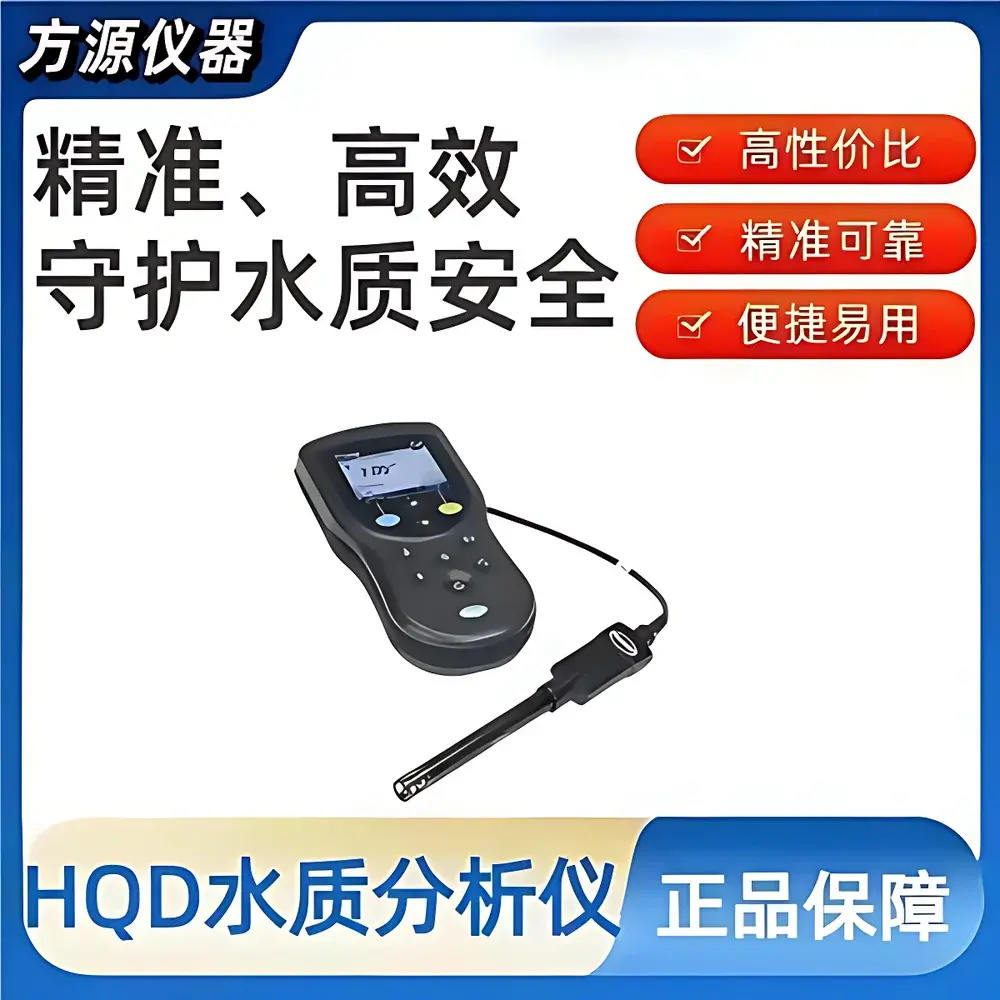
Hach HQd Series Benchtop/Portable Multi-Parameter Digital Water Quality Analyzer with LDO Electrodes
| Brand | Hach |
|---|---|
| Origin | USA |
| Manufacturer Type | Authorized Distributor |
| Product Origin | Imported |
| Model | HQd Series Benchtop |
| Instrument Type | Laboratory Water Quality Analyzer |
| Pricing | Available Upon Request |
Overview
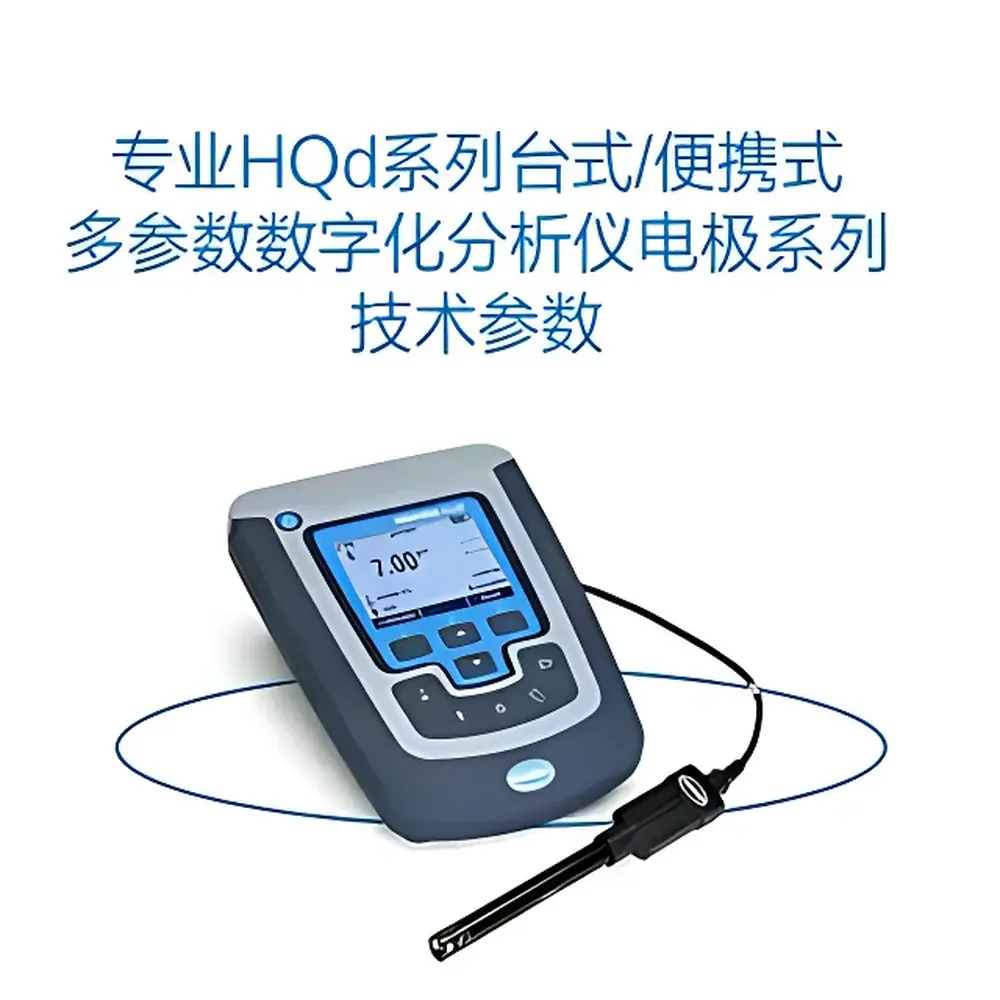
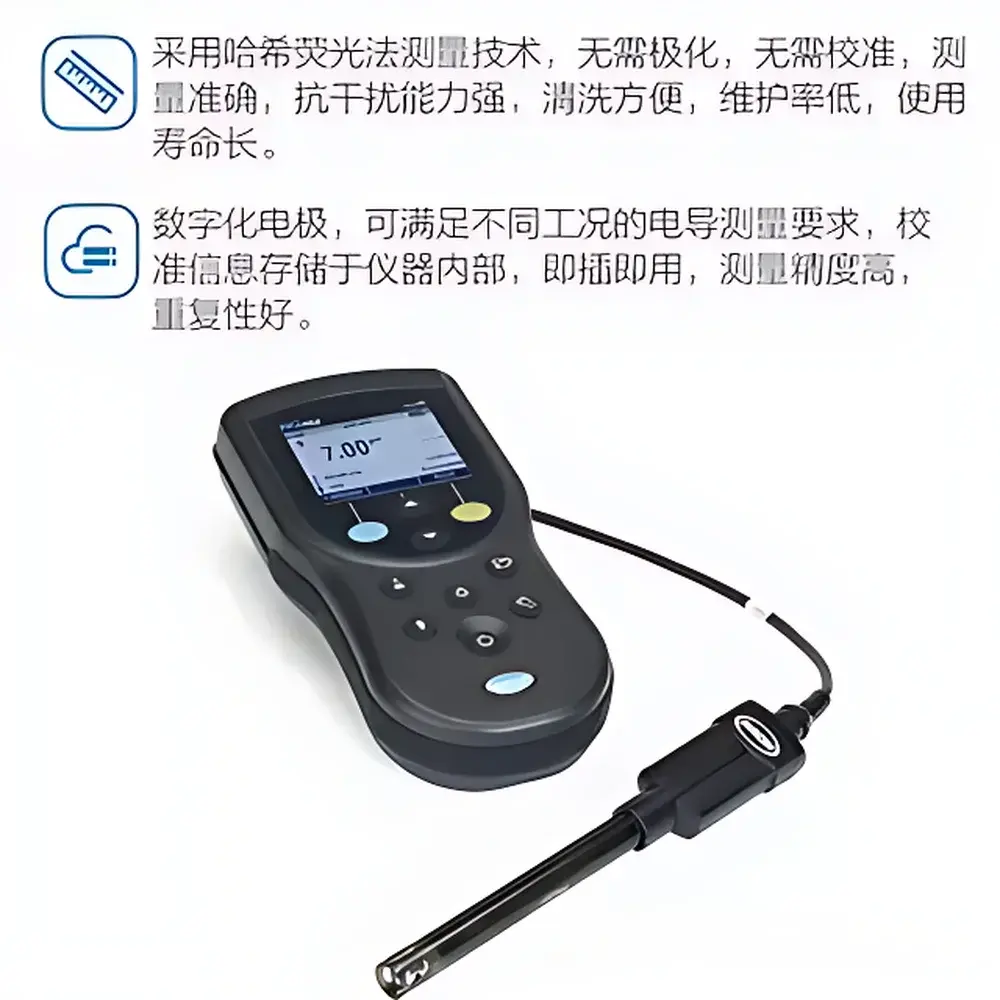
The Hach HQd Series Benchtop/Portable Multi-Parameter Digital Water Quality Analyzer is an engineered platform for precise, field- and lab-grade measurement of critical water quality parameters—including dissolved oxygen (via Luminescent Dissolved Oxygen, LDO™ technology), pH, conductivity, total dissolved solids (TDS), salinity, resistivity, oxidation-reduction potential (ORP), and ammonium (with optional ion-selective electrodes). At its core, the system employs solid-state luminescence quenching principles for LDO measurements—eliminating oxygen consumption, membrane fouling, and electrolyte depletion associated with traditional Clark-type electrochemical sensors. This enables long-term stability, minimal maintenance, and high reproducibility across diverse sample matrices—from drinking water and wastewater effluents to surface water and industrial process streams. The HQd platform supports both benchtop and portable configurations, offering flexibility for routine compliance testing, environmental monitoring programs, and research-grade data acquisition.
Key Features
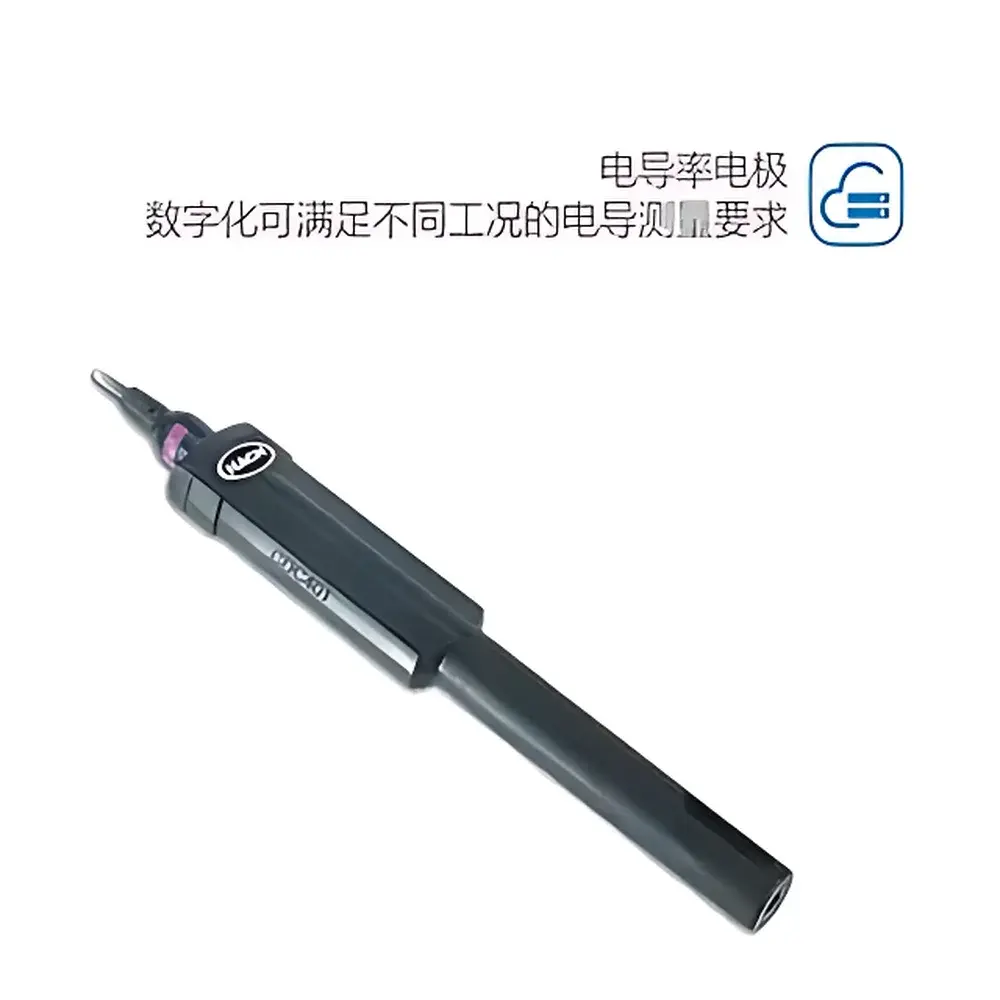
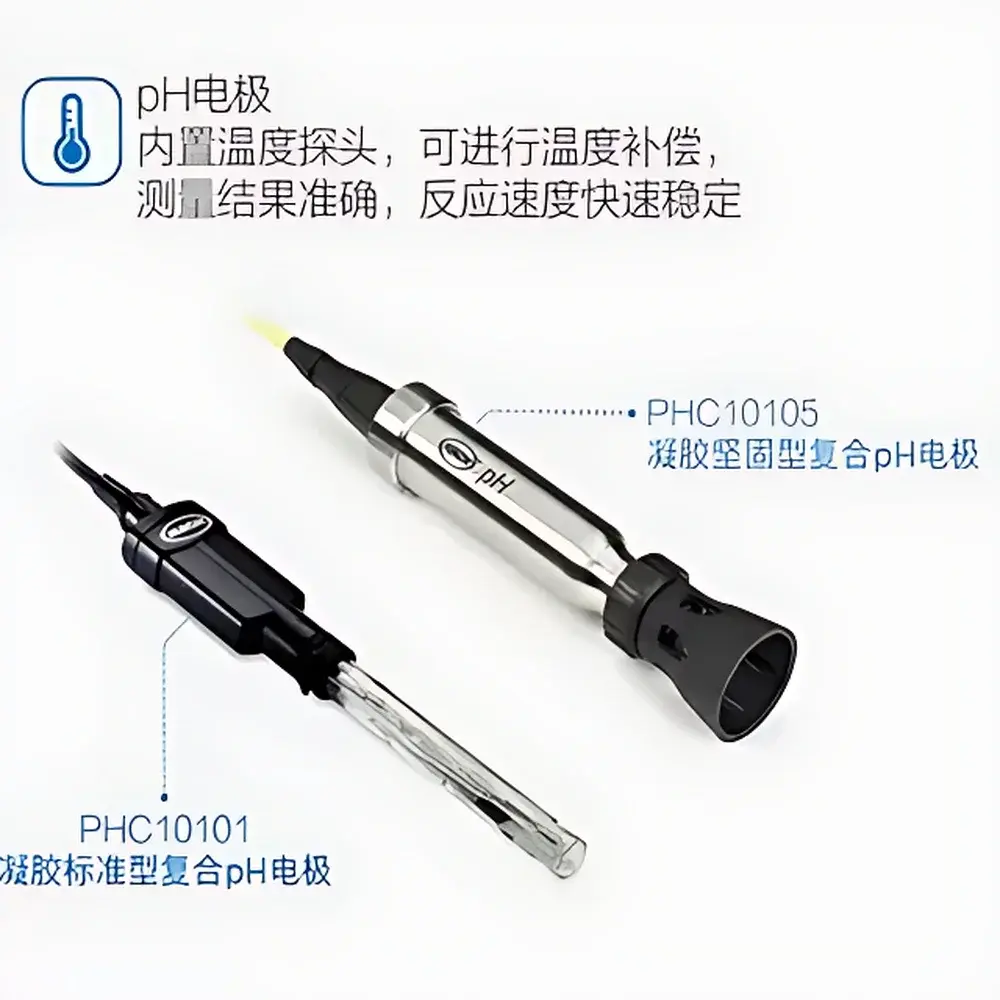
- Modular electrode architecture: Interchangeable, smart digital electrodes with embedded calibration memory and automatic recognition—ensuring traceable, error-resistant setup.
- LDO™ sensor technology: Non-consumptive, optical dissolved oxygen measurement with ±0.1 mg/L accuracy and <1% RSD over 30-day stability testing (per ASTM D888-22).
- Dual-power operation: AC adapter support for benchtop use; rechargeable lithium-ion battery enabling >100 hours of continuous field operation (typical usage).
- IP67-rated rugged housing: Sealed against dust and immersion up to 1 m for 30 minutes—certified per IEC 60529 for demanding environmental field deployments.
- Onboard data logging: Up to 500,000 readings with time/date stamp, electrode ID, temperature compensation flag, and user-defined sample IDs.
- Intuitive touchscreen interface with multilingual OS (English, Spanish, French, German, Chinese) and context-sensitive help menus compliant with ISO 9241-110 usability guidelines.
Sample Compatibility & Compliance
The HQd analyzer accommodates aqueous samples across a broad operational range: pH 0–14, conductivity 0.01 µS/cm–200 mS/cm, DO 0–20 mg/L (0–200% saturation), and temperature –10 °C to +50 °C. Electrodes are compatible with freshwater, seawater (up to 45 ppt salinity), wastewater, and mildly aggressive industrial effluents (pH 2–12, non-oxidizing). All LDO and pH electrodes meet EPA Method 4500-O G (luminescence-based DO), ASTM D1293 (pH of water), and ISO 7888 (conductivity) requirements. The instrument’s firmware and data handling architecture support GLP/GMP workflows, including audit-trail-enabled calibration logs, user access controls, and electronic signature capability aligned with FDA 21 CFR Part 11 Annex 11 expectations.
Software & Data Management
Data export and management are facilitated via Hach’s proprietary LabStation software (Windows-compatible), which enables bidirectional communication, automated report generation (PDF/CSV/XLSX), method validation documentation, and integration with LIMS platforms through ASTM E1384-compliant data exchange protocols. Raw sensor outputs—including raw luminescence decay curves for LDO—are accessible for advanced diagnostics. All calibration events, sensor diagnostics, and measurement metadata are timestamped and stored with cryptographic hash integrity verification. Firmware updates are delivered via secure HTTPS channel with SHA-256 signature validation.
Applications
- Drinking water treatment: Real-time DO profiling in aeration basins, pH and conductivity verification during coagulation/flocculation, and post-disinfection residual monitoring.
- Wastewater compliance: Effluent discharge reporting per NPDES permits, BOD incubation support via DO tracking, and nitrification/denitrification process control.
- Environmental field studies: Stream and lake surveying with GPS-synchronized sampling, sediment porewater characterization, and wetland health assessment.
- Academic and regulatory laboratories: Method validation per Standard Methods 2540–2580 series, inter-laboratory proficiency testing, and QA/QC program execution.
- Industrial process water: Boiler feedwater chemistry control, cooling tower cycle management, and semiconductor ultrapure water pre-checks.
FAQ
What distinguishes LDO technology from traditional polarographic DO sensors?
LDO uses oxygen-quenched luminescence lifetime measurement instead of electrochemical current generation—eliminating membrane replacement, electrolyte refills, and polarization delays.
Can the same electrode be used interchangeably between benchtop and portable HQd meters?
Yes—HQd smart electrodes feature universal digital interfaces and auto-detection; no manual configuration is required when switching platforms.
Does the system support Good Laboratory Practice (GLP) documentation requirements?
Yes—calibration history, sensor diagnostics, operator ID, and timestamped measurements are retained with immutable audit trails per ISO/IEC 17025:2017 clause 7.7.
Is firmware upgrade capability available without sending the unit to service?
Yes—updates are performed in-field via USB or microSD card using signed firmware packages verified at boot time.
How is temperature compensation handled across multi-parameter measurements?
Each electrode performs real-time, NIST-traceable temperature compensation using integrated Pt1000 thermistors; cross-parameter thermal drift correction is applied algorithmically per ISO 5667-22.







