
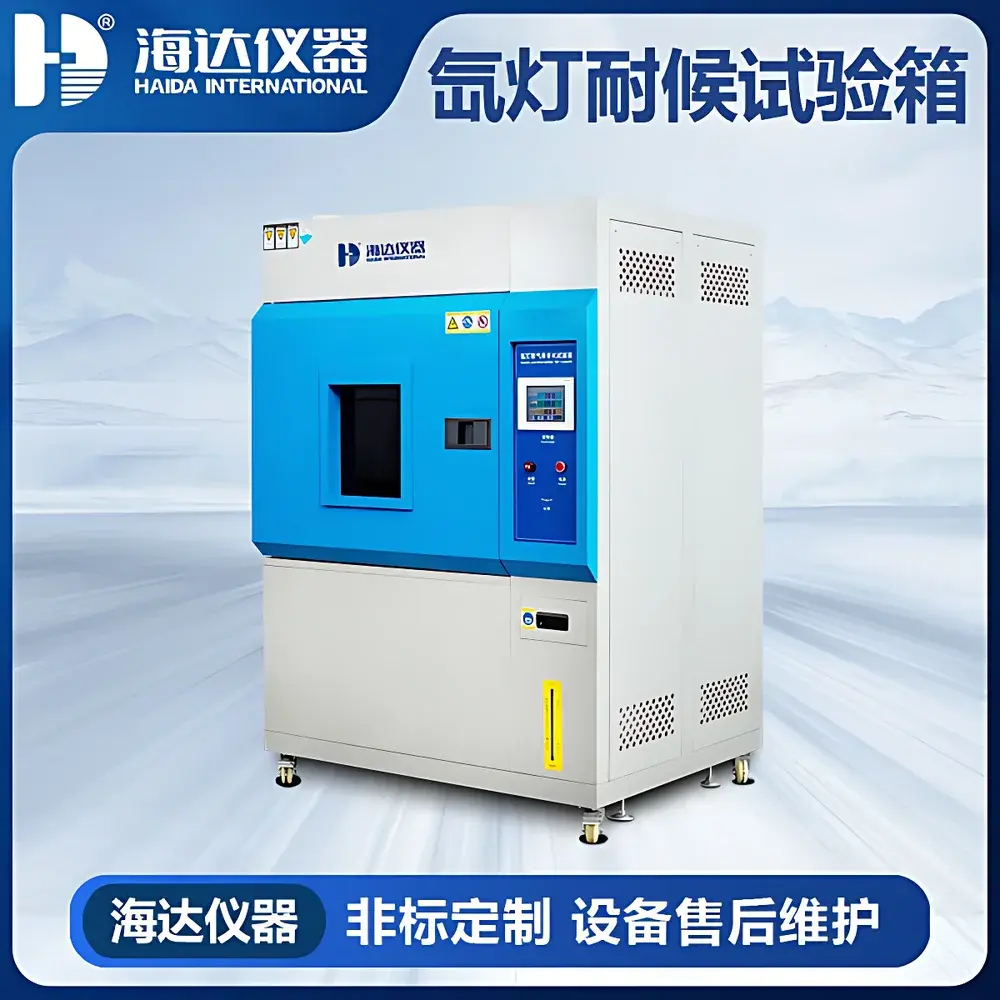
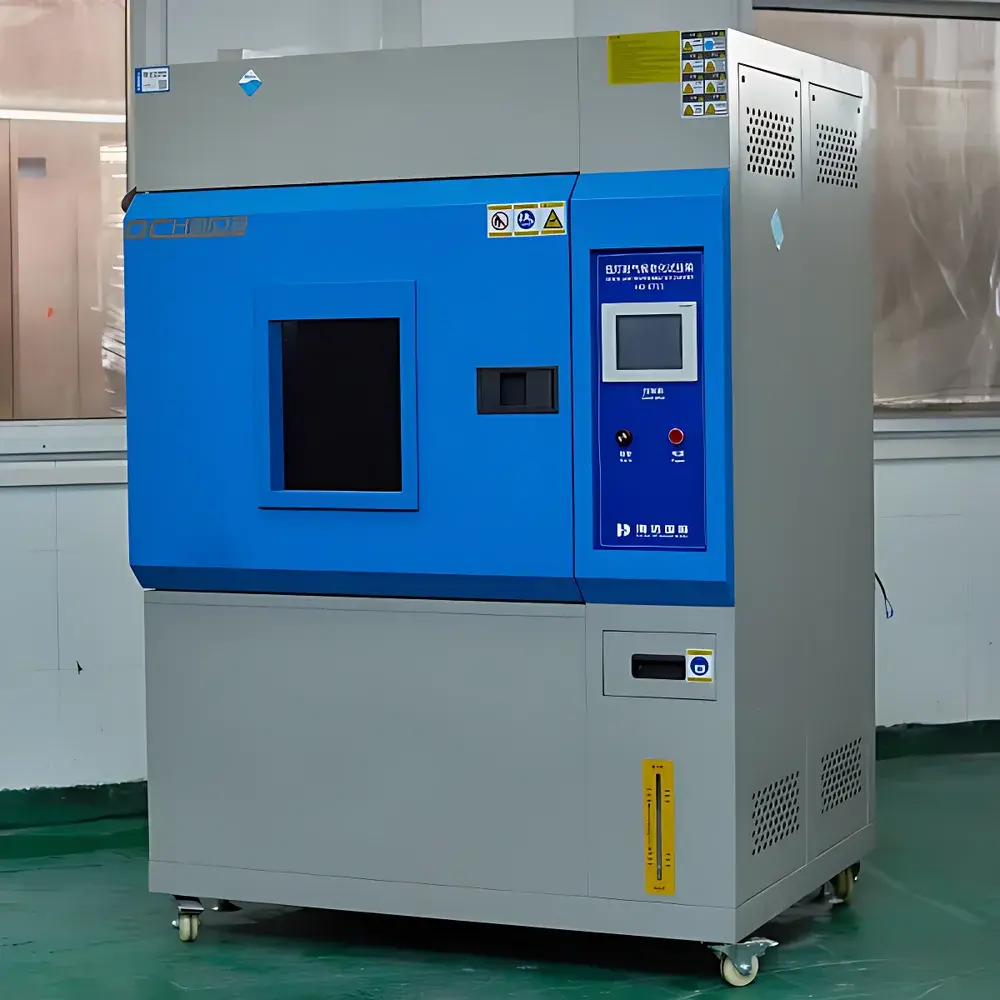
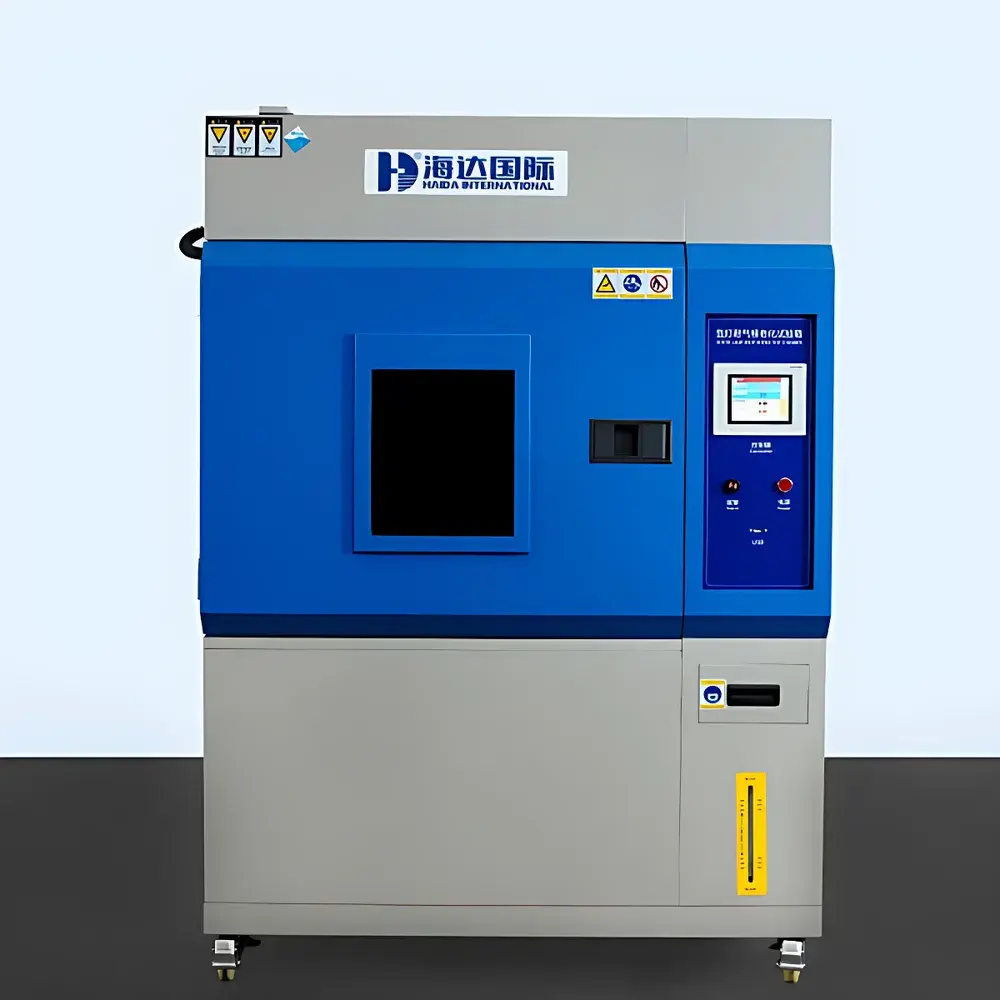
HAIDA HD-E711 Xenon Arc Weathering Test Chamber
| Brand | HAIDA INTERNATIONAL |
|---|---|
| Origin | Guangdong, China |
| Manufacturer Type | Direct Manufacturer |
| Origin Category | Domestic (China) |
| Model | HAIDA HD-E711 Xenon Arc Weathering Test Chamber |
| Xenon Lamp Power | 7.5 kW (3 × 2.5 kW air-cooled long-arc lamps) |
| Lamp Lifetime | 1200 hours |
| Irradiance | 550 W/m² ±10 W/m² (290–2450 nm broadband spectrum) |
| Humidity Range | 50–90 %RH ±5 %RH |
| Internal Chamber Dimensions (W×D×H) | 750×600×600 mm |
| Black Panel Temperature Range | 40–90 °C ±3 °C |
| Water Spray Duration | 1–9999 min 59 sec adjustable |
| Spray Interval | 1–240 min adjustable |
| Effective Exposure Area | ≥3000 cm² |
| Sample Rack Size | 750×600 mm (1 pcs) |
| Distance from Arc Center to Specimen | 300 mm |
Overview
The HAIDA HD-E711 Xenon Arc Weathering Test Chamber is an engineered environmental simulation system designed to replicate the full solar spectrum—including ultraviolet (UV), visible, and near-infrared (NIR) radiation—using calibrated air-cooled xenon arc lamps. Based on the fundamental principle of accelerated photochemical degradation, the chamber subjects materials to controlled irradiance, temperature, humidity, and periodic water spray to simulate natural outdoor weathering mechanisms such as photolysis, thermal oxidation, hydrolysis, and cyclic stress. This enables quantitative assessment of material durability under realistic climatic exposure conditions. The system complies with internationally recognized test standards including ASTM D4459 (for indoor lightfastness), ISO 4892-2, GB/T 16422.2, AATCC TM16, and SAE J2527, making it suitable for R&D validation, quality assurance, and regulatory compliance testing in industries where long-term outdoor performance is mission-critical.
Key Features
- Triple 2.5 kW air-cooled long-arc xenon lamps delivering stable, full-spectrum irradiance (290–2450 nm) at 550 W/m² ±10 W/m²—measured via fiber-optic-coupled radiometry to eliminate thermal drift errors.
- Black panel temperature control (40–90 °C ±3 °C) with dual-sensor monitoring and independent PID regulation for precise thermal management during irradiation cycles.
- Integrated humidity control system (50–90 %RH ±5 %RH) using external stainless-steel surface-evaporation humidification, ensuring reproducible moisture exposure without internal condensation interference.
- Programmable water spray subsystem with adjustable duration (1–9999 min 59 sec) and interval timing (1–240 min), enabling simulation of dew, rain, and wet-dry cycling per ISO 4892-2 Annex B protocols.
- Robust chamber construction: inner chamber fabricated from SUS304 stainless steel with electropolished finish; outer shell in phosphated, electrostatically coated carbon steel or optional SUS304 brushed finish.
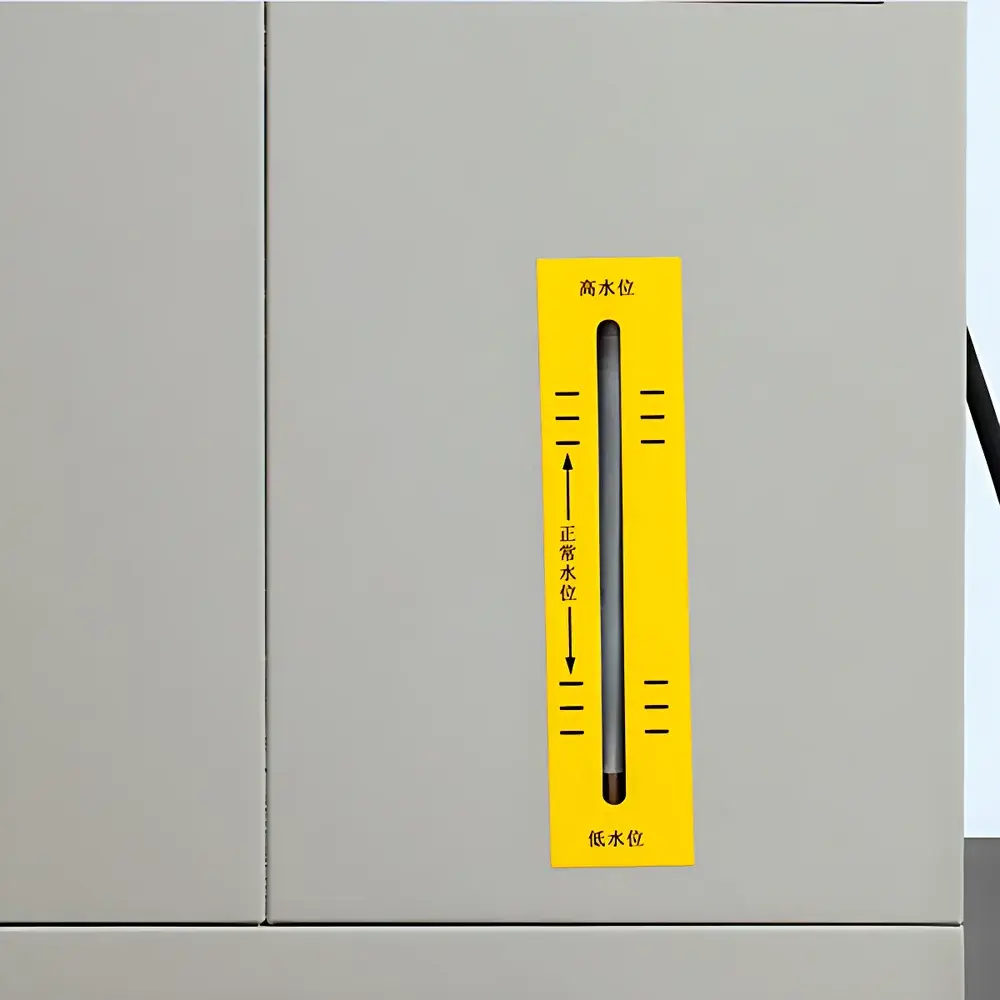
- Safety-integrated interlock system: automatic lamp shutdown and power cutoff upon door opening, plus comprehensive protection against overtemperature, low-water level, motor overload, short circuit, and leakage current.
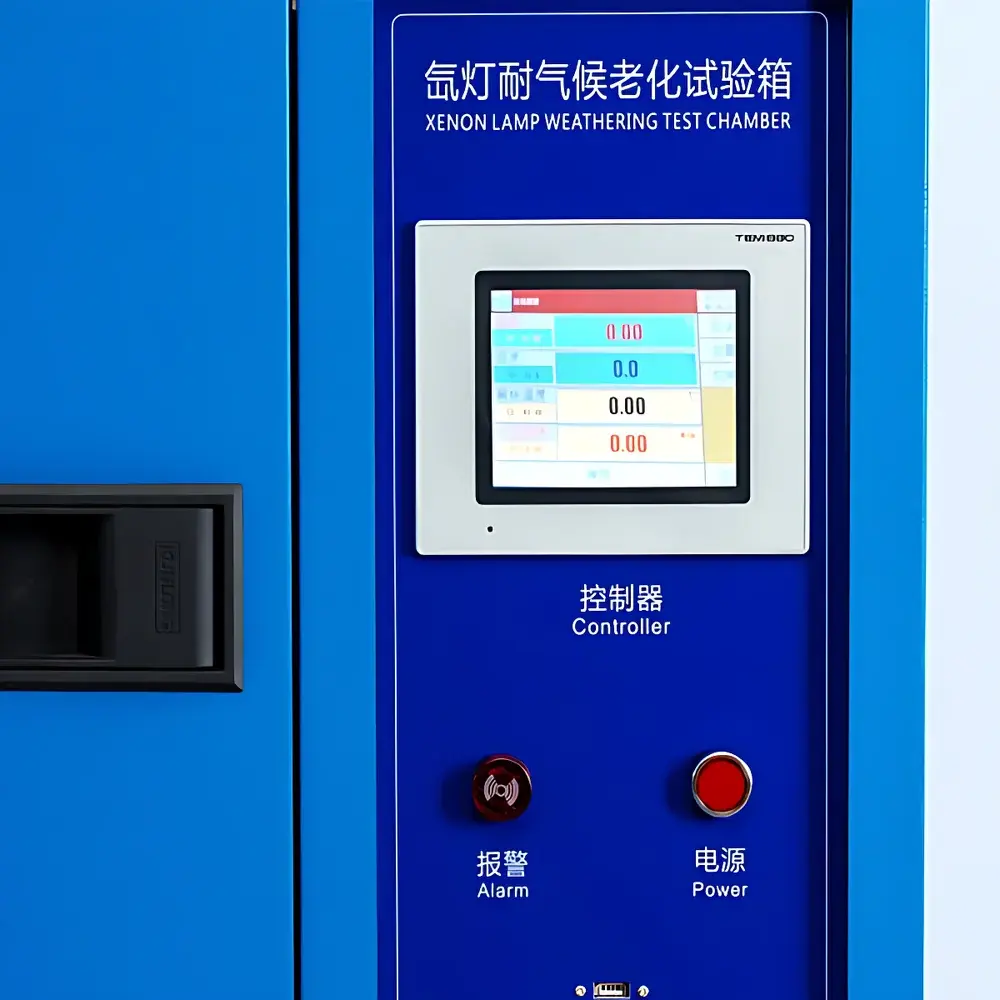
- Human-machine interface powered by MCGS (Kunlun Tongtai) touchscreen HMI and XINJE PLC controller, supporting multi-step program storage, real-time data logging, and event-triggered alarm history.
Sample Compatibility & Compliance
The HD-E711 accommodates flat-panel specimens up to 750 × 600 mm on a single adjustable SUS304 sample rack, with vertical spacing optimization for uniform irradiance distribution across ≥3000 cm² effective exposure area. It supports standardized specimen mounting per ASTM G155 and ISO 4892-2 configurations—including back-plate cooling, non-reflective substrate mounting, and edge-shielded exposure zones. The chamber meets essential regulatory requirements for GLP-compliant laboratories, including audit-trail-capable operation logs, user-access-level controls, and traceable calibration records. While not inherently 21 CFR Part 11 compliant out-of-the-box, its data acquisition architecture supports integration with validated LIMS or ELN platforms for FDA-regulated environments. All mechanical and electrical designs conform to IEC 61000-6-2/6-4 EMC standards and GB 4793.1 safety regulations.
Software & Data Management
The embedded control system provides local real-time visualization of irradiance, black panel temperature, chamber humidity, spray status, and elapsed test time. All operational parameters—including ramp rates, dwell times, and setpoint overrides—are programmable via intuitive touch interface with password-protected administrator mode. Event logs record timestamped entries for lamp ignition, door openings, fault triggers, and parameter changes—retained for minimum 30 days onboard. Data export is supported via USB port in CSV format for post-test analysis in MATLAB, Excel, or statistical process control (SPC) software. Optional Ethernet connectivity enables remote monitoring and centralized fleet management in multi-chamber lab deployments.
Applications
This chamber is routinely deployed for accelerated aging studies of polymeric materials, automotive interior/exterior trims, architectural coatings, textile dyes, rubber compounds, adhesives, and packaging films. In QC/QA labs, it validates batch-to-batch consistency of UV stabilizers and pigment dispersion stability. In R&D settings, it supports formulation screening—e.g., evaluating HALS (hindered amine light stabilizers) efficacy or quantifying gloss retention loss in acrylic topcoats after 1000 MJ/m² UV dose. Automotive OEMs use it to verify compliance with Ford CETP, GMW14124, and VW PV3929 specifications. Textile labs apply it for AATCC TM16-2016 colorfastness-to-light assessments, while building product manufacturers reference it for ASTM D4329 cycle validation.
FAQ
What standards does the HD-E711 comply with?
It is configured to meet ASTM D4459, ISO 4892-2, GB/T 16422.2, AATCC TM16, and SAE J2527 test methods. Custom calibration and validation documentation can be provided upon request.
Can irradiance be adjusted during a test cycle?
Yes—the “SunEye” intelligent irradiance feedback loop continuously monitors output and dynamically adjusts lamp power to maintain user-defined setpoints within ±10 W/m² tolerance.
Is the chamber suitable for testing three-dimensional parts?
It is optimized for flat specimens. For complex geometries, users must implement custom jigs ensuring consistent orientation and distance from the arc center (300 mm nominal).
How is lamp alignment and spectral output verified?
Each lamp assembly includes factory spectral certification per CIE No. 85. Annual recalibration using NIST-traceable spectroradiometers is recommended for metrological continuity.
What maintenance intervals are required?
Lamp replacement every 1200 hours; quartz filter inspection every 200 hours; humidity tank cleaning weekly; air filter replacement quarterly; full system performance verification annually.



