
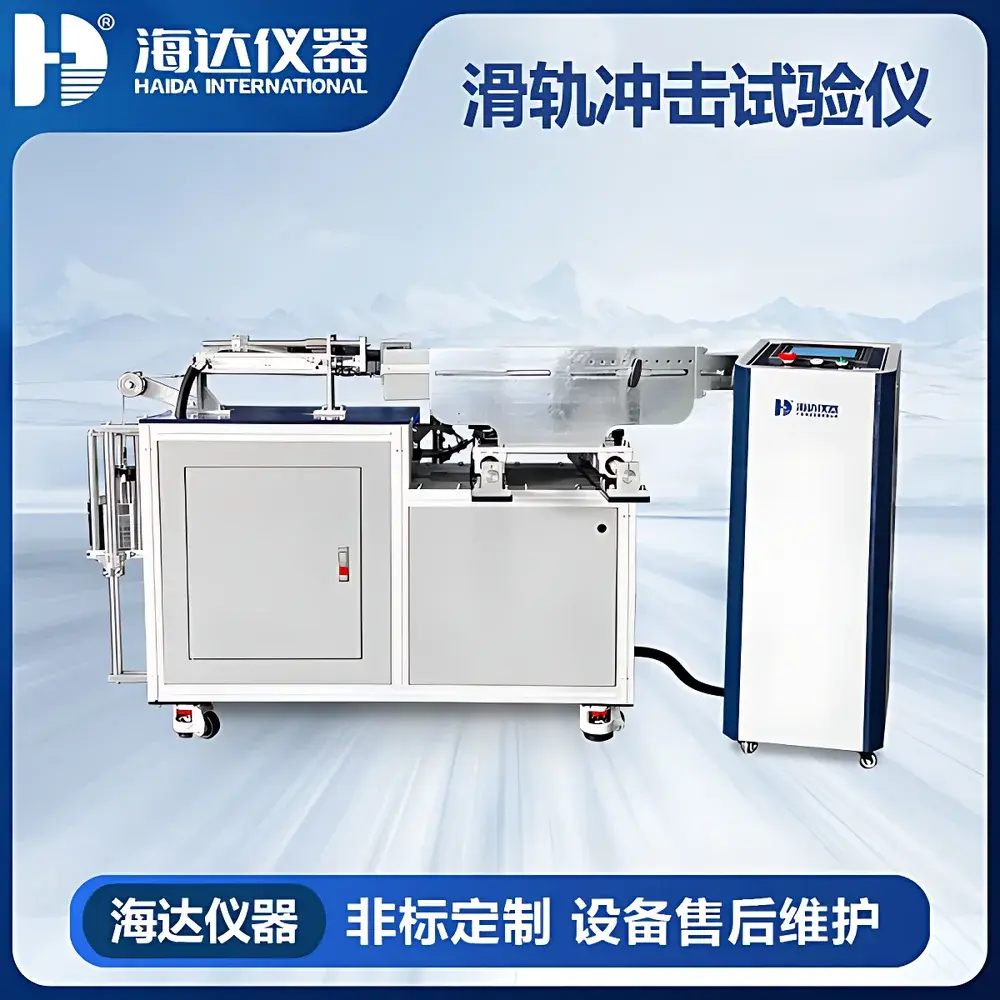
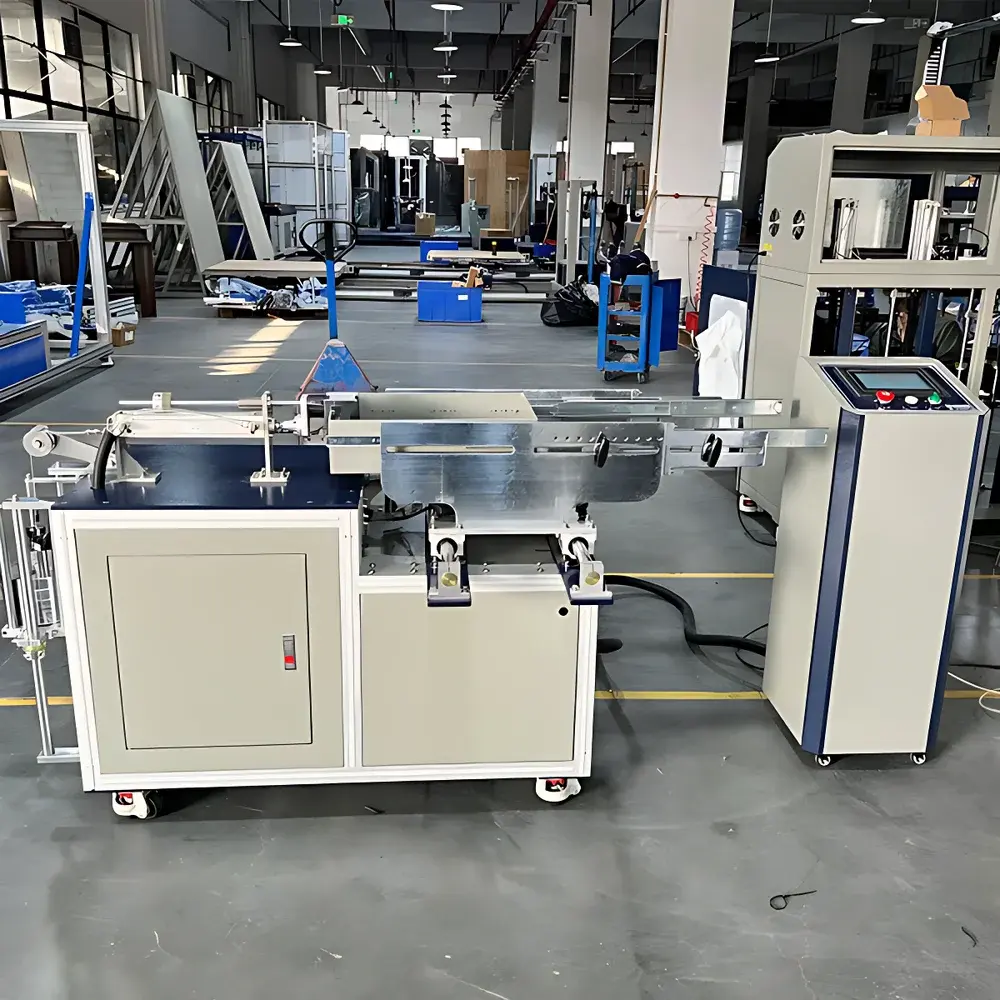
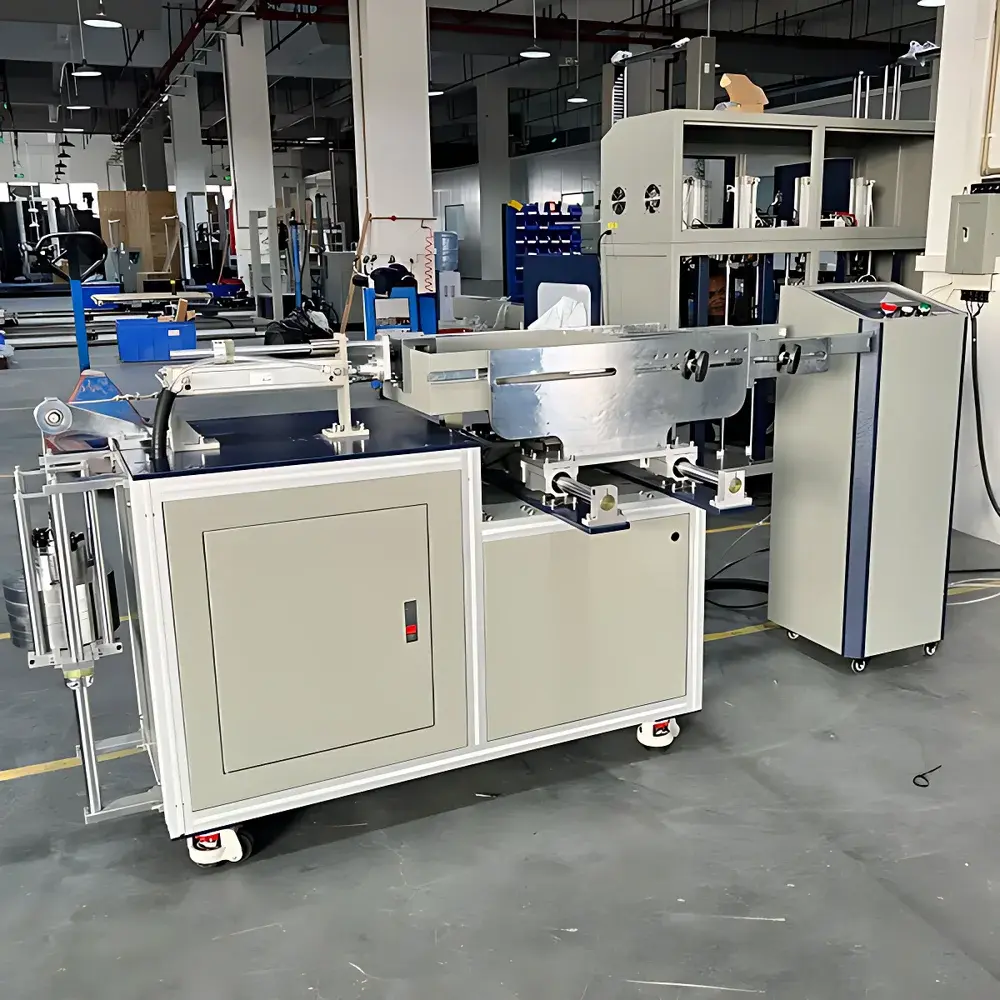
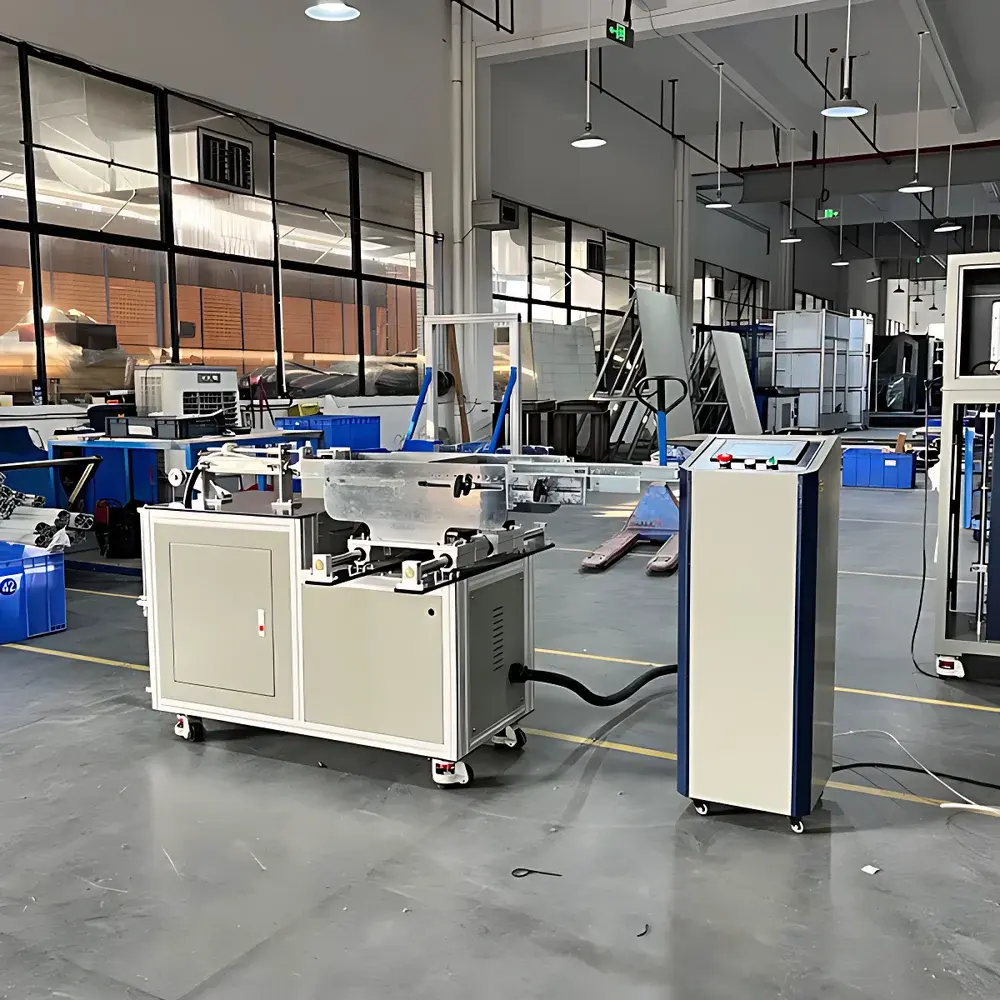
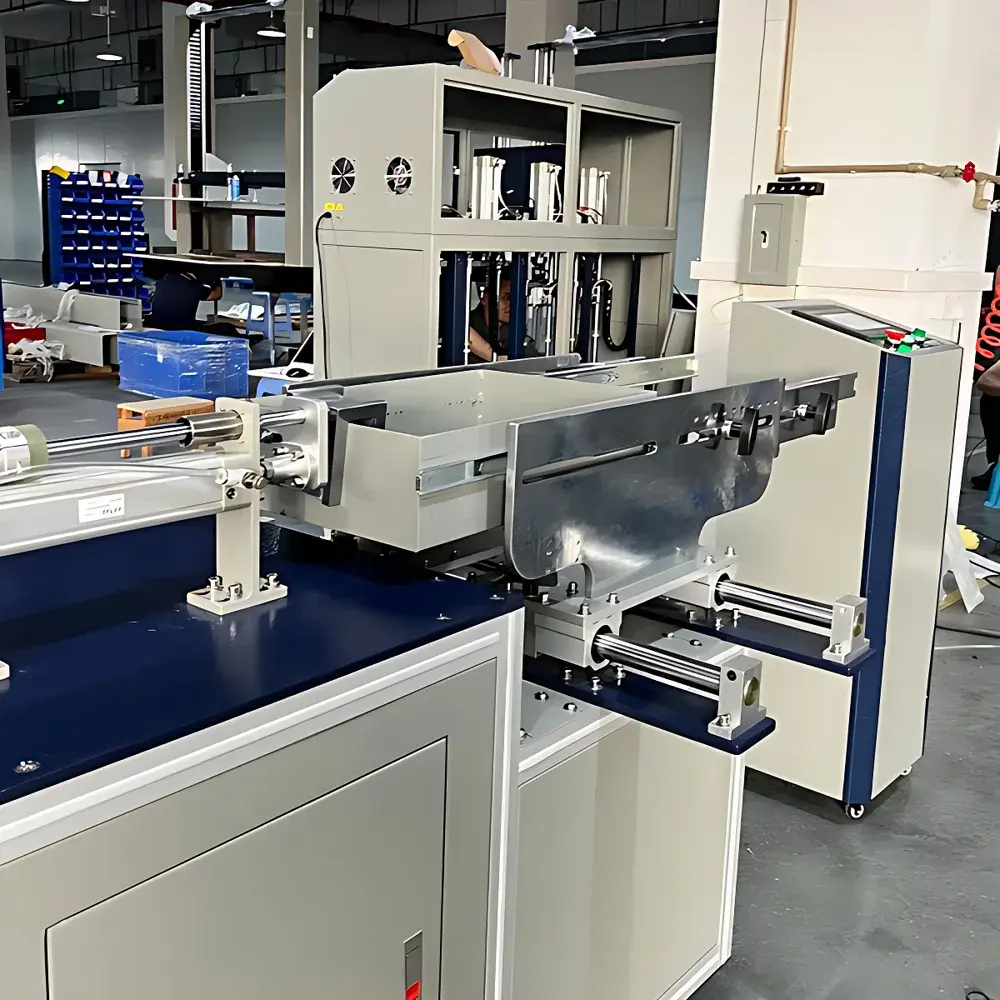
HAIDA HD-F757-FB Linear Rail Impact Tester
| Brand | HAIDA INTERNATIONAL |
|---|---|
| Origin | Guangdong, China |
| Manufacturer Type | Direct Manufacturer |
| Model | HD-F757-FB |
| Impact Energy | 50 lb (10 lb × 3 + 5 lb × 3 + 1 lb × 5) |
| Impact Frequency | 1–12 cycles/min (inversely proportional to stroke length) |
| Stroke Length | Up to 200 mm |
| Load Cell Range | Not specified (mechanical impact only |
| Test Width Capacity | 290–650 mm |
| Max Extended Sample Length | 1050 mm |
| Dimensions (L×W×H) | 1710 × 850 × 940 mm |
| Power Supply | 1∮ AC 220 V, ~100 W |
| Control System | PLC with 7-inch HMI touchscreen |
| Data Output | USB export (CSV format) |
| Cycle Count Range | 1–999,999 (user-definable) |
Overview
The HAIDA HD-F757-FB Linear Rail Impact Tester is an industrial-grade mechanical durability evaluation system engineered specifically for the functional validation of drawer slide mechanisms used in residential and commercial cabinetry. Unlike pendulum or drop-weight impact testers governed by ASTM D5436 or ISO 6603, this instrument implements a controlled linear reciprocating impact methodology—driven by pneumatic actuation and gravity-assisted mass loading—to simulate real-world misuse conditions such as rapid, repeated drawer opening/closing under load. The system applies discrete, repeatable mechanical shocks along the full operational travel of installed slides, enabling quantifiable assessment of structural integrity, retention performance, and long-term fatigue resistance. Its design prioritizes mechanical reproducibility over dynamic force measurement; therefore, it serves as a pass/fail compliance tool rather than a metrological force analyzer. It is widely deployed in QC laboratories of OEM furniture manufacturers, third-party testing service providers, and component suppliers seeking to validate slide performance against internal durability specifications.
Key Features
- Modular weight configuration: Interchangeable steel impact masses—three 10-lb, three 5-lb, and five 1-lb weights—allow precise energy calibration up to 50 lb total, supporting tiered test protocols per product grade.
- Adjustable stroke limitation: Mechanical stop beam enables fine-tuning of effective impact travel (≤200 mm), directly influencing impact velocity and kinetic energy profile per cycle.
- Programmable cycle control: PLC-based controller with intuitive 7-inch touchscreen HMI supports user-defined test counts (1–999,999), automatic termination upon completion, and real-time cycle monitoring.
- Rigid frame architecture: Welded steel chassis with reinforced aluminum extrusions and stainless-steel fasteners ensures dimensional stability during high-frequency operation and minimizes resonance-induced measurement drift.
- Dual-mode mounting interface: Accommodates drawer slides within 290–650 mm width range via adjustable side brackets; accommodates fully extended drawer assemblies up to 1050 mm in length.
- Integrated safety engineering: Emergency stop button, over-pressure protection for pneumatic circuitry, power-failure memory retention, and physical warning labels compliant with ISO 3864-1 for hazard identification.
Sample Compatibility & Compliance
The HD-F757-FB is optimized for evaluating telescoping ball-bearing and roller-type drawer slides conforming to ANSI/BIFMA X5.4 (Seating) and EN 15338 (Furniture — Slides — Requirements and Test Methods), though formal certification requires supplementary documentation per client specification. It accepts both undermount and side-mount configurations without adapter modification. While not pre-certified to any single international standard, its mechanical repeatability (±0.5% cycle-to-cycle positional variance under constant load/stroke conditions) aligns with GLP-aligned internal audit requirements for durability test instrumentation. All electrical components meet CE marking prerequisites for low-voltage directive (2014/35/EU), and enclosure design complies with IP20 ingress protection classification. No embedded data logging meets FDA 21 CFR Part 11 requirements; however, exported CSV reports may be archived within validated LIMS environments.
Software & Data Management
The proprietary HAIDA HMI software operates on a deterministic real-time PLC kernel, ensuring consistent timing resolution (<10 ms jitter) across all cycle executions. Test parameters—including target cycles, selected weight set, stroke length, and dwell time—are stored in non-volatile flash memory and retained after power interruption. Results are logged locally and exportable via USB 2.0 port in comma-separated value (CSV) format, containing timestamp, cycle number, and status flag (PASS/FAIL/ABORT). No cloud connectivity, remote access, or API integration is provided. Data files contain no embedded metadata or digital signatures; users are responsible for implementing traceability controls (e.g., manual operator ID entry, lab notebook correlation) per ISO/IEC 17025 Clause 7.5.2.
Applications
- Endurance validation of soft-close and self-closing drawer slides under loaded conditions.
- Comparative benchmarking of slide performance across supplier tiers or material substitutions (e.g., cold-rolled vs. galvanized steel carriers).
- Root cause analysis of premature derailment, binding, or latch failure during accelerated life testing.
- Pre-shipment quality gate verification for contract furniture manufacturers supplying hospitality or healthcare sectors.
- Development-stage feedback for mechanical engineers optimizing carriage geometry, ball retainer design, or preload characteristics.
FAQ
Does the HD-F757-FB provide real-time force measurement?
No. This system delivers controlled mechanical impact through calibrated mass and stroke; it does not integrate a load cell or digital force transducer. Force estimation requires external instrumentation.
Can the tester accommodate asymmetric or non-standard slide geometries?
Yes—within the specified width (290–650 mm) and extended length (≤1050 mm) limits—but custom bracketing may be required for non-planar mounting surfaces or recessed installations.
Is compressed air supply included with the unit?
No. A minimum 3 HP (≈2.2 kW) oil-free air compressor delivering ≥6 bar (87 psi) at ≥120 L/min is recommended and must be procured separately.
What maintenance intervals are recommended for sustained accuracy?
Lubrication of linear guide rails every 500 operating hours; visual inspection of pneumatic tubing and solenoid valves quarterly; annual torque verification of structural fasteners per ISO 898-1.
Are test reports generated by this instrument admissible in regulatory submissions?
As delivered, reports lack audit trail, electronic signature, or data integrity safeguards required by FDA 21 CFR Part 11 or EU Annex 11. They serve internal QA purposes unless augmented with validated document management systems.



