
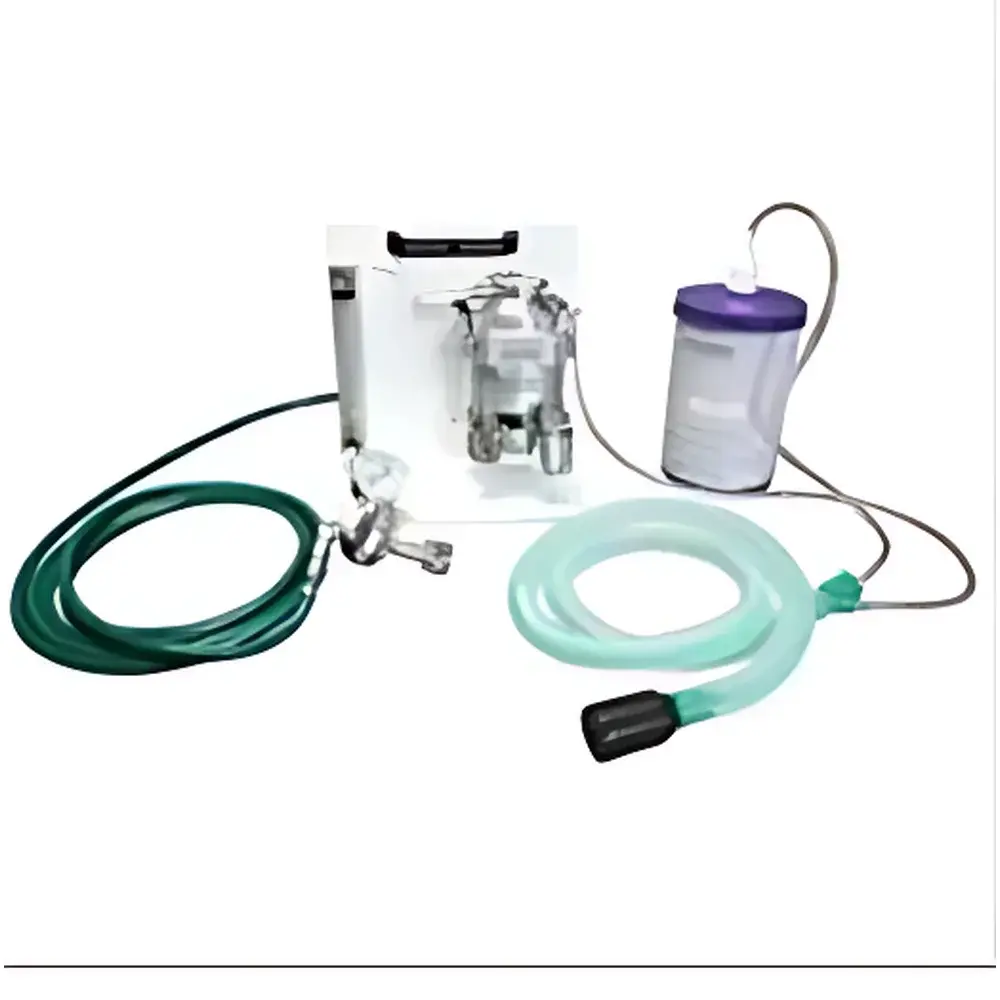
Harvard Apparatus Table Top Animal Anesthesia Machine
| Brand | Harvard Apparatus |
|---|---|
| Origin | USA |
| Model | Table Top |
| Gas Delivery System | Non-rebreathing, single-circuit |
| Vaporizer Type | TECH3 Isoflurane/Sevoflurane |
| Flow Range | 0–1000 mL/min (O₂) |
| Vapor Output Range | 0.5–5% |
| Weight | ~10 kg (unit + vaporizer) |
| Safety Features | Vaporizer lockout, visual drug level window, activated carbon scavenging system |
| Compliance | ASTM F2749-22 (Anesthetic Equipment), ISO 80601-2-13:2021 (Medical Electrical Equipment – Particular Requirements for Anesthetic Workstations) |
Overview
The Harvard Apparatus Table Top Animal Anesthesia Machine is a compact, precision-engineered inhalational anesthesia delivery system designed specifically for small laboratory animals—primarily rodents (mice, rats) and other species weighing less than 4.5 kg. It operates on a non-rebreathing, single-circuit gas delivery principle: medical-grade oxygen flows through a calibrated glass-tube flowmeter, then passes through a temperature-compensated TECH3 volatile anesthetic vaporizer (Isoflurane or Sevoflurane), delivering a precise, stable, and pressure- and flow-independent anesthetic concentration to the subject. This architecture eliminates CO₂ rebreathing, minimizes dead space, and avoids the complexity and infection risk associated with CO₂ scrubbers or dual-circuit systems—making it ideal for acute surgical procedures, longitudinal imaging studies, and behavioral assays requiring rapid induction and recovery.
Key Features
- TECH3-certified vaporizer with ±0.1% concentration accuracy across full flow range (250–1000 mL/min) and ambient temperature fluctuations (15–30°C); independent of inlet pressure or gas composition.
- Calibrated glass-tube oxygen flowmeter with linear scale and fine-adjustment control knob; accurate to ±2% FS over 0–1000 mL/min range—optimized for low-flow rodent anesthesia.
- Integrated safety lock mechanism prevents accidental vaporizer activation or dial rotation during transport or setup.
- Large-diameter borosilicate glass sight window enables real-time monitoring of anesthetic liquid level without disassembly or calibration interruption.
- Modular design supports seamless integration with optional accessories: induction chambers, species-specific face masks, non-rebreathing Y-tubing, and multi-animal manifolds.
- Self-contained activated carbon scavenging unit (capacity: ~50 g per cartridge) meets OSHA PEL and ACGIH TLV requirements for waste anesthetic gas exposure; includes tare-weight marking zone for scheduled replacement tracking.
Sample Compatibility & Compliance
The system accommodates diverse small-animal models via interchangeable face masks (mouse, rat, guinea pig, rabbit, kitten, and juvenile canine sizes) and optional induction chambers fabricated from optically clear, chemically resistant polycarbonate. All wetted materials comply with USP Class VI biocompatibility standards. The device conforms to ISO 80601-2-13:2021 for anesthetic workstations and ASTM F2749-22 for veterinary anesthesia equipment performance verification. It supports GLP-compliant workflows through traceable vaporizer calibration records, mechanical flowmeter certification, and documented scavenger cartridge lifecycle logs—enabling audit readiness for IACUC, AAALAC, and FDA-regulated preclinical studies.
Software & Data Management
This analog-controlled anesthesia platform does not incorporate embedded digital controllers or software interfaces. All adjustments—oxygen flow rate and vaporizer concentration—are performed manually using calibrated mechanical dials and visual indicators. This design prioritizes operational simplicity, electromagnetic interference (EMI) immunity in MRI or electrophysiology suites, and long-term reliability without firmware dependencies. For laboratories requiring documentation, optional third-party flow loggers (e.g., Sensirion SDP3x series) may be integrated upstream of the flowmeter for time-stamped O₂ consumption recording. Vaporizer output verification is performed semiannually using certified anesthetic gas analyzers per manufacturer-recommended maintenance protocols.
Applications
- Routine surgical anesthesia for terminal and survival rodent procedures (e.g., craniotomy, laparotomy, orthotopic tumor implantation).
- Functional imaging support (fMRI, PET, optical imaging) where stable, low-noise gas delivery and minimal magnetic susceptibility are critical.
- Neurophysiological recordings requiring precise control of anesthetic depth and rapid washout between experimental conditions.
- Pharmacokinetic/pharmacodynamic (PK/PD) studies evaluating inhalational anesthetic onset, maintenance, and emergence profiles.
- Training platforms for veterinary and biomedical students in aseptic technique, airway management, and anesthetic monitoring fundamentals.
FAQ
What anesthetic agents are compatible with this machine?
Isoflurane and Sevoflurane only—using Harvard-certified TECH3 vaporizers calibrated for each agent. Halothane and desflurane are not supported.
Can this unit be used for multiple animals simultaneously?
Yes—when paired with the optional multi-animal manifold and species-matched face masks, up to three small rodents may be maintained under synchronized anesthesia with individual flow balancing.
Is the vaporizer automatically temperature-compensated?
Yes—the TECH3 vaporizer incorporates passive thermal mass stabilization and internal bimetallic compensation, ensuring output stability across standard laboratory ambient temperatures (15–30°C).
How often must the charcoal scavenger canister be replaced?
Replacement is determined by weight gain: each canister absorbs ~50 g of anesthetic vapor. Weigh before and after each use; replace when net absorption approaches 45 g or at 30 days post-first-use, whichever occurs sooner.
Does this system meet regulatory requirements for institutional animal care programs?
Yes—it satisfies AAALAC International’s Standard 3.2.4 (anesthetic delivery equipment), NIH OLAW guidance on humane endpoints, and IACUC-mandated equipment validation criteria for vaporizer accuracy and scavenging efficiency.




