
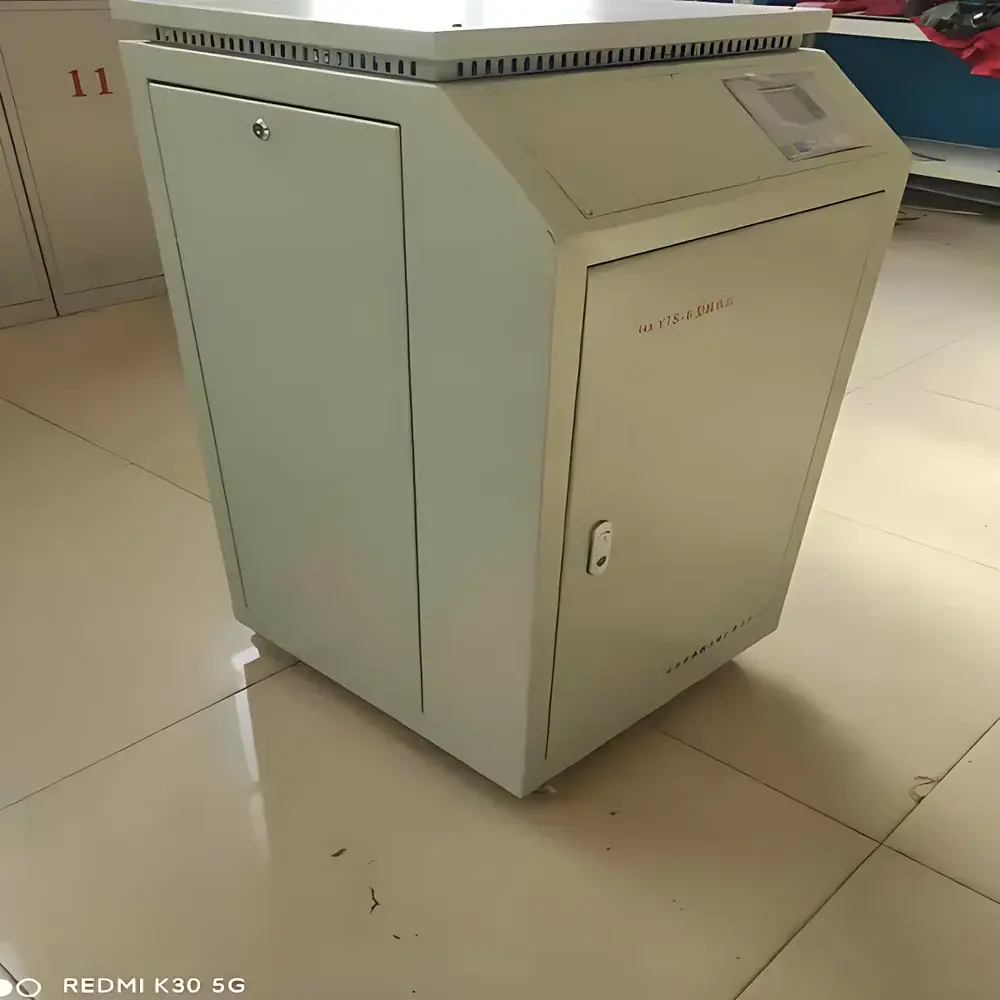
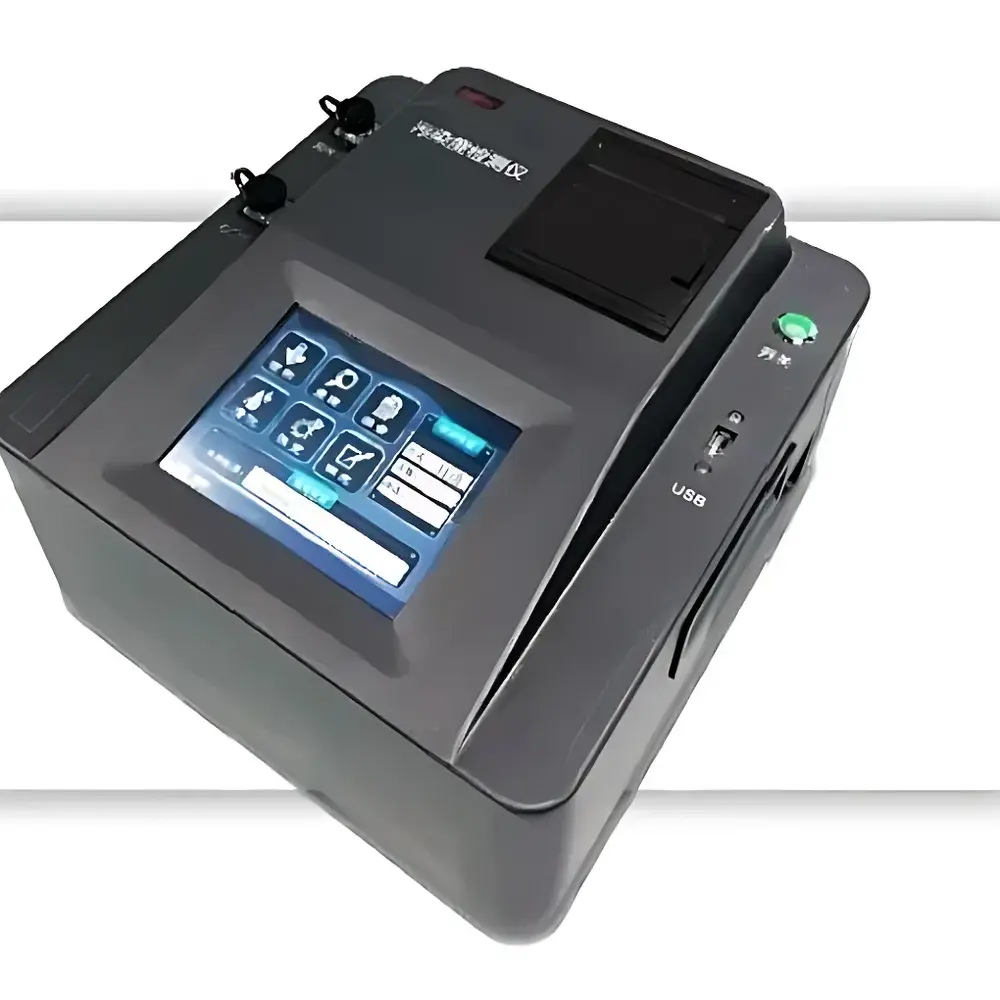
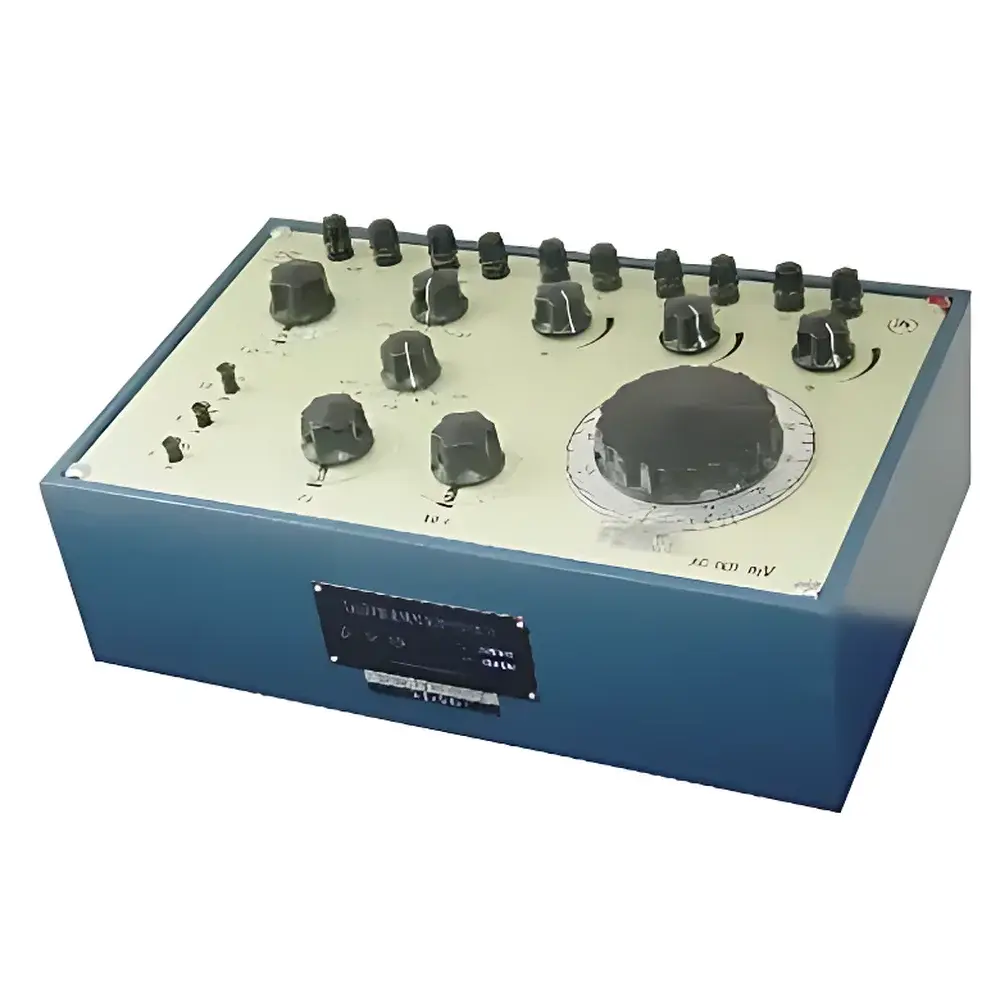
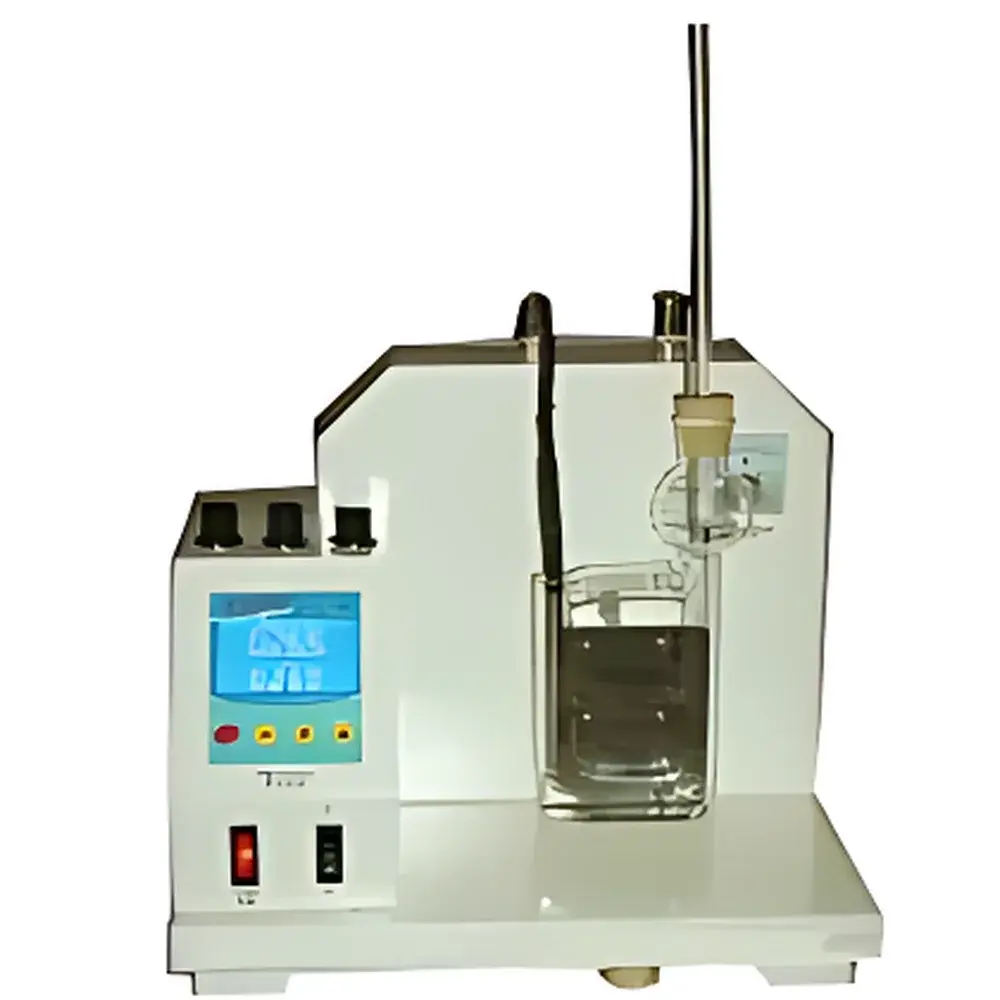
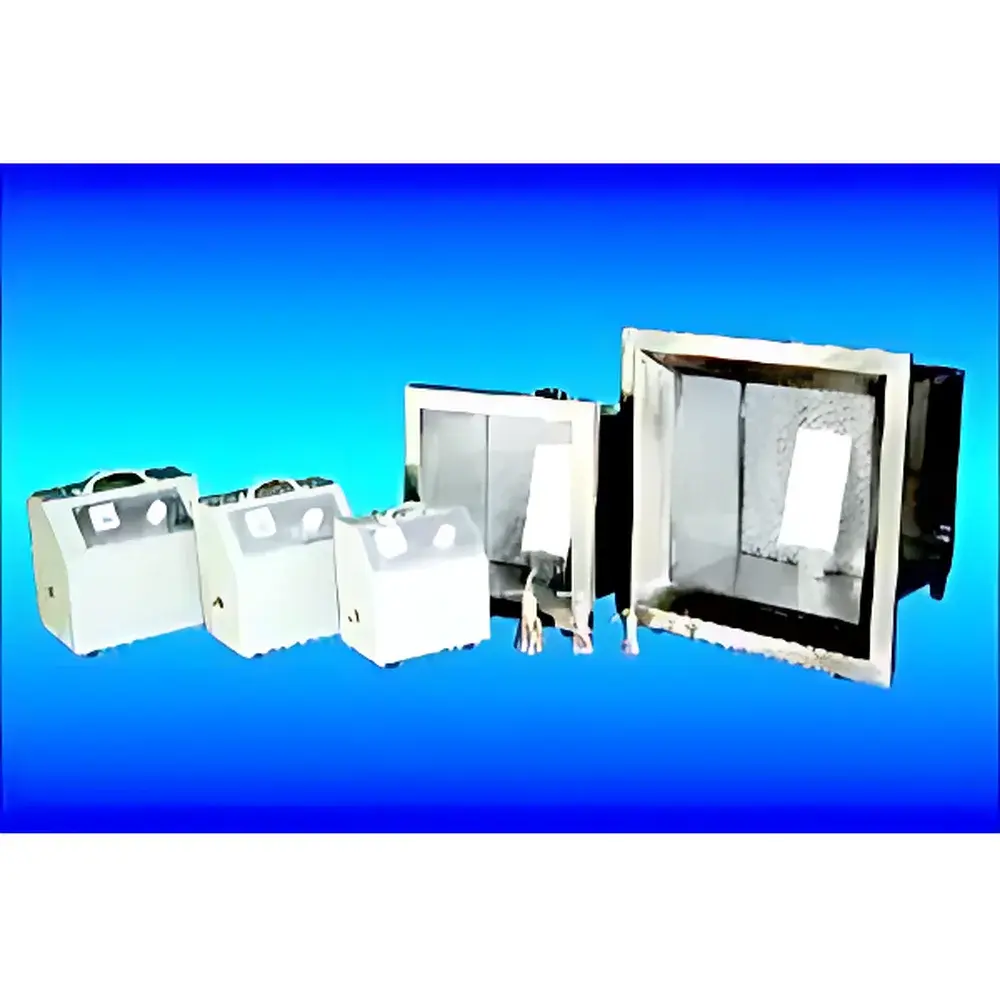
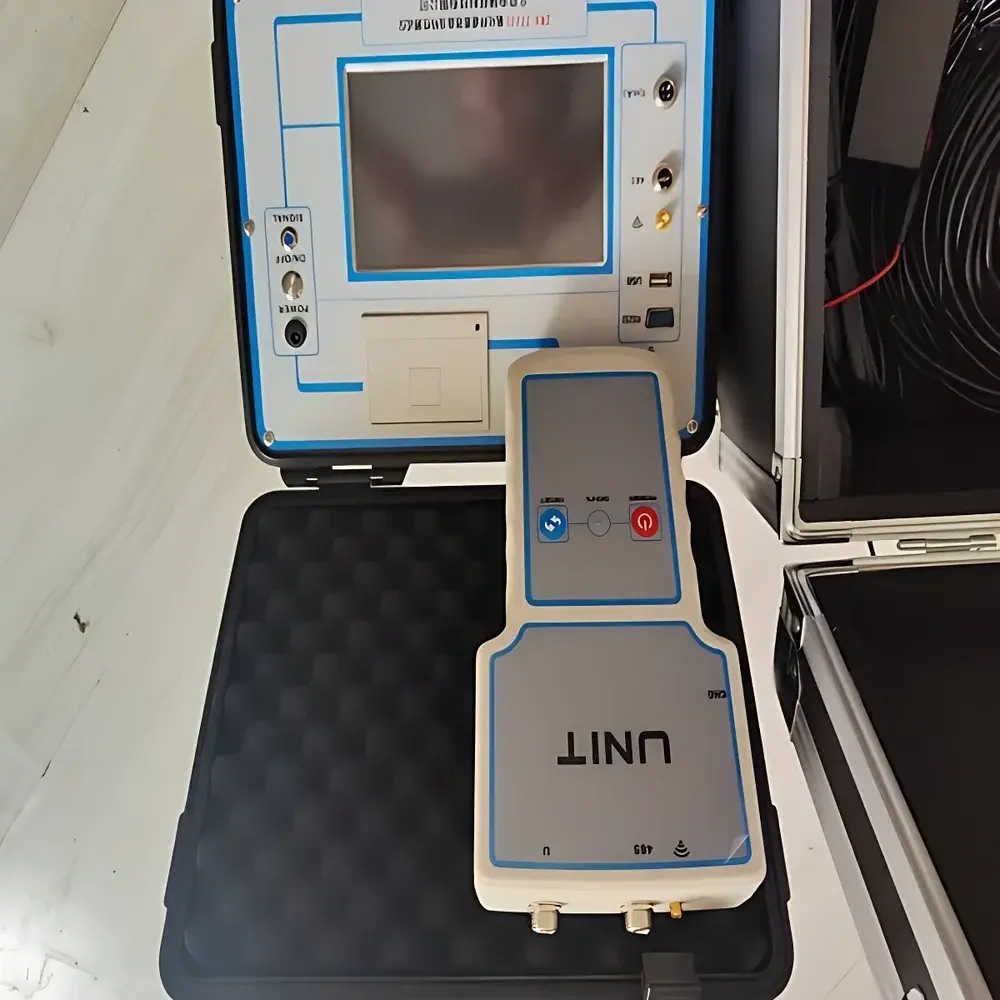
Hengao De HXYTS-6 Intelligent Crude Oil Rapid Dehydration Instrument
| Brand | Hengao De |
|---|---|
| Origin | Beijing, China |
| Manufacturer Type | Authorized Distributor |
| Country of Origin | China |
| Model | HXYTS-6 |
| Capacity | 500–1000 mL (customizable up to 3500 mL) |
| Dehydration Time | 20–60 min |
| Max Operating Temperature | ≤230 °C |
| Power Supply | AC 220 V, 50 Hz |
| Rated Power | 3000 W |
| Weight | 150 kg |
| Cooling System | Triple-stage water-cooled stainless steel (304/316), Peltier-assisted |
| Control System | PLC with LED or LCD display (Model 6: 6-digit LED |
| Model 8 | full-color LCD with optional thermal printer) |
| Compliance | Designed for ASTM D4006, ISO 3733, and GB/T 6532 oil-water separation requirements |
Overview
The Hengao De HXYTS-6 Intelligent Crude Oil Rapid Dehydration Instrument is an engineered solution for laboratory- and field-based crude oil sample preparation in upstream petroleum operations, refinery QC labs, and R&D institutions. It employs a dual-mode physical separation methodology—combining controlled low-rate conductive heating via thermal oil bath with synchronized ultrasonic emulsion disruption and high-shear mechanical grinding—to resolve persistent water-in-oil (W/O) stabilization in heavy, viscous, or high-asphaltene crudes. Unlike vacuum or centrifugal dehydration systems, the HXYTS-6 operates at atmospheric pressure and avoids phase alteration, ensuring representative retention of light hydrocarbon fractions (C5–C12) and preventing compositional bias during analysis. Its core architecture integrates temperature-gradient modulation, real-time thermal monitoring, and active cooling to mitigate volatility loss and sample splashing—critical for downstream GC, GC-MS, or distillation-based assays requiring strict adherence to ASTM D1298 (API gravity), D86 (distillation), or D4294 (sulfur content).
Key Features
- Atmospheric-pressure dehydration system eliminating risk of explosive vapor buildup or seal failure under vacuum
- Programmable thermal ramping profile: adjustable heating rate (0.5–3.0 °C/min) with PID-controlled thermal oil circulation (max 230 °C)
- Integrated triple-stage cooling circuit: primary condenser (stainless steel 304), secondary Peltier chiller, and tertiary ambient-water heat exchanger
- Ultrasonic transducer (40 kHz) + high-torque rotor-stator homogenizer (up to 12,000 rpm) for breaking stable water-in-oil emulsions
- Automated end-point detection: temperature plateau recognition followed by forced air-assisted cooldown and audible/visual alert
- PLC-based control interface with real-time parameter logging: oil temperature, elapsed time, coolant inlet/outlet temps, anti-splash threshold temp, and fault codes
- Corrosion-resistant wetted materials: 304 stainless steel oil-water separator vessel, quartz-lined heating chamber, and fluoropolymer-sealed gaskets
- Self-diagnostic subsystems: thermal oil level sensor, overtemperature cutoff (235 °C hard limit), motor stall detection, and ultrasonic power feedback monitoring
Sample Compatibility & Compliance
The HXYTS-6 accommodates heterogeneous crude feedstocks—including high-salinity (up to 200,000 ppm NaCl), high-silt (>5 wt%), and high-viscosity (>10,000 cP at 40 °C) samples—without salt sintering or sand agglomeration due to its low-thermal-gradient design and bottom-heating suppression. It meets functional equivalency with ASTM D4006 (“Standard Test Method for Water in Crude Oil by Distillation”) and ISO 3733 (“Petroleum products — Determination of water — Distillation method”), while supporting GLP-compliant data integrity through timestamped digital logs exportable via USB. The instrument’s non-pressurized operation and absence of moving seals or glassware render it suitable for Class I, Division 2 hazardous locations when installed with appropriate electrical enclosures per NEC Article 500. All firmware and calibration records are traceable to NIST-traceable reference standards, and audit trails comply with FDA 21 CFR Part 11 requirements when paired with validated software modules.
Software & Data Management
The embedded controller supports dual-display configurations: Model 6 uses a six-digit LED module for basic parameter readout (temperature, time, alarm status), while Model 8 features a 5.7-inch resistive touchscreen LCD with on-device data visualization (real-time temperature curve, cooling efficiency plot, and dehydration progress bar). Both variants store ≥1,000 complete run records locally, including operator ID, sample ID, start/stop timestamps, max temperature reached, final water content (% v/v), and all triggered alarms. Data export is supported via USB 2.0 (FAT32-formatted drive), RS232 serial (ASCII protocol), or optional Ethernet/WiFi add-on module (IEEE 802.11 b/g/n). Firmware updates are performed offline using signed binary packages to prevent unauthorized modification. Calibration constants (e.g., thermal lag correction, ultrasonic energy decay coefficient) are write-protected and require supervisor-level password access.
Applications
- Routine dehydration of production wellhead samples prior to API gravity, sulfur, or metals analysis (ASTM D1298, D4294, D5708)
- Preparatory treatment for crude assay workflows (D287, D86, D1160) where light-end preservation is critical
- QC testing of demulsifier performance across varying salinity, temperature, and asphaltene content
- Research on emulsion stability mechanisms in heavy oil recovery processes (SAGD, CSS)
- Field-deployable dehydration for mobile labs operating in remote offshore or desert environments
- Compliance verification for pipeline specification limits (e.g., <0.5% BS&W per API RP 1172)
FAQ
What is the maximum allowable water cut for effective dehydration?
The HXYTS-6 achieves consistent separation at water cuts up to 40% v/v for medium-gravity crudes (25–35° API); for heavier crudes (>20° API), optimal performance is observed below 25% water cut. Samples exceeding 50% water may require pre-settling or dilution with light naphtha.
Does the instrument alter the original hydrocarbon composition?
No measurable loss of C5–C10 fractions occurs under standard operating conditions (≤180 °C, <60 min cycle), as verified by paired GC-FID analysis per ASTM D6377. Volatility control is achieved via active condensation and sub-boiling thermal profiles.
Can it handle high-salinity crude without scaling?
Yes. By limiting localized hot-spot formation and avoiding direct contact between brine and heating elements, the system reduces salt deposition. Residual salts remain suspended in the aqueous phase and are removed with the separated water layer.
Is validation support available for regulatory submissions?
Hengao De provides IQ/OQ documentation templates, traceable calibration certificates (NIST-traceable thermocouples and flow meters), and 21 CFR Part 11 readiness guidance upon request. Third-party verification services are coordinated through certified ISO/IEC 17025 laboratories.
What maintenance intervals are recommended?
Ultrasonic transducers require annual acoustic impedance verification; thermal oil must be replaced every 18 months or after 2,000 operational hours; stainless steel condenser coils should be inspected quarterly for mineral buildup using 5% citric acid flush.






