
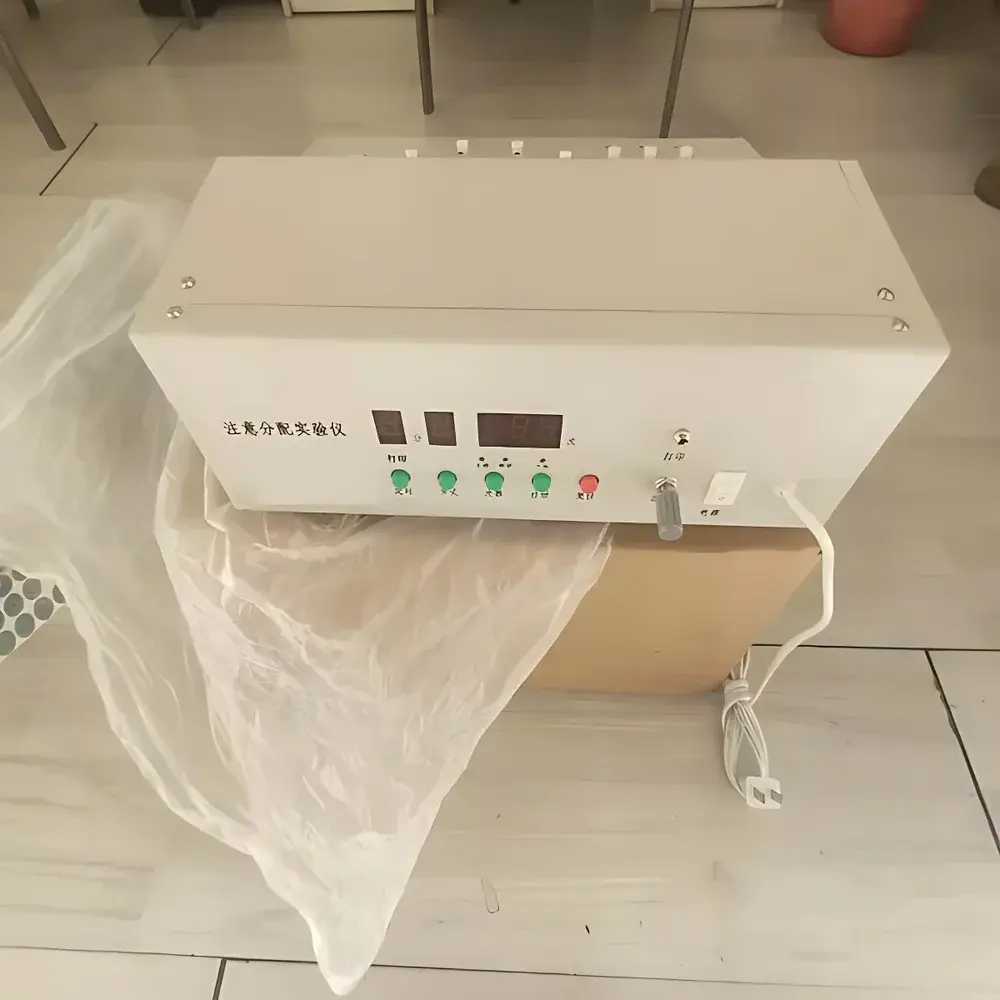
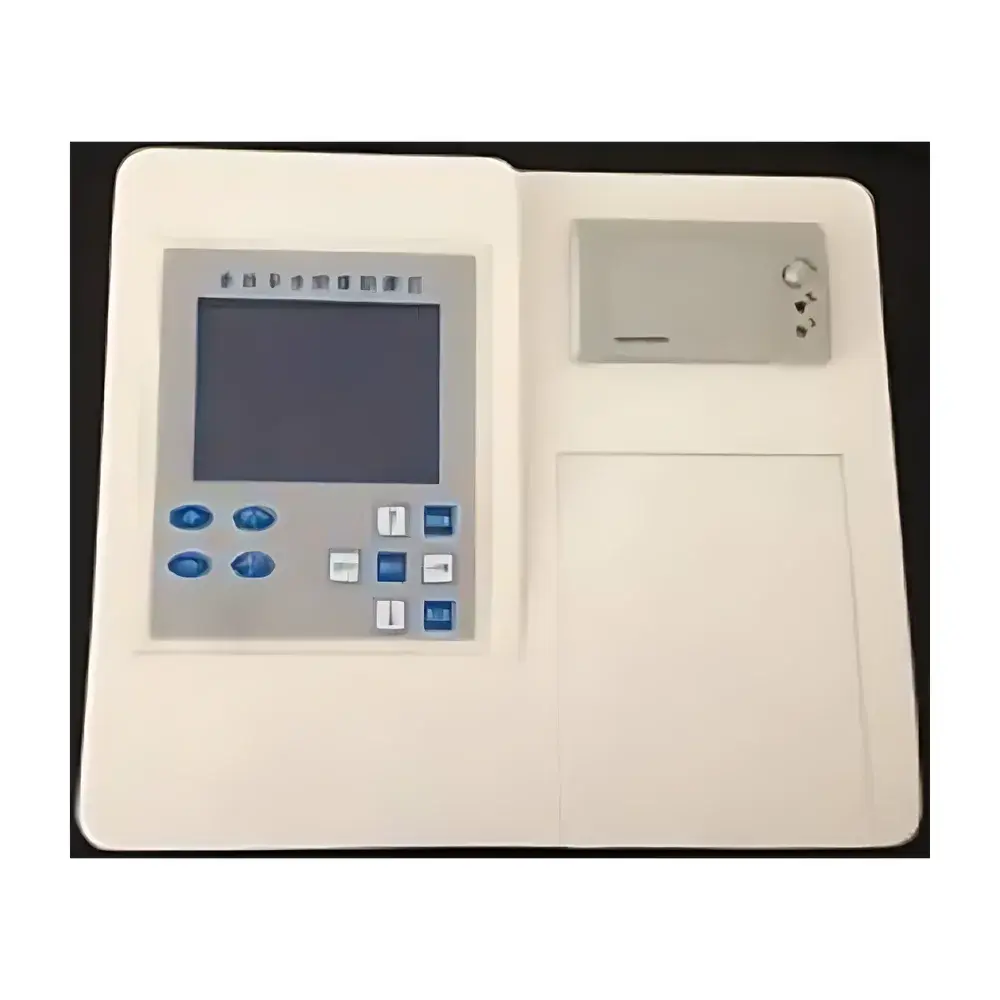
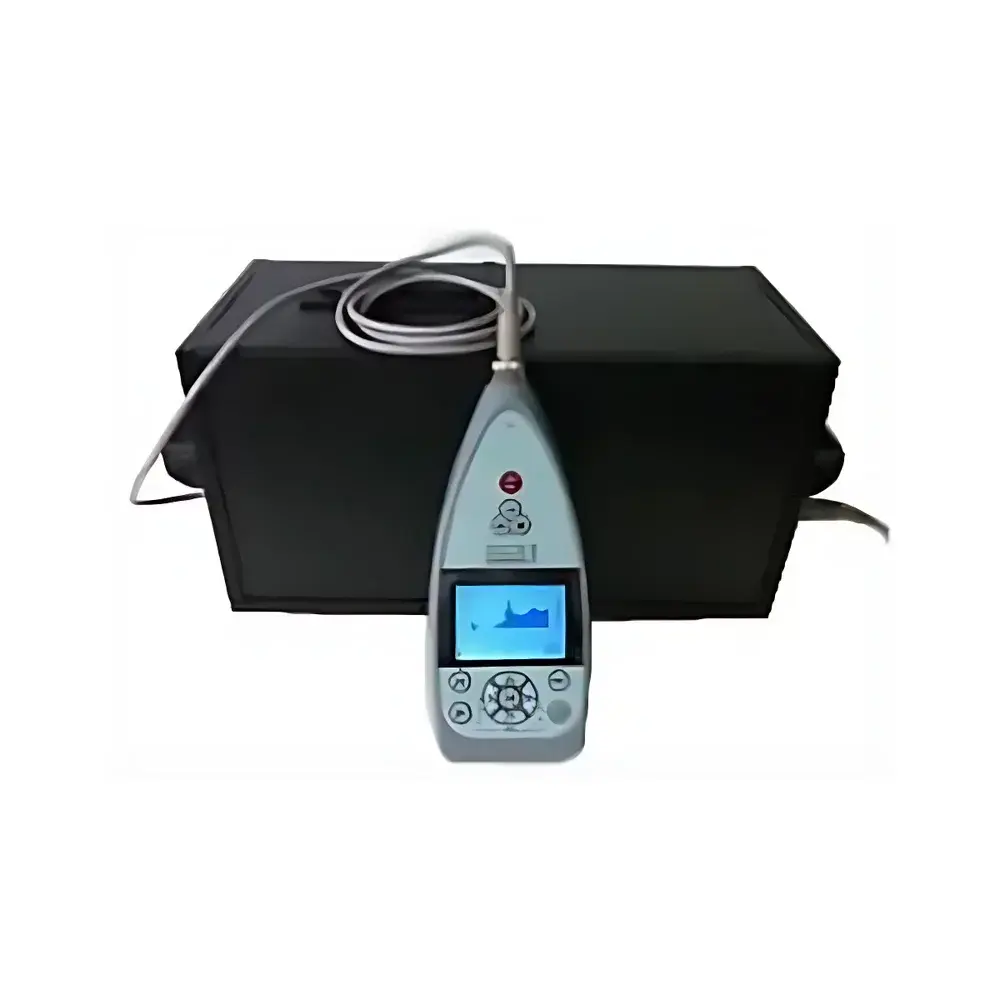
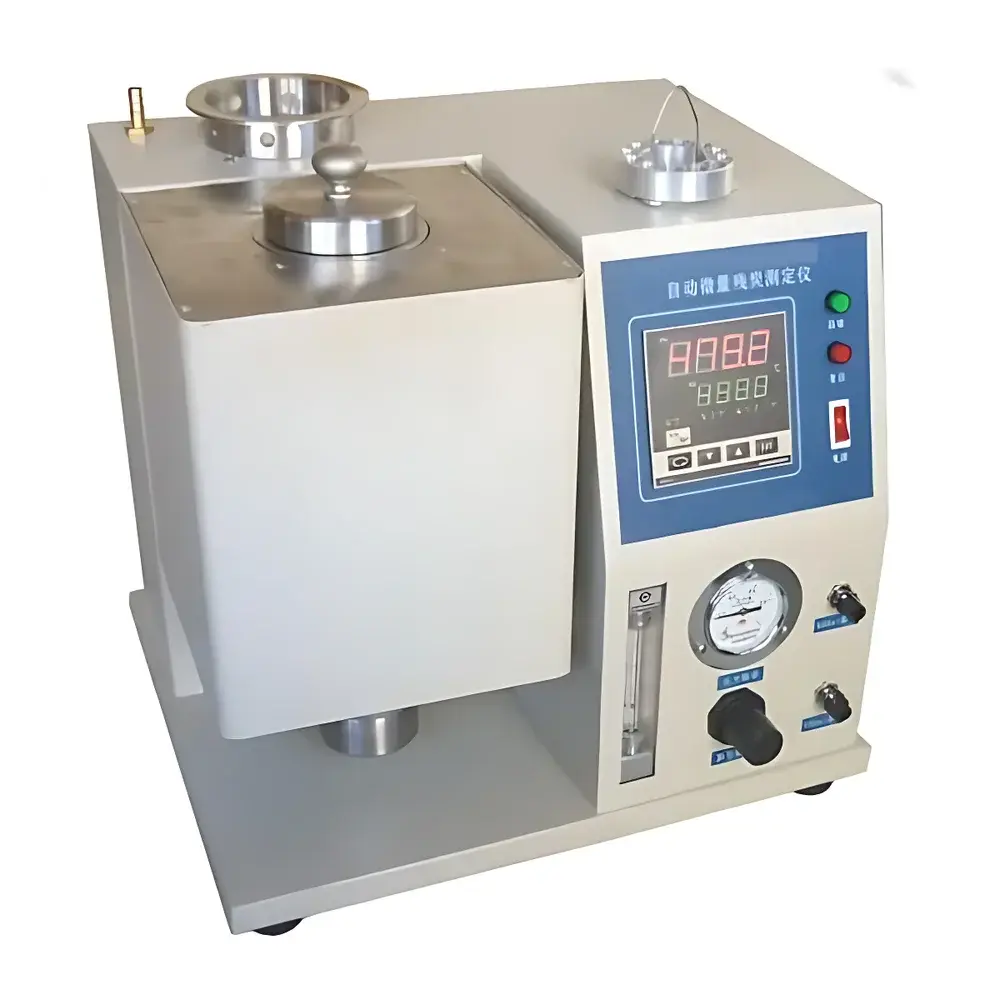
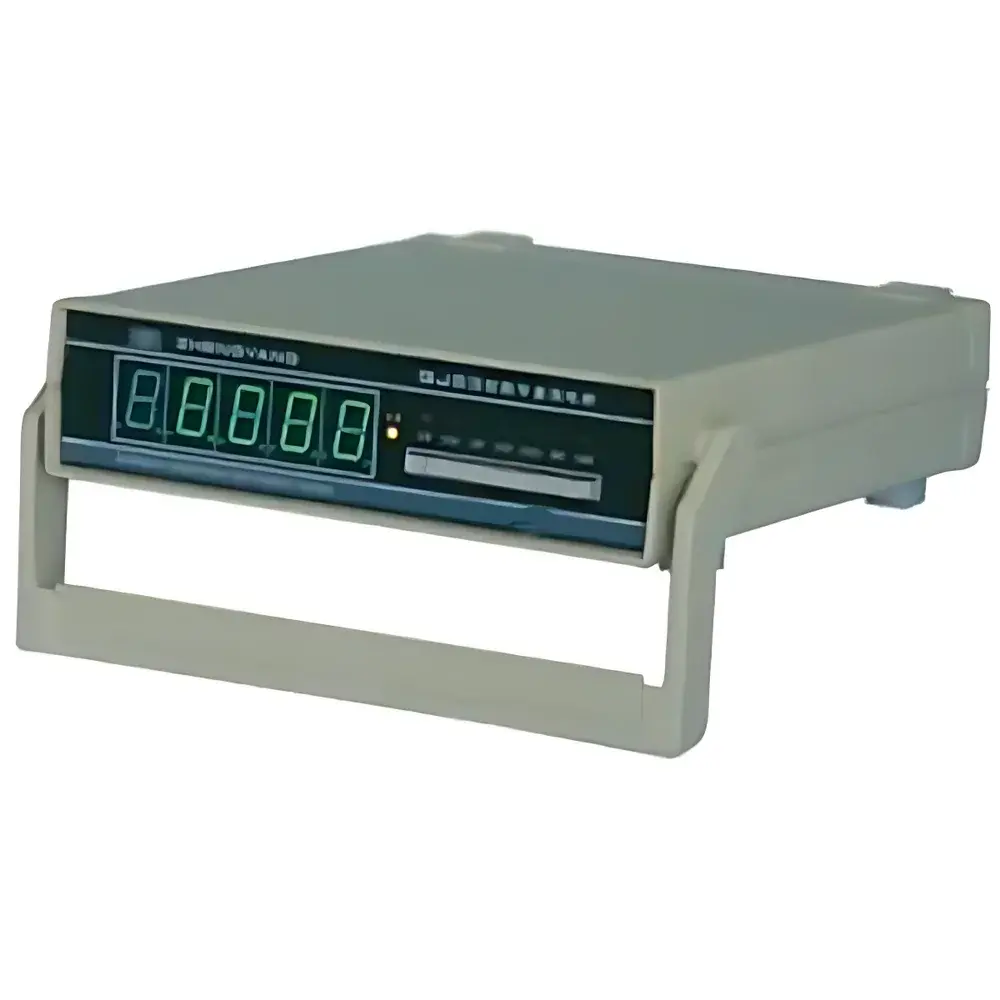
HengaoDe HAD-BD-II-314 Dual-Modality Attention Allocation Assessment System
| Brand | HengaoDe |
|---|---|
| Origin | Beijing, China |
| Manufacturer Type | Authorized Distributor |
| Country of Origin | China |
| Model | HAD-BD-II-314 |
| Price | USD 42.50 (FOB) |
Overview
The HengaoDe HAD-BD-II-314 Dual-Modality Attention Allocation Assessment System is a validated psychophysiological instrumentation platform engineered for quantitative measurement of attentional resource distribution under concurrent sensory-motor task demands. It operates on the theoretical foundation of multi-channel information processing theory and dual-task interference paradigms, implementing a controlled, time-synchronized audiovisual stimulus presentation protocol grounded in classical experimental psychology methodology (e.g., Kahneman’s capacity model). The system delivers objective, repeatable quantification of attention allocation efficiency—expressed as the dimensionless Q-value—through empirically derived behavioral metrics collected under three experimental conditions: unimodal auditory response, unimodal visual response, and bimodal simultaneous audiovisual response. Designed for compliance with standard laboratory ergonomics and cognitive testing protocols, it supports both teaching applications in undergraduate psychology laboratories and applied research in human factors engineering, transportation safety, and military operator performance evaluation.
Key Features
- Tri-tone auditory stimulation module (low/mid/high frequency tones) with independent left-hand response keys for reaction time and accuracy logging
- Octagonal LED array (8 positions) arranged in circular configuration for spatially distributed visual stimuli, paired with right-hand position-matched response keys
- Programmable trial duration from 1 to 9 minutes in discrete 1-minute increments
- Real-time dual-channel event logging: correct/incorrect responses per modality, with maximum count capacity of 999 per category
- Onboard calculation of attention allocation index Q = √[(S₂/S₁) × (F₂/F₁)], where S₁/F₁ denote unimodal performance baselines and S₂/F₂ reflect bimodal task execution
- RS-232 serial interface (1200 baud) for external data acquisition; compatible with optional thermal printer, USB data logger, or proprietary PC-based software suite
- Compact benchtop form factor (330 × 250 × 100 mm) with low-power consumption and ESD-protected circuitry
Sample Compatibility & Compliance
The HAD-BD-II-314 is intended for use with human subjects aged 18–65 years who possess normal or corrected-to-normal vision and hearing acuity. It does not require consumables, reagents, or sample preparation. Stimulus parameters adhere to ISO 9241-110 (Ergonomics of Human-System Interaction) guidelines for response time measurement validity and ANSI/HFES 100-2007 standards for cognitive workload assessment instrumentation. While not classified as a medical device under FDA 21 CFR Part 820, its output metrics are suitable for inclusion in GLP-compliant study reports when used within institutional review board (IRB)-approved protocols. The device meets CE marking requirements for EMC Directive 2014/30/EU and Low Voltage Directive 2014/35/EU.
Software & Data Management
Data export occurs via ASCII-formatted serial stream containing timestamped trial metadata, raw response counts (S₁, F₁, S₂, F₂), computed Q-value, and session ID. Optional companion software (Windows 10/11 compatible) provides batch analysis, group-level statistical comparison (t-test, ANOVA), and export to CSV/Excel formats. Audit trail functionality records operator login, test initiation/termination timestamps, and parameter configuration changes—supporting traceability requirements aligned with ISO/IEC 17025:2017 clause 7.7. No embedded database or cloud connectivity is implemented; all data reside locally unless explicitly transferred by user action.
Applications
- Undergraduate and graduate laboratory instruction in cognitive psychology, neuroscience, and human factors
- Evaluation of attentional fatigue progression during extended monitoring tasks (e.g., air traffic control simulation)
- Baseline assessment and longitudinal tracking in occupational health programs for shift workers
- Validation of interface design in automotive HUD systems and avionics displays
- Pre-post intervention analysis in neurorehabilitation studies targeting executive function recovery
- Standardized screening component in military aptitude testing batteries (e.g., correlating Q-values with flight simulator performance)
FAQ
What is the theoretical basis for the Q-value calculation?
The Q-index derives from the multiplicative ratio model first formalized in Broadbent (1958) and empirically refined in subsequent dual-task literature. It assumes proportional resource sharing between modalities under fixed attentional capacity constraints.
Can the stimulus timing be randomized beyond the default fixed-interval mode?
No—the current firmware implements only fixed inter-stimulus intervals. Variable timing requires external trigger synchronization via TTL input (not supported in base configuration).
Is calibration required prior to each use?
No hardware calibration is needed. Visual stimulus luminance and auditory tone amplitude are factory-set to ISO 8550-2 compliant levels and remain stable across operational temperature range (0–40°C).
Does the system support integration with EEG or eye-tracking equipment?
Yes—via external TTL pulse output (optional accessory module) synchronized to stimulus onset, enabling multimodal neurocognitive data fusion in third-party acquisition platforms.
What is the recommended minimum sample size for statistically robust group comparisons?
Based on power analysis using effect sizes reported in published validation studies (e.g., Zhang et al., 2019, Frontiers in Psychology), n ≥ 24 per group achieves >80% power at α = 0.05 for detecting medium-effect differences (Cohen’s d ≥ 0.5) in Q-values.





